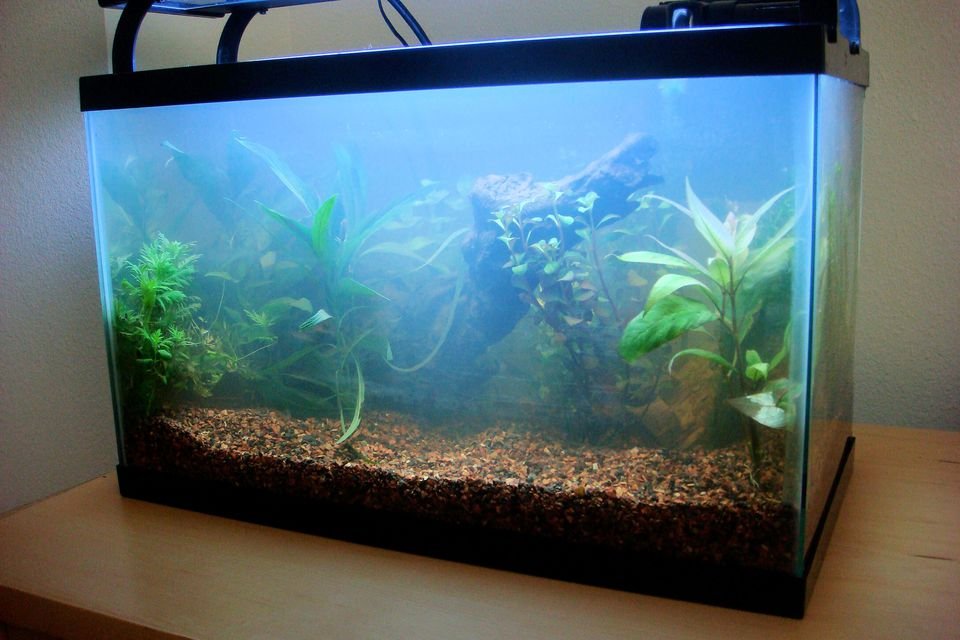
Cloudy aquarium water is usually caused by a harmless bacterial bloom, overfeeding, or an algae outbreak.
I get it. You’ve spent hours setting up the perfect aquatic paradise. The gravel is just right, the decorations are placed with care, and your new fish are exploring their home. Then, you wake up one morning, and it looks like someone poured a glass of milk into your tank. It’s frustrating, and your first instinct might be to panic. As someone who has faced this murky problem countless times over the years, I can tell you that a clear understanding of why water in an aquarium is cloudy is the first and most important step to fixing it for good. This guide will walk you through the common causes and give you the exact steps to get your tank back to being crystal clear.
:strip_icc()/cloudy-aquarium-water-1378803-3736ff0eb5b34aa0907ae9df2882a86e.png)
Understanding the Different Types of Cloudy Water
Before we can solve the problem, we need to play detective. The color of the cloudiness is a major clue that points directly to the cause. Not all cloudy water is the same, and knowing what you’re looking at makes the solution much easier to find.
Think of it like being a doctor for your aquarium. You need to diagnose the symptom before you can prescribe the treatment. Let's look at the most common types.
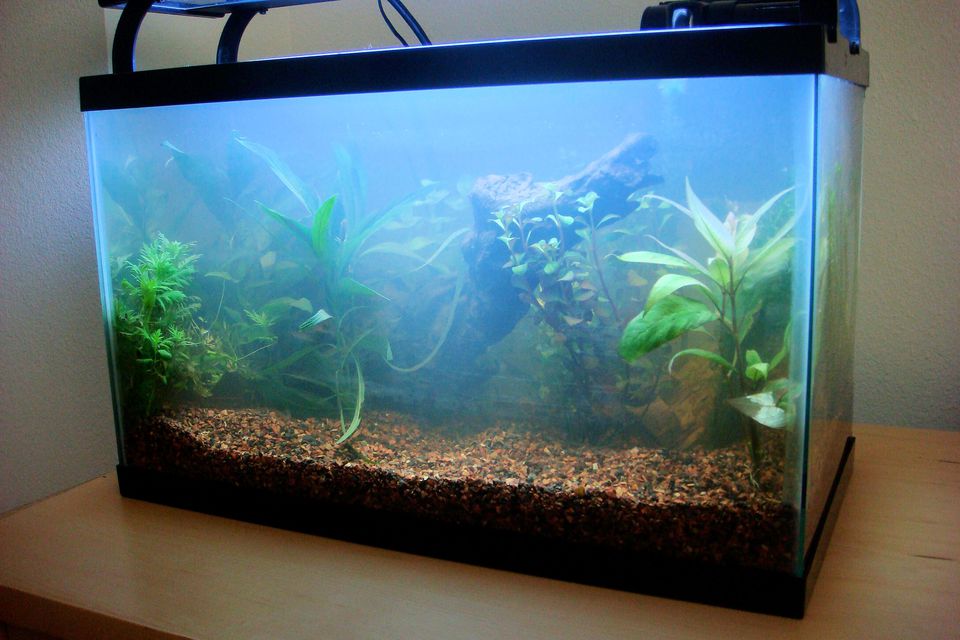
- White or Gray Cloudiness: This is the most frequent type, resembling a milky haze. It almost always points to a bacterial bloom, especially in a new aquarium. It can also be caused by fine sand or dust from new substrate that hasn't fully settled.
- Green Cloudiness: If your tank looks like pea soup, you have a classic algae bloom. This is caused by microscopic, free-floating algae. While it looks alarming, it’s a very different issue from a bacterial bloom.
- Brown or Yellowish Tinge: This is usually not cloudiness but rather tannins leaching from new driftwood. Tannins are natural compounds that can stain the water, similar to how a tea bag colors hot water. They are harmless and can even be beneficial for some types of fish.

The Most Common Culprit: The New Tank Syndrome Bacterial Bloom
If your tank is newly set up (within the last month) and the water has turned a milky white, you are almost certainly experiencing a bacterial bloom. This is often called "New Tank Syndrome," and while it looks bad, it's a completely normal and healthy part of your aquarium's journey to becoming a stable ecosystem.
I remember my very first aquarium. I set it up perfectly, and after two days, the water went completely cloudy. I panicked. I did a huge 75% water change, scrubbed everything, and filled it back up. The next day, it was even cloudier. My mistake was interfering with a natural process. These bacteria, known as heterotrophic bacteria, are blooming to consume the excess organic waste and nutrients in the new system. Once they do their job and the beneficial nitrifying bacteria get established, the bloom will vanish on its own, almost as quickly as it appeared. The key is patience.
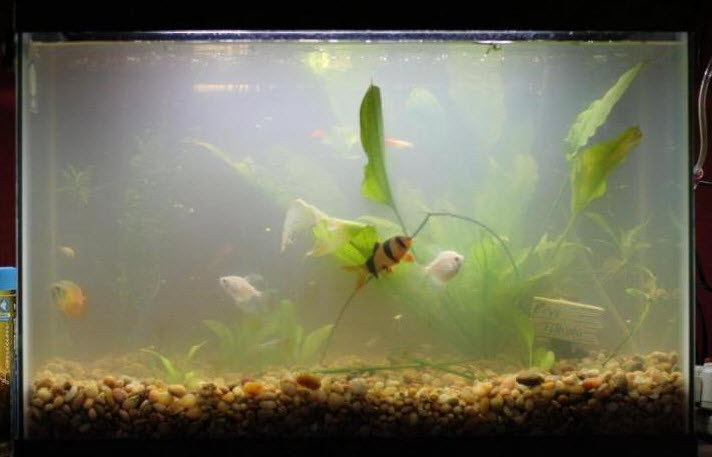
Green Water Woes: Battling an Algae Bloom
Seeing your tank turn a vibrant green can be startling. This green water is caused by a bloom of phytoplankton, a type of free-floating algae. The cause can be boiled down to two main factors: too much light and too many nutrients. It's a simple recipe for an algae explosion.
Think of your aquarium as a little garden. If you leave the lights on for 16 hours a day and constantly add fertilizer (fish food and waste), you're going to grow a lot of weeds (algae). The nutrients, specifically nitrates and phosphates, act as fuel. They can come from overfeeding, fish waste, or even your tap water. To win the battle against green water, you have to cut off the algae's supply line. This means reducing your lighting period to 6-8 hours a day, feeding your fish less, and performing regular partial water changes to manually remove the excess nutrients.
Milky or Gray Haze: Other Potential Causes
While a bacterial bloom is the most common reason for that milky haze, it's not the only one. If your tank is well-established, understanding why the water in your aquarium is cloudy might require looking at a few other factors. These issues can also contribute to the nutrient spike that feeds a bacterial bloom in the first place.
- Overfeeding: This is the number one mistake new fishkeepers make. When you feed your fish more than they can eat in two minutes, the uneaten food sinks and rots. This decaying food releases ammonia and other compounds, providing a feast for cloud-causing bacteria.
- Disturbed Substrate: Did you just add new gravel or sand? Or maybe you did a deep cleaning and stirred things up? Fine particles and dust can hang in the water for a day or two before settling or getting caught by the filter.
- Decomposing Matter: A fish that has passed away and is hidden behind a rock or a large plant that is melting and decaying can release a large amount of organic waste into the water, triggering a bacterial bloom.
- Ineffective Filtration: Your filter is the heart of your aquarium's clarity. If it's clogged, too small for your tank, or if you recently replaced all the filter media at once, it can't do its job properly. Remember, your filter media is home to the beneficial bacteria you need.
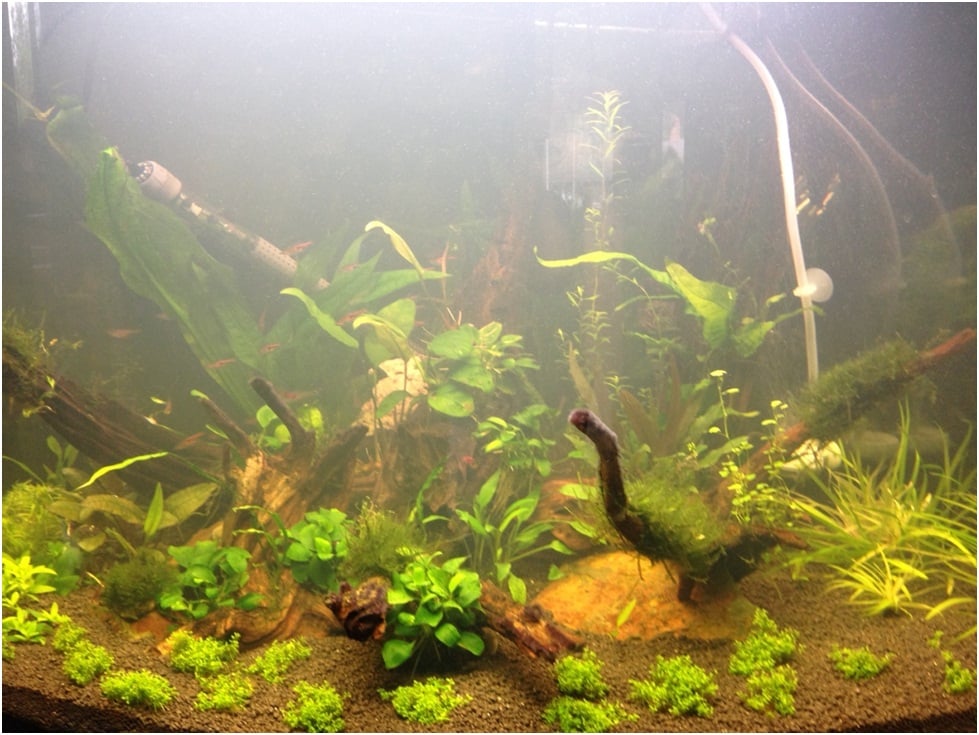
How to Clear Up Cloudy Aquarium Water: A Step-by-Step Guide
Feeling overwhelmed? Don't be. Here is a simple, actionable plan to diagnose and treat your cloudy water problem. Follow these steps, and you'll be on your way to a clear tank.
- Identify the Cause First: Look at the color. Is it white or green? Is your tank new? Have you changed anything recently? Use the information above to make your best guess.
- Test Your Water Parameters: Use a liquid test kit to check your ammonia, nitrite, and nitrate levels. High ammonia or nitrite with milky water confirms a bacterial bloom. High nitrates with green water point to an algae bloom.
- Perform a Partial Water Change: A 25-30% water change is a great first step. It helps dilute the nutrients that are feeding the bloom, whether it's bacteria or algae. Avoid doing massive water changes, as this can shock your system and make things worse.
- Clean the Gravel: Use a gravel vacuum to gently siphon debris from the substrate. This removes uneaten food and fish waste, cutting off the fuel source for the bloom.
- Check Your Filter: Make sure your filter is running properly. If the flow seems weak, rinse the filter media (sponges, cartridges) in the old tank water you just siphoned out. Never rinse it in tap water, as the chlorine will kill the beneficial bacteria.
- Adjust Your Routine: If overfeeding or too much light is the problem, fix it. Feed your fish only what they can eat in a minute or two, once a day. Reduce your aquarium lighting to no more than 8 hours per day.
- Be Patient: If you've identified a new tank bacterial bloom, the best course of action is often to do nothing. Let the aquarium's ecosystem balance itself out. It will typically clear up in a week or so.
Preventing Cloudy Water in the Future
The best way to fix cloudy water is to prevent it from happening in the first place. Once you've achieved that crystal-clear look, maintaining it is all about good habits and consistency. A little proactive care goes a long way.
- Establish a Routine: Perform weekly 25% water changes and gravel cleanings. This regular maintenance removes excess nutrients before they can cause a problem.
- Don't Overstock: Too many fish in a small tank create more waste than the ecosystem can handle. Research your fish and ensure your tank is an appropriate size for its inhabitants.
- Feed Sparingly: As we've discussed, overfeeding is a primary cause of poor water quality. It’s better to slightly underfeed your fish than to overfeed them.
- Add Live Plants: Live plants are fantastic for water clarity. They act as natural filters, consuming the same nitrates and phosphates that algae feed on, effectively starving the algae out of existence.
- Ensure Proper Filtration: Make sure your filter is rated for the size of your tank. A good filter will not only house beneficial bacteria but also physically trap floating debris.
Frequently Asked Questions of why water in aquarium is cloudy
Is cloudy water harmful to my fish?
In most cases, the cloudiness from a bacterial bloom isn't directly harmful. However, it often signals high ammonia or nitrite levels during a tank cycle, which are very toxic to fish.
How long does a bacterial bloom last?
A typical bacterial bloom in a new tank will last from a few days to a week. The key is to be patient and let the nitrogen cycle establish itself without interference.
Should I use a chemical clarifier to fix cloudy water?
It's best to avoid them. Water clarifiers work by clumping small particles together, but they don't solve the underlying issue. They are a temporary cosmetic fix that can sometimes stress your fish.
Why is my aquarium water cloudy after a water change?
This can happen if you disturb the substrate, kicking up fine dust and debris. It can also be a mini-bacterial bloom caused by the new water, but it should clear up within a day.
Can over-cleaning a filter cause cloudy water?
Absolutely. Rinsing your filter media in chlorinated tap water or replacing all of it at once will kill off your colony of beneficial bacteria. This can cause your tank to re-cycle, resulting in a bacterial bloom.
Conclusion
Seeing your aquarium water turn cloudy can be disheartening, but it's a common rite of passage for nearly every fishkeeper. Remember that the murkiness is just a symptom of an imbalance in your tank's tiny ecosystem. By identifying the type of cloudiness—whether it's a bacterial bloom, an algae outbreak, or simple debris—you can take targeted, effective steps to restore clarity.
The most powerful tools in your fishkeeping arsenal are knowledge and patience. Understand the processes at work in your aquarium, stick to a consistent maintenance routine, and don't panic when things look a little off. Your reward will be a stable, healthy, and crystal-clear tank that you can be proud of.
What was the cause of your cloudy water, and how did you fix it? Share your story in the comments below to help fellow aquarists