A UV sterilizer eliminates free-floating algae and harmful microbes, giving you crystal-clear and healthier aquarium water.
As a long-time aquarium enthusiast, I've seen it all—the frustrating green water that never clears, the mysterious illnesses that sweep through a tank, and the constant battle to maintain perfect water quality. If you're wrestling with these issues, you might be wondering why use a UV sterilizer aquarium setup. It's not just another piece of fancy equipment; it's a game-changer for creating a stable, healthy, and visually stunning aquatic environment. This guide will walk you through exactly why a UV sterilizer might be the single best upgrade you can make for your tank.
What is a UV Sterilizer and How Does It Work?
Think of a UV sterilizer as a high-tech security checkpoint for your aquarium water. It's a sealed unit that your tank water is pumped through. Inside, a special bulb emits high-intensity ultraviolet (UV-C) light, a specific wavelength that is germicidal. This powerful light zaps any free-floating microorganisms that pass by.
The UV-C light works by scrambling the DNA and RNA of single-celled organisms like algae, bacteria, and parasites. By altering their genetic code, it destroys their ability to function and reproduce. They are effectively neutralized on the spot. The water then returns to your tank, significantly cleaner and safer for your fish. It’s important to understand that it only treats the water flowing through the device, not the entire aquarium at once.

The Top Benefits of Using a UV Sterilizer in Your Aquarium
The reasons to use a UV sterilizer aquarium system are compelling, especially when you see the results firsthand. It goes beyond just aesthetics and directly impacts the health of your aquatic ecosystem. Let's break down the key advantages.
Crystal Clear Water (Bye-Bye, Green Algae!)
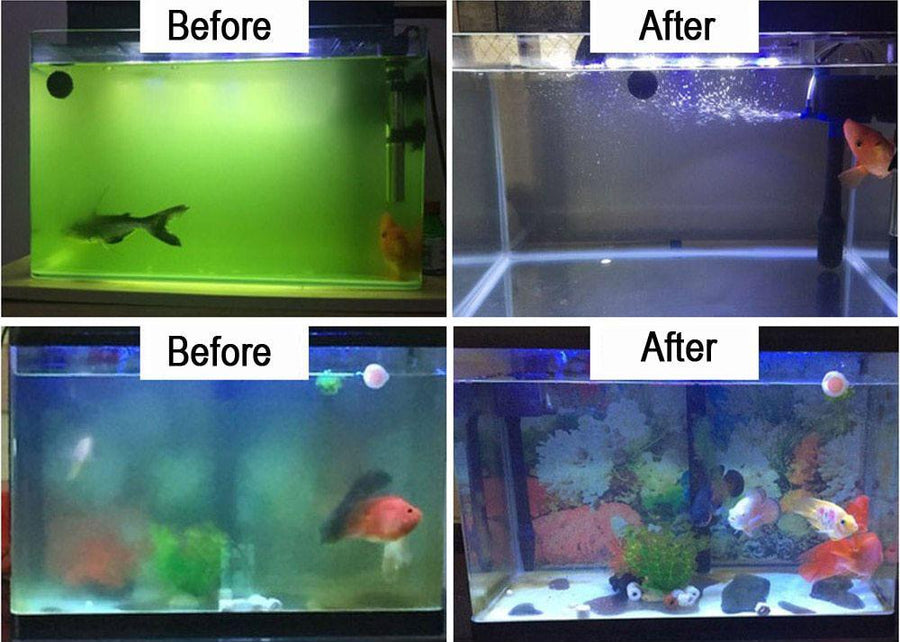
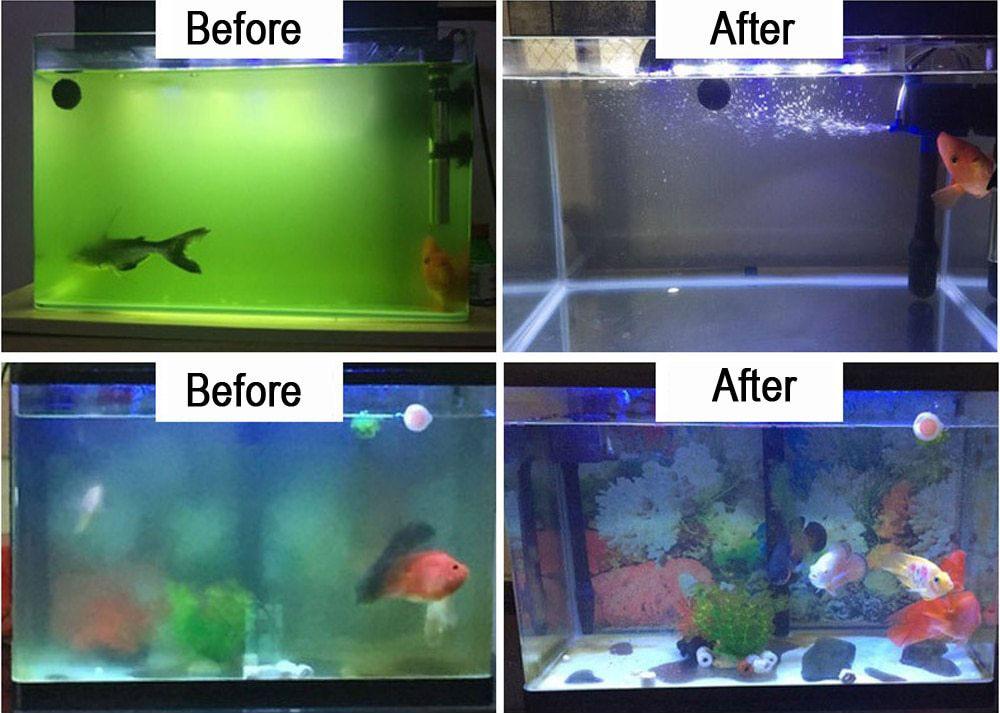
This is often the number one reason aquarists turn to a UV sterilizer. Have you ever battled "green water"? It's caused by a bloom of free-floating phytoplankton (a type of algae). I remember my first 75-gallon tank; no matter how many water changes I did, it looked like pea soup. A UV sterilizer solved the problem in less than a week. By targeting and destroying these algae cells as they pass through the unit, it polishes your water to an incredible clarity that is hard to achieve otherwise.
A Healthier Environment for Your Fish
A UV sterilizer acts as a proactive defense system for your fish. Many common and devastating aquarium diseases, like Ich (Ichthyophthirius multifiliis), have a free-swimming stage where the parasites are vulnerable in the water column. The UV light can neutralize these pathogens before they have a chance to find a host and infect your fish. It creates a much safer environment, reducing the overall stress on your fish's immune systems.
Reducing Waterborne Pathogens
Beyond visible algae and specific parasites, your aquarium water is filled with countless invisible bacteria and viruses. While many are harmless, some can cause opportunistic infections, especially if a fish is stressed or injured. A UV sterilizer drastically reduces the overall "pathogen load" in the water. This continuous sterilization helps prevent bacterial blooms and minimizes the risk of widespread disease outbreaks, making it an invaluable tool for any serious hobbyist.
When Should You Use a UV Sterilizer?
While nearly any tank can benefit, there are specific situations where adding a UV sterilizer is particularly wise. The decision of why use a UV sterilizer aquarium setup often comes down to solving a specific problem or taking preventative action in a high-risk environment.
Here are some prime scenarios:
- Combating Green Water: If you are fighting a persistent algae bloom that clouds your tank, a UV sterilizer is the most effective solution available.
- Heavily Stocked Tanks: More fish mean more waste and a higher potential for disease. A UV unit adds an extra layer of security.
- Tanks with Sensitive or Expensive Fish: When you have a significant investment in delicate species like Discus or certain marine fish, preventing disease is paramount.
- New Tank Setups: A UV sterilizer can help prevent the initial algae blooms and bacterial issues common in newly cycled aquariums.
- Quarantine Tanks: Using one in a QT setup helps ensure you aren't introducing new pathogens into your main display tank.

Common Misconceptions About Aquarium UV Sterilizers
There's a lot of information out there, and some of it is simply incorrect. Let's clear up a few common myths about UV sterilizers to help you make an informed decision. Understanding these points is key to realizing why use a UV sterilizer aquarium system correctly.
"It Kills Beneficial Bacteria"
This is perhaps the biggest myth. The vast majority of your tank's beneficial bacteria (the kind that power your nitrogen cycle) are not free-floating. They colonize surfaces like your filter media, substrate, and decorations. Since the UV sterilizer only affects water passing through the unit, your biological filter remains completely unharmed and continues to function perfectly.
"It's a Replacement for a Filter"
A UV sterilizer is a clarifier and a sterilizer, not a filter. It does not remove physical debris, ammonia, nitrite, or nitrate from the water. It is a powerful supplement that works alongside your existing mechanical, biological, and chemical filtration, not as a substitute for it. Your regular maintenance and water changes are still essential.
"It Will Harm My Fish or Plants"
The UV-C light is extremely powerful, but it is entirely contained within the sterilizer's housing. The light never shines into your aquarium. Therefore, it is 100% safe for your fish, plants, corals, and any other inhabitants. There is absolutely no risk of them being exposed to the UV radiation.

Choosing the Right UV Sterilizer for Your Aquarium
Selecting the right unit is crucial for its effectiveness. The choice of why use a UV sterilizer aquarium is followed by which one to use. Consider these factors before you buy.
- Wattage: The power of the UV bulb is measured in watts. Higher wattage means more sterilizing power. A general rule is 1-2 watts per 10 gallons of water for clarification (clearing green water) and 3-5 watts per 10 gallons for true sterilization (killing pathogens).
- Flow Rate: This is critical. Water must pass by the bulb slowly enough to be properly exposed to the UV light. Every sterilizer has a recommended flow rate. If the water moves too fast, the unit becomes ineffective. Always match the flow rate of your pump to the manufacturer's recommendation for the sterilizer.
- Tank Size: Manufacturers will always list a recommended aquarium size for their units. It’s better to slightly oversize your sterilizer than to undersize it.
- Installation: Consider how the unit will connect to your system. Most are "in-line" units that splice into the return hose from a canister filter or sump pump. Some smaller, self-contained units can hang on the back of the tank.
From personal experience, I've learned to always check how easy it is to access and replace the bulb and quartz sleeve. You'll need to do this maintenance annually, so easy access will save you a lot of headaches down the road.
Frequently Asked Questions
H3: How long should I run my UV sterilizer?
For consistent water clarity and pathogen control, it is best to run your UV sterilizer 24/7. This ensures that the water is constantly being treated, keeping algae and microbe levels low.
H3: Does a UV sterilizer remove fish waste?
No, a UV sterilizer does not remove physical waste like fish poop or uneaten food. It only neutralizes microscopic, free-floating organisms. You still need a good mechanical filter and regular gravel vacuuming.
H3: Can I use a UV sterilizer in a saltwater tank?
Yes, absolutely. UV sterilizers are extremely popular and beneficial in both freshwater and saltwater aquariums, including reef tanks, to control algae and prevent disease.
H3: How often do I need to change the UV bulb?
UV bulbs lose their effectiveness over time, even if they still light up. Most manufacturers recommend replacing the bulb every 9 to 12 months for optimal performance.
H3: Will a UV sterilizer clear up cloudy water?
It depends on the cause. If the cloudiness is from a bacterial bloom or green water algae, a UV sterilizer will clear it up effectively. If it's from suspended dirt or sand, you will need better mechanical filtration.
Conclusion
Deciding why use a UV sterilizer aquarium setup comes down to a desire for a healthier, clearer, and more stable aquatic world. It is a powerful tool for eradicating green water, reducing the risk of disease, and giving you that pristine, crystal-clear view we all strive for. While it's not a magic bullet that replaces good husbandry, it is an incredibly effective supplement to a well-maintained system.
Investing in a UV sterilizer is an investment in the long-term health and beauty of your aquarium. Take the step toward a cleaner tank and happier fish; you'll be glad you did. Have you experienced the transformative power of a UV sterilizer? Share your success story in the comments below