
Aquarium sand provides a natural habitat, supports beneficial bacteria, and is safer for many bottom-dwelling fish species.
When I first started in the aquarium hobby, like many others, I filled my tank with colorful gravel. It was easy and it was what I saw in every pet store. But as I dove deeper into creating a thriving underwater ecosystem, I realized the substrate is more than just decoration; it's the foundation of your aquatic world. Understanding why use sand in aquarium settings can completely transform your tank's health and your fish's happiness. This guide is built from years of personal experience, trial, and error, designed to show you how a simple switch to sand can unlock a whole new level of fishkeeping.

A Natural Foundation: The Aesthetic Appeal of Sand
One of the most immediate benefits of using sand is the incredibly natural look it provides. Think about a riverbed, a lake bottom, or a serene shoreline; these environments are rarely covered in coarse, uniform pebbles. Sand creates a soft, seamless canvas that mimics the authentic habitats of our fish. This natural aesthetic makes your fish and plants the true stars of the show, rather than competing with brightly colored gravel.
From a design perspective, sand offers far more versatility. You can create gentle slopes, winding river paths, or a flat, clean bottom for a minimalist aquascape. The fine texture of sand, whether you choose a bright white, a natural tan, or a dramatic black, provides a clean and sophisticated appearance. I’ve found that it makes the colors of fish like neon tetras and betta fish pop, creating a stunning visual contrast that gravel simply can't match.

Happy Fish, Healthy Tank: Why Sand is a Game-Changer for Certain Species
Beyond looks, the primary reason to explore why use sand in aquarium setups is the well-being of your aquatic inhabitants. For many species, sand isn't just a preference; it's a necessity for natural behavior and physical health. It allows them to interact with their environment in ways that are impossible with a coarse substrate.
For the Bottom Dwellers and Diggers
If you plan on keeping any bottom-dwelling fish, sand is the best choice. Species like Corydoras catfish, Kuhli loaches, and many plecos have delicate whisker-like barbels around their mouths. They use these to sift through the substrate searching for food. On sharp gravel, these sensitive barbels can be scratched, damaged, or even worn away completely, leading to stress and infection.
I learned this the hard way with my first group of corydoras. They were listless on gravel, but the moment I switched them to a tank with a soft sand bottom, their entire behavior changed. They began joyfully digging their faces into the substrate, exhibiting the exact foraging behaviors they would in the wild. This natural sifting also helps keep the sand stirred and clean.
A Safe Haven for Burrowing Species
Many fish and invertebrates are natural burrowers. They dig into the substrate to hide from predators, rest, or even hunt. Species like shell-dwelling cichlids, certain types of gobies, and freshwater flounders absolutely require sand to feel secure. Trying to keep these animals on gravel can cause immense stress, as it robs them of their primary defense and comfort mechanism.
Invertebrates like Malaysian Trumpet Snails are also fantastic additions to a sand tank. They burrow through the sand during the day, which helps aerate the substrate and prevents it from compacting. This is a perfect example of how choosing the right substrate enables you to build a more complete and self-sustaining ecosystem.

The Unseen Hero: Sand's Role in a Healthy Ecosystem
The benefits of aquarium sand extend deep into the biological health of your tank, working in ways you can't even see. The choice of substrate plays a huge role in your tank's nitrogen cycle and overall water quality, which is another crucial reason why use sand in aquarium environments is so popular among experienced hobbyists.
Sand has a much larger surface area than gravel when you consider the tiny gaps between each grain. This vast surface area provides prime real estate for beneficial bacteria to colonize. These are the powerhouse bacteria that convert harmful ammonia and nitrites into less harmful nitrates, keeping your water safe for your fish. A healthy sand bed acts as a massive, efficient biological filter.
Furthermore, waste and uneaten food tend to sit on top of the sand rather than falling into the deep crevices found in a gravel bed. This makes cleanup significantly easier. A quick wave of a gravel vacuum just above the sand surface is enough to lift and remove the debris without disturbing the whole substrate. This prevents pockets of rotting waste from accumulating and fouling your water over time.
Getting Started: Choosing and Preparing Your Aquarium Sand
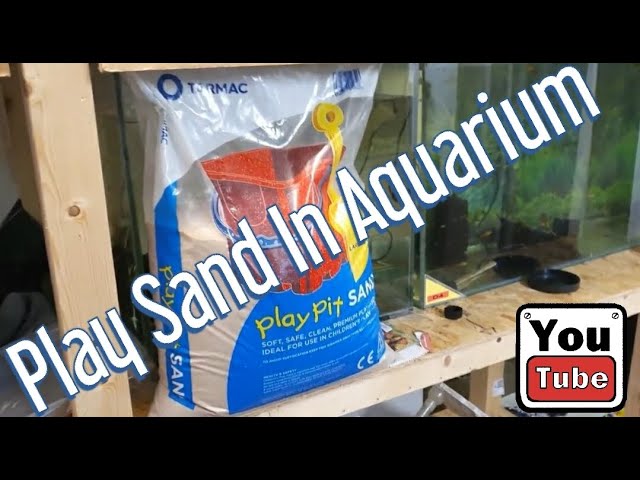
Convinced that sand is the right choice for you? Getting started is easy, but a little preparation goes a long way. There are several types of sand you can use, including specialized aquarium sands, pool filter sand, and even play sand. For beginners, I recommend either a commercial aquarium sand or pool filter sand, as they are generally clean and have a uniform grain size.
The single most important step is to rinse your sand thoroughly before adding it to the tank. I can't stress this enough. My first time, I was impatient and only gave it a quick rinse. My tank was a cloudy mess for over a week! To do it right, put a portion of the sand in a bucket and run water through it, stirring it with your hand until the water runs clear. It takes time, but it’s worth it to avoid a cloudy tank later.
When adding the sand to your aquarium, do it gently to avoid kicking up dust. A great trick is to place a small plate or bowl on the bottom of the tank and slowly pour the sand onto it, letting it spread out softly. If you're adding it to a tank that already has water, this method works perfectly to minimize cloudiness. This preparation is a key part of understanding why use sand in aquarium maintenance successfully.

Common Concerns and How to Address Them
Many newcomers to sand substrates have a few common fears. Fortunately, these are almost always based on myths or are easily managed with the right techniques. Addressing these concerns is a vital part of explaining why use sand in aquarium set ups is not as difficult as some people think.
Will Sand Clog My Filter?
This is perhaps the most common worry. The short answer is no, not if you're careful. Very fine sand can get sucked into a filter intake, but this is simple to prevent. When doing water changes or moving decorations, simply turn your filter off. For extra peace of mind, you can place a pre-filter sponge over your filter’s intake tube. This sponge will block any stray sand grains while providing even more surface area for beneficial bacteria.
Dealing with Compaction and Anaerobic Pockets
Over time, a deep sand bed can become compacted, creating pockets without oxygen. In these anaerobic pockets, a different type of bacteria can develop that produces hydrogen sulfide gas, which is toxic to fish and creates a "rotten egg" smell. However, this is very rare in a typical home aquarium and easy to prevent.
The best solution is to keep your sand bed relatively shallow, about 1 to 2 inches deep. This is plenty for most plants and fish. You can also gently stir the top layer of sand during your weekly maintenance. Even better, add a crew of Malaysian Trumpet Snails; their natural burrowing behavior will keep the sand perfectly aerated for you.

Frequently Asked Questions of why use sand in aquarium
Is sand better than gravel for a fish tank?
For many types of fish, especially bottom-dwellers, sand is significantly better as it mimics their natural environment and prevents injuries. However, the "better" substrate depends on the specific needs of your tank's inhabitants.
Will sand get stuck in my aquarium filter?
This is a common concern but is easily preventable. Turn off your filter when adding or stirring the sand, and consider using a pre-filter sponge on the intake pipe for extra protection.
How do you clean aquarium sand?
Cleaning sand is simple. Hover a gravel vacuum about an inch above the sand's surface. This will lift fish waste and debris without sucking up the sand itself.
What is the best type of sand for an aquarium?
Pool filter sand and commercial aquarium sands are excellent choices because they are inert, meaning they won't alter your water chemistry. They also have a consistent grain size that is ideal for most setups.
Do you have to rinse aquarium sand before using it?
Yes, absolutely. Rinsing sand thoroughly until the water runs clear is a crucial step to prevent your tank from becoming cloudy when you first set it up.
Conclusion
Making the switch from gravel to sand is one of the most impactful upgrades you can make for the health and beauty of your aquarium. It provides a naturalistic look, promotes healthy fish behavior, and acts as a powerful biological filter right at the bottom of your tank. From the joy of watching corydoras forage naturally to the clean, sleek appearance it provides, the reasons why use sand in aquarium setups are clear and compelling.
Don't let the common myths or a little extra prep work hold you back. By choosing the right sand and following a few simple steps, you can create a safer, healthier, and more beautiful environment for your aquatic pets. Take a look at the fish you want to keep, consider their natural habitat, and give a sand substrate a try.
I’d love to hear about your experiences! Have you made the switch to sand? Share your tips or ask any questions in the comments below.