An aquarium air pump is vital for boosting oxygen levels and improving water circulation for healthier fish.
As an aquarist with years of experience, I’ve seen countless new hobbyists mesmerized by the gentle stream of bubbles rising in a tank. They often think it’s just for looks, but those bubbles are doing some serious heavy lifting for the ecosystem inside that glass box. If you’ve ever found yourself wondering "why use air pump in aquarium," you've come to the right place. We're going to dive deep into the crucial roles these simple devices play, moving beyond the aesthetics to uncover why they are often a non-negotiable piece of equipment for a thriving aquatic environment.

The Core Function: Oxygenation and Gas Exchange
The most common reason people wonder why use air pump in aquarium is for oxygen. While it seems like the bubbles themselves are adding oxygen to the water, that’s only a small part of the story. The real magic happens at the surface. As bubbles rise, they break the water's surface, creating constant movement and agitation.
This surface agitation is incredibly important for a process called gas exchange. It allows harmful carbon dioxide (CO2) produced by your fish to escape into the air. At the same time, it helps fresh oxygen from the air dissolve into the water. Think of it like opening a window in a stuffy room; you’re letting the bad air out and the good air in. Without this process, your fish could struggle to breathe, even in crystal-clear water.
Improving Water Circulation and Filtration
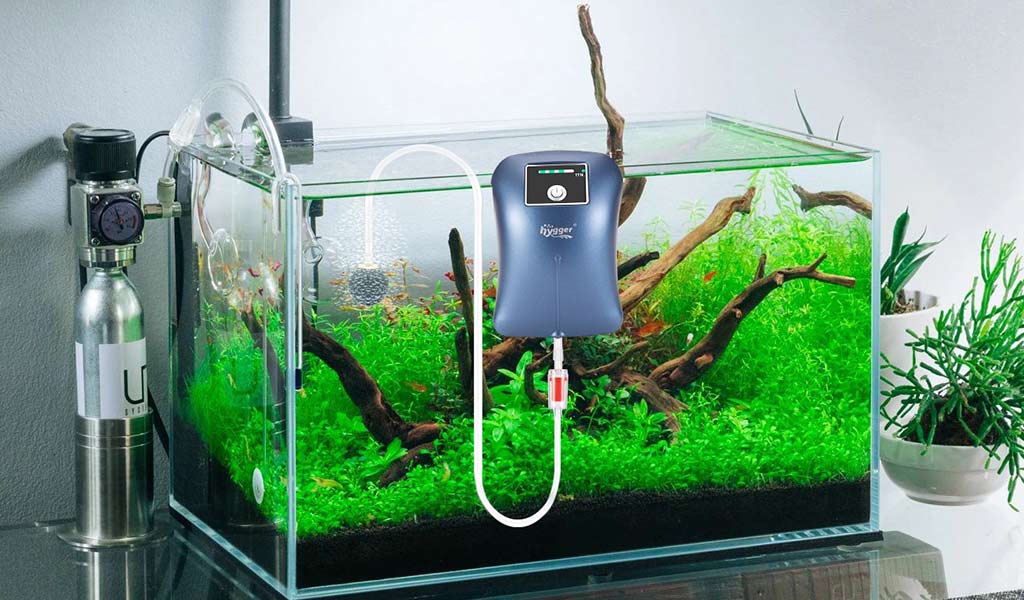
A healthy aquarium is all about movement. Stagnant water is a breeding ground for problems, from ugly algae to harmful bacteria. An air pump, connected to an air stone, creates a column of rising bubbles that pulls water up from the bottom of the tank and pushes it outwards at the top. This simple action significantly improves water circulation.
This circulation helps distribute heat evenly throughout the tank, preventing hot and cold spots. It also keeps waste particles suspended in the water column longer, allowing your main filter to grab them more easily. I once had a 20-gallon tank where one corner always seemed to collect detritus. After adding a small air stone in that corner, the problem vanished. The gentle current was just enough to keep things moving, making the entire aquarium healthier and cleaner. This shows how an air pump can be a fantastic partner to your primary filtration system.
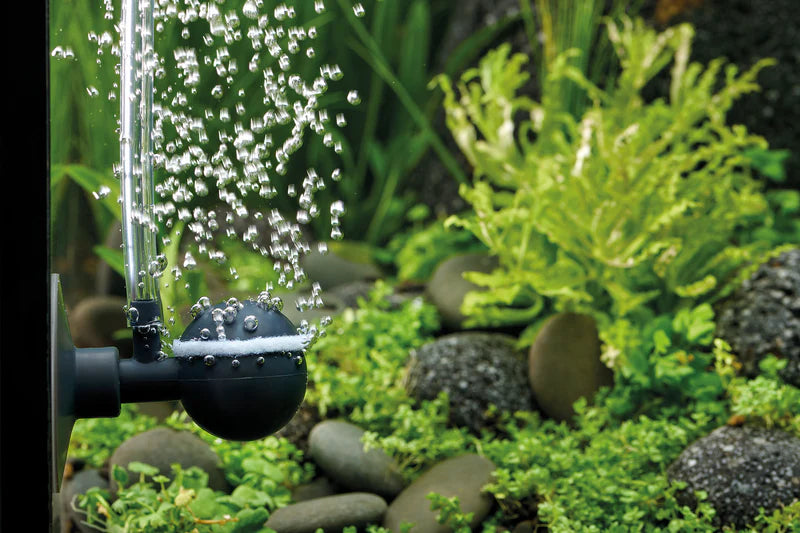
Do All Aquariums Need an Air Pump?
This is a question I get asked all the time, and the answer isn't a simple yes or no. The necessity of an air pump depends entirely on your specific setup. Understanding the reasons why use air pump in aquarium helps you make the right choice for your fish.
You most likely need an air pump if:
- Your tank is heavily stocked with fish. More fish mean a higher demand for oxygen and more CO2 being produced.
- You keep fish that require high oxygen levels, like goldfish or certain cichlids.
- The water temperature is high. Warmer water holds less dissolved oxygen, so an air pump becomes crucial during summer months.
- Your filter doesn't create much surface agitation. Filters like internal or canister filters may have an underwater outflow that doesn't ripple the surface enough.
You might not need a dedicated air pump if your aquarium has a hang-on-back or a spray bar-style filter that already creates significant surface movement. Similarly, a lightly stocked, heavily planted tank can often get enough oxygen from the plants during the day. However, even in these cases, an air pump can provide a valuable backup and improve overall water quality.

Beyond the Basics: Decorative and Functional Uses
While the primary reasons to use an air pump in an aquarium are health-related, they offer other fun and functional benefits too. Aesthetically, who doesn't love the look of a shimmering bubble wall or a treasure chest ornament that opens and closes? These decorative elements can add personality and visual interest to your tank, all powered by a simple air pump.
Functionally, air pumps are the engines behind some essential aquarium equipment.
- Sponge filters, which are fantastic for fry tanks and shrimp tanks, rely entirely on an air pump to pull water through the sponge.
- Undergravel filters also use the lift from air bubbles to circulate water through the substrate.
- In saltwater aquariums, powerful air pumps are often used to drive protein skimmers, a key piece of filtration equipment.

Choosing the Right Air Pump for Your Tank
Selecting an air pump isn't complicated, but a few considerations will ensure you get the right one. First, match the pump to your tank size. Pumps are typically rated for certain gallon ranges (e.g., up to 10 gallons, 20-40 gallons). It's always better to get a pump that's slightly more powerful than you need, as you can always dial it back.
Noise level is another huge factor. I remember the constant humming of my first cheap air pump drove me crazy. Look for models advertised as "quiet" or "silent." Many modern pumps are incredibly discreet. Finally, consider an adjustable flow control. This feature allows you to control the intensity of the bubbles, which is perfect for tanks with sensitive fish like bettas who don't appreciate strong currents. And please, don't forget a check valve! This tiny, inexpensive part prevents water from siphoning back into your pump during a power outage, saving it from damage.

Frequently Asked Questions of why use air pump in aquarium
Is an air pump the same as a filter?
No, they serve different purposes. An air pump adds oxygen and circulates water, while a filter removes physical waste and breaks down harmful ammonia and nitrites. However, an air pump can power certain types of filters, like a sponge filter.
Can an air pump be too strong for my aquarium?
Yes, it can. Too much water movement can stress certain fish, especially long-finned species like bettas or guppies. This is why choosing a pump with an adjustable flow rate is a great idea.
Do fish need an air pump at night?
It can be very beneficial. At night, live plants stop producing oxygen and start consuming it, competing with your fish. Running an air pump at night ensures oxygen levels remain stable when they are most likely to drop.
How do I know if my fish need more oxygen?
A classic sign is fish gasping for air at the water's surface. They may also become lethargic or breathe rapidly. If you see these behaviors, increasing surface agitation with an air pump is a good first step.
Does a planted tank need an air pump?
It depends. While plants produce oxygen during the day, they consume it at night. Running an air pump at night can prevent oxygen dips and improve CO2 off-gassing, creating a more stable environment for both your plants and fish.
Conclusion
The humble air pump is far more than just a bubble-making machine for decoration. It is a key player in creating a healthy, stable, and thriving underwater world. From ensuring your fish have enough oxygen to breathe to improving circulation and supporting your filter, the reasons why use air pump in aquarium are clear and compelling. It’s an inexpensive piece of equipment that provides immense peace of mind.
Take a look at your aquarium today. Observe the water's surface and the movement within the tank. A small investment in an air pump could be the single best upgrade you make for the long-term health and happiness of your aquatic pets. What are your experiences with air pumps? Share your thoughts or questions in the comments below