Testing for chlorine in tap water is crucial to prevent harming aquarium life. Chlorine, commonly present in tap water for disinfection, can pose significant risks to fish and aquatic plants. It's essential to ensure that any water added to an aquarium is free from harmful levels of chlorine to maintain a safe environment for aquatic life.
As an aquarium enthusiast, understanding why testing for chlorine is vital ensures you provide the best care for your aquatic friends. This article delves into the significance of chlorine testing, highlighting its impact on aquariums and offering practical insights. By the end, you'll see how a simple test can make a world of difference in the health and happiness of your aquatic ecosystem.
The Importance of Testing for Chlorine in Tap Water
Chlorine is added to municipal water supplies to eliminate harmful pathogens. While this is beneficial for human consumption, it presents a serious threat to aquariums. Fish and other aquatic organisms are highly sensitive to chlorine, which can cause stress, gill damage, or even death. Therefore, regular testing is essential to prevent these adverse effects.
Understanding Chlorine's Impact
When chlorine is present in tap water, it disrupts the delicate balance required for a thriving aquarium environment. Fish gills are particularly vulnerable to chlorine, leading to respiratory distress. Similarly, beneficial bacteria that help maintain water quality can be killed off, resulting in an unhealthy tank environment.
Testing Methods
There are several methods to test chlorine levels:
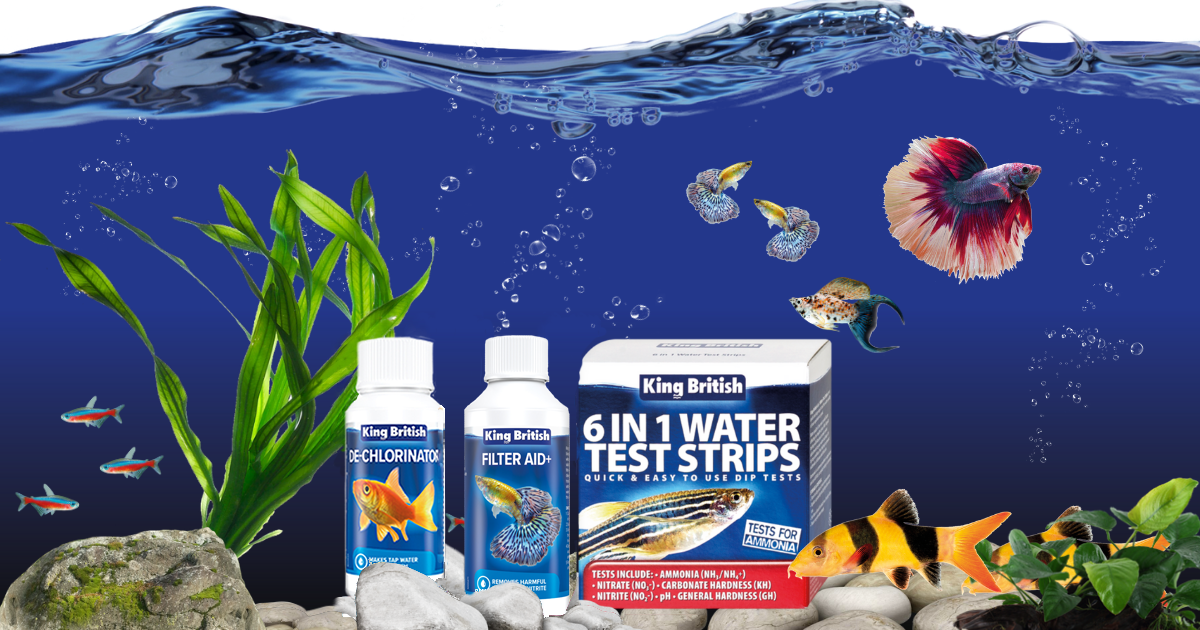
- Test Strips: Quick and easy to use, they provide a general indication of chlorine levels.
- Digital Testers: Offer precise measurements, helping you make informed decisions.
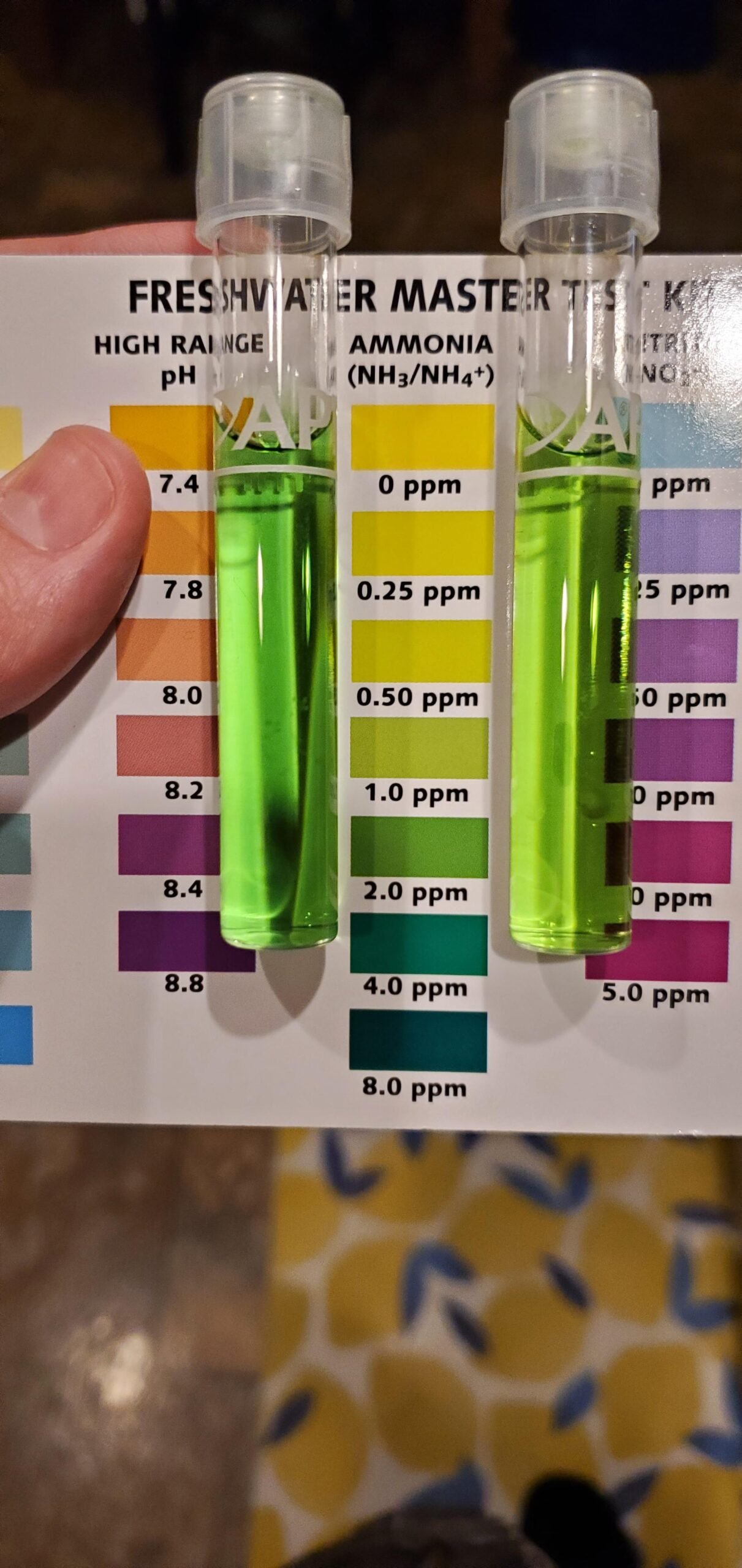
- Chemical Test Kits: Provide accurate readings through a simple chemical reaction in the water sample.
Real-Life Impacts
In my experience, overlooking chlorine testing once resulted in significant stress for my fish, leading to illness. A small investment in a testing kit since then has ensured a thriving marine community, highlighting how essential this practice is.
Practical Steps to Dechlorinate
- Dechlorination Agents: Add these to neutralize chlorine before adding tap water to the aquarium.
- Aging the Water: Letting water sit for 24-48 hours allows chlorine to evaporate naturally.
- Using Water Conditioners: These condition the water by neutralizing chlorine, ensuring it's safe for aquatic life.

Frequently Asked Questions of Why is it Important to Test for Chlorine in Tap Water Before Adding it to an Aquarium
How do I test for chlorine in tap water?
You can use test strips, digital testers, or chemical kits to measure chlorine levels quickly and accurately.
What are the risks of chlorine in aquariums?
Chlorine can cause respiratory issues, stress, and illness in fish, while also killing beneficial bacteria.
How often should I test tap water for chlorine?
It's advisable to test every time you add new water to your aquarium to ensure safety.
Can leaving water to sit remove chlorine?
Yes, allowing water to sit for 24-48 hours can help chlorine evaporate.
What if I skip chlorine testing just once?
Even a single oversight can lead to stress or illness in fish, so consistent testing is crucial.
Conclusion
Understanding and testing for chlorine in tap water is indispensable for any aquarium owner. By ensuring that water is free from harmful levels of chlorine, you protect the delicate ecosystems within your tank. Take these precautions seriously to enjoy a thriving aquatic environment where your fish and plants can flourish.
Start incorporating these tips into your routine today for better aquarium health. Subscribe for more insights, or leave a comment to share your experiences!