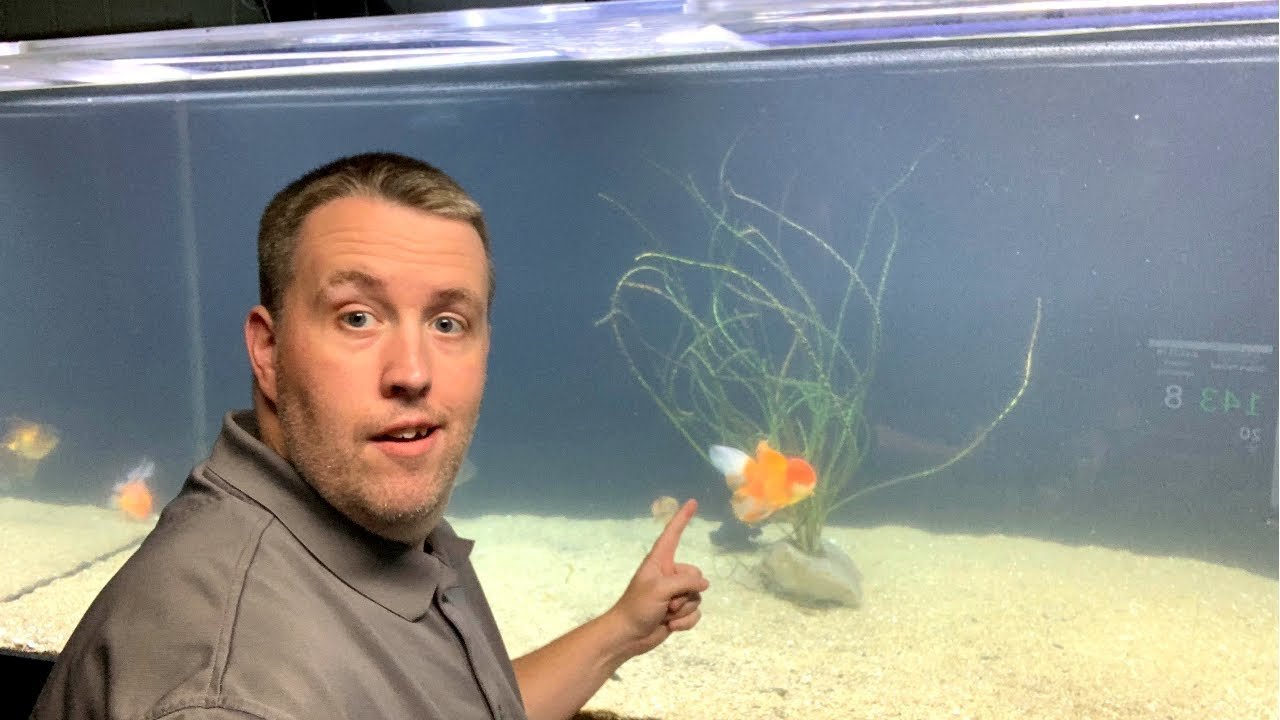
Your aquarium water is not clear due to an imbalance, often from a bacterial bloom, algae, or floating debris.
Staring into a cloudy fish tank can be incredibly frustrating. You've spent time and effort creating a beautiful underwater world, only to have it obscured by a murky haze. As someone who has spent years in the aquarium hobby, I know that feeling of helplessness well. But don't worry. Understanding why my aquarium water is not clear is the first step to fixing it for good. This guide will walk you through diagnosing the cause of your cloudy water and provide simple, effective steps to restore that crystal-clear view you've been dreaming of.
:strip_icc()/cloudy-aquarium-water-1378803-3736ff0eb5b34aa0907ae9df2882a86e.png)
Identifying the Color of Your Cloudy Water: The First Clue
Before you can fix the problem, you need to play detective. The color of the cloudiness is your biggest clue to understanding why my aquarium water is not clear. Each color points to a different underlying issue, so take a close look at your tank. Is the water milky, green, or more of a brownish tint?
White or Milky Water
This is by far the most common type of cloudy water, especially in new aquariums. This milky haze is almost always caused by a "bacterial bloom." Don't panic; this is a natural part of your tank's maturing process. It’s a population explosion of beneficial bacteria that are trying to establish themselves in your filter and on surfaces to process fish waste. While it looks alarming, it's usually harmless to your fish and will resolve on its own.
Green Water
If your tank looks like pea soup, you're dealing with an algae bloom. This is caused by microscopic, free-floating algae called phytoplankton. The two main ingredients for an algae bloom are too much light and an excess of nutrients, specifically nitrates and phosphates. This often happens if your tank is near a window receiving direct sunlight or if the aquarium lights are left on for too long.
Brown or Yellow Water
Brown or yellow water is typically caused by one of two things. It could be tannins leaching from new driftwood. Tannins are natural compounds that stain the water, similar to how a teabag colors hot water. This is not harmful and can even be beneficial for some fish species. Alternatively, brown water can be caused by fine debris and detritus stirred up from the substrate, indicating a need for better mechanical filtration or a good gravel vacuuming.

The Most Common Culprit: New Tank Syndrome and Bacterial Blooms
Let's dive deeper into that milky water. If you're asking, "why my aquarium water is not clear" and your tank is less than a few months old, a bacterial bloom is the likely answer. When you first set up an aquarium, it's a sterile environment. As you add fish, they produce waste in the form of ammonia, which is toxic.
Nature's solution is beneficial bacteria. One group of bacteria consumes the ammonia and converts it into nitrite (also toxic). Then, a second group of bacteria consumes the nitrite and converts it into nitrate (much less toxic). This whole process is called the nitrogen cycle. During the initial stages, the bacteria that consume ammonia can multiply very rapidly, causing a visible "bloom" that clouds the water.
I remember my very first tank. I set it up, added fish a few days later, and within a week, I couldn't see them through the milky haze. I thought I had done something terribly wrong. But after a bit of research and a lot of patience, the water cleared up on its own in about ten days as the second group of bacteria caught up and the cycle stabilized. The key is to not interfere too much. Avoid massive water changes or adding chemicals, as this can disrupt the process and make it take even longer.
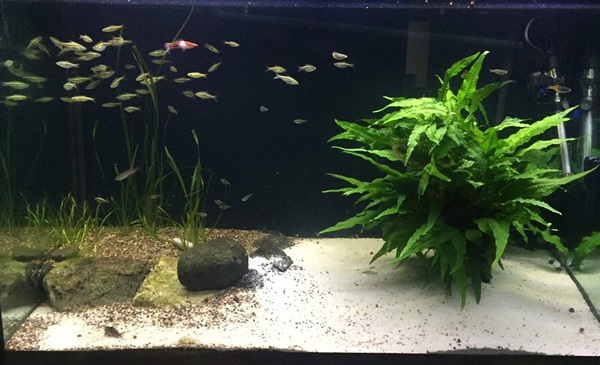
Green with Envy? Battling Algae Blooms
Green water can be one of the most stubborn types of cloudy water. The tiny algae causing it can multiply with incredible speed, turning your tank from clear to green in just a couple of days. The root cause is always an imbalance of light and nutrients.
Think of your aquarium as a garden. If you provide too much fertilizer (fish food, waste) and too much sun (aquarium light), the weeds (algae) will grow out of control. To fix this, you need to cut off the algae's supply line.
Start by reducing the amount of light your tank receives.
- Cut the lighting period down to 6-8 hours a day.
- If your tank is near a window, consider moving it or blocking the sunlight.
- Perform regular water changes to reduce the level of nitrates and phosphates in the water.
- Be careful not to overfeed your fish, as uneaten food breaks down and becomes algae fuel.

Decoding Brown and Yellow Water: Tannins and Debris
Brown or yellow water often looks more concerning than it is. If you've recently added a piece of driftwood, you're almost certainly seeing tannins. These organic compounds create a "blackwater" effect, mimicking the natural habitat of many fish like tetras, discus, and bettas. They can lower the pH slightly and have mild antibacterial properties. If you don't like the look, you can reduce it by boiling the wood before adding it to the tank or by using activated carbon in your filter.
If the brown tint isn't from tannins, it's likely suspended particles. This can happen if you've just done a deep clean and stirred up the gravel, or if your filter's mechanical media (the sponge or floss) is clogged and no longer trapping fine debris. A good gravel vacuum during your next water change and rinsing your filter sponge in old tank water can quickly solve this problem and help you figure out why my aquarium water is not clear.
How Your Habits Might Be the Problem
Sometimes, the answer to "why my aquarium water is not clear" lies in our own routine. Our well-intentioned actions can inadvertently create the perfect conditions for cloudy water. Here are a few common habits that might be contributing to the problem.
- Overfeeding Your Fish: This is the number one mistake in the hobby. Fish should only be fed what they can consume in about one or two minutes. Excess food sinks to the bottom, rots, and releases ammonia and phosphates, which fuel both bacterial and algae blooms.
- Inadequate Filtration: Your filter is the heart of your aquarium. If it's too small for your tank size or the number of fish you have, it can't effectively remove waste and debris from the water column. Ensure your filter is rated for your tank size and is running properly.
- Infrequent Water Changes: Regular partial water changes (about 25% weekly) are crucial for removing nitrates and other dissolved waste products from the water. Skipping them allows nutrients to build up, providing a feast for algae and contributing to poor water quality.
- Disturbing the Substrate: While gravel vacuuming is important, aggressively stirring up the entire substrate bed at once can release a massive amount of trapped detritus and organic matter into the water, causing it to become cloudy. It's better to clean a portion of the substrate with each water change.

Your Step-by-Step Action Plan for Crystal Clear Water
Feeling overwhelmed? Don't be. Here is a simple, step-by-step plan to tackle cloudy water and get your tank looking its best.
- Test Your Water Parameters: The first step is to know what's going on in your water. Use a liquid test kit to check for ammonia, nitrite, and nitrate levels. High ammonia or nitrite with milky water confirms a bacterial bloom. High nitrates with green water point to an algae issue.
- Perform a Partial Water Change: A 25-30% water change is a great first move. It helps dilute the nutrients that fuel algae and the organic waste that can contribute to bacterial blooms. Be sure to use a dechlorinator on the new water.
- Clean Your Filter (The Right Way): Your filter media houses your beneficial bacteria. Never rinse it with tap water, as the chlorine will kill the bacteria. Instead, gently swish the sponge or media in the old tank water you removed during your water change to dislodge debris without harming your biological filter.
- Adjust Your Lighting and Feeding Schedule: Cut back your light to 6-8 hours per day. Reduce feeding to a small pinch once a day. This simple change starves algae and reduces the amount of waste in the tank.
- Be Patient and Let the Tank Settle: This is especially important for bacterial blooms. Your tank's ecosystem needs time to find its balance. Resist the urge to use chemical "clarifiers" or to perform daily massive water changes. Patience is often the best tool an aquarist has.
Frequently Asked Questions of why my aquarium water is not clear
How long does it take for cloudy aquarium water to clear?
A bacterial bloom in a new tank typically clears on its own in 5 to 10 days as the nitrogen cycle stabilizes. Cloudy water from debris can clear in a few hours with good filtration, while green water may take a week or more to resolve after you've addressed the light and nutrient issues.
Can I use a chemical water clarifier to fix my cloudy water?
While clarifiers can work, they are a temporary fix that doesn't address the root cause of the problem. These products clump small particles together so the filter can grab them, but the underlying issue (like overfeeding or too much light) will just cause the cloudiness to return.
Will adding more fish help or hurt my cloudy water?
Adding more fish to a cloudy tank is almost always a bad idea. More fish mean more waste, which will only add more fuel to a bacterial bloom or algae problem. Wait until your water is consistently clear and your parameters are stable before adding new tank mates.
Is cloudy water harmful to my fish?
Milky water from a bacterial bloom is generally not harmful, though the underlying ammonia and nitrite that cause it can be. Green water from algae is also not directly harmful, but it can reduce oxygen levels at night. The most important thing is to test your water to ensure ammonia and nitrite levels are at zero.
Why is my established aquarium suddenly cloudy?
If a mature tank suddenly turns cloudy, it usually indicates a mini-cycle or disturbance. This could be caused by over-cleaning the filter and killing too many beneficial bacteria, a large fish dying unnoticed, or significant overfeeding. Test your water immediately for ammonia and nitrite.
Conclusion
Realizing why my aquarium water is not clear is a journey every fishkeeper takes. It's rarely a sign of failure but rather a signal that your aquarium's delicate ecosystem is adjusting. By identifying the color of the water, understanding the underlying cause—whether it's a bacterial bloom, an algae takeover, or simply debris—and adjusting your care routine, you can solve the problem effectively. The keys are patience, observation, and consistent maintenance.
Now you have the knowledge to turn that murky tank back into the stunning, crystal-clear centerpiece it was meant to be. Take these steps, trust the process, and watch your underwater world thrive. What has been your biggest challenge with cloudy water? Share your experience in the comments below