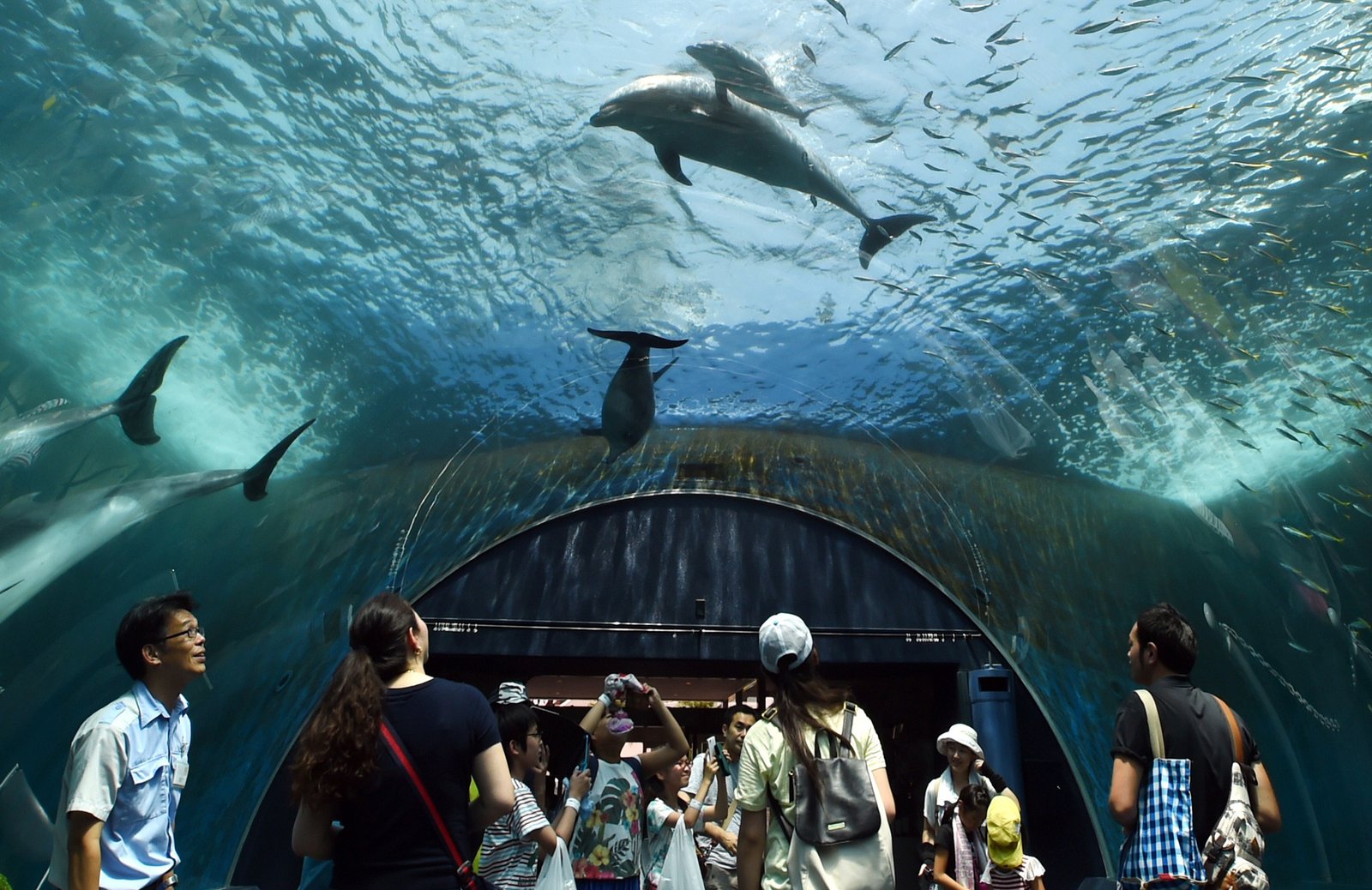
The Baltimore Aquarium ended its dolphin show to prioritize the animals' health and move them to a seaside sanctuary.
If you’ve visited Baltimore's famous National Aquarium recently, you might have noticed something missing: the classic, high-energy dolphin show. It’s a question many people ask, and as someone who has followed the world of marine conservation for years, I've seen this question pop up time and time again. The decision wasn't made overnight. It was the result of years of research, a deep understanding of dolphin needs, and a courageous step toward redefining the role of a modern aquarium. This article will walk you through the complete story, exploring exactly why no dolphin show at baltimore aquarium is a reality today and what this groundbreaking change means for the future of animal care.
A Groundbreaking Shift: From Entertainment to Welfare
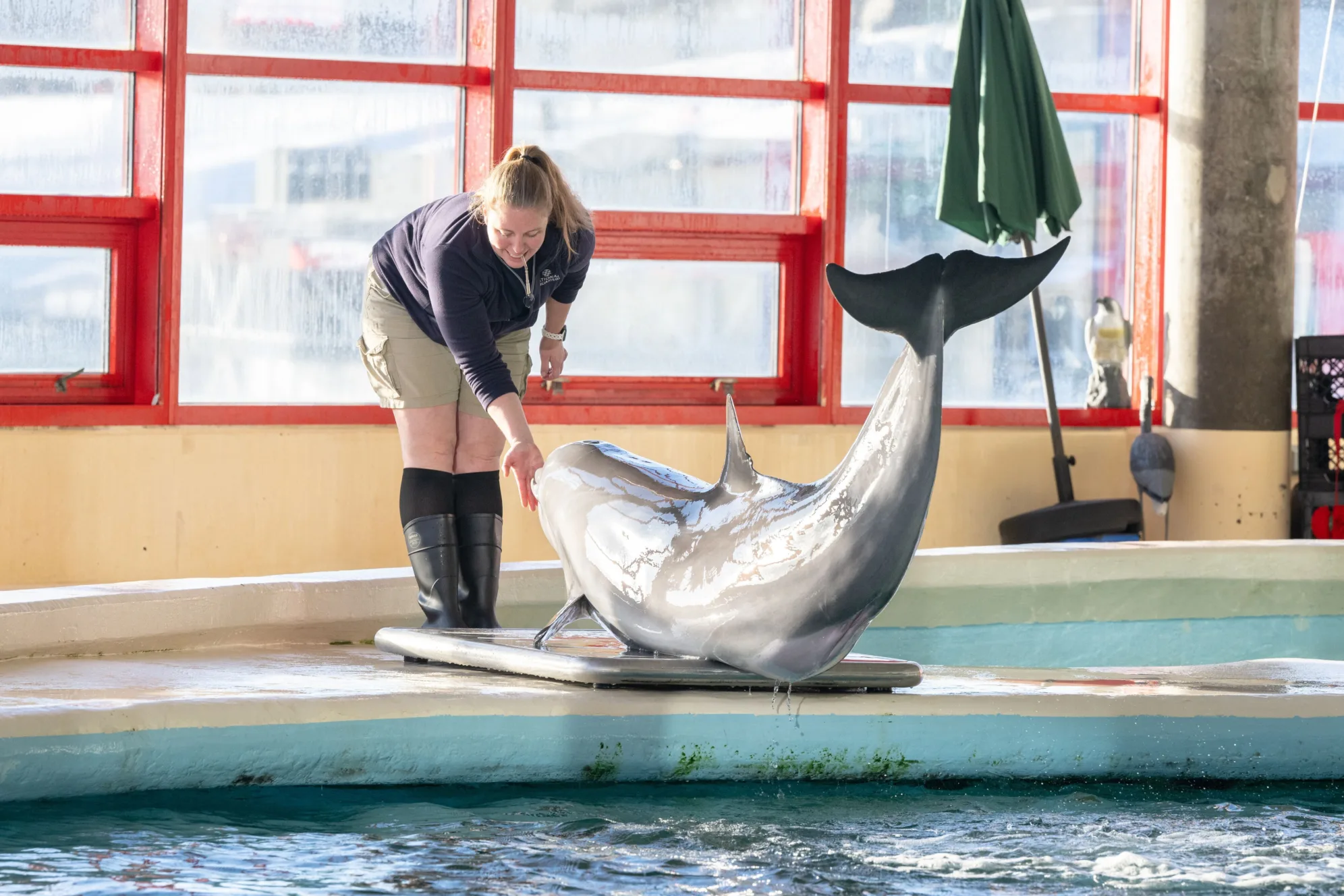
For decades, the dolphin show was a main attraction at the National Aquarium. I remember the excitement of seeing these intelligent creatures leap through the air. But behind the scenes, a different conversation was happening. The leadership and animal care specialists at the aquarium were looking closely at what science was telling us about dolphins. We now understand that dolphins are incredibly intelligent, social, and complex animals. Their brains are wired for a life in the vast, dynamic ocean.
The decision to phase out the traditional dolphin show stemmed from this evolving understanding. The aquarium recognized that a concrete pool, no matter how large, couldn't replicate the challenges and richness of a natural ocean environment. The choreographed performances, while entertaining for us, weren't fulfilling for the dolphins. This shift in thinking is at the heart of why no dolphin show at baltimore aquarium exists today. It was a move away from seeing these animals as performers and toward treating them as the sentient beings they are, deserving of a life that caters to their natural instincts.
The announcement in 2016 was a landmark moment for aquariums in North America. It set a new standard for animal welfare, prioritizing the psychological and physical well-being of the dolphins over the demands of a traditional show format. This brave step acknowledged that the best way to care for these animals was to plan for a future beyond their current enclosure.

The Journey to a Seaside Sanctuary
Ending the shows was only the first step. The aquarium's ultimate goal was far more ambitious: to create the first-ever seaside sanctuary for its colony of bottlenose dolphins. This wasn't about simply releasing them into the wild, as these dolphins were born in human care and wouldn't have the skills to survive. Instead, the plan was to build a protected, natural habitat in an ocean setting. Imagine a large, netted-off sea cove where the dolphins could experience natural tides, swim with fish, and live in a more dynamic environment.
Finding the perfect location has been a monumental task. The team has searched for years for a spot with the right water quality, protection from storms, and a climate suitable for the dolphins year-round. It's a complex puzzle involving logistics, environmental science, and animal health. This long-term commitment shows the deep reasoning behind why no dolphin show at baltimore aquarium is part of a much bigger, more meaningful plan.
Creating this sanctuary is a pioneering effort. It provides a model for other facilities with cetaceans that cannot be returned to the wild. It’s a testament to the aquarium’s dedication to providing the best possible life for its animals, even if it means undertaking a project of unprecedented scale and difficulty. The journey is long, but the destination promises a new chapter for these beloved animals.
What Life is Like for the Dolphins Now
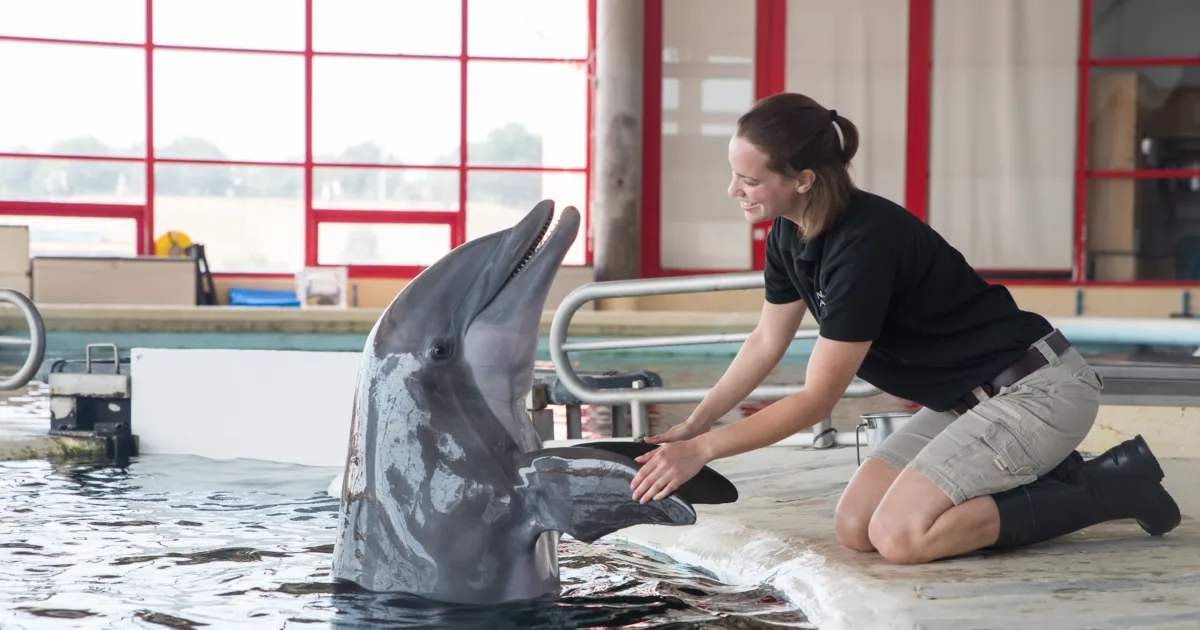
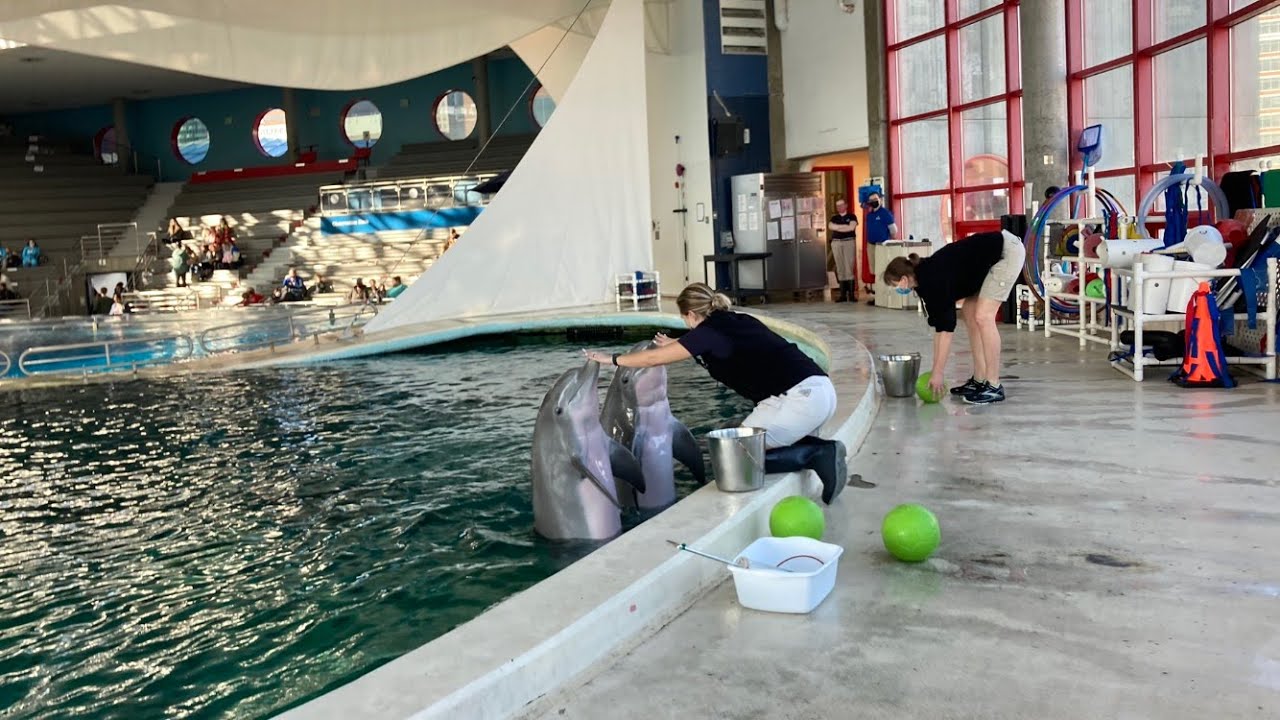
While the sanctuary is still in the works, you can still see the dolphins at the National Aquarium. However, the experience is completely different now. The former stadium-style amphitheater has been transformed into a more educational and naturalistic setting. The focus has shifted from performance to connection and learning. Instead of watching dolphins perform tricks on command, visitors can now observe them interacting with each other and their environment in a program called "Dolphin Discovery."
During these presentations, trainers—now better described as animal care specialists—engage with the dolphins in ways that showcase their natural behaviors. You might see them playing, communicating, or participating in healthcare checks. It’s a calmer, more authentic experience that highlights the incredible bond between the animals and their caregivers. This new approach directly answers the question of what replaced the old shows, and it reinforces the aquarium's commitment to welfare.
This interim habitat allows the dolphins to live in a more enriching environment while the final sanctuary is being prepared. It also gives the public a chance to learn about why no dolphin show at baltimore aquarium is a positive change. It educates visitors about dolphin intelligence, social structures, and the importance of conservation, all without the need for theatrical performances.

The Broader Impact on Aquariums and Animal Welfare
The National Aquarium's decision did not happen in a vacuum. It was part of a larger, global conversation about the ethics of keeping intelligent animals like dolphins and whales in captivity. Public perception has shifted dramatically over the last couple of decades, partly fueled by documentaries that raised awareness about the challenges these animals face in artificial environments. People began asking tougher questions about the role of aquariums and zoos.
By ending its dolphin show, the Baltimore Aquarium positioned itself as a leader in the industry. It sent a powerful message that an institution's primary mission should be conservation and animal welfare, not just entertainment. This move has encouraged other facilities around the world to re-evaluate their own practices. It has sparked conversations about creating more naturalistic habitats and exploring retirement options like sanctuaries for animals that have spent their lives in human care.
This is arguably the most important part of the story of why no dolphin show at baltimore aquarium matters so much. It represents a turning point, demonstrating that change is possible. It proves that an aquarium can thrive by focusing on education, research, and providing the highest possible standard of care, setting a new, compassionate benchmark for the future.
Frequently Asked Questions of why no dolphin show at baltimore aquarium
Can you still see the dolphins at the National Aquarium?
Yes, you can still see the dolphins in their habitat at the Marine Mammal Pavilion. The experience has changed from a show to an educational presentation called "Dolphin Discovery," where you can observe their natural behaviors.
Why did it take so long to stop the dolphin shows?
The decision was complex and required years of research, planning, and a significant financial commitment. The aquarium had to develop a long-term plan for the dolphins' future, including the pioneering concept of a seaside sanctuary.
Where is the new dolphin sanctuary?
The National Aquarium is still in the process of finalizing the location for the dolphin sanctuary. They have explored several sites in Florida and the Caribbean to find the perfect environment that meets all the dolphins' health and safety needs.
Are other aquariums following Baltimore's example?
Yes, the National Aquarium's decision has influenced other institutions worldwide to reconsider their cetacean programs. Many are now focusing more on education and natural habitats rather than theatrical shows.
Was the decision to end the show controversial?
While the decision was widely praised by animal welfare organizations and much of the public, it was a major change for an institution known for its show. However, the aquarium's transparent communication about its welfare-first mission helped build strong support for the transition.
Conclusion
The story of why no dolphin show at baltimore aquarium is ultimately a story of progress, ethics, and a deep respect for the natural world. By moving away from entertainment and toward a model of welfare and sanctuary, the National Aquarium has not only changed the lives of its dolphins but has also set a powerful example for others to follow. It's a reminder that our understanding of animals is always evolving, and with that knowledge comes a responsibility to do better.
As you plan your next visit to an aquarium or zoo, consider supporting institutions that put the well-being of their animals first. Your choices as a visitor can help encourage a more compassionate and sustainable future for all animals in human care. We’d love to hear your thoughts on this important topic, so feel free to leave a comment below