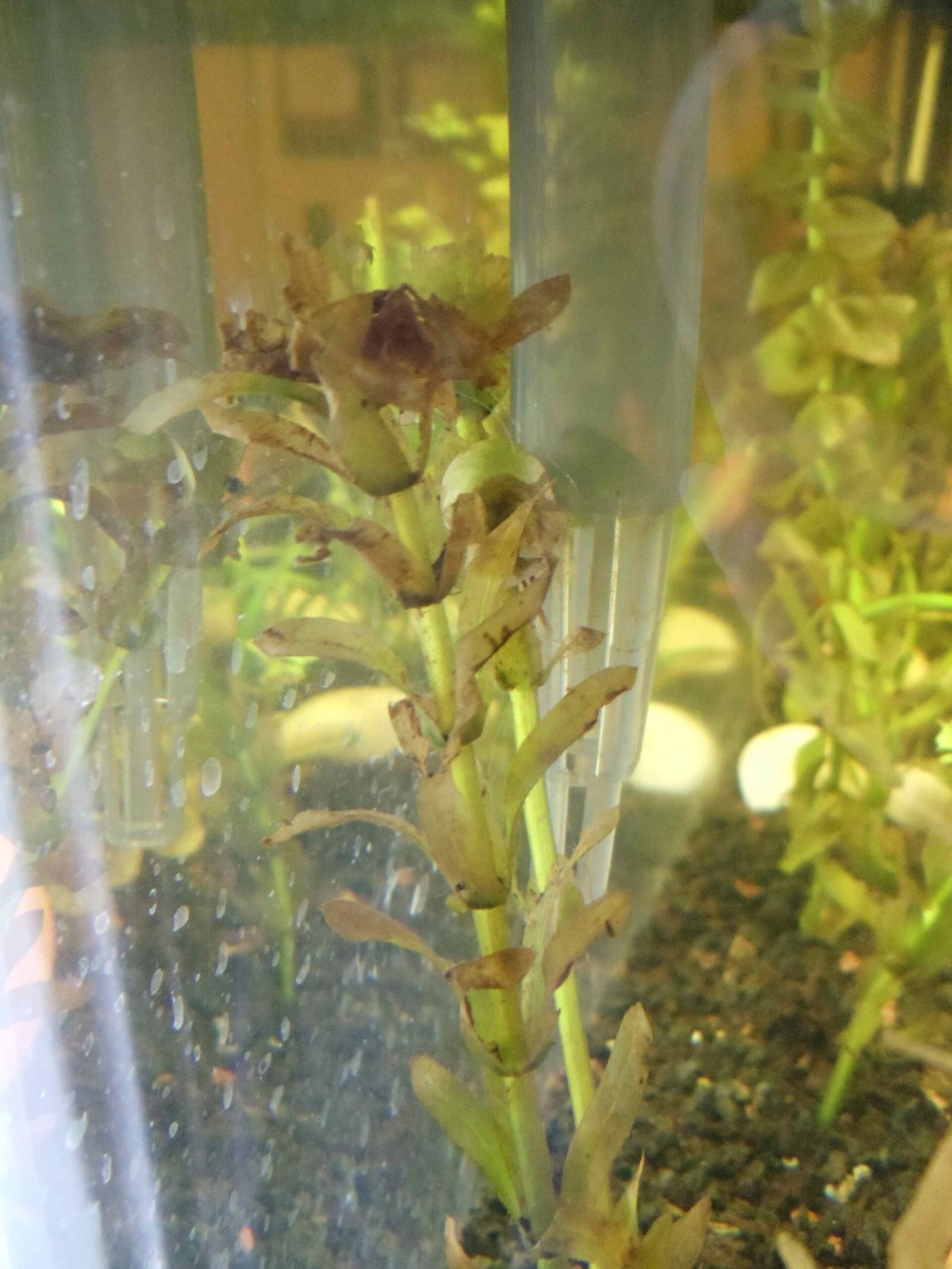
Aquarium plants often melt because of acclimation shock, poor lighting, or a lack of essential nutrients.
It is one of the most discouraging sights for any aquarium hobbyist. You spend time and money picking out beautiful, lush green plants, only to watch them turn into a brown, mushy mess a week later. I have been there, and I know that feeling of frustration. It can make you want to give up on live plants altogether. But before you switch to plastic, let me assure you that this is a common problem with clear solutions. This guide will walk you through exactly why your aquarium plants are melting and provide simple, actionable steps to turn your tank into the thriving underwater garden you envisioned.

What is Aquarium Plant "Melting"?
First, let's clarify what "melting" actually is. It is not a disease. Instead, it is a term aquarists use to describe a plant rapidly decaying and falling apart. The leaves might become transparent, turn to mush, and detach from the stem. Think of it as the plant's emergency response to severe stress. Instead of slowly dying, it sheds its existing leaves to conserve energy, hoping to survive and grow new ones better suited to its new environment. Understanding this process is the first step in figuring out why my aquarium plants are melting and how to fix it.
The Number One Culprit: Acclimation Shock
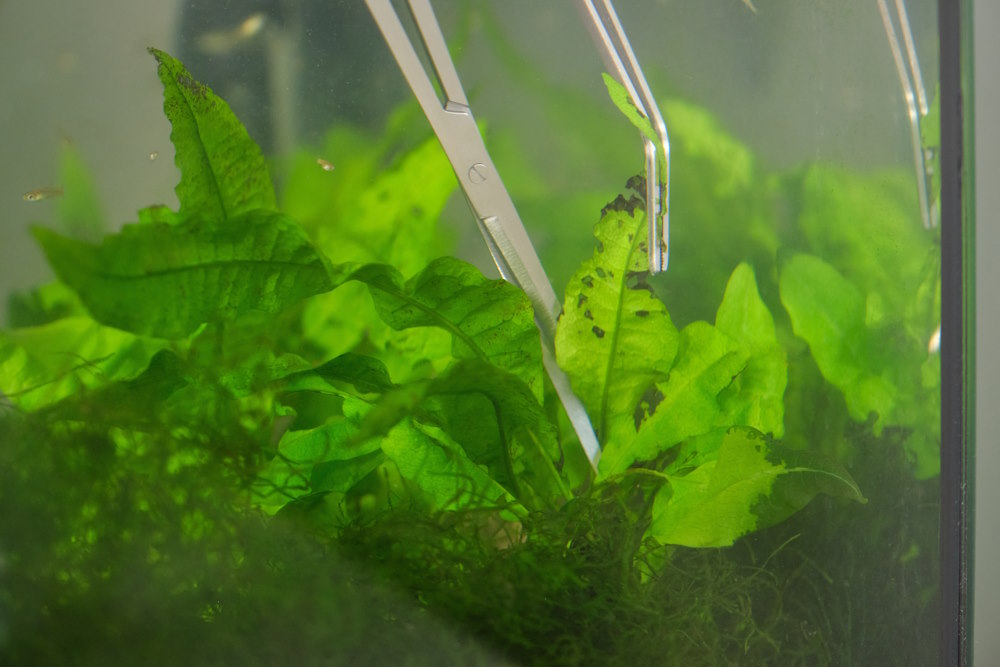
The most common reason for plant melt, especially with new additions, is acclimation shock. Many plants sold in stores are grown emersed, which means their leaves are in the open air while their roots are in water. This method allows them to grow faster and stronger. However, leaves grown in the air are very different from leaves grown underwater. When you submerge these plants in your aquarium, they must shed their old leaves and grow entirely new ones adapted for life underwater. This transition process looks exactly like melting. I remember this happening with my first Cryptocoryne wendtii; it lost every single leaf, and I was sure it was dead. But a few weeks later, tiny new leaves started sprouting from the base. Patience is key here. Do not throw the plant away. Trim off the decaying parts to prevent them from fouling the water, and give the plant time to adjust. This acclimation period is the top answer to the question of why my aquarium plants are melting.
Lighting: Too Much or Too Little?
Lighting is the engine that drives plant growth through photosynthesis. Getting it wrong is a frequent cause of trouble. Both insufficient and excessive light can lead to problems, so finding the right balance for your specific plants is crucial. An imbalance in lighting is a very common reason why my aquarium plants are melting.
Inadequate Lighting
If your plants are not getting enough light, they simply cannot produce enough energy to survive. You might see them growing tall and spindly, a process called etiolation, as they stretch toward the light source. Soon after, their lower leaves will start to yellow and decay. This is one of the most straightforward reasons why my aquarium plants are melting. The fix is to ensure you have a light designed for growing aquatic plants and that it runs for about 6 to 8 hours a day.
Excessive Lighting
Surprisingly, too much light can be just as bad. Blasting your tank with intense light for long hours without providing enough nutrients and CO2 is a recipe for disaster. The plants cannot keep up with the demand for growth, and this stress can cause them to melt. More commonly, the excess light fuels a massive algae bloom, which can coat your plant leaves, block them from getting any light, and suffocate them, leading to decay.

Nutrient Deficiencies: Are Your Plants Starving?
Just like any living thing, aquarium plants need food to thrive. These nutrients come in two main forms: macronutrients and micronutrients. If even one key nutrient is missing, it can halt growth and cause your plants to deteriorate. This starvation is a hidden but significant factor for why my aquarium plants are melting.
Substrate Issues
Many popular aquarium plants, like Amazon Swords and Cryptocorynes, are heavy root feeders. They absorb most of their nutrients through their roots. If you have planted them in an inert substrate like plain gravel or sand, they are essentially planted in a food desert. They will use up their stored energy and then begin to melt away. The easiest solution is to insert root tabs into the substrate near the base of these plants, providing a long-lasting source of nutrition right where it is needed.
Water Column Fertilization
Other plants, such as Anubias, Java Fern, and most stem plants, pull their nutrients directly from the water through their leaves and stems. An aquarium with just fish waste often does not provide all the necessary nutrients in the right balance. Using a comprehensive liquid fertilizer ensures these plants get everything they need to flourish. A lack of these vital elements in the water explains why my aquarium plants are melting even when the substrate is good.
The CO2 Conundrum
Carbon is the primary building block for plant life. In nature, water has a much higher concentration of dissolved carbon dioxide (CO2) than the average home aquarium. While many low-light plants can survive without supplemental CO2, its absence can be the limiting factor that prevents them from thriving. Without sufficient carbon, plants cannot effectively use the light and nutrients you provide. This imbalance can cause weak growth and eventually lead to melting, especially in tanks with medium to high lighting. For many struggling aquarists, understanding the role of carbon is the final piece of the puzzle in solving why my aquarium plants are melting. Using a liquid carbon supplement can be a good starting point for low-tech tanks.

Other Potential Causes of Melting Plants
If you have addressed the big three—acclimation, lighting, and nutrients—and are still wondering why my aquarium plants are melting, a few other factors could be at play. It is important to look at the whole system to find the root cause.
- Poor water circulation. Stagnant water can create dead spots where nutrients are not delivered to plants and waste is not carried away.
- Incorrect water parameters. Extreme pH or water hardness levels can stress plants and inhibit their ability to absorb nutrients.
- Damage from fish. Some fish, like large plecos or goldfish, are known to munch on or uproot plants, causing damage that looks like melting.
- Plant-specific needs. Some plants are simply more difficult than others and may require specific conditions that your tank does not provide.

Frequently Asked Questions of why my aquarium plants are melting
Can melting plants recover?
Yes, in many cases, they can. As long as the root system or rhizome is healthy, the plant often has enough stored energy to grow new leaves once the environmental stressor is corrected.
How long does it take for new plants to stop melting?
The acclimation period, or "melting phase," for new plants can last anywhere from one to four weeks. Be patient and look for signs of new, small leaf growth as an indicator of recovery.
Should I remove the melting leaves from my aquarium plants?
Yes, it is best to trim away any leaves that are heavily decayed. This prevents them from rotting in your tank, which can release ammonia and negatively impact your water quality.
Do I need CO2 to stop my plants from melting?
Not always. Many beginner plants like Anubias, Java Fern, and some Cryptocorynes can grow well without CO2 injection. However, a lack of CO2 is often a limiting factor in tanks with higher light levels.
Why are my Amazon Sword plants melting?
Amazon Swords are heavy root feeders and often melt due to a lack of nutrients in the substrate. They also undergo a significant melt when transitioning from emersed to submerged growth.
Conclusion
Watching your beautiful aquarium plants decay can be disheartening, but it is rarely a sign of failure. More often than not, it is a solvable puzzle. By understanding the primary reasons why your aquarium plants are melting—acclimation shock, improper lighting, nutrient deficiencies, or a lack of CO2—you are already on your way to a solution. Start by observing your tank and making one adjustment at a time. Planted aquariums are a journey, not a destination, and a little patience goes a long way.
Now you have the knowledge to diagnose the problem and bring your underwater garden back to life. What has been your biggest challenge with keeping live plants? Share your experience or ask a question in the comments below