Low aquarium pH usually comes from decaying matter, CO2 buildup, and acidic source water.
I have kept and managed many tanks over a decade, so I understand why is pH low in aquarium and how it affects fish, plants, and equipment. This article dives into the root causes, clear testing methods, safe correction steps, and long-term prevention. Read on for practical tips, real-life mistakes I made, and actionable routines you can use today.

Why pH Drops in Aquariums
pH falls when acids build up or buffering weakens. In a closed aquarium, small changes compound fast. Understanding why is pH low in aquarium helps you stop problems before they harm livestock.
Common reasons include:
- Accumulation of organic waste from uneaten food and fish waste. This releases acids as it breaks down.
- Excessive carbon dioxide from poor gas exchange at the water surface. CO2 lowers pH quickly.
- Acidic tap or source water with low alkalinity. Some water supplies are naturally acidic.
- Biological processes like nitrification. Beneficial bacteria produce acids while cycling ammonia to nitrate.
- Tannins from driftwood, peat, or leaves. These leach weak acids that lower pH.
Recognizing the main drivers of why is pH low in aquarium lets you pick the right fix. Small, steady influences often matter more than dramatic one-time events.
How to Test and Track Low pH
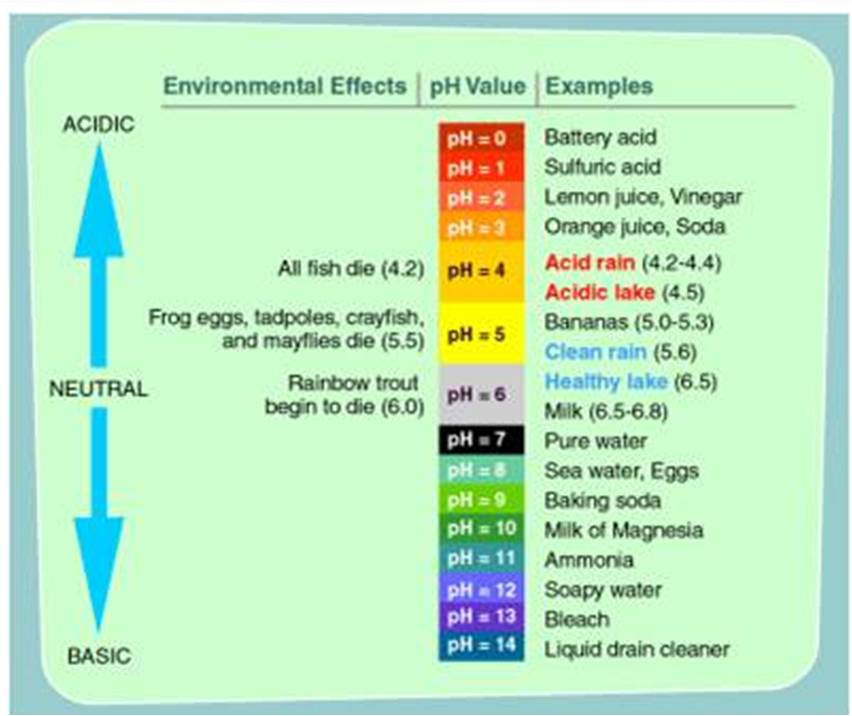
Accurate measurement is the first step when asking why is pH low in aquarium. Trustworthy tests give clear direction.
Testing basics:
- Use a reliable liquid test kit or a calibrated digital pH meter. Test strips are less accurate.
- Measure alkalinity (KH). Low KH means little buffering and more pH swings.
- Record pH at the same time each day for a week. Look for trends, not single readings.
- Check CO2 levels in planted tanks using drop checkers or by testing surface agitation.
- Confirm tap water pH and KH to know your baseline.
I once chased a mysterious pH drop for days before checking tap water. The source water was acidic and the tank had almost zero KH. Fixing source water made all other measures work.

Effects of Low pH on Fish, Plants, and Equipment
Knowing why is pH low in aquarium matters because the effects can be subtle or severe. Low pH can stress or kill animals and affect chemistry.
Key impacts:
- Fish stress, reduced immunity, and possible death when pH falls suddenly. Sensitive species show gasping or erratic swimming.
- Plant nutrient uptake can change; some nutrients become less available at very low pH.
- Metals and toxins become more soluble in acidic water, raising risk to livestock.
- Biological filtration can slow. Beneficial bacteria prefer stable pH and decent alkalinity.
I lost a pair of sensitive cichlids after a rapid pH fall. The lesson: avoid big pH swings. Slow, measured corrections save lives.

Correcting Low pH Safely
Fixing why is pH low in aquarium requires care. Sudden changes harm fish. Use gradual, proven approaches.
Safe correction steps:
- Do partial water changes with water matched for temperature and similar pH. Change 10–25% and monitor.
- Raise alkalinity with baking soda (sodium bicarbonate) in small doses. Dose slowly and re-test frequently.
- Use commercial buffers formulated for aquaria if you prefer convenience. Follow product directions carefully.
- Remove sources of acidity: skimm detritus, cut back feeding, and rinse filter mechanical media.
- Increase surface agitation and aeration to lower CO2 and help pH stabilize.
Avoid these mistakes:
- Adding lime or lime-based chemicals without testing KH. These can overshoot and cause big swings.
- Doing large, rapid water changes with mismatched water. Fish can go into shock.
- Relying only on pH-lowering/raising products as a long-term fix without addressing root causes.

Prevention and Maintenance
The best way to answer why is pH low in aquarium is to prevent drops in the first place. Stable habits reduce surprises.
Routine habits to keep pH steady:
- Test pH and KH weekly and log the results.
- Do regular partial water changes with buffered or conditioned water.
- Avoid overfeeding; remove uneaten food within minutes.
- Vacuum the substrate and clean filters on a schedule. Maintain biological media, not destroy it.
- Use decor like driftwood with caution. Pre-soak wood to reduce tannin leaching.
I set calendar reminders for weekly tests. That practice caught a slow pH drift early and avoided losses.
Tools, Products, and Natural Options
Choosing the right tool matters when investigating why is pH low in aquarium. Match the fix to your tank type and livestock.
Useful tools and products:
- Calibrated digital pH meter for frequent monitoring.
- Liquid KH test kit to measure buffering capacity.
- CO2 drop checker for planted aquaria.
- Baking soda for gentle KH increase; use small doses.
- Commercial KH/pH buffers when consistent results are needed.
- Reverse osmosis (RO) systems if tap water is consistently problematic.
Natural options:
- Dilute acidic tap water with RO or dechlorinated water.
- Use crushed coral or limestone in the filter for tanks that need a steady, slow rise in KH and pH.
My Experience and Practical Tips
From years of hobby work, I learned simple truths about why is pH low in aquarium and what grows stability.
Lessons and tips from the tank room:
- Always test your tap water before setting up a new tank. Know your baseline.
- When adding buffering agents, plan small, repeatable doses. Fast fixes often backfire.
- For planted tanks, balance CO2 injection and gas exchange. CO2 boosts plant growth but lowers pH.
- Keep records. A short log often reveals seasonal or supply changes that cause pH shifts.
- If you add driftwood, soak it for weeks and change the soak water. This reduces tannin release.
These steps cut surprise losses and make tank care more predictable.
When to Seek Expert Help
Sometimes you need outside help to solve why is pH low in aquarium. Know when to call a pro.
Signs to seek help:
- Rapid pH swings despite testing and routine care.
- Repeated fish illness with no clear cause.
- Complex setups like reef tanks with many variables.
- If you feel unsure about dosing chemicals or altering alkalinity.
A local aquatic specialist or experienced hobbyist can guide safe steps and share local water knowledge.
Frequently Asked Questions of why is ph low in aquarium
What is a safe pH range for community freshwater tanks?
Most community freshwater tanks thrive between pH 6.5 and 7.5. Match species needs and aim for stability rather than perfect numbers.
Can tap water cause low pH in my aquarium?
Yes. Tap water with low pH or low KH can cause aquarium pH to drop, especially without buffering. Test your source water first.
How fast should I raise pH if it is too low?
Raise pH slowly over days using partial water changes or small doses of baking soda. Avoid big swings to prevent fish shock.
Do plants cause low pH in aquariums?
Plants can lower pH at night by releasing CO2 during respiration. In planted tanks with injected CO2, this is often a main cause of nighttime drops.
Will adding crushed coral stabilize pH permanently?
Crushed coral can slowly raise KH and stabilize pH, but it acts over weeks to months. It is not an instant fix for rapid drops.
Conclusion
Low pH in aquariums usually results from acid buildup, weak buffering, or source water. Test often, address root causes, and correct slowly to protect livestock. Use reliable tools and routines to keep pH stable. Start by testing your tap water, logging readings, and making small, measured changes. Take one action today: check both pH and KH and plan a gentle water change if needed. Share your results or questions below, subscribe for more tank care guides, or leave a comment about your experiences.