Foam on your aquarium is usually from protein and organic waste buildup being agitated by your filter.
I’ve been in the aquarium hobby for years, and one of the most common questions I hear from panicked fish keepers is, "Why is there foam on top of my aquarium?" It's a sight that can make your heart sink, especially when you're new to the hobby. You immediately wonder if your fish are in danger. The good news is, you've come to the right place. We're going to dive deep into what causes that unsightly foam, whether it's harmful, and exactly how you can get rid of it for good, ensuring a happy and healthy home for your aquatic friends.
:strip_icc()/foam-on-aquarium-water-1381213-PSD-GIF-V3-55398aa7240b4d8391d2d607ee8bf3b5.jpg)
What Causes Foam on Top of an Aquarium?
Seeing a layer of foam or bubbles on the water's surface can be alarming, but it's usually your tank’s way of signaling that something is a bit off balance. Think of it as a check engine light for your aquarium. Let's break down the most common culprits behind why there is foam on top of my aquarium.
Protein and Organic Waste Buildup
This is, by far, the number one reason for aquarium foam. Your tank is a living ecosystem. Fish produce waste, leftover food decays, and plants shed organic matter. All of these things break down and release dissolved organic compounds (DOCs), including proteins. When this protein-rich water gets churned up by your filter outflow or an air stone, it creates foam. It’s the same principle as shaking a protein shake—the more protein, the more foam you get. A clean glass of water won't foam, but water with dissolved organics will.
Spawning Behavior
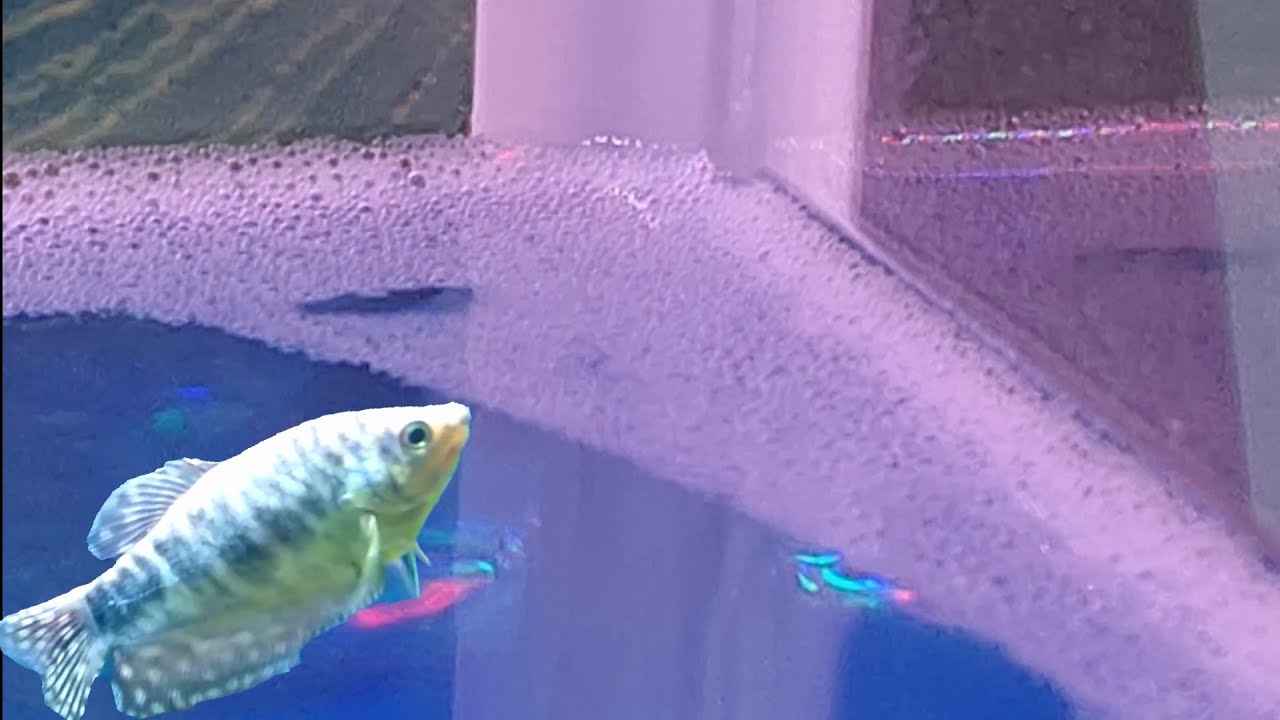
Before you panic about water quality, take a closer look at the fish you keep. Certain species, like Bettas and Gouramis (part of the anabantid family), are bubble nesters. The male fish will intentionally create a cluster of bubbles, often in a quiet corner of the tank, to house eggs after spawning. A bubble nest looks more structured and deliberate than the random, scummy foam caused by waste. It’s a sign of a healthy, happy fish ready to breed, not a problem with your water.
Chemicals and Contaminants
Sometimes the cause is external. Did you recently wash your hands with soap or lotion before putting them in the tank? Did you use a cleaning bucket that wasn't exclusively for the aquarium? Even tiny amounts of soap, detergents, or oils can cause significant foaming. I once helped a friend who couldn't figure out why his tank was foaming. It turned out he was using the same bucket for water changes that his family used for mopping the floor. A dedicated, aquarium-only bucket solved the problem instantly.
New Tank Syndrome
If your aquarium is brand new (less than a month or two old), you might see some foaming. This is often related to "New Tank Syndrome." During this period, the beneficial bacteria that break down waste haven't fully established themselves yet. This leads to a buildup of ammonia and other organic compounds, which can easily cause foam when the water is agitated. It's a temporary phase that should resolve as your tank cycles.
Overcrowding or Overfeeding
Too many fish in a tank or giving your fish too much food leads to a massive increase in waste production. Your filter and beneficial bacteria can get overwhelmed and can't process the waste fast enough. This excess organic load is a perfect recipe for creating that foamy layer on the surface, which is another common reason why there is foam on top of my aquarium.

Is Foam on Top of My Aquarium Harmful?
The foam itself is not directly toxic to your fish. However, it is a very clear symptom of an underlying issue that can be harmful. The real danger comes from what the foam represents: poor water quality.
High levels of dissolved organic compounds mean that ammonia and nitrite levels are likely elevated, both of which are highly toxic to fish and can cause stress, gill damage, and even death. Furthermore, a thick, persistent layer of foam on the surface can interfere with gas exchange. Your aquarium "breathes" at the surface, taking in oxygen and releasing carbon dioxide. If that surface is covered, it can lead to dangerously low oxygen levels for your fish. So, while you don't need to panic about the foam itself, you should treat it as an urgent warning to check your water parameters and address the root cause.
How to Get Rid of Foam in Your Aquarium
Getting rid of the foam involves tackling the source of the problem, which is almost always excess waste. Here are the steps you can take right now to clear up your water.
- Perform a Partial Water Change. This is your first and most effective tool. A 25-50% water change will physically remove a large portion of the dissolved organic compounds causing the foam. It’s an instant refresh for your tank's ecosystem.
- Gravel Vacuum the Substrate. A lot of waste, like uneaten food and fish poop, settles in the gravel or sand. Use a gravel vacuum during your water change to suck up all that gunk from the substrate. You’ll be amazed at what comes out.
- Clean Your Filter. Your filter is the heart of your aquarium, but it can get clogged with waste. Gently rinse the filter sponges or media in the old tank water you removed during the water change. Never use tap water, as the chlorine will kill the beneficial bacteria living in your filter.
- Manually Skim the Foam. As a temporary cosmetic fix, you can use a fine fishnet or a small cup to skim the foam directly off the water's surface. This won’t solve the underlying issue of why there is foam on top of my aquarium, but it can help improve gas exchange while you work on the other steps.

Preventing Foam from Returning to Your Fish Tank
Once you’ve cleaned things up, you’ll want to make sure the foam doesn’t come back. Prevention is all about consistent, good aquarium husbandry.
Adjust Your Feeding Habits
The most common mistake I see is overfeeding. Only give your fish an amount of food they can completely consume in about one to two minutes, once or twice a day. Any more than that will just sink to the bottom and rot, fueling the cycle of waste that leads to foam.
Establish a Regular Maintenance Schedule
Consistency is key. Performing a regular 25% water change and gravel vacuum every one to two weeks is the single best thing you can do for your aquarium’s health. This routine removal of waste prevents dissolved organic compounds from ever building up to foam-causing levels.
Be Mindful of Contaminants
Always be careful about what goes into your tank. Use dedicated buckets, siphons, and scrubbers that are for aquarium use only. Before you put your hands in the water for any reason, rinse them thoroughly with plain water and dry them on a clean, lint-free towel to remove any soap or lotion residue.
Ensure Proper Filtration and Stocking
Make sure your filter is rated for the size of your tank and that your tank is not overstocked with fish. An undersized filter or too many fish for the tank size will always struggle to keep up with the waste produced, making problems like foam much more likely.
Frequently Asked Questions
Why is there white foam on top of my aquarium?
White foam is the most common type and is almost always caused by a buildup of dissolved organic compounds, like proteins from waste and uneaten food. When the water surface is agitated, these compounds create stable bubbles, resulting in foam.
Is the foam on my aquarium a bubble nest?
It could be, if you have bubble-nesting fish like Bettas or Gouramis. A bubble nest looks like a deliberate cluster of bubbles, often in a corner, while foam from poor water quality looks more random, scummy, and spread out across the surface.
Can air stones cause foam on my aquarium surface?
An air stone itself does not create the foam, but it can make an existing problem more obvious. The air stone vigorously agitates the water surface, which whips up any dissolved proteins into a foamy layer. The root cause is the protein, not the air stone.
How quickly should I act if I see foam in my tank?
You should act promptly. Test your water parameters for ammonia, nitrite, and nitrate right away. The presence of foam is a strong indicator that your water quality is declining, so a water change should be performed as soon as possible.
Does foam mean my fish are sick?
The foam itself doesn't mean your fish are sick, but it signals that they are living in an unhealthy environment that could make them sick. Poor water quality with high ammonia and nitrites is a leading cause of stress and disease in fish.
Conclusion
Finding foam on your aquarium's surface can be worrying, but it's a fixable problem. It serves as a visual cue that your tank's maintenance routine needs a little adjustment. By understanding that foam is primarily a result of excess organic waste, you can take clear, effective steps to resolve the issue through water changes, thorough cleaning, and mindful feeding. Think of it as your aquarium communicating with you, asking for a cleaner environment.
Now that you know why there is foam on top of my aquarium and how to handle it, you can approach the situation with confidence. A clean, clear water surface is a sign of a healthy, thriving ecosystem. What are your own experiences with aquarium foam? Feel free to share your stories or ask more questions in the comments below