Bubbles in your aquarium usually come from aeration, filtration, plants, or trapped surface film.
I’ve kept aquariums for over a decade, and I still troubleshoot bubbles regularly. If you’re asking why is there bubbles in my aquarium, this guide walks through every likely cause, how to tell them apart, and practical fixes you can use right away. You’ll get clear, expert-backed explanations, real-life tips from my tanks, and a simple maintenance plan to reduce unwanted bubbles and keep your fish healthy.

Common causes: why is there bubbles in my aquarium
Many hobbyists ask why is there bubbles in my aquarium when they first set up a tank or after equipment changes. Bubbles usually come from a few predictable sources. Understanding each source helps you decide if the bubbles are harmless or need attention.
- Aeration and air stones. Air pumps and stones force air into water, creating visible bubbles that rise to the surface.
- Filter and return flow. Filter outlets and wavemakers push water fast and trap air, making bubbles at the surface.
- CO2 injection and diffusers. CO2 systems can produce fine bubbles, especially if adjustment or diffusion is poor.
- New tank and substrate. Fresh gravel, plants, or decor can release trapped air as water soaks in.
- Surface film and protein. Organic films can trap air and hold bubbles on the glass and surface.
:strip_icc()/foam-on-aquarium-water-1381213-PSD-GIF-V3-55398aa7240b4d8391d2d607ee8bf3b5.jpg)
Source: thesprucepets.com
Microbubbles, CO2 systems, and why is there bubbles in my aquarium
Microbubbles are tiny bubbles that cling to glass, plants, and decor. They often come from CO2 diffusers, protein skimmers, or high-pressure pumps. Microbubbles can look like a steady haze and may be harmless, but they can also reduce water clarity and annoy fish.
- CO2 diffusers. Poorly set diffusers produce microbubbles that fail to dissolve and drift around the tank.
- High-pressure pumps. Certain pumps create microbubbles when they draw air from the surface or fittings.
- Incomplete degassing. Water that recently absorbed gas during changes can release microbubbles over hours or days.
I once added a CO2 system and saw a fog of tiny bubbles for two days. I adjusted the diffuser and the CO2 rate and the aquarium cleared fast.

Source: reddit.com
Surface film, protein buildup, and why is there bubbles in my aquarium
A thin film of proteins and oils forms when organic waste rises to the surface. This film changes surface tension and traps air. The result can be rows or clusters of persistent bubbles along the glass and waterline.
- Causes of surface film. Overfeeding, decaying plant matter, and infrequent water changes increase film.
- How it holds bubbles. The film acts like a skin. Bubbles cannot pop easily and stick together.
- How to clear film. Skim the surface with a net, increase surface agitation, or do a partial water change.
From my experience, a weekly skim during heavy feeding weeks solved the film problem more effectively than extra chemicals.

Source: reddit.com
Equipment issues that create bubbles and why is there bubbles in my aquarium
Equipment problems often answer the question why is there bubbles in my aquarium. Small leaks, loose fittings, or blocked returns can suck in air and send bubbles into the tank.
- Loose hose clamps and connections. Air can enter intake lines and show up as bubbles. Check fittings regularly.
- Faulty seals on filters. A worn seal draws air into the filter and expels it as bubbles. Replace seals when needed.
- Improperly primed filters. If a filter isn’t fully primed, it may cycle air pockets until it runs fully.
I once reassembled a powerhead poorly and watched a steady stream of bubbles for hours. Tightening the intake elbow fixed it immediately.
Source: reddit.com
When bubbles are a sign of a problem — know the difference
Not all bubbles are harmless. You should act if bubbles are sudden, abundant, or paired with these signs.
- Cloudy water, stressed fish, or sudden drop in oxygen levels. These signs mean check equipment and water quality.
- Frothy white foam across the surface. This often points to heavy organic pollution or decaying matter.
- Bubbles following a major change. If bubbles appear after chemical dosing or large water changes, suspect gas release or reactions.
If fish gasp at the surface or behave oddly, test oxygen and ammonia immediately. Treat such bubbles as a potential early warning.

Source: aquariumcoop.com
How to remove or reduce bubbles: step-by-step fixes
Here are clear, practical steps to address why is there bubbles in my aquarium. Use them in order from simplest to more involved.
- Inspect gear
- Check hoses, clamps, and filter seals for loose fittings.
- Re-seat or replace parts that let air in.
- Increase surface agitation
- Adjust filter return or add a small surface-flow pump.
- Better gas exchange reduces trapped bubbles and protein film.
- Clean surface film
- Use a surface skimmer, a paper towel on a long stick, or a fine net to remove film.
- Do a partial water change if film is widespread.
- Adjust CO2 systems
- Lower CO2 bubble rate and reposition the diffuser for better dissolution.
- Consider a reactor for high-demand planted tanks.
- Fix microbubble sources
- Add a bubble trap on the return line or reduce pump flow to limit microbubbles.
- Replace worn impellers or upgrade to a better pump model if needed.
- Prevent organic buildup
- Feed less. Remove uneaten food after 5 minutes.
- Perform regular substrate vacuums and weekly partial water changes.
I prefer checking hoses first. In many cases, a single loose clamp was the reason bubbles appeared in my tanks.

Source: reddit.com
Preventive maintenance checklist to avoid why is there bubbles in my aquarium
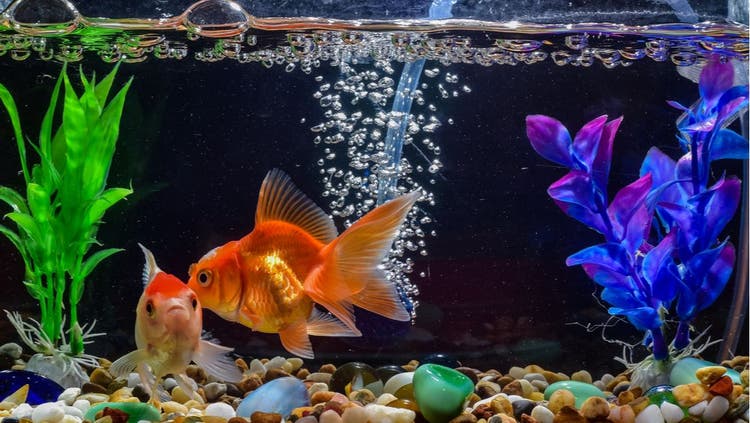
A short routine prevents most bubble issues. Do this weekly and after any equipment change.
- Visual check of all equipment and tubing for leaks or wear.
- Clean filter media and replace worn seals monthly or as recommended.
- Skim the water surface and remove visible film or floating waste.
- Adjust flow and aeration after adding plants, fish, or CO2.
- Keep a log of when bubbles appear to spot patterns after changes.
This small effort saved me multiple late-night fixes and kept the tanks clear and calm.
Source: petplace.com
Frequently Asked Questions of why is there bubbles in my aquarium
Why is there bubbles in my aquarium after a water change?
Small bubbles often form as trapped air escapes the substrate and decor. They usually disappear within a few hours to a day with normal gas exchange.
Why are tiny bubbles stuck to my aquarium glass?
Tiny bubbles cling to rough surfaces, plants, or microscopic debris on the glass. A gentle wipe with an algae pad or clean sponge removes them quickly.
Could bubbles mean low oxygen in the tank?
Bubbles alone don’t prove low oxygen, but gasping fish or lethargy combined with bubbles can indicate poor oxygen levels. Improve surface agitation and test oxygen or temperature to be safe.
Why do my fish build bubble nests when I see bubbles?
Male bettas and some gouramis make bubble nests as part of mating or territorial behavior. Those bubbles are normal and not caused by equipment.
Are foam and persistent bubbles harmful to fish?
Persistent foam usually indicates excess organics and poor surface exchange. It can stress fish, so test water and perform a partial water change if foam appears.
Conclusion
Bubbles in your tank are usually normal and traceable to aeration, filters, CO2 systems, surface film, or trapped air from new decor. Diagnose the source by observing bubble size, location, and timing. Use simple fixes like tightening fittings, increasing surface flow, skimming the film, and adjusting CO2 to clear most issues. Keep a short maintenance routine to prevent recurrences and watch your fish for signs of stress. Try the checklist above, track any changes, and leave a comment below about your bubble problem so I can help troubleshoot further.