Brown film in aquariums usually comes from algae, tannins, or accumulated organic waste.
I’ve kept freshwater tanks for years, and I know how alarming that brown haze can look. This guide explains why is there brown stuff in my aquarium, how to tell different types apart, and exactly what to do to clear it and keep it gone. Read on for proven steps, practical tips from hands-on experience, and easy maintenance routines you can start today.
:strip_icc()/brown-aquarium-algae-1378629-FINAL-757b9049c61d44faa2fa646ee3d319e7.png)
Common causes of brown stuff in aquariums
Most brown deposits are not harmful, but they point to specific issues you can fix fast. The main causes are:
- Diatom algae film
- Tiny single-celled algae that form brown dust or a slimy sheet on glass, gravel, and plants.
- Tannins from driftwood and leaves
- Natural plant matter leaches brown tea-colored water but rarely harms fish.
- Decaying organic waste
- Uneaten food, fish waste, and plant debris break down and create brown sediment and cloudy water.
- Bacterial biofilm
- Bacteria form a thin brownish film on surfaces in new or low-flow tanks.
If you’re asking why is there brown stuff in my aquarium, check these sources first. Each cause looks a bit different and needs a slightly different fix.
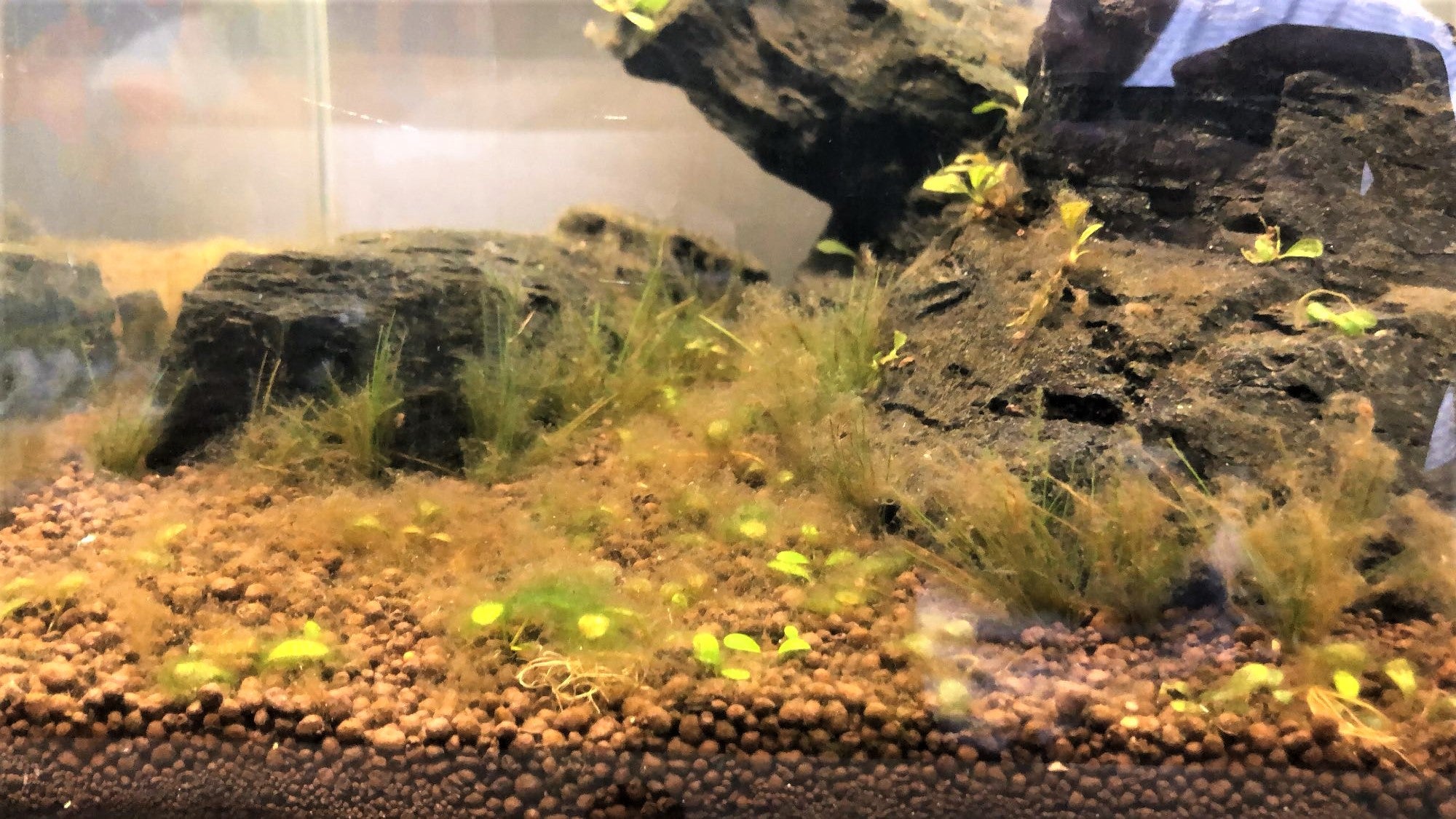
How to identify the type of brown stuff
Look closely. Identification helps pick the right solution.
- Diatom algae signs
- Feels like a fine dust and scrapes off glass easily. It often appears after setting up a new tank or after a light change.
- Tannin signs
- Water is tea-colored but surfaces aren’t slimy; wood or leaves release the color. Activated carbon clears it.
- Detritus signs
- Brown clumps or cloudy water near the substrate, often accompanied by poor smell and high waste levels.
- Bacterial film signs
- Slimy and sometimes stringy; more common in low-flow or heavily planted tanks.
Knowing why is there brown stuff in my aquarium makes treatment quicker and prevents guesswork.

Are brown deposits harmful to fish and plants?
Short answer: usually no, but there are exceptions.
- Diatoms commonly pose little threat to fish and may even be eaten by snails and some fish.
- Tannins lower pH slightly but are natural and often beneficial for soft-water species.
- Heavy detritus or bacterial overgrowth can reduce oxygen, raise ammonia, and stress fish.
- Persistent films can smother plant leaves and reduce photosynthesis.
Monitor water tests and behavior. If fish gasping at the surface or plants decline, treat the water quality issues promptly.

Effective treatment and prevention steps
Fixing brown buildup is straightforward when you match the cause with the right method.
- For diatoms
- Scrub glass with a soft algae scraper and siphon the substrate. Reduce silicate sources and slightly lower light hours. Introduce algae grazers if compatible.
- For tannins
- Perform water changes and use activated carbon or a carbon pad in the filter to remove color. Replace or thoroughly cure driftwood if staining is excessive.
- For detritus and waste
- Increase vacuuming of gravel, reduce feeding, and boost filtration. Perform regular partial water changes.
- For bacterial films
- Improve water flow, clean filter media gently in tank water, and avoid overstocking. Consider short UV sterilizer use if outbreaks persist.
If you wonder why is there brown stuff in my aquarium after these steps, repeat cleaning weekly and track parameters until stable.
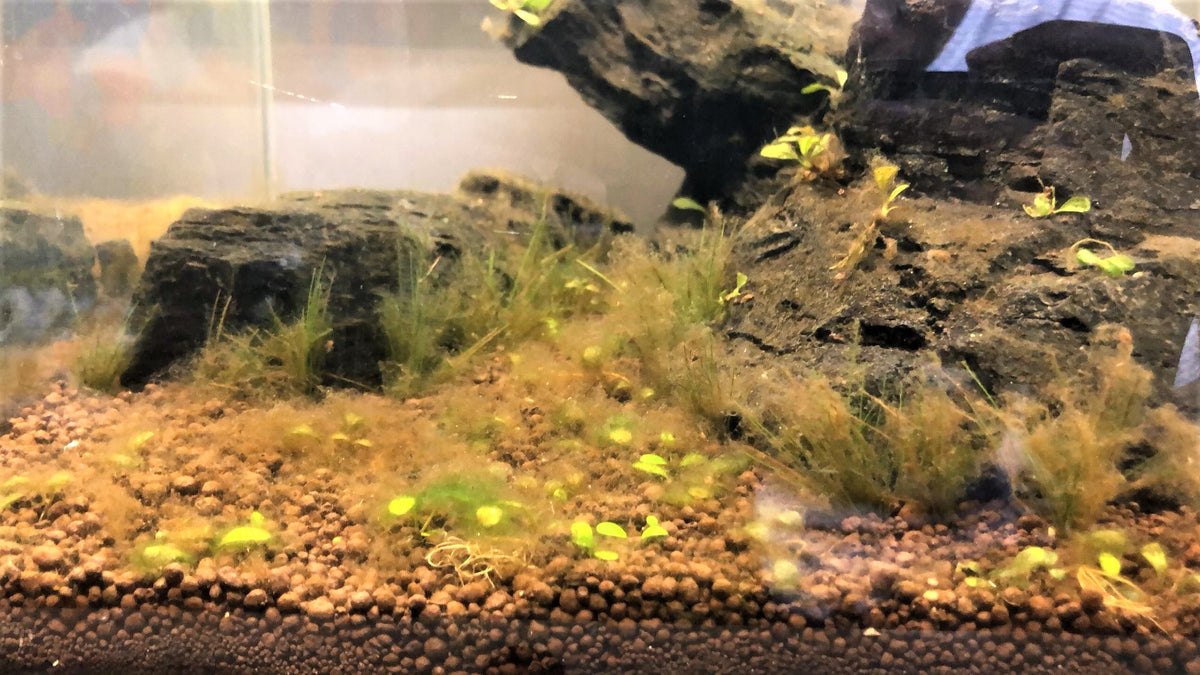
Practical maintenance schedule
A simple routine keeps brown stuff from coming back.
- Weekly tasks
- 20–30% water change, gravel vacuum, and quick glass wipe.
- Biweekly tasks
- Rinse mechanical filter media in tank water and trim dead plant parts.
- Monthly tasks
- Check and replace carbon, inspect equipment, and deep clean decor if needed.
Consistent care answers the “why is there brown stuff in my aquarium” question for most hobbyists. Small, regular steps beat occasional deep cleans.

Personal experience and lessons learned
From my tanks, the biggest mistakes were overfeeding and ignoring flow dead spots.
- I once blamed driftwood for brown water, but it was a mix of tannins and trapped food under a rockscape. After vacuuming and replacing carbon, the water cleared in two days.
- Introducing a modest algae grazer helped a new tank with diatoms, but I kept feeding low so the algae couldn’t rebound quickly.
- Lesson: test water regularly, and don’t assume one fix solves all causes.
These real-world tweaks show why is there brown stuff in my aquarium and how small changes stop it fast.

Recommended products and tools
Useful gear makes treatment easier and safer.
- Algae scraper or pad for glass and acrylic
- Gravel vacuum for substrate cleaning
- Quality filter with adequate flow and space for carbon
- Activated carbon for tannin removal
- Optional UV sterilizer for persistent bacterial blooms
Choose tools sized for your tank and follow manufacturer instructions to avoid harming beneficial bacteria. Knowing why is there brown stuff in my aquarium helps you select the right product.

When to worry and when to call a pro
Most brown films are manageable, but act quickly if problems escalate.
- Worry and seek help if
- Water tests show high ammonia, nitrite, or nitrate; fish show disease signs; or plants die rapidly.
- Manage yourself if
- The brown film is limited to glass or wood and fish behavior is normal. Follow cleaning and maintenance steps first.
Being proactive answers “why is there brown stuff in my aquarium” before it becomes a health issue for your tank inhabitants.
Frequently Asked Questions of why is there brown stuff in my aquarium
What exactly causes brown film in a new aquarium?
New tanks often develop diatom algae due to silicates and light. It’s common and usually clears as the tank cycles and beneficial bacteria stabilize.
Can brown water from driftwood harm my fish?
Tannins from driftwood generally lower pH slightly and are not harmful to many fish. For sensitive species or aesthetic reasons, use activated carbon to clear the water.
How quickly will my aquarium clear after treatment?
Glass and decor can clear in a day or two with scrubbing and water changes; tannins might take a few water changes or carbon to remove. Persistent problems may need repeated maintenance over a week.
Will reducing light stop the brown film?
Lowering light hours helps diatom growth to slow but won’t fix tannins or trapped waste. Combine light control with cleaning and water changes for best results.
Are there fish that eat brown algae or films?
Some species like Otocinclus, Amano shrimp, and certain snails graze on diatoms. They help control brown algae but won’t replace proper cleaning and filtration.
Is the brown stuff the same as green algae?
No. Brown film is typically diatoms or tannins, while green algae are photosynthetic and have a bright green color. Each type needs slightly different care and treatment.
Conclusion
Brown stuff in an aquarium is common and usually traceable to diatoms, tannins, waste, or bacterial films. Identify the type, follow targeted cleaning and maintenance steps, and use the right tools to clear the issue quickly. Start with a weekly routine, monitor water chemistry, and adjust light and feeding to prevent recurrence. Take action now: check your tank’s surfaces, perform a partial water change, and use this guide to stop brown buildup for good. If this helped, try the steps this week and share your results or questions in the comments.