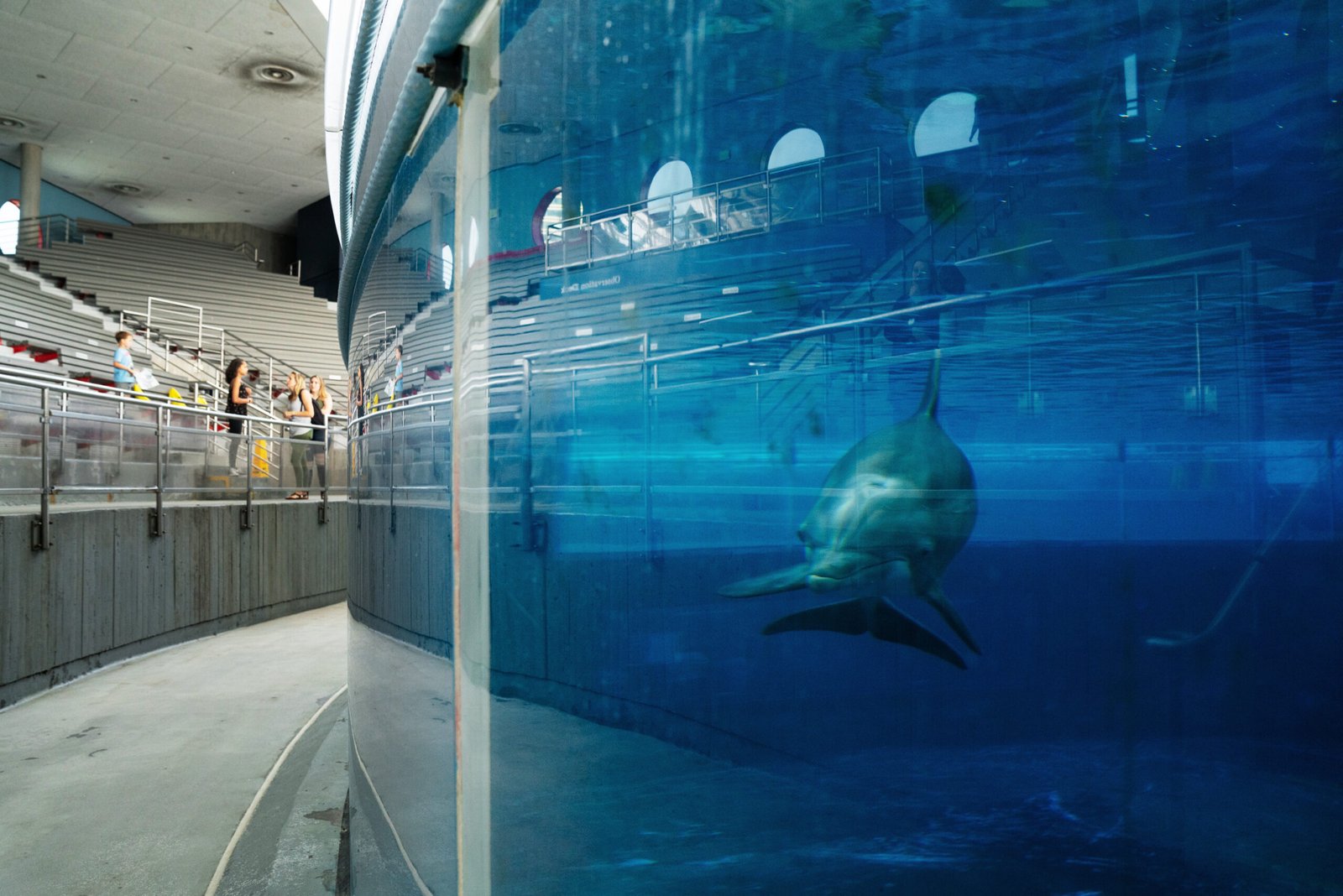
Because Baltimore offered a waterfront revival, civic support, and the ideal urban setting for a major public aquarium.
As an author with years of research and visits to aquariums, I can explain why is the national aquarium in baltimore with clarity and authority. This article breaks down the history, planning, and impact behind the decision. I combine facts, local context, and first-hand observations to show how Baltimore’s Inner Harbor, political will, economic goals, and community needs made it the logical home for the National Aquarium. Read on to learn the full story and practical insights for visitors and supporters.
A brief history: how the decision took shape
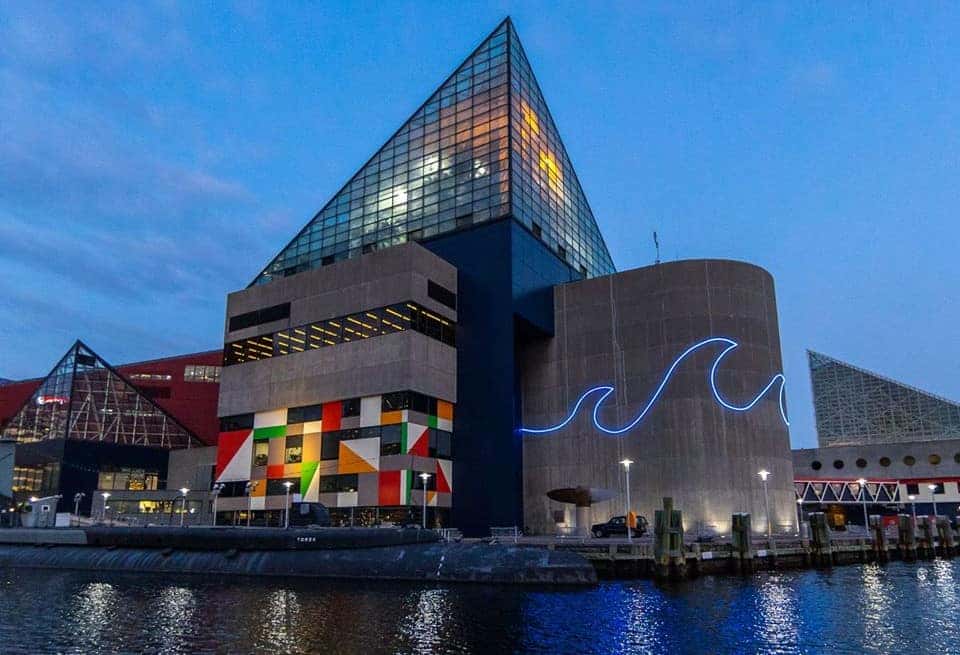
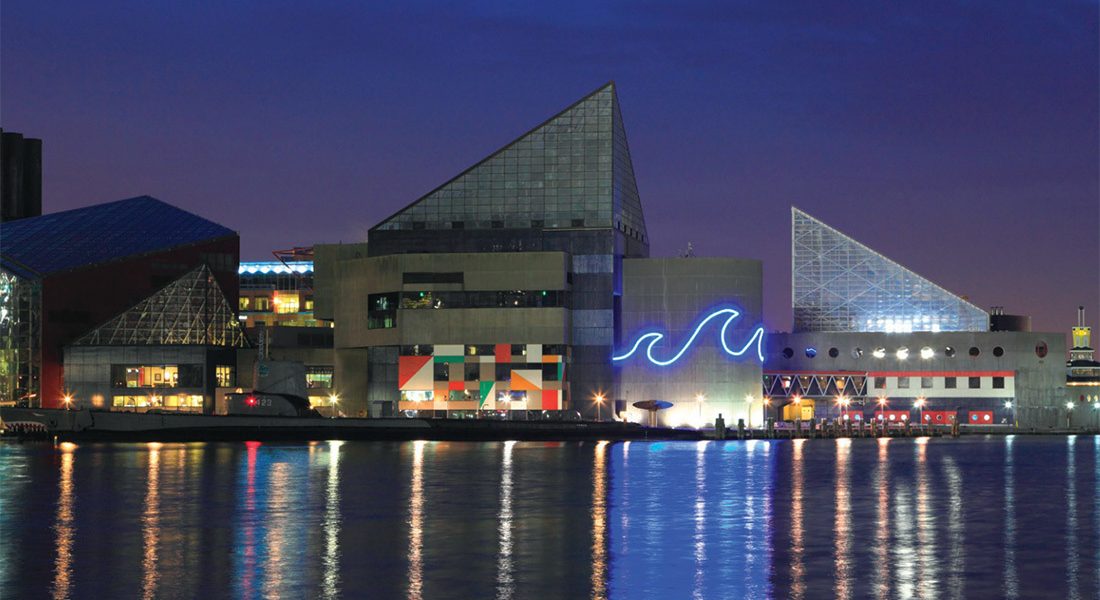
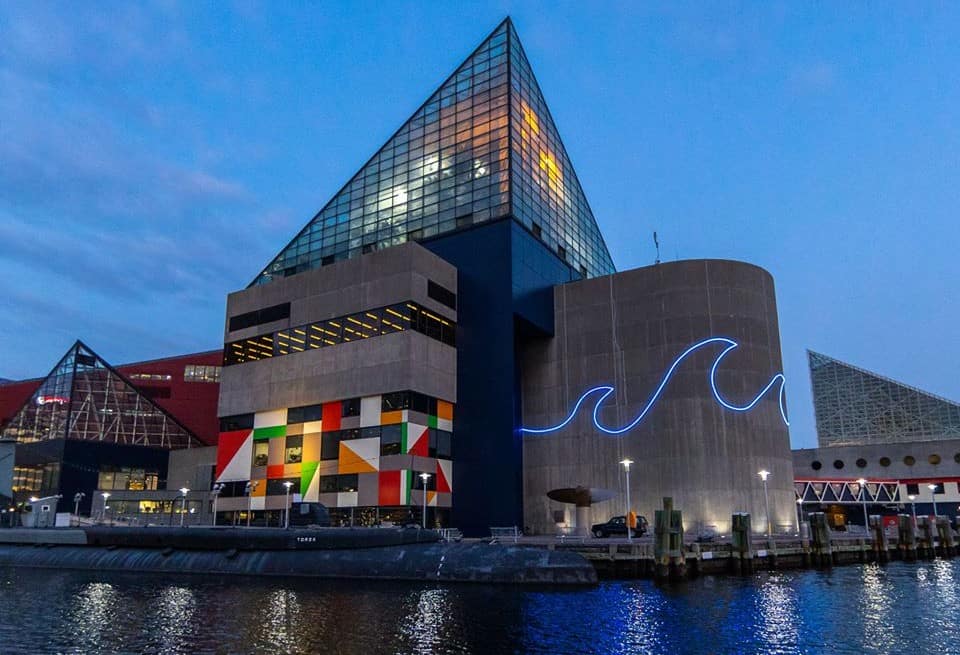
The choice of Baltimore grew from a city planning need. In the 1970s, Baltimore aimed to revive its waterfront and boost tourism. City leaders, developers, and cultural planners wanted a landmark attraction to anchor the Inner Harbor. The National Aquarium opened in 1981 to meet that aim.
The aquarium was designed as a public, nonprofit institution. It offered education, jobs, and tourism dollars. Its urban location made it easy for residents and visitors to reach. From my visits, the Inner Harbor setting gives the aquarium a lively, accessible feel.
Why Baltimore was chosen: key factors explained
Several clear reasons explain why is the national aquarium in baltimore. Below are the most important ones.
- Waterfront redevelopment: The Inner Harbor needed a major draw to transform industry into public space. The aquarium fit that need.
- Economic impact: Leaders wanted to stimulate tourism and local business. An aquarium promised steady visitor traffic.
- Public-private support: Civic leaders, local government, and private donors backed the project. Their funding and advocacy made it possible.
- Urban access: Baltimore’s central location and transit links made it an ideal site for a national attraction.
- Cultural fit: Baltimore’s maritime history gave the aquarium authentic context. The city’s identity matched the aquarium’s mission.
These points together answered the question of why is the national aquarium in baltimore. The choice was practical and strategic. It linked environment, economy, and education.
Design, location, and visitor experience
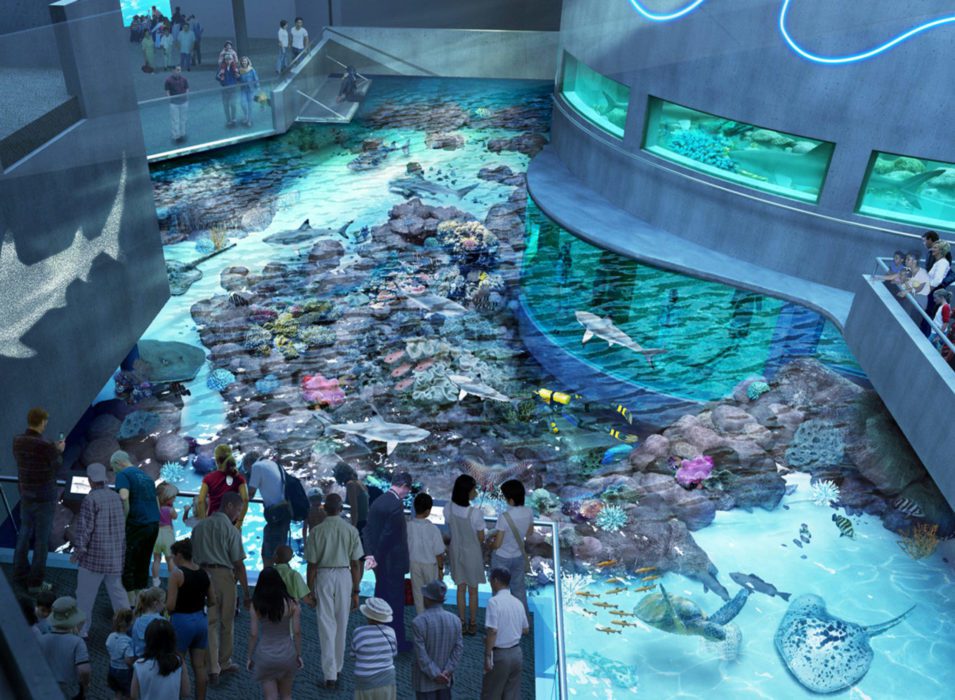
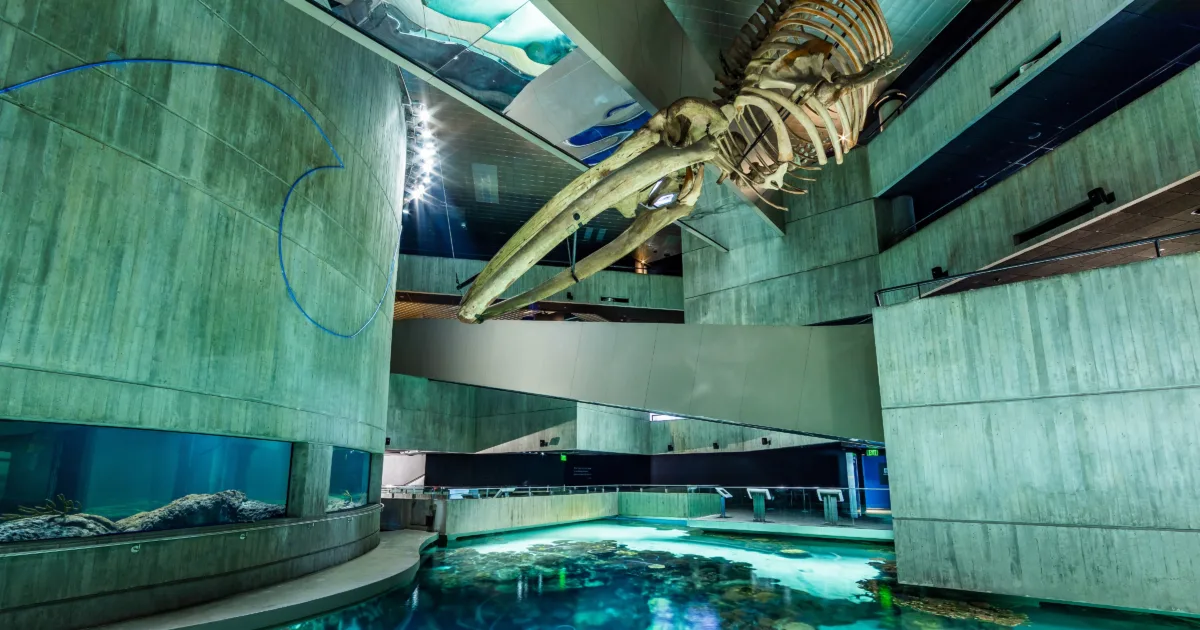
The aquarium’s design serves both animals and people. Exhibits are arranged for easy flow and strong viewing. The Inner Harbor location offers waterfront views and nearby restaurants. That makes a visit a full-day outing.
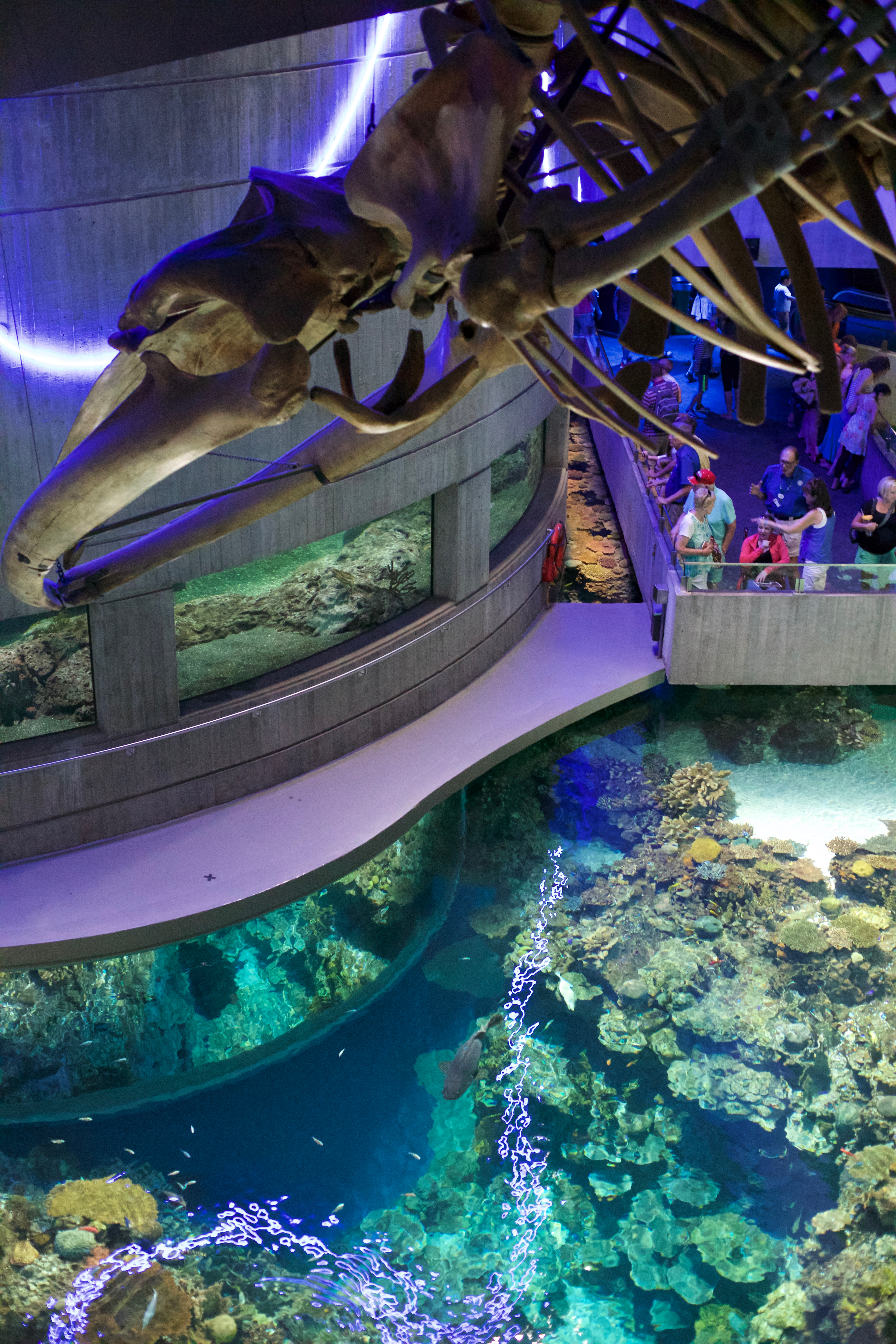
I recommend arriving early to avoid crowds. Buy tickets online and plan time for the main habitats. From my experience, the tropical rainforest and the dolphin presentations are crowd favorites. The design also supports education programs and animal care.

Conservation and education mission
The National Aquarium in Baltimore is more than displays. It focuses on research, rescue, and public learning. The aquarium runs conservation projects and partners with scientists. It also offers school programs and community outreach.
This mission explains part of why is the national aquarium in baltimore. The city provided a platform where outreach could reach many people. The aquarium uses that reach to teach about oceans, local waterways, and species protection.
Economic and community impact
The aquarium shaped Baltimore’s tourism economy. It attracted visitors, helped nearby businesses, and created jobs. The Inner Harbor became a model for other cities redeveloping waterfronts.
Community programs aim to include local schools and under-served neighborhoods. From personal talks with staff, I learned that the aquarium emphasizes access and learning. This community focus reinforced the rationale for placing the aquarium in Baltimore.
Practical tips for visitors
If you plan to visit, use these simple tips based on field experience.
- Buy tickets in advance to skip lines and secure entry.
- Arrive early for calmer galleries and better lighting for photos.
- Combine your visit with other Inner Harbor attractions for full value.
- Wear comfortable shoes; the facility involves walking and stairs.
- Check the daily schedule for feedings, talks, and shows.
These steps make your trip smoother and help you appreciate why is the national aquarium in baltimore.
Lessons learned and common challenges
Building and running a major aquarium in a city brings lessons and limits. Funding large exhibits is costly. Maintaining animal care requires consistent support. Balancing tourism with conservation can be tricky.
From my visits and research, I learned three practical lessons.
- Plan long-term funding to avoid project delays.
- Build strong community ties to ensure local support.
- Prioritize animal welfare and transparency to maintain trust.
These lessons reflect why thoughtful planning made Baltimore the right choice originally.
Expansion, change, and future outlook
The aquarium has adapted over time. It expanded exhibits and modernized habitats. It also updated programs to meet new conservation priorities.
Looking ahead, the same strengths that explain why is the national aquarium in baltimore will matter. Waterfront access, civic involvement, and public interest will guide future growth. Continued investment in science and education will keep it relevant.
Frequently Asked Questions of why is the national aquarium in baltimore
What made Baltimore a good location for the National Aquarium?
Baltimore had a major waterfront ripe for redevelopment and strong civic leadership. The city offered access, funding interest, and tourism potential.
When did the National Aquarium open in Baltimore?
The National Aquarium opened at the Inner Harbor in 1981 as part of downtown renewal efforts. It has expanded its mission since then.
How does the aquarium help Baltimore’s economy?
The aquarium draws visitors who spend on hotels, restaurants, and local services. It also creates jobs and supports nearby businesses.
Does the aquarium focus on conservation and education?
Yes. The aquarium runs research, rescue programs, and educational outreach to schools and the public. Conservation is a core mission.
Can I combine a visit with other Inner Harbor attractions?
Absolutely. The Inner Harbor hosts museums, shops, and waterfront dining, making it easy to plan a full day of activities.
Conclusion
The decision about why is the national aquarium in baltimore came from clear civic intent. City leaders wanted a landmark to revive the waterfront. Baltimore offered access, funding, and cultural fit. The aquarium grew into an economic and educational engine. If you care about urban renewal, conservation, or family outings, a visit will show why the choice worked.
Takeaway: Visit with purpose. See exhibits, learn about conservation, and support local programs. Share your experience and consider joining efforts that protect our waterways. Leave a comment or subscribe to learn more about urban conservation and aquarium science.