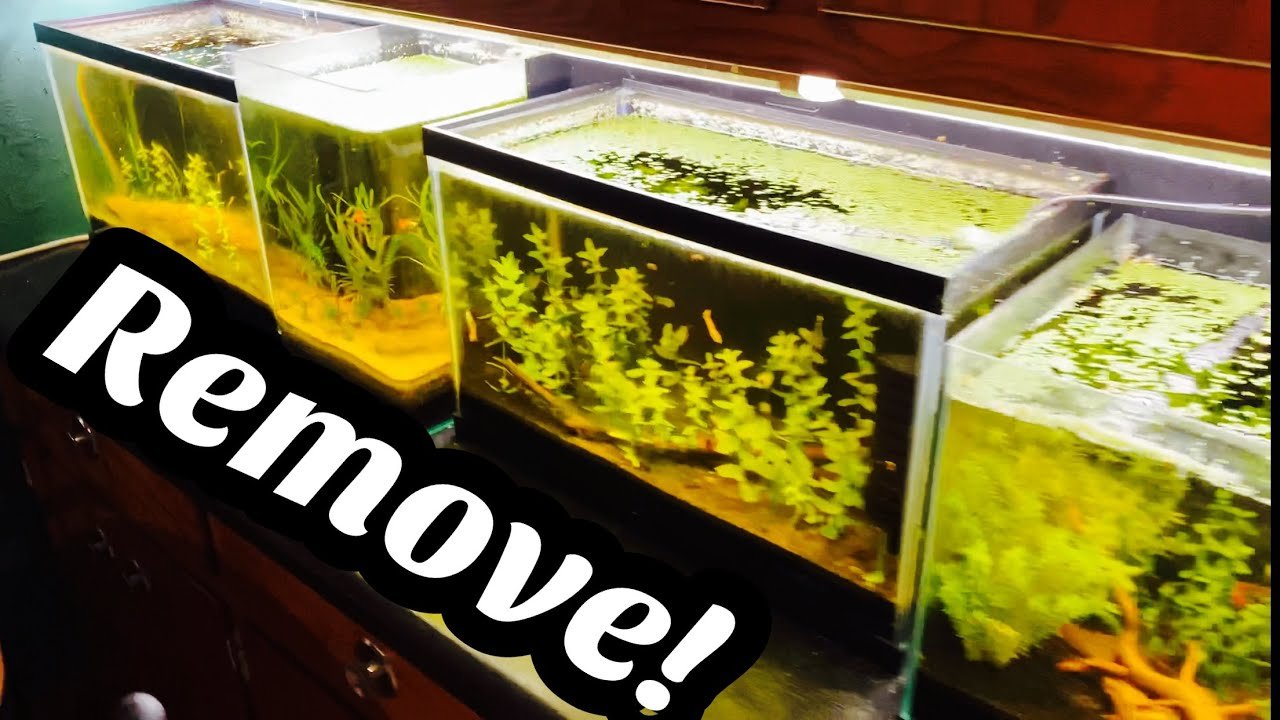
Yellowish aquarium water is usually caused by tannins, decaying organics, or poor filtration.
I have kept aquariums for over a decade and helped many hobbyists solve cloudy or stained tanks. If you are asking why is my aquarium water yellowish, this guide will walk you through the common causes, clear tests, step-by-step fixes, and long-term prevention. Expect practical tips, proven fixes, and real-life lessons to get your tank clear and healthy again.
Causes of yellowish water
If you are wondering why is my aquarium water yellowish, start with the likely culprits. Yellow tint most often comes from tannins leaching from driftwood or leaves. Decaying plants and leftover food release dissolved organics that stain water. Old filter media or poorly maintained filters can let waste build up and discolor the tank. Overfeeding and high fish waste create dissolved compounds that tint the water. Certain medications or additives may also cause a yellow hue. Finally, suspended microscopic particles or bacteria blooms can give a yellowish or tea-colored look.
- Tannins from driftwood, almond leaves, or bogwood that were not soaked long enough.
- Decaying plant matter, leaf litter, or uneaten food breaking down in the substrate.
- Poor filtration, clogged media, or old carbon that no longer removes organics.
- High dissolved organics from fish waste and infrequent water changes.
- Medications, supplements, or tap water with high iron or organics.
- Bacterial or microalgae blooms that tint the water.

How to diagnose the cause
Good diagnosis makes fixing yellow water fast and cheap. First, ask yourself why is my aquarium water yellowish and check recent changes. Have you added new wood, leaves, or a water treatment? Did you stop regular water changes or change filter media?
Test basic water parameters. Measure ammonia, nitrite, nitrate, pH, and total dissolved solids. A high nitrate or high TDS reading points to poor maintenance and dissolved organics. Inspect the tank visually. Look for decomposing leaves, cloudy particles, or surface film. Smell the water; a musty or earthy odor often means organics or tannins. Remove driftwood temporarily to see if the color fades. Swap a portion of water with fresh or RO water to see how fast the tint clears.

Step-by-step fixes to clear yellow water
Use a simple, safe plan. Follow these steps to clear yellow water fast and avoid shock to fish.
- Do a partial water change
- Change 20–50% of the water depending on severity. Use dechlorinated tap water or RO/DI water. Repeat over several days if needed.
- Clean the substrate and remove debris
- Siphon waste and uneaten food. Vacuum the gravel or sand thoroughly.
- Service and improve filtration
- Rinse or replace filter media as recommended. Add fresh activated carbon or specialized resin to adsorb tannins and organics.
- Add chemical polishing media when needed
- Use activated carbon, Purigen, or polyfilter to remove color and dissolved organics. Replace media regularly.
- Pre-soak driftwood or remove it
- Boil or soak new wood in several water changes until it no longer releases tannins. Remove heavily leaching pieces.
- Consider a UV sterilizer
– A UV unit helps clear bacterial blooms and some organic haze. It does not remove dissolved tannins but can help bacterial tints. - Cut feeding and increase maintenance
- Feed less for a week and do more frequent smaller water changes. Clean filter chambers and replace old carbon.
These steps usually clear the yellow tint within a few days to two weeks depending on cause and tank size. Do not over-clean or change everything at once; sudden changes can stress fish.

Preventing yellowish water long term
Prevention is simpler than repeated fixes. If you want to stop asking why is my aquarium water yellowish again, adopt these habits.
- Pre-soak or boil driftwood before adding it to the tank.
- Rinse new plants and remove dead leaves quickly.
- Feed fish sparingly and remove uneaten food.
- Keep a regular water change schedule, 10–25% weekly for many tanks.
- Use a quality filter sized for your tank and maintain it monthly.
- Add activated carbon or resins to routine filter maintenance if tannins are likely.
- Consider adding live plants to consume nutrients and reduce dissolved organics.
Simple routines prevent most yellowing problems. A clean tank and stable habits keep water clear and fish healthy.

My experience and lessons learned
When I first faced yellow water, I blamed the filter. I swapped media and still saw a tea color. After I removed a small piece of bogwood, the water cleared in days. Lesson learned: identify tannins first and use targeted fixes.
Another time a community tank turned yellow after I stopped weekly changes. Tests showed rising nitrates and TDS. A few mid-week partial changes and new carbon solved it. I now keep a spare pack of carbon and polyfilter on hand. These small steps save time and protect fish.
Practical tips from my tanks:
- Always pre-soak new wood for a week and change the soak water until it runs clear.
- Keep extra filter media for quick swaps.
- Track water change dates on a simple calendar app to avoid skipping.

Frequently Asked Questions of why is my aquarium water yellowish
Why does driftwood make my water yellow?
Driftwood releases tannins, natural compounds that leach into water and produce a tea-like color. Pre-soaking or boiling driftwood before adding it to the tank greatly reduces this effect.
Can activated carbon remove yellow tint?
Yes. Activated carbon adsorbs tannins and organic compounds and often clears yellow water within 24–48 hours if the source is dissolved organics. Replace spent carbon regularly for best results.
Is yellow water harmful to fish?
Mild tannins are not harmful and can even lower pH slightly, which some species like. However, yellow water from poor maintenance often signals high dissolved organics or nitrate, which can stress fish if left unchecked.
Will a UV sterilizer fix yellow water?
A UV sterilizer helps with bacterial and algal blooms but does not remove dissolved tannins or organics. Use UV to control microbes and pair it with chemical media for tannin removal.
How often should I change water to prevent yellow tint?
Regular changes of 10–25% weekly are a good habit for most tanks. Frequency depends on stocking, feeding, and plant load, but weekly changes prevent buildup of organics that cause yellowing.
Conclusion
Yellowish aquarium water usually points to tannins, decaying organics, or poor filtration — all solvable with clear steps. Test your water, remove the source, improve filtration, and use activated carbon or resins when needed. Stay consistent with water changes, pre-soak new wood, and feed sensibly to prevent repeat issues. Take action today: inspect your tank, run simple tests, and make one immediate change like a partial water change or fresh carbon swap. If this guide helped, leave a comment or subscribe for more aquarium care tips.