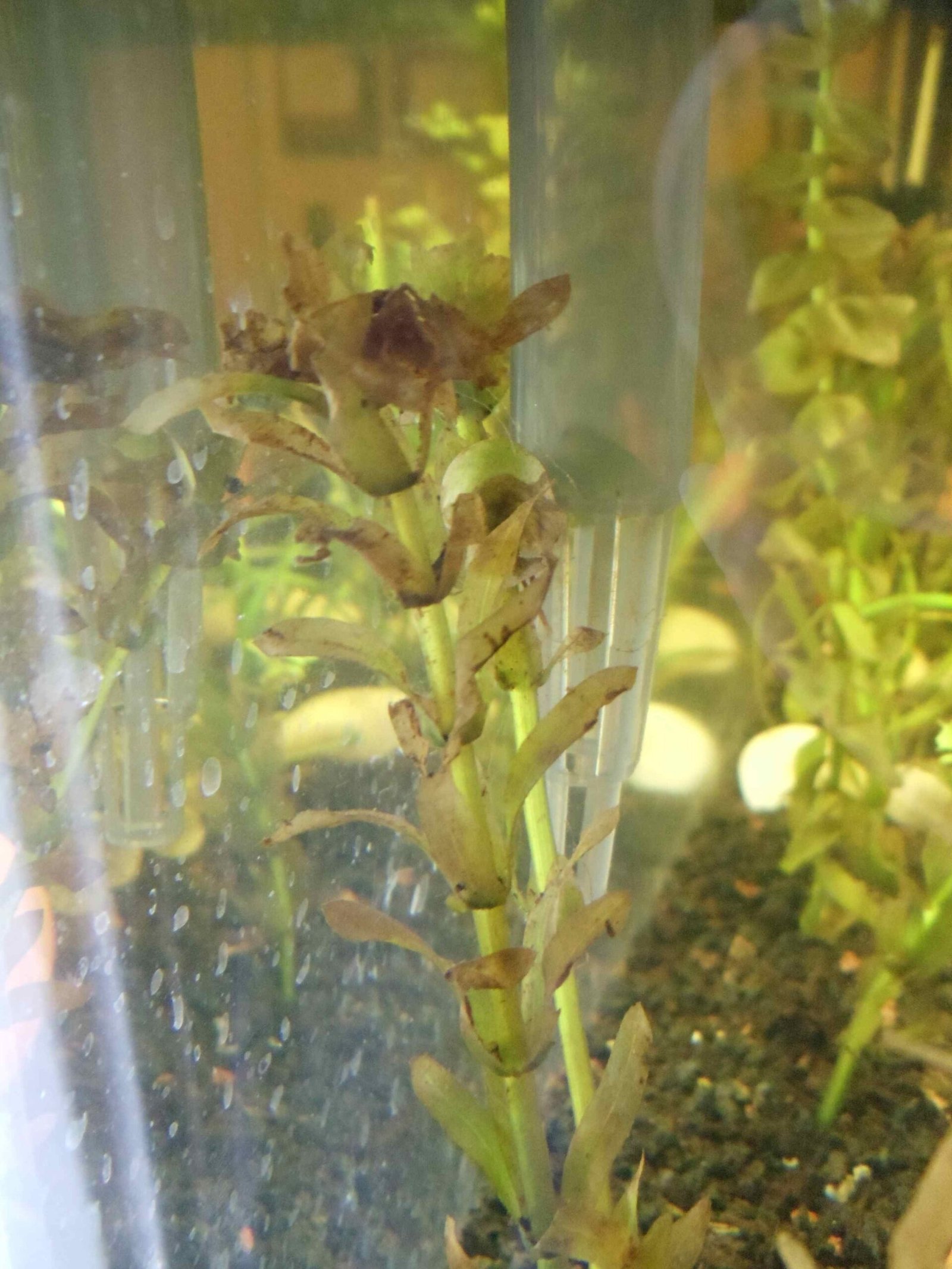
Most aquarium plants melt due to stress from changes in water conditions or improper care. If you've noticed your aquarium plants melting, it's a common issue that many aquarists face. Understanding the reasons behind this decay is crucial for maintaining a vibrant aquatic environment. In this article, we'll delve into the factors contributing to plant melting, from environmental stressors to nutrient imbalances, ensuring you have the knowledge needed to nurture your underwater ecosystem effectively.
Common Causes of Aquarium Plant Melting
Aquarium plants are delicate and can react negatively to various factors. Here's an in-depth exploration of the common reasons your plants might be melting:
Water Conditions
- Temperature Fluctuations: Sudden changes in water temperature can shock plants, leading to melting.
- pH Levels: Incorrect pH levels, either too acidic or too alkaline, can harm plant tissues.
- Hardness: Soft or hard water can affect plant health, depending on species requirements.
Lighting
- Insufficient Light: Plants need adequate light for photosynthesis. Dim lighting can lead to poor growth and melting.
- Excessive Light: Too much light can cause algae bloom, which competes with plants for nutrients.
Nutrient Deficiency
- Lack of Carbon Dioxide: CO2 is essential for plant growth. A deficiency can cause plants to melt.
- Nutrient Imbalance: Missing essential nutrients like iron, potassium, or nitrates can weaken plants.
Introduction and Acclimatization
- Sudden Environment Change: Moving plants from one setup to another can stress them if not acclimated properly.
- Incompatible Species: Some plants have specific needs that, if unmet, lead to melting.
Diseases and Pests
- Algae Overgrowth: Competes with plants for light and nutrients, often leading to plant decay.
- Pest Infestation: Snails and other pests can damage plant leaves, causing them to melt.

How to Prevent and Treat Melting Plants
Maintaining healthy plants requires proper care and attention:
- Monitor Water Parameters: Regularly check pH, temperature, and hardness levels to ensure they meet plant requirements.
- Adjust Lighting: Balance light intensity and duration according to plant needs.
- Provide Nutrients: Use fertilizers and CO2 supplements if necessary to maintain nutrient-rich water.
- Slow Acclimatization: Gradually introduce new plants to your aquarium to reduce shock.
- Control Pests: Regularly check for pests and take action if required to protect your plants.

Frequently Asked Questions
Why is my new plant melting after I just bought it?
New plants may melt due to a change in environment or improper acclimation. Slowly acclimate them to reduce shock.
Can melted plants recover?
Yes, if the root structure is intact and conditions improve, melted plants can regrow over time.
How much light do aquarium plants need?
Most plants need 8-12 hours of light per day. Adjust based on plant species and tank conditions.
Should I remove melted leaves?
Yes, removing melted leaves prevents decay and nutrient depletion, promoting healthier growth.
Can fish affect plant melting?
Certain fish species may nibble on plants, causing damage. Ensure compatibility between fish and plant species.
Conclusion
Aquarium plant melting is a frustrating problem, but understanding its causes and solutions can make your aquatic environment flourish. By maintaining stable water conditions, providing the right nutrients, and ensuring gradual acclimatization, you can prevent and treat melting. Remember, each plant species has unique needs, so observing and adjusting based on their requirements is essential. Dive deeper into aquatic care, and watch as your underwater world thrives. Consider subscribing for more tips, or leave a comment if you have questions or experiences to share!