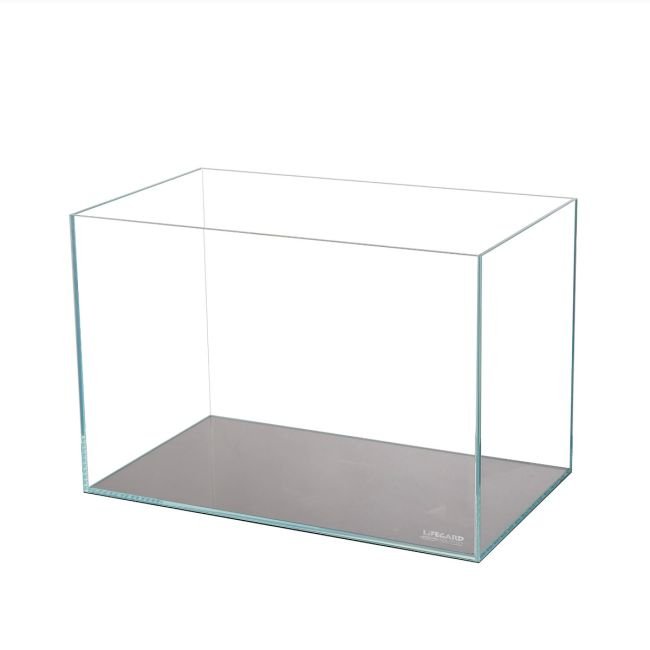
An insulated base stabilizes water temperature, prevents damage, and improves energy efficiency for aquariums.
I’ve installed and maintained dozens of aquariums, and I know why is it important to have an insulated base for an aquarium tank. A good insulated base saves energy, protects glass, reduces condensation, and keeps fish healthy. Read on to learn practical steps, material choices, common mistakes, and hands-on tips so your tank stays stable and safe.
The science behind insulation and aquarium stability
Why is it important to have an insulated base for an aquarium tank? The base is the bridge between your tank and its environment. Heat moves through contact surfaces fast. An uninsulated base lets cold or heat flow into the tank. This makes temperature control harder and forces heaters or chillers to work more.
Insulation slows heat transfer. Slower heat transfer means fewer temperature swings. Fewer swings are better for fish, plants, and beneficial bacteria. Insulation also reduces condensation under and around the stand, which prevents corrosion and mold.
From a structural view, insulation helps distribute weight more evenly. Thin foam or neoprene pads fill tiny gaps under the glass. That lowers stress at contact points and lessens the risk of cracks or leaks.
Key benefits of an insulated base
Why is it important to have an insulated base for an aquarium tank? Here are the main gains you get when you add insulation under your tank.
- Better temperature control: Insulation maintains stable water temperature and reduces heater runtime.
- Energy savings: Reduced heater and chiller cycling lowers electricity use.
- Condensation prevention: Insulation stops cold transfer that creates moisture and mold.
- Structural protection: Pads and boards cushion glass and spread weight to avoid stress points.
- Noise reduction: Foam can dampen vibration from pumps and filters.
- Longer equipment life: Less cycling means less wear on heaters and chillers.
These benefits add up to healthier fish and lower long-term costs. My tanks ran more stable once I added a rigid foam board. The heater cycled less and the glass stayed stress-free.

Materials and design options for insulated bases
Why is it important to have an insulated base for an aquarium tank? Choosing the right material makes a big difference. Common options include:
- Foam insulation board: Dense, rigid, and easy to cut. It provides good thermal resistance and weight support.
- Neoprene pad: Thin, soft, and good for filling minor unevenness. Best combined with a rigid underlay.
- Rubber mat: Durable and anti-slip. It helps with vibration and minor insulation.
- Cork sheets: Natural, moisture-resistant, and offers modest insulation for light tanks.
- Polystyrene sheets (XPS): Strong and moisture-resistant. Works well under stands.
Design tips:
- Use a rigid panel under the tank first for load distribution.
- Add a thin neoprene or rubber layer to seal small gaps.
- Avoid materials that compress too much under weight. Excessive compression reduces insulation value and causes instability.
- For large tanks, use multiple layers of rigid board to reach the needed thickness and R-value.
I prefer a 1/2-inch rigid foam board topped with a 1/8-inch neoprene pad for most home tanks. This combo balances support and thermal resistance without much cost.

How to install an insulated base step-by-step
Why is it important to have an insulated base for an aquarium tank? Installation is simple and worth the effort. Follow these steps:
- Measure the tank footprint and cut the rigid board to size. Leave edges flush with the tank bottom.
- Clean the stand surface and the tank bottom. Remove dust and debris so the board sits flat.
- Place the rigid insulation on the stand. Ensure it covers the whole footprint.
- Add a thin neoprene or rubber pad on top of the rigid board. This fills small gaps.
- Carefully set the empty tank onto the pad. Check for level with a bubble or laser level.
- Adjust shims under the stand, not under the tank, if needed to achieve perfect level.
Always lift the tank instead of sliding after placement. Sliding can shift insulation and create uneven pressure. If you use adhesive to secure panels, pick one rated for foam and indoor use.
Common mistakes and maintenance tips
Why is it important to have an insulated base for an aquarium tank? Mistakes can undo the benefits fast. Avoid these common errors:
- Using soft compressible foam under heavy tanks, which compresses and creates pressure points.
- Leaving gaps between insulation panels that allow cold bridges.
- Stacking brittle materials that crack under load.
- Ignoring moisture buildup that can degrade some insulation types.
Maintenance tips:
- Check the base yearly for settling and moisture damage.
- Re-level if you notice glass stress, such as small spiderweb cracks or leaks.
- Replace damaged pads rather than patching them if deformation is visible.
- Keep the stand area dry and ventilated to prevent mold.
I once used a cheap packing foam under a 40-gallon tank. It compressed over months and the tank developed stress lines. Replacing it with rigid foam solved the issue and gave me peace of mind.
Cost and value: is an insulated base worth it?
Why is it important to have an insulated base for an aquarium tank? Mostly yes — the cost is low compared to the benefits. Materials are inexpensive. A rigid foam board and neoprene pad typically cost under $30 for most home tanks. The savings in electricity and the avoided cost of repairs or a cracked tank far outweigh the initial cost.
Consider lifetime value:
- Lower energy bills from reduced heater runtime.
- Reduced risk of glass failure or leaks.
- Less chance of mold and stand damage.
If you plan to keep fish long-term, an insulated base is a small, smart investment.
Frequently Asked Questions of why is it important to have an insulated base for an aquarium tank
What materials work best for an insulated base?
Rigid foam board like XPS combined with a thin neoprene pad works best for most tanks. This setup balances thermal resistance and support.
Will insulation prevent my tank from cracking?
Insulation reduces stress by distributing weight and filling gaps, but it cannot fix pre-existing cracks. Proper installation greatly lowers the risk of new cracks.
Can I use household foam or cardboard?
No. Household packing foam and cardboard compress or absorb water and are poor choices. Use moisture-resistant, rigid insulation instead.
How thick should the insulation be under an aquarium?
A 1/2-inch rigid board with a 1/8-inch neoprene top is sufficient for most small to medium tanks. Larger tanks may need thicker or layered solutions.
Does an insulated base affect aquarium heaters?
Yes. An insulated base stabilizes temperature, so heaters run less often. This extends heater life and lowers electricity use.
Conclusion
An insulated base is a low-cost upgrade that stabilizes temperature, protects glass, reduces condensation, and saves energy. Adding a rigid insulation layer topped with a thin neoprene pad gives the best balance of support and thermal resistance. From personal experience, this small change prevents stress cracks and keeps equipment running smoother.
Take action today: measure your tank footprint, pick the right materials, and install an insulated base before you fill the tank. Share your results or questions below, and consider subscribing for more practical aquarium tips.