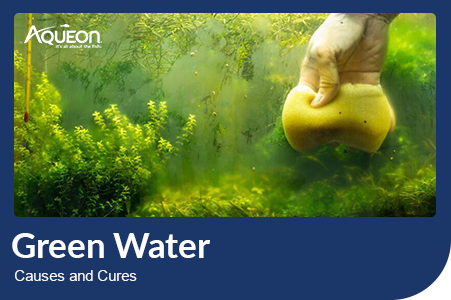
Green aquarium water is usually caused by free floating algae blooms from excess light and nutrients.
I have kept and serviced dozens of tanks, and I know how alarming sudden green water can be. This article explains why is my water turning green in my aquarium, how to diagnose the root causes, and clear, practical steps to fix and prevent it. You will learn simple tests, proven treatments, and maintenance habits that work for both beginners and seasoned hobbyists.

Common causes of green aquarium water
Green water is a symptom, not a single disease. The same visual problem can come from several root causes. Ask: is it cloudy, uniformly green, or patchy? That helps you find the right fix for why is my water turning green in my aquarium.
Main causes include:
- Excess light that fuels algae growth.
- High nitrate and phosphate levels from overfeeding and waste.
- New tanks with unfinished biological cycles.
- Poor filtration or low water turnover.
- Introduction of algae via plants, decor, or water.
From my experience, most tanks turn green because light and nutrients are out of balance. Fixing one without the other often gives only temporary relief. Why is my water turning green in my aquarium? It usually comes down to a simple imbalance that you can correct today.

How green water develops: the science in simple terms
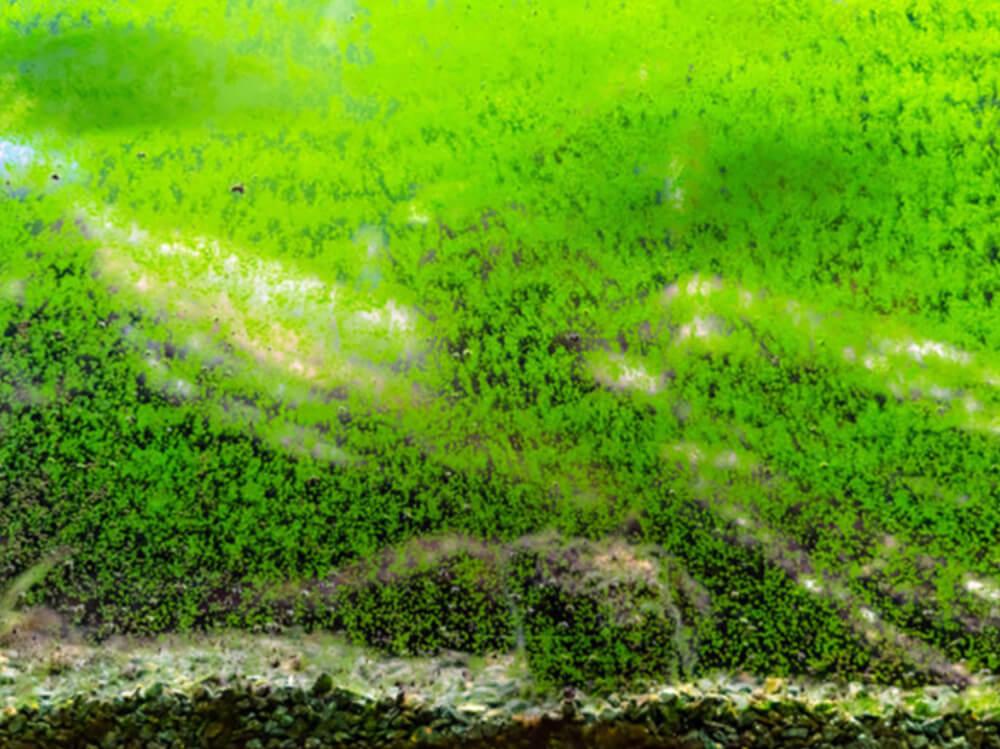
Green water is usually single-celled algae suspended in the water column. These algae multiply very fast when conditions are right. The short lifecycle and rapid reproduction explain why water can go green in days.
Key drivers are:
- Light: Algae use light to grow. Longer or stronger light speeds blooms.
- Nutrients: Nitrate and phosphate feed algae. Uneaten food and fish waste add nutrients.
- Stable conditions: Warm, still water helps algae thrive.
- Lack of competition: Few live plants or microbes let algae dominate.
If you ask why is my water turning green in my aquarium, think of algae like weeds in a garden. Remove what feeds them and they will fade.
Diagnosing your tank step by step
Good diagnosis saves time and money. Use a simple checklist to find why is my water turning green in my aquarium.
Step-by-step checks:
- Observe lighting: Is the tank in direct sunlight? Is the light schedule over 8–10 hours?
- Test water: Measure nitrate, phosphate, and ammonia with test strips or kits.
- Smell and clarity: Is the smell musty? Is the water uniformly green or spotty?
- Filter and flow: Is the filter clogged? Is flow weak?
- Recent changes: Any new plants, substrate, or fish added recently?
I once treated a green bloom that returned weekly. The source was an overzealous feeding routine. Cutting feedings and improving flow stopped the blooms.

Quick fixes to clear green water fast
When you need fast results, choose reliable methods. These give quick clarity while you work on long-term balance for why is my water turning green in my aquarium.
Fast options:
- Perform a 25–50% water change to reduce suspended algae and nutrients.
- Improve filtration: Clean mechanical media and increase flow if possible.
- Reduce light: Cut photoperiod to 4–6 hours, and block direct sunlight.
- Use a UV clarifier: UV kills free floating algae and clears the water within days.
- Vacuum substrate: Remove excess waste and uneaten food that fuel blooms.
Note: Chemical algaecides can work fast but may stress fish and plants. Use them as a short-term measure and follow instructions carefully.
:strip_icc()/1378633-v3-5b46307746e0fb0037d0894e.png)
Long-term prevention and routine care
Preventing recurrence is the goal. Long-term habits stop algae before it starts and answer the deeper question of why is my water turning green in my aquarium.
Daily and weekly routines:
- Feed fish sparingly: Feed small amounts once or twice daily.
- Regular water changes: 10–25% weekly keeps nutrients low.
- Maintain filter media: Rinse media in tank water to keep good bacteria alive.
- Monitor light: Use timers and aim for 6–8 hours of light for most tanks.
- Add live plants: Fast-growing plants outcompete algae for nutrients.
I learned the hard way that skipping small water changes leads to big algae problems. A steady routine prevents big headaches.

Biological and chemical treatments compared
Choosing the right treatment depends on your tank and goals. Here’s a clear comparison to help decide why is my water turning green in my aquarium.
Biological options:
- Live plants: Outcompete algae, stabilize water, and add oxygen.
- Clean-up crew: Snails and certain shrimp graze on algae, but they rarely solve green water.
- Bacterial additives: Some boost beneficial bacteria to lower nutrients.
Chemical and physical options:
- UV clarifier: Safest rapid method to clear free floating algae.
- Algaecides: Effective but can harm plants, corals, or sensitive fish.
- Phosphate removers: Lower a key nutrient that fuels algae.
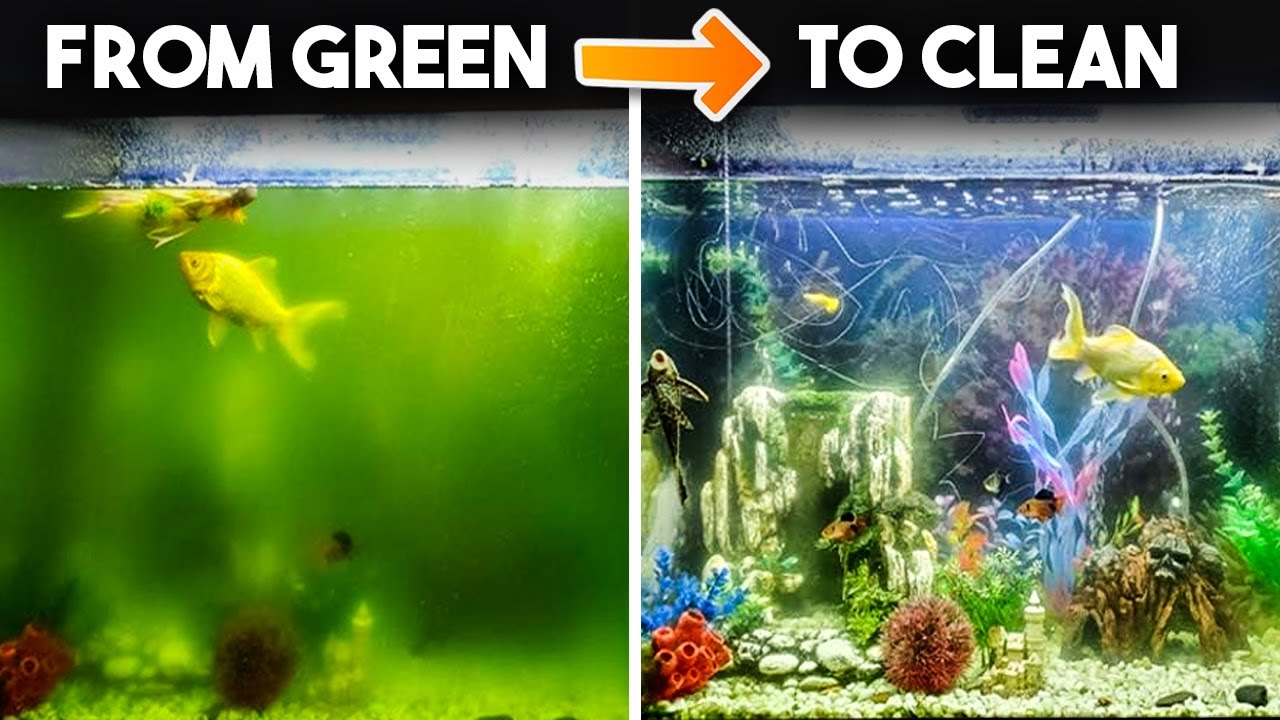
Combine methods for best results: fix light and feeding, improve filtration, and use UV or plants to maintain clarity.
Troubleshooting: when fixes don’t work
If water stays green after basic fixes, take a deeper look. Persistent blooms need careful troubleshooting to answer why is my water turning green in my aquarium.
Advanced checks:
- Test source water: Tap water may contain phosphates or microscopic algae.
- Inspect biological filter: Low beneficial bacteria can leave nutrients high.
- Check for hidden food: Overcrowded tanks hide extra waste that feeds algae.
- Consider substrate: Nutrient-rich substrates can slowly leach phosphates.
If multi-week attempts fail, a full clean and partial restocking may be needed. Keep records of steps you take; they guide next actions.
Personal tips and mistakes to avoid
Here are lessons from my tanks and service calls to help you avoid common traps when asking why is my water turning green in my aquarium.
Practical advice:
- Don’t overreact with strong chemicals on day one.
- Avoid overcleaning biological media; you can remove beneficial bacteria.
- Use live plants as allies, not just decoration.
- Keep a timer for lights to avoid accidental long photoperiods.
- Log maintenance: water tests, feedings, and changes to spot patterns.
One mistake I made was changing 90% of an unstable tank. It shocked the system and caused more trouble. Small, steady fixes work better.
Equipment checklist for prevention and recovery
Good gear makes solutions repeatable. Use this simple checklist when you face green water or want to prevent it.
Must-have items:
- Reliable test kit for nitrate, phosphate, ammonia.
- Properly sized filter and media.
- Timer-controlled aquarium lighting.
- Siphon and bucket for water changes.
- Optional: UV clarifier for persistent free floating algae.
Use equipment together with good habits. That combo answers why is my water turning green in my aquarium and keeps it clear.
Frequently Asked Questions of why is my water turning green in my aquarium
Why did my aquarium water suddenly turn green overnight?
Sudden green water usually means a fast algae bloom triggered by extra light or a nutrient spike from heavy feeding. Quick water changes and reducing light usually clear it within days.
Will green water harm my fish?
Free floating algae rarely harm healthy fish directly, but it reduces visibility and oxygen at night and signals water quality issues that can stress fish. Fix the root causes to protect fish long-term.
Can live plants stop green water?
Yes. Fast-growing live plants compete with algae for nutrients and often reduce blooms when established. Combine plants with good maintenance for best results.
Is a UV sterilizer safe for my tank?
A properly sized UV sterilizer is safe and effective at clearing free floating algae. It does not remove nutrients, so pair it with water changes and nutrient control.
How often should I test water when algae appears?
Test weekly until the issue is resolved, focusing on nitrate, phosphate, and ammonia. Regular testing helps you track improvements and avoid repeat blooms.
Conclusion
Green aquarium water is a clear sign of imbalance. By understanding why is my water turning green in my aquarium, running simple tests, and applying steady fixes—light control, nutrient reduction, better filtration, and targeted treatments—you can clear the water and stop blooms from returning. Start with quick, safe actions today: shorten the light cycle, do a partial water change, and test your water. Share your results, ask questions, or subscribe for more tank-care guides to keep your aquarium healthy and clear.