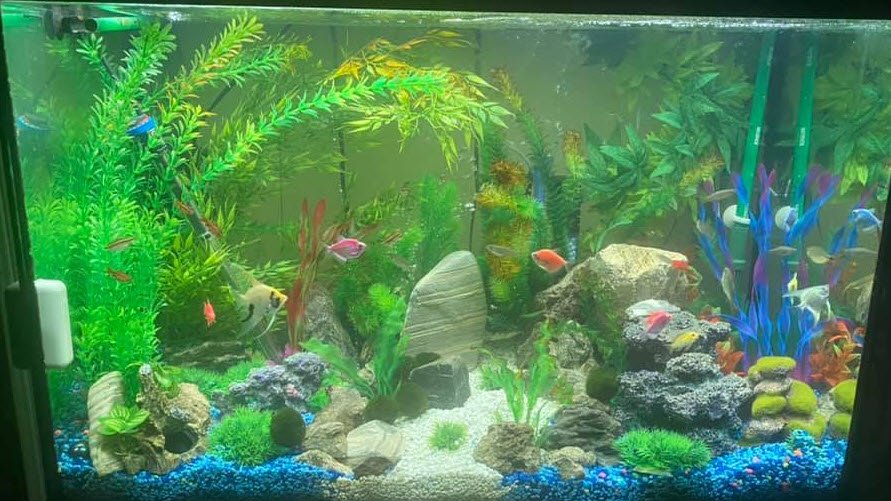
Most aquarium fish die from poor water quality, sudden changes, disease, and overcrowding.
I’ve kept aquariums for years and helped friends troubleshoot sick tanks. In this guide I explain why fishes in aquarium die, using clear steps, simple science, and real examples from my experience. You’ll learn the main causes, how to test and fix problems, and practical tips to keep fish healthy. Read on to spot trouble early and save your fish.

Common reasons fish die in aquariums
Fish die for a few predictable reasons. Bad water, sudden changes, disease, and stress top the list. Understanding these causes makes prevention simple. Below I map the common failure points I’ve seen and how they relate to why fishes in aquarium die.

Water quality and the nitrogen cycle
Poor water quality is the single biggest reason why fishes in aquarium die. Ammonia from fish waste and uneaten food rapidly becomes toxic without a mature filter. Many hobbyists add fish too quickly before beneficial bacteria establish. Test water often for ammonia, nitrite, nitrate, and pH to prevent spikes.
- Symptoms of bad water include gasping at the surface, clamped fins, and lethargy.
- Weekly water tests and partial water changes keep levels safe.
- Cycling a tank before adding many fish prevents early losses.
Overfeeding, nutrition, and improper diets
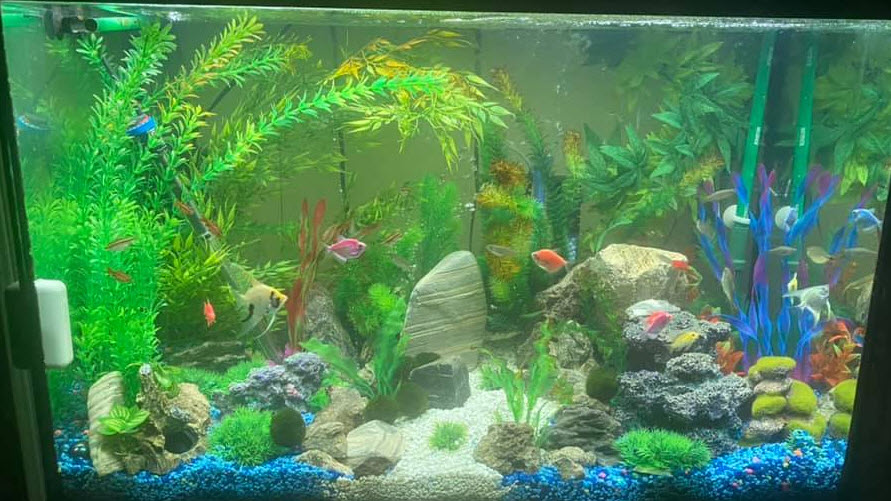
Overfeeding causes fouled water and obesity, another reason why fishes in aquarium die. Uneaten food rots and feeds bacteria that raise ammonia. Feed small amounts once or twice daily and remove leftovers after a few minutes. Offer a varied diet suited to each species for best health.

Disease, parasites, and quarantine
Illness and parasites are frequent culprits for why fishes in aquarium die. New fish can bring bacteria, fungi, or protozoa into your tank. I always quarantine new fish for two weeks and watch for signs like spots, frayed fins, or odd swimming. Early treatment and isolation stop outbreaks quickly.
Oxygen, filtration, and equipment failure
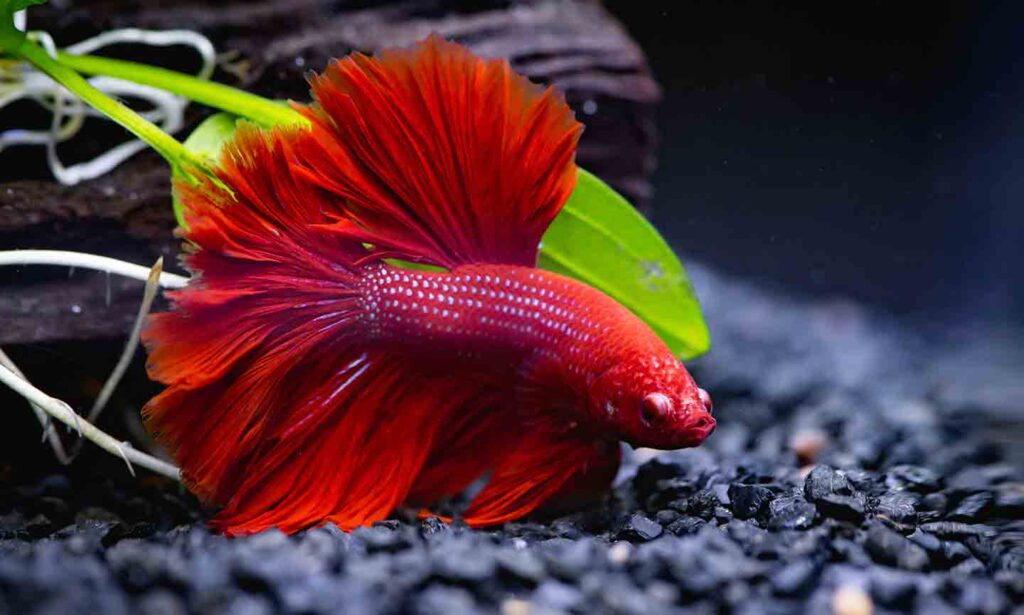
Low oxygen and failed filters are quick killers and explain many sudden die-offs — a key reason why fishes in aquarium die. Filters remove waste and provide surface movement that helps oxygenate water. Keep spare filters, clean media as recommended, and monitor air pumps. Simple equipment checks weekly prevent surprises.

Stress, handling, and incompatible tankmates
Stress cuts fish immunity and explains why fishes in aquarium die even when water seems fine. Rough handling, sudden moves, aggressive species, or constant noise all harm fish. Match species by temperament, avoid overcrowding, and acclimate fish slowly to new tanks. Calm environments lead to longer lives.
Tank size, stocking levels, and habitat setup
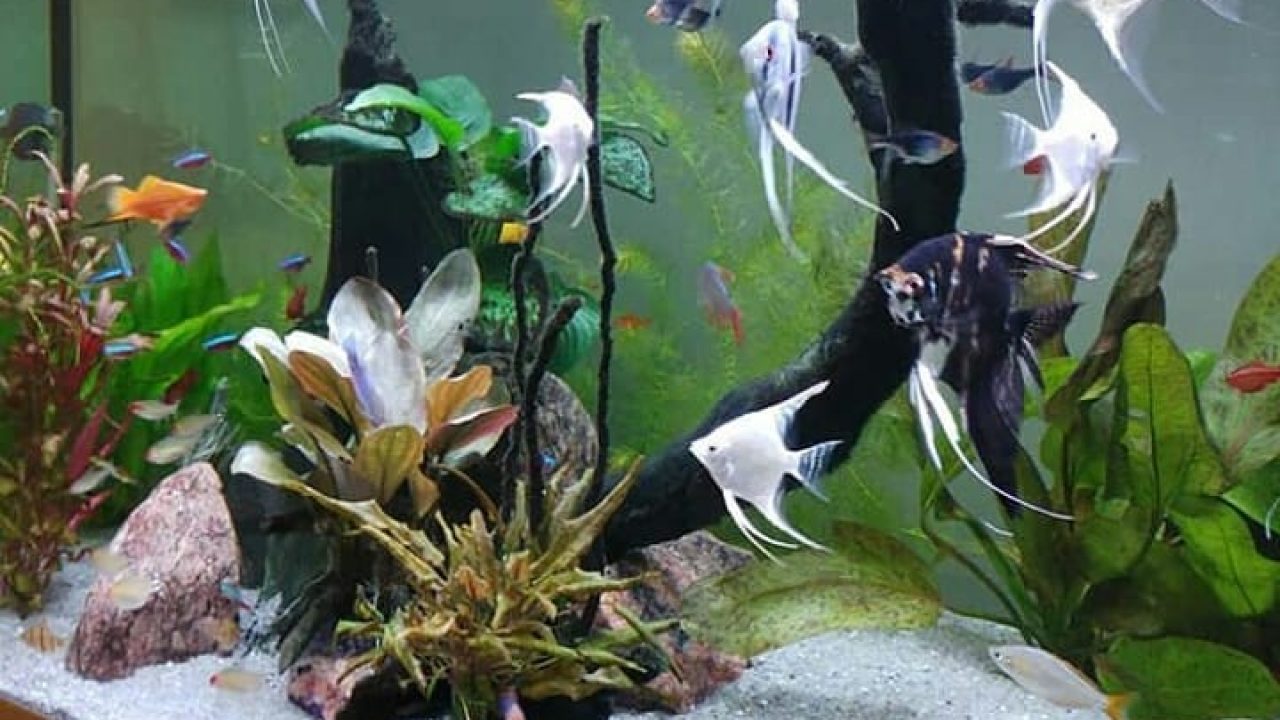
Under-sized tanks and overstocking are practical reasons why fishes in aquarium die. Small tanks show water parameter swings fast. Follow stocking guidelines and consider adult size for each fish. Provide hiding places, plants, and appropriate substrate to reduce stress and mimic natural habitat.

Temperature, pH stability, and sudden changes
Sudden temperature or pH shifts explain many unexplained deaths and are core reasons why fishes in aquarium die. Fish cope best with steady conditions. Use a reliable heater, thermometer, and stable source water. Make changes slowly and match new water’s temperature and pH during water changes.

Diagnosis, prevention, and a practical troubleshooting checklist
When fish start dying, act quickly. Use this checklist I’ve used as both a hobbyist and adviser to diagnose why fishes in aquarium die:
- Test water for ammonia, nitrite, nitrate, pH, and temperature.
- Check filter flow and oxygenation.
- Look for visible disease signs and isolate sick fish.
- Review recent changes: new fish, heavy feeding, or medication.
- Do a 25–50% water change if toxins are high and resume testing daily.
Keep a log of tests and changes. Patterns often reveal the root cause. Simple steps often reverse problems within days.
Personal experiences and lessons learned
Early in my fishkeeping I lost a small community tank. I had added many fish at once and saw a sudden ammonia spike. That experience taught me why fishes in aquarium die from rushed stocking. Now I add fish slowly, test weekly, and keep a quarantine tank. These small habits prevented repeat losses and gave me more fun with less stress.
Frequently Asked Questions of why fishes in aquarium die
Why do newly bought fish die after a few days?
New fish often carry stress and pathogens from shops. Quarantine new arrivals and acclimate slowly to prevent sudden death.
Can poor water cause sudden fish death?
Yes. Ammonia or nitrite spikes can kill fish quickly. Regular testing and immediate partial water changes help prevent this.
How often should I do water changes?
Weekly partial changes of 10–30% are common for stable tanks. Increase frequency after disease or parameter spikes.
Is overfeeding really dangerous?
Yes. Overfeeding causes waste buildup and toxic water. Feed measured portions and remove uneaten food.
Do tank decorations affect fish health?
Decor and plants influence stress and hiding places. Sharp decor can injure fish, while live plants improve water quality.
How long does it take to cycle a new tank?
Cycling typically takes 2–6 weeks depending on methods. Test for zero ammonia and nitrite before heavy stocking.
When should I use medication?
Use medication when a confirmed disease is present. Always isolate sick fish when possible and follow dosage directions.
Conclusion
Understanding why fishes in aquarium die comes down to steady care. Monitor water, avoid overcrowding, quarantine new fish, and act fast at the first sign of trouble. Small habits like testing water and gradual changes prevent most losses and make fishkeeping rewarding. Start with one clear change today — test your water or create a quarantine routine — and you’ll see immediate benefits. Share your story, subscribe for more tips, or leave a question below.