Fish often jump due to stress, poor water, instinct, or sudden disturbances.
As an aquarist with years of hands-on experience and a background in fish behavior, I will explain why fish jump out of water in aquarium, how to spot risks, and practical steps to stop it. This guide blends science, real-life lessons, and clear setup tips so you can keep your fish safe and calm.
Why fish jump out of water in aquarium: common causes
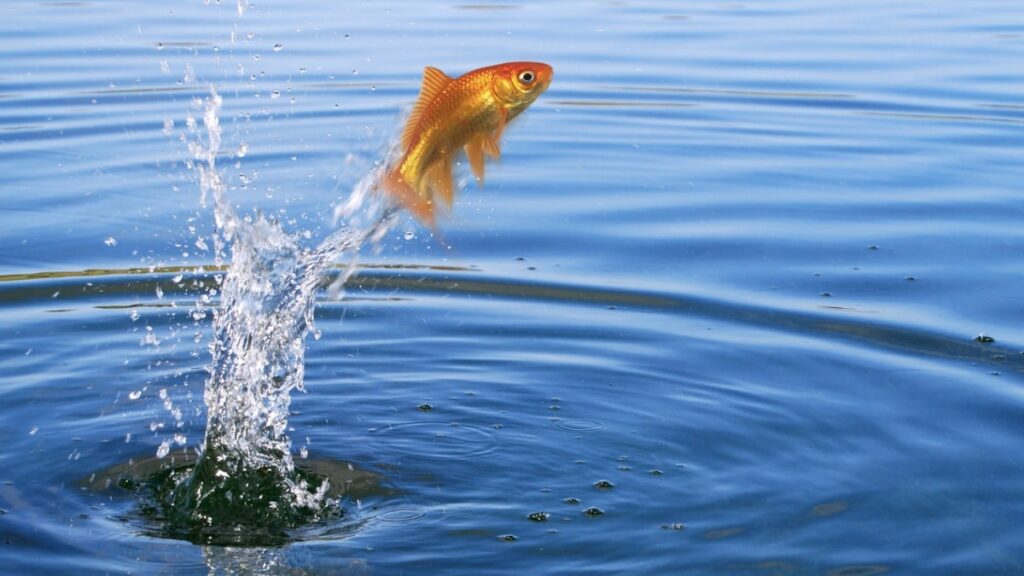
Fish jump for many reasons. Poor water quality is a top cause. If ammonia, nitrite, or very low oxygen levels rise, fish try to escape stress. Sudden loud noises, tapping, or splashing can startle them. Some species are naturally more prone to leaping. Disease or parasites can also make fish swim erratically and launch toward the surface.
- Poor water chemistry leads to gasping or frantic movement.
- Sudden disturbances cause reflex jumps out of fear.
- Territorial fights or chasing can push a fish over the rim.
- Breeding or feeding behavior includes short leaps for some species.

Stress, health, and environment: deeper explanations
Stress drives many jumps. Stress comes from poor water, wrong temperature, overcrowding, or bullying. Ill fish may try to escape discomfort and thrash near the surface. Low dissolved oxygen makes fish rise and gasp at the surface and sometimes leap.
- Check ammonia, nitrite, and nitrate often to reduce stress.
- Keep stable temperature and avoid wide swings in heat.
- Provide hiding places so shy fish feel safe and calm.
- Quarantine new or sick fish to prevent disease spread.
Tank setup and husbandry tips to stop jumping
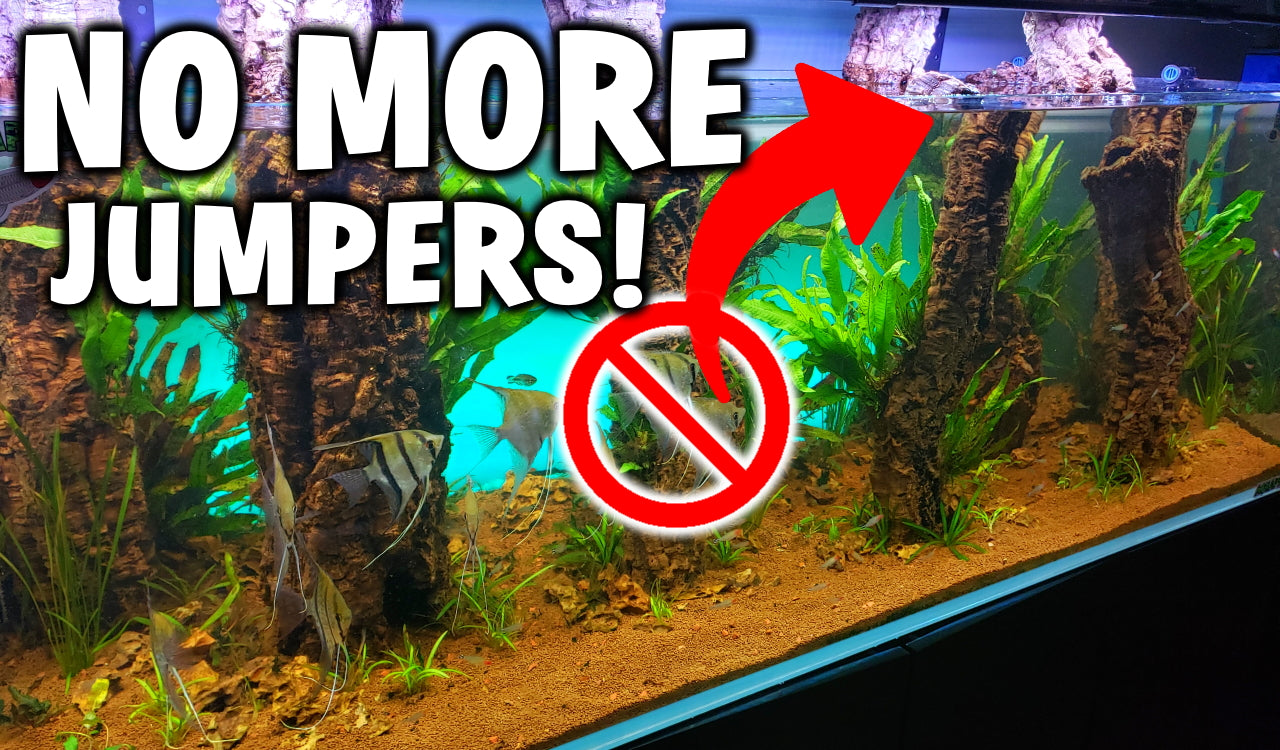
Good setup reduces chances your fish will leap. A tight-fitting lid is the simplest fix. Add floating plants and gentle currents to calm fish. Use soft lighting and avoid sudden changes in light that surprise your fish. Match tank mates carefully to avoid chasing and bullying.
- Install a secure lid or mesh cover that fits well.
- Use plants and decor to break lines of sight and calm fish.
- Keep water chemistry stable with regular testing and partial water changes.
- Choose peaceful species and avoid mixing highly territorial or nippy fish.

What to do if a fish jumps out of the aquarium
Act fast but stay calm. Scoop your fish gently into a clean net and into a container with tank water. Move it back to the tank slowly, avoiding sudden temperature or water chemistry shifts. Watch the fish for stress, injuries, or infection over the next few days.
- Use a clean, soft net and a temporary holding cup with tank water.
- Inspect for scale loss, bleeding, or signs of shock after return.
- Improve prevention: fix lid gaps, reduce stressors, and adjust tank conditions.

Species that commonly jump and why
Some fish are natural jumpers. Killifish, bettas, arowanas, and many cichlids are known to leap. Surface air-breathing fish like gouramis and labyrinth fish sometimes jump while finding oxygen. Some catfish and plecos jump when searching for food or during spawning.
- Arowanas and similar jumpers need very secure lids.
- Bettas may leap during aggressive displays or when startled.
- Surface breathers jump less from oxygen stress and more from exploration.

Personal experience and practical lessons
I once lost a young gourami because a loose hood panel let it hop out during feeding. After that, I learned to double-check lids and lower feeding heights. I now use mesh clips and extra glass plates for peace of mind. Small steps cut risk a lot.
- Lesson learned: even calm tanks can produce surprises without a secure cover.
- Practical tip: keep a small cup of tank water ready for quick returns.

Troubleshooting checklist: quick steps to reduce jumping
When you worry about jumping, follow this checklist. It helps you find likely causes fast and fix them.
- Test water: ammonia, nitrite, nitrate, pH, and temperature.
- Inspect tank cover: close gaps and secure hinges or clips.
- Observe behavior: look for chasing, gasping, or erratic swimming.
- Adjust lighting and feed routine to avoid startle responses.
- Quarantine any new or sick fish until they are stable.
Common myths and facts
Myth: Fish always jump because they want out. Fact: Fish jump mainly from stress, not a desire to escape domestication.
Myth: A small splash is harmless. Fact: Even short jumps can injure scales or cause shock.
Myth: One jump means the tank is doomed. Fact: One jump is a warning sign; use it to troubleshoot quickly.
Why fish jump out of water in aquarium — preventative gear and products
Certain gear helps stop escapes. Hinged lids, glass tops, and clip-on meshes all work well. Surface skimmers and gentle filters improve oxygen and reduce surface agitation. Alarm sensors can alert you to lid movement or drops in water quality.
- Use a well-fitted hood or screening to block escape routes.
- Choose low-flow filtration or adjust output to prevent violent surface ripples.
- Consider an air stone or surface skimmer to keep oxygen steady.
Frequently Asked Questions of why fish jump out of water in aquarium
Why do fish suddenly jump out of the aquarium at night?
Fish may be startled by noises, household vibrations, or sudden lights. Night jumps can also happen when fish feel crowded or during mating sprees.
Can poor water quality make fish jump out of water?
Yes. High ammonia or low oxygen can force fish to gasp at the surface and sometimes leap. Regular tests and water changes prevent this.
Is a lid enough to keep fish from jumping out?
A lid is a key step but not the only one. Combine a secure lid with good water quality and calm tank conditions for best results.
Do all fish species jump out of aquariums?
No. Some species rarely jump, while others are prone to leaping. Research your species and set up lids if they are known jumpers.
What immediate steps should I take if a fish jumps out?
Gently return the fish in tank water using a soft net or cup, check for injuries, and watch for stress. Then fix the cause to prevent recurrence.
Conclusion
Understanding why fish jump out of water in aquarium helps you prevent stress, injury, and loss. Check water quality, secure the lid, choose calm tank mates, and watch behavior every day. Take action on the first sign of trouble and adjust your setup as needed.
Try one simple fix today: test your water and secure any loose cover. If you found this guide helpful, leave a comment with your experience or subscribe for more practical aquarium tips.