Most aquarium fish fail to breed because of stress, poor water, wrong mixes, and lack of triggers.
As an aquarist with years of hands-on experience, I’ve helped many tanks go from barren to bustling with fry. This article explains clearly why don't aquarium fish reproduce, what usually stops them, and simple, proven steps you can take to encourage breeding. I will mix practical tips, real-life examples, and scientific reasoning so you can diagnose and fix the most common barriers to fish reproduction quickly. Read on to learn why don't aquarium fish reproduce and how to change that.
Why aquarium fish often don't reproduce: the top environmental barriers
Water quality drives fish behavior. Poor water, wrong temperature, or unstable chemistry block breeding triggers. Many fish only spawn when conditions match their wild breeding cues. If you ask why don't aquarium fish reproduce, poor water stability is the top answer.
Stress is another big factor. Loud rooms, constant handling, brutal filtration currents, and sudden changes make fish hide or refuse to court. Overcrowding raises stress and reduces spawning activity.
Some species need seasonal cues. A stable tropical tank may lack the seasonal swings that trigger spawning in many fish. That is another reason why don't aquarium fish reproduce in otherwise healthy tanks.

Social and biological factors that stop mating
Many aquarium setups mix males and females wrong. If you have too many males, females get harassed and avoid spawning. If you have only one sex, reproduction cannot happen at all. This explains a common question: why don't aquarium fish reproduce when they look healthy?
Some fish need specific partner behaviors or pair bonds. Cichlids, bettas, and some gouramis show courtship or territory rituals. If those rituals can't occur, eggs are not laid or fertilized. Age and sexual maturity also matter. Young, immature fish may look adult but are not ready to breed.

Nutrition, conditioning, and health issues
Poor diet prevents gonad development. Fish need quality protein and varied foods to develop eggs and sperm. A meat-rich diet or live food often triggers breeding. One reason people ask why don't aquarium fish reproduce is they feed only flakes and miss conditioning steps.
Disease and parasites reduce fertility. Internal parasites, fungal infections, and chronic illnesses lower breeding drive. Treat health problems early and isolate sick fish to protect potential breeders.

Common mistakes hobbyists make that block breeding
Many mistakes are simple to fix. Common errors include:
- Overstocking the tank, which increases stress and competition.
- Keeping improper water temperature for the species’ breeding window.
- Using aggressive tank mates that kill eggs or intimidate breeders.
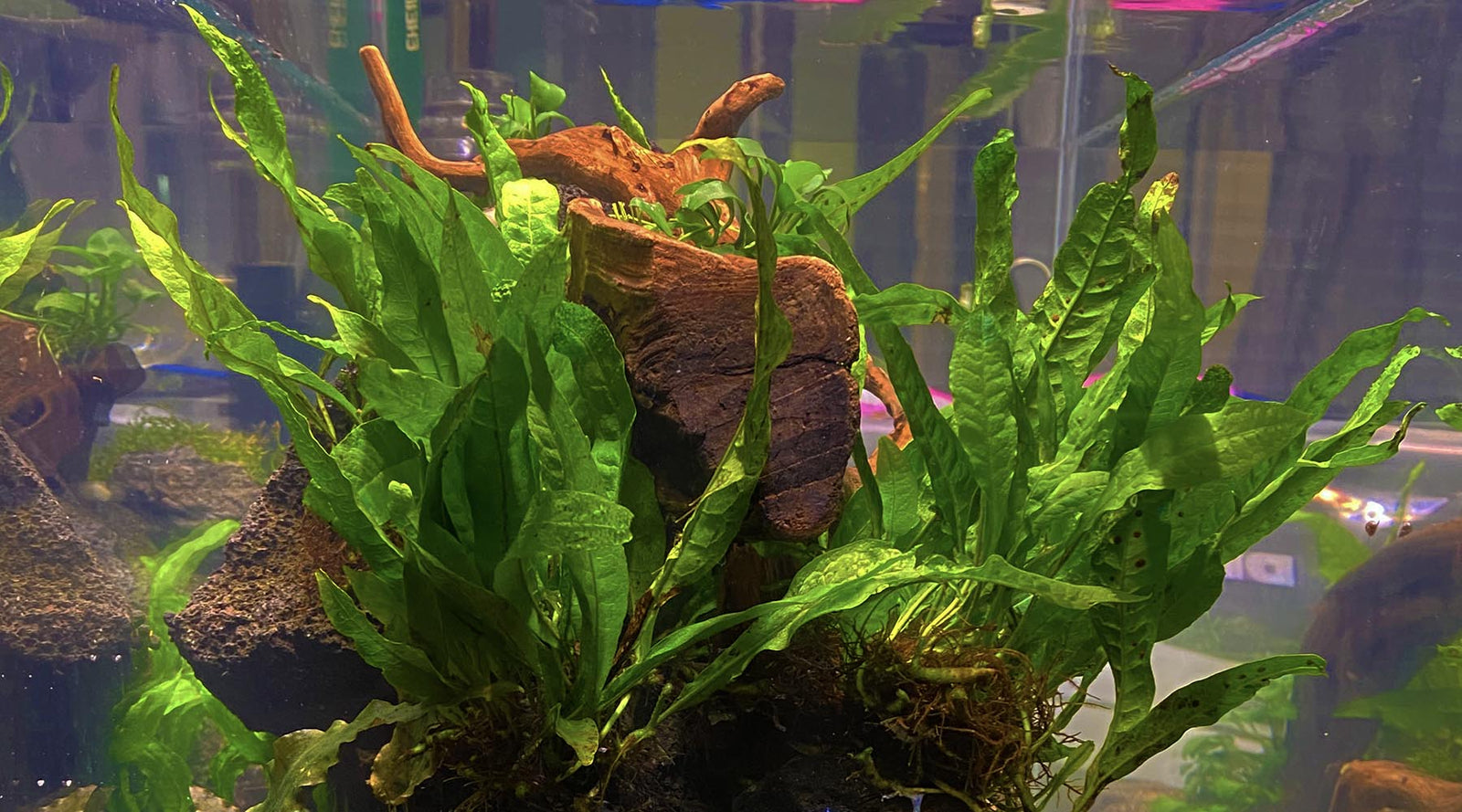
- Failing to provide hiding places or spawning sites such as plants or caves.
Each mistake answers part of the question why don't aquarium fish reproduce and is easy to remedy.

How to encourage breeding: a step-by-step plan
Follow these practical steps to boost success:
- Set stable water conditions. Keep temperature, pH, and hardness within species needs for at least two weeks.
- Adjust sex ratio. Provide at least one male for one or two females for many species to reduce harassment.
- Improve diet. Offer live or frozen foods like brine shrimp and bloodworms for 2–3 weeks to condition breeders.
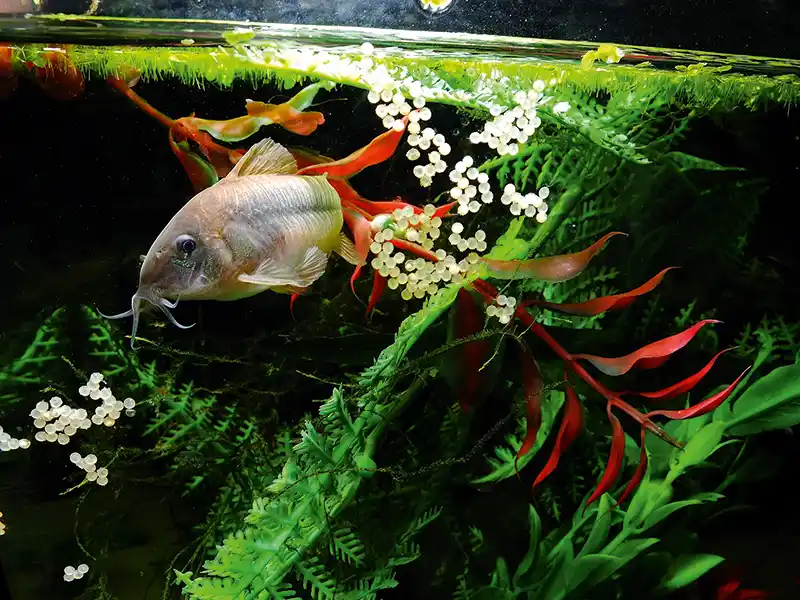
- Provide spawning sites. Use plants, caves, flat stones, or spawning mops depending on species.
- Simulate seasonal change. Gradually lower and then raise temperature and increase water flow or feeding to mimic rainy seasons.
- Protect eggs and fry. Move adults if they eat young or separate eggs in a breeder box if needed.
When people wonder why don't aquarium fish reproduce, following this plan resolves most causes.
Personal experiences and lessons learned
I once set up a planted 20-gallon community tank that never produced fry. I had good water and healthy fish, yet nothing happened. After I adjusted the sex ratio and added spawning plants, the pair started courtship within days. That taught me to always check social setup and habitat cues first.
Another time I lost fry because I used too-strong a filter. I learned to use a sponge filter for fry protection. Personal stories like these show practical ways to fix why don't aquarium fish reproduce issues faster.

Troubleshooting: diagnosing why breeding fails
Use these quick checks:
- Check water stability. Test ammonia, nitrite, nitrate, pH, and temperature daily for a week.
- Observe behavior. Are males displaying, or are fish hiding constantly?
- Inspect diet and health. Look for signs of parasites, cloudy eyes, or weight loss.
- Review environment. Are there plants, caves, and gentle currents?
If you run through these steps, most answers to why don't aquarium fish reproduce become obvious.
Frequently Asked Questions about why don't aquarium fish reproduce
Why don't my aquarium fish reproduce even though they look healthy?
Healthy appearance alone doesn't guarantee breeding. Many fish need specific triggers like temperature change, conditioning food, or a correct sex ratio to spawn.
Can water chemistry prevent aquarium fish from reproducing?
Yes. Sudden pH swings, incorrect hardness, or unstable temperature can stop courtship and egg development. Stable, species-appropriate water is essential for breeding.
Do all aquarium fish reproduce in captivity?
No. Some species are difficult or require specific seasonal cues and complex environments that are hard to mimic in home tanks. Livebearers are generally easier than many egg layers.
Should I separate parents from fry to improve survival?
Often yes. Some adults eat eggs or fry. Use a breeder box, a separate rearing tank, or provide dense plants so fry can hide until they grow.
How long does conditioning take before fish will spawn?
Conditioning usually takes 1–4 weeks of improved diet and stable water. Some species may need longer or additional seasonal triggers to begin spawning.
Conclusion
Most breeding failures trace back to stress, wrong social mixes, poor water stability, or lack of breeding cues. By checking water quality, adjusting sex ratios, improving diet, and providing appropriate habitat, you can resolve the main reasons why don't aquarium fish reproduce. Start with small changes and watch for behavior shifts—breeding often follows quickly when conditions fit the species. Try one change at a time, track results, and share your wins or questions in the comments to learn faster.