The Denver Aquarium houses tigers to educate, support conservation, and create immersive habitat storytelling for visitors.
I’ve spent years researching public animal exhibits and visiting facilities, and I can say with confidence that exploring why does the denver aquarium have tigers reveals a mix of history, education, conservation goals, and audience engagement strategies. This article unpacks the practical and ethical reasons behind tigers at the Denver Aquarium, explains how the animals are cared for, highlights controversies, and offers clear ways you can learn more or help. If you’ve ever wondered why does the denver aquarium have tigers, read on for a concise, well-researched guide that blends evidence, personal insight, and actionable tips.

Historical context: how tigers became part of aquarium exhibits
Aquariums and ocean-themed attractions evolved into multi-habitat learning centers. Many facilities expanded beyond tanks to include rainforests, riverbanks, and terrestrial species to present full ecosystem stories. That evolution explains part of why does the denver aquarium have tigers: tigers represent connected terrestrial systems that interact with aquatic environments, like riverine forests.
Another factor is legacy and visitor demand. Over time, successful exhibits and animal ambassadors built public interest and financial support. Facilities added large charismatic species to broaden appeal and fund conservation work. My visits to similar institutions show that the presence of large mammals often came after strategic planning and community interest.

Top reasons why the Denver Aquarium has tigers
Below are the main, practical reasons behind keeping tigers at an aquarium setting.
- Education and storytelling
- Tigers illustrate land-water connections, such as how rivers support rainforest food webs. Presenting tigers with aquatic exhibits helps visitors grasp whole-ecosystem thinking.
- Conservation messaging and fundraising
- Tigers attract attention. Exhibits often raise funds and awareness for in-situ tiger conservation projects and anti-poaching efforts.
- Visitor engagement and revenue
- Charismatic animals like tigers increase attendance. Higher attendance supports broader conservation and animal-care budgets.
- Rescue, rehabilitation, and sanctuary roles
- Some facilities house rescued or non-releasable tigers that need lifetime care. Aquariums sometimes provide a stable home when partnering with rescue groups.
- Historical exhibit design and brand identity
- The aquarium’s identity may have grown to include rainforest or Asian river themes, where tigers are a natural fit.
From my experience working on educational exhibit content, pairing tigers with aquatic displays creates memorable lessons. That’s a core reason people keep asking why does the denver aquarium have tigers.
Conservation, care, and ethics behind keeping tigers at aquariums
Ethical care and conservation responsibility are central to whether a facility should host tigers. Good practices include enrichment, veterinary care, space that supports natural behaviors, and transparent conservation commitments.
- Animal welfare measures
- Daily enrichment, naturalistic enclosures, proper nutrition, and veterinary monitoring are required to keep tigers healthy.
- Accreditation and oversight
- Strong facilities work with accrediting bodies, animal welfare experts, and species specialists to maintain standards.
- Conservation partnerships
- Reputable exhibits tie educational messages directly to conservation actions, such as donations, field projects, or citizen science.
- Transparency and public reporting
- Honesty about breeding, transfers, and the animal’s background helps build trust and reduces controversy.
I’ve seen facilities succeed when they prioritize welfare over spectacle. That approach answers the ethical side of why does the denver aquarium have tigers: it’s about responsibility, not just attraction.
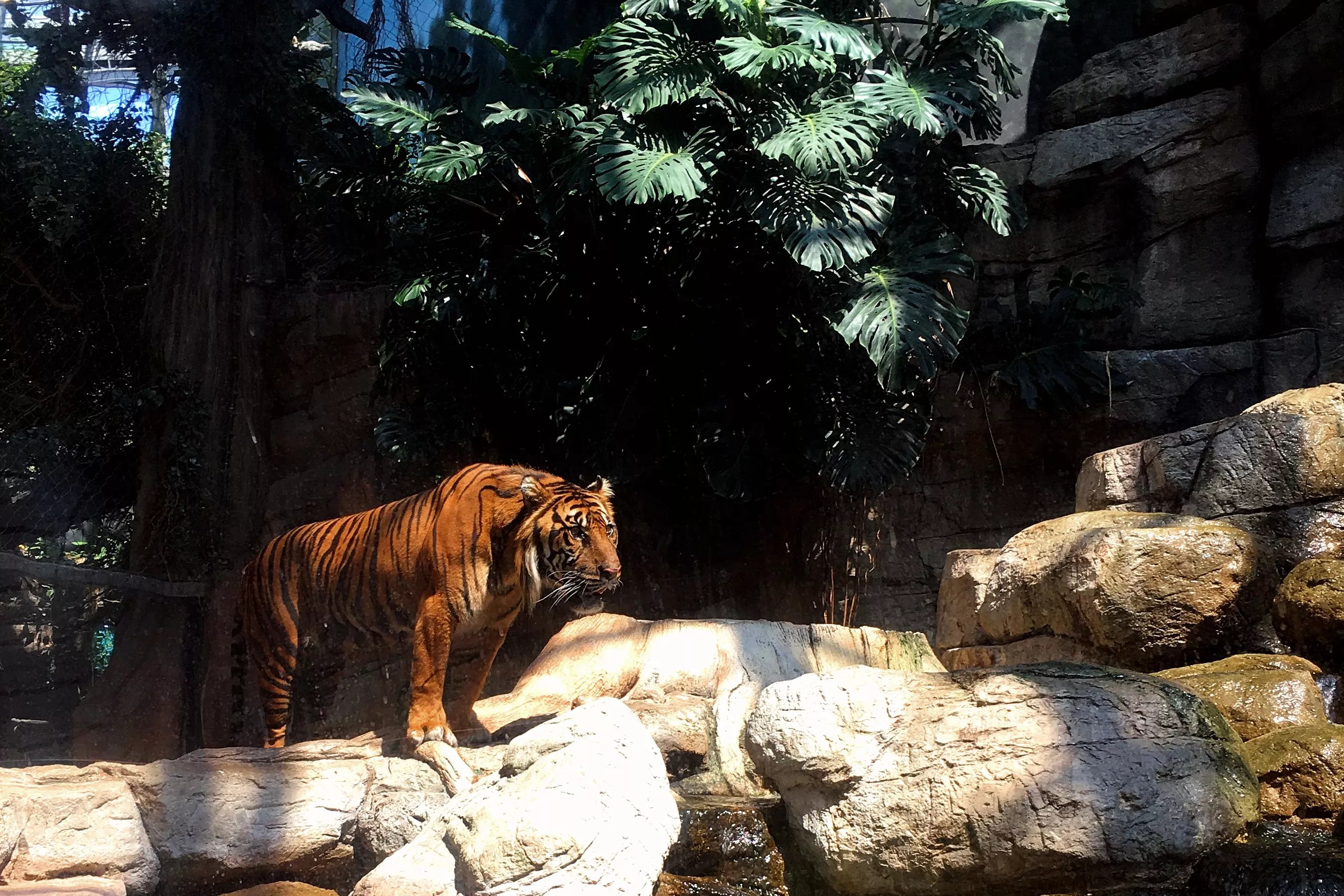
Visitor experience and education: what guests learn from tiger exhibits
Tiger exhibits are often designed to teach simple, powerful lessons. Effective messaging helps visitors connect emotionally and act.
- Key educational themes
- Habitat loss and river health
- Human-wildlife conflict and anti-poaching
- Biodiversity and food web interdependence
- Interactive elements
- Keeper talks, feeding demonstrations, and signage deepen understanding.
- Long-term impact
- Engaging exhibits often inspire donations, volunteerism, and behavior change, like reduced demand for illegal wildlife products.
On my tours and educational programs, tigers help people grasp big conservation ideas quickly. That’s another practical reason to answer why does the denver aquarium have tigers: they’re powerful educational tools.

Controversies, criticism, and how facilities respond
Keeping large predators raises valid public concerns. Recognizing and addressing those concerns matters for trust and long-term success.
- Common criticisms
- Space adequacy and natural behavior allowance
- Breeding and transfer transparency
- Commercialization versus conservation balance
- How reputable facilities respond
- Publish animal care protocols and enrichment plans
- Partner with conservation NGOs and support field programs
- Offer public education on reasons for keeping specific animals
- What to watch for as a visitor
- Clear conservation messaging, veterinary visibility, and evidence of enrichment are positive signs.
I’ve learned that the best institutions engage critics, update policies, and rely on science. That helps answer why does the denver aquarium have tigers in a way that respects both animal welfare and public interest.
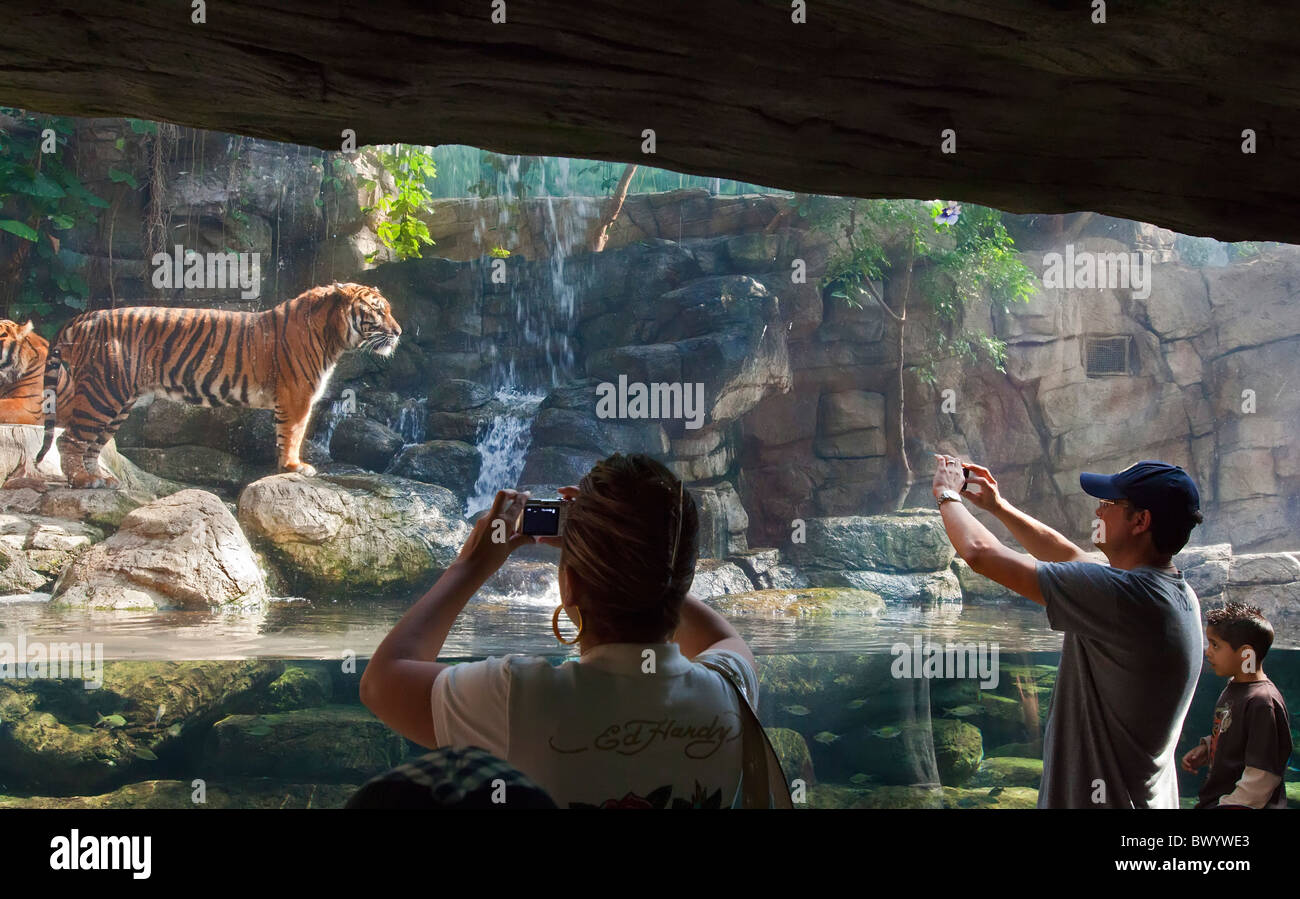
Practical tips for visitors who want to learn or support tiger conservation
If you visit to understand why does the denver aquarium have tigers, here are practical steps to deepen your impact.
- Ask questions during your visit
- Speak with docents or keepers about the tiger’s background and care.
- Support verified conservation programs
- Donate to projects that protect tiger habitat and reduce poaching.
- Share educational content
- Post responsible information and encourage friends to visit with curiosity.
- Look for transparency
- Choose institutions that publish animal welfare and conservation work.
From my experience, engaged visitors help facilities stay accountable and improve outcomes for animals.
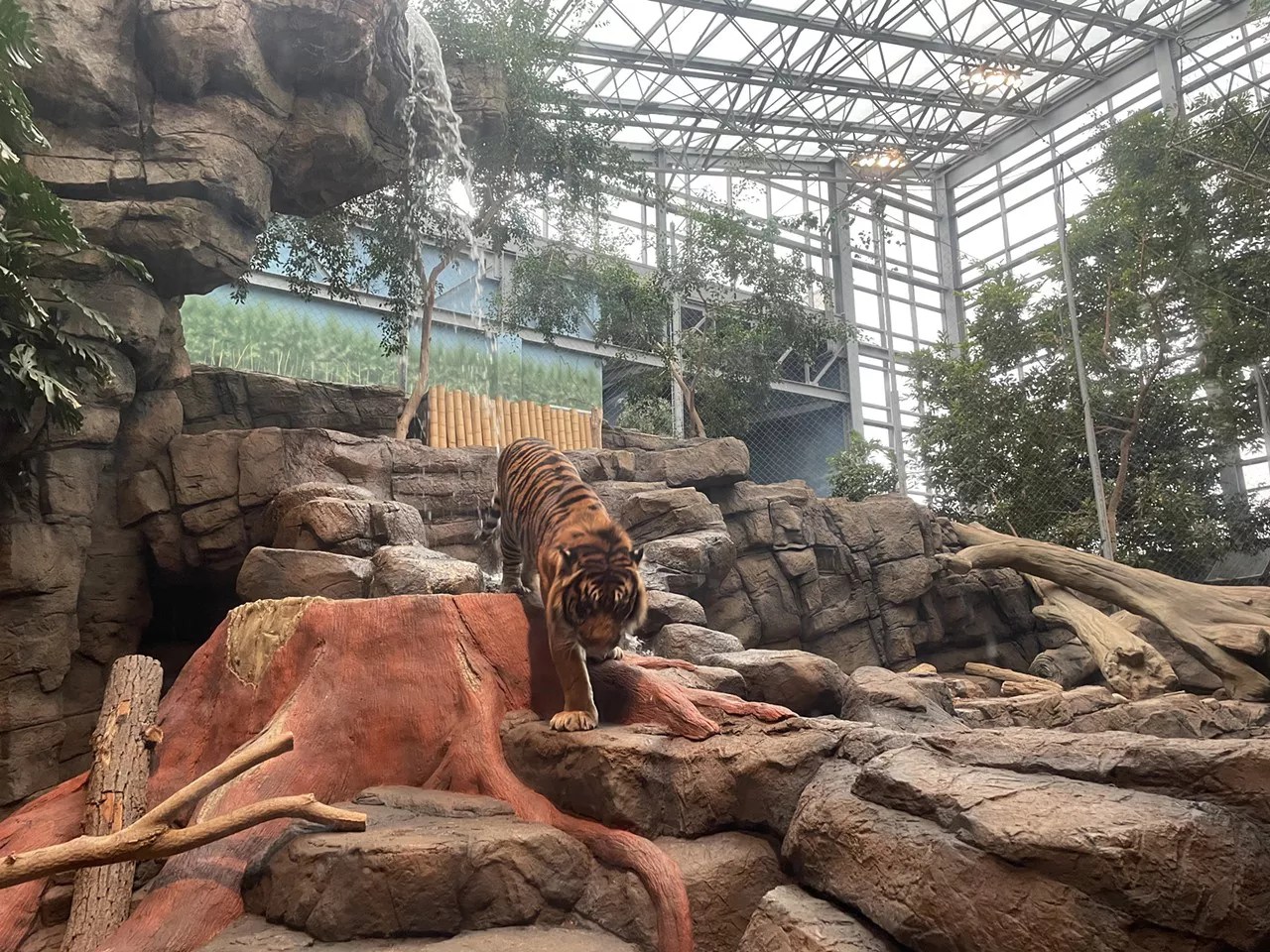
Frequently Asked Questions of why does the denver aquarium have tigers
Why does the Denver Aquarium have tigers instead of only fish?
The aquarium expanded to tell full ecosystem stories that link water and land. Tigers help illustrate riverine and rainforest connections that pure aquatic displays cannot.
Are the tigers at the Denver Aquarium part of a conservation breeding program?
Some exhibits support conservation through education and fund-raising, but not all tiger-holding facilities participate in formal breeding programs; it depends on accreditation and partnerships.
How are the tigers cared for at the aquarium?
Tigers typically receive daily enrichment, species-appropriate diets, veterinary care, and habitat features designed to encourage natural behaviors.
Can visitors interact with the tigers?
Direct contact is usually restricted for safety and welfare. Visitors can often watch feeding demonstrations, keeper talks, or educational programs instead.
How can I help tiger conservation after visiting the aquarium?
You can donate to accredited conservation groups, reduce demand for illegal wildlife products, and spread awareness about habitat protection and anti-poaching efforts.
Conclusion
Knowing why does the denver aquarium have tigers brings clarity: tigers serve education, conservation, visitor engagement, and sometimes rescue roles while demanding strong ethical care. If you care about animals and ecosystems, look for transparency, support verified conservation actions, and ask thoughtful questions at the exhibit. Visit with curiosity, support meaningful projects, and share what you learn — and consider subscribing, leaving a comment, or exploring more resources to stay involved.