
Putting metal in an aquarium is dangerous because it can rust, leach toxic chemicals, and poison your fish. As a lifelong aquarium enthusiast, I've seen firsthand how a seemingly harmless decoration can turn a thriving underwater world into a toxic trap. Understanding why you should avoid putting anything metal inside an aquarium is one of the most crucial lessons for any fishkeeper, new or experienced. This guide will walk you through the hidden dangers, explain which metals are the worst offenders, and show you beautiful, safe alternatives to keep your aquatic pets happy and healthy.
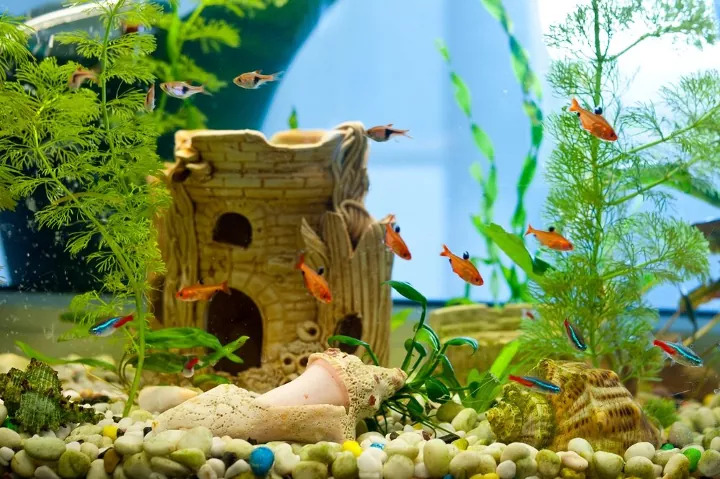
The Hidden Dangers of Metal in Your Aquarium
When you place a piece of metal in water, a chemical process called oxidation begins. You probably know it by its more common name: rust. While a little rust might not seem like a big deal, in the closed environment of an aquarium, it's a ticking time bomb. The problem isn't just the flaky orange substance; it's the heavy metals and other compounds that leach into the water as the metal corrodes.
Fish, shrimp, and snails are incredibly sensitive to changes in their water chemistry. Heavy metal toxicity can happen slowly, causing stress and weakening their immune systems over time. It can also happen rapidly, leading to sudden death with no obvious cause. I once helped a friend troubleshoot why his beautiful betta fish was suddenly lethargic and gasping at the surface. After checking all the usual suspects, we discovered a small, coated-metal decoration that had a tiny chip, exposing the raw iron underneath. That tiny chip was enough to poison the water. This experience is a key reason why you should avoid putting anything metal inside an aquarium.

How Different Metals Affect Your Aquatic Life
Not all metals are created equal, but most common ones are incredibly harmful to your tank’s inhabitants. The constant exposure to water accelerates their breakdown, releasing a steady stream of toxins. Here’s a look at some of the worst offenders and what they do.
Iron and Steel: The Rust Problem
Iron and most types of steel are the most common culprits for rust. As they oxidize, they release iron oxide into the water column. While iron is a necessary micronutrient for plants in tiny, controlled amounts, the uncontrolled leaching from a corroding object is toxic. It can irritate fish gills, making it harder for them to breathe, and cause severe stress that leads to disease.
Copper: A Double-Edged Sword
You might recognize copper as an ingredient in some fish medications used to treat parasites like ich. However, it is used in very precise, controlled doses. An uncontrolled source of copper, like a penny, a piece of wire, or a bit of pipe, is deadly. Copper is especially toxic to invertebrates. It can wipe out an entire colony of shrimp, snails, or other crustaceans in a matter of hours. This extreme sensitivity is a major reason why you should avoid putting anything metal inside an aquarium that houses these delicate creatures.
Aluminum, Lead, and Zinc: Silent Killers
These metals are pure poison in an aquarium. Aluminum can alter the pH of your water and is toxic to fish. Lead, sometimes found in weights for plants or old decorations, is a potent neurotoxin that causes neurological damage. Zinc, often used as a coating on galvanized metals, will quickly leach into the water and is highly toxic to all aquatic life. There is no safe level for these metals in your tank.

Are There Any "Aquarium-Safe" Metals?
This is a question I get asked a lot, and the answer is complex. Technically, a few metals are considered "aquarium-safe" because they are highly resistant to corrosion. The most well-known is 316-grade surgical stainless steel. It contains high levels of chromium and nickel, which form a protective layer that prevents rust. Titanium is another inert metal that is safe for aquariums.
However, there is a huge risk. It's nearly impossible for the average hobbyist to verify if a piece of metal is truly 316-grade stainless steel or titanium. A lower grade of stainless steel will eventually rust and cause all the problems mentioned above. For this reason, the safest and most responsible advice is to simply avoid it altogether. The potential risk to your beloved pets is not worth the aesthetic. Exploring why you should avoid putting anything metal inside an aquarium, even supposedly safe types, often leads back to this simple conclusion: it's better to be safe than sorry.
Safe and Beautiful Alternatives to Metal Decor
The good news is that you don't need metal to create a stunning aquascape. There are countless beautiful, natural, and completely safe materials you can use to decorate your tank. These alternatives will give you peace of mind and provide a healthy environment for your fish to thrive.
Here are some of my favorite aquarium-safe options:
- Natural Driftwood: Woods like Mopani, Spiderwood, and Malaysian driftwood add a beautiful, natural look. They also release beneficial tannins that can soften the water, which many fish species appreciate.
- Aquarium-Safe Rocks: Stones like slate, lava rock, dragon stone, and quartz are perfect for creating caves and structures. Always avoid rocks with metallic veins or ones that might alter your water's pH, like limestone.
- Resin Ornaments: Most decorations sold at pet stores are made from aquarium-grade resin. These are designed to be inert and will not break down in the water.
- Live or Silk Plants: Plants provide cover for your fish and add a vibrant touch of green. Live plants also help with water quality by consuming nitrates.
- Ceramic and Glass: Unglazed ceramic pots or glass marbles can be a fun addition. Just make sure any glazes are certified lead-free and food-safe before placing them in your tank.
My personal tip is to always prepare new items before adding them. I boil new driftwood and rocks to sterilize them and help them sink. This simple step ensures nothing harmful is introduced into the established ecosystem.
Frequently Asked Questions about why should you avoid putting anything metal inside an aquarium
What if a small metal object like a screw falls in my tank?
You should remove it immediately. Even a few hours can be enough for leaching to begin. After removing it, perform a partial water change as a precaution and monitor your fish closely for any signs of stress.
Is stainless steel always safe for aquariums?
Only high-grade (316) stainless steel is considered highly corrosion-resistant and safe. Lower grades will rust over time, so it's best to avoid it unless you are an expert and can 100% verify the material's grade.
Can I use metal mesh to attach moss?
You should only use mesh that is explicitly labeled as 316-grade stainless steel. A much safer, cheaper, and more common alternative is to use plastic craft mesh or a fishing line to tie down mosses and other plants.
My filter has metal parts. Is that dangerous?
Aquarium equipment from reputable brands uses aquarium-safe materials. The impeller shaft in a filter, for example, is typically made from ceramic, titanium, or 316-grade stainless steel because it's designed for constant submersion.
How can I tell if a decoration is metal?
If you are unsure, the easiest way to check for iron-based metals is with a magnet. If a magnet sticks to it, the object contains iron and will likely rust. When in doubt about any material, the safest course of action is to not put it in your aquarium.
Conclusion
The evidence is clear: the risks associated with putting metal in your aquarium far outweigh any potential benefits. From rust and corrosion to heavy metal poisoning, metal objects pose a serious threat to the delicate balance of your tank and the health of its inhabitants. Understanding why you should avoid putting anything metal inside an aquarium is a fundamental part of responsible fishkeeping.
Instead of taking a chance, embrace the wide world of safe and stunning alternatives. Choose natural woods, stones, and high-quality resin decorations to build a beautiful and, most importantly, healthy home for your aquatic pets. Your fish and invertebrates will thank you for it.
What are your favorite non-metal decorations for your tank? Share your creative ideas in the comments below to help inspire others in the hobby