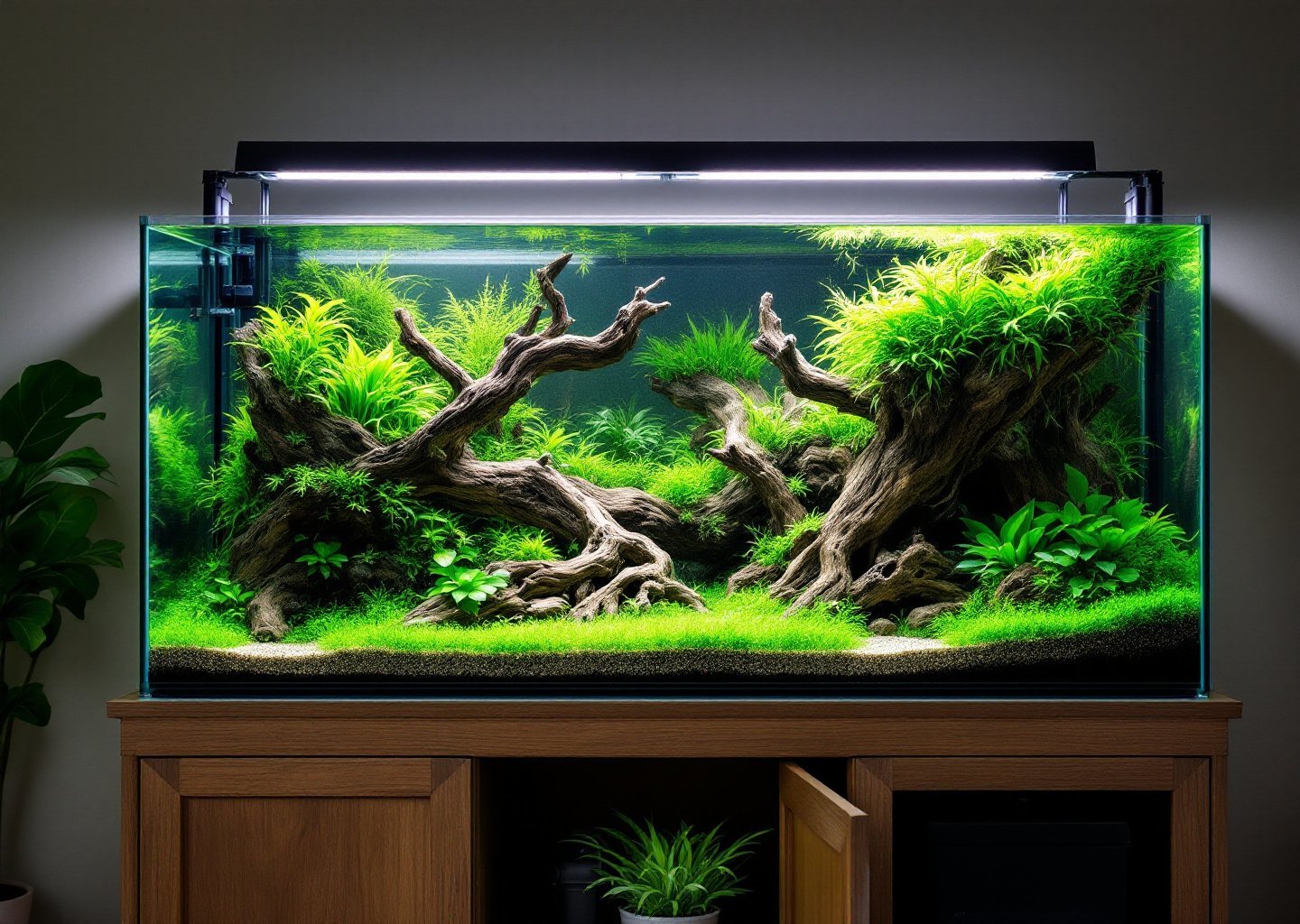
What I Learned After Burning Through Too Many Canister Filters on My 75-Gallon Tank
I thought I had everything figured out when I bought my first canister filter for my 75-gallon tank. It looked perfect on paper. The GPH rating was huge, the marketing was shiny, and the box basically promised I’d achieve water clarity that would make Disney animators cry. Three months later, I was hunched over the cabinet at 2 AM listening to a hum that felt like it was drilling straight into my skull. That filter was the first one I replaced. Then I replaced the second. By the time I found the setup I’m running today, I’d tested more canisters than I care to admit.
If you’re trying to find the best canister filters for 75-gallon tanks without repeating my mistakes, welcome. You’re in the right place.
I’m breaking down what actually matters when you run a canister filter on a 75-gallon tank. Not what the manufacturer claims, but what happens once the hoses kink a little, the impeller starts to age, and you’re cleaning gunk out of awkward corners that no brush on earth seems to fit into.
I’ll cover why flow rate math is a trap for beginners, what noise sounds like after six months (not day one), a real comparison of Fluval FX4 vs. FX6 for 75-gallon tank setups, how Eheim Classics stack up, how to size a canister filter for planted scapes vs. reef vs. community tanks, and what breaks first, what gets expensive, and what’s worth the hassle long term.
Understanding Flow Rate Math: Why 300 GPH Doesn’t Mean What You Think
Every beginner gets caught by this. Your box says 300 GPH, and your brain goes, “Great, four times turnover per hour, I’m set.” But that number is taken with zero media inside, no hoses attached, and the motor running in a fantasy vacuum where debris doesn’t exist.
Real-world flow drops fast. In a 75-gallon setup, you can lose anywhere from 10 to 50 percent or more of flow once you add sponge or bio media, depending on media type, porosity, amount used, and filter design. Another 10 to 20 percent disappears once you attach hoses. Six months of mulm buildup inside the tubing drops that again.
That 300 GPH filter may realistically deliver closer to 150 to 180 GPH after a few months. For a tank this size, the best filter flow rate for a 75-gallon fish tank usually lands around 450 to 700 GPH after media and head pressure are factored in.
When people ask, “What size canister filter do I need for a 75-gallon tank setup?” I point them toward models rated closer to 100 to 150 gallons. Sounds excessive, right? But it avoids the underpowered flow issues that crash water quality or lead to boring plant melt in CO2 tanks.
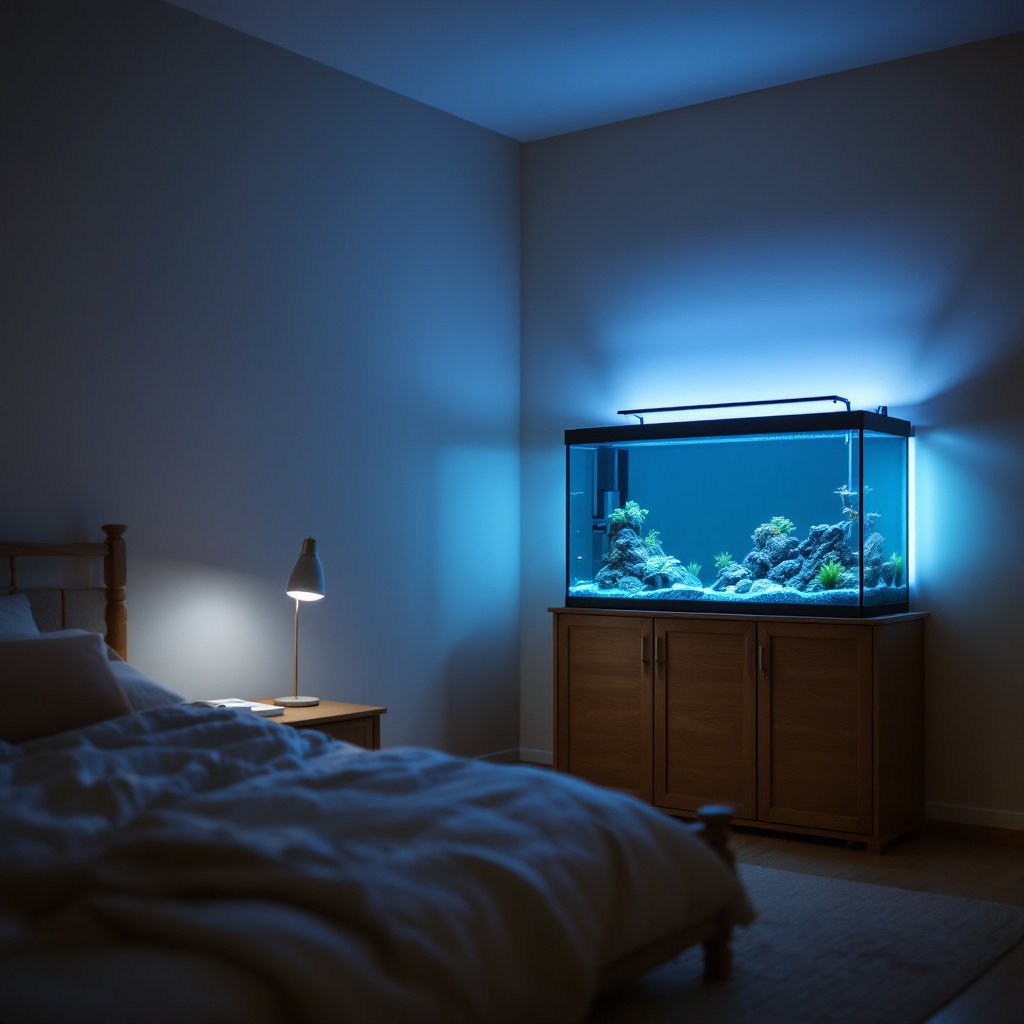
The Real Noise Test: Bedroom-Friendly Filters That Stay Quiet Long Term
Manufacturers test noise in a showroom. I test noise in my apartment, where the walls are thin enough that my neighbor’s chihuahua has become a recurring character in my work-from-home life.
Filters may sound quiet on day one, but the real test is three months of biofilm, one tiny bubble trapped near the impeller, and a lid that you didn’t quite seat perfectly.
Some filters that pass the true noise test for a 75-gallon tank:
- Fluval FX4: Surprisingly calm once it purges air. I ran this in my living room and forgot it was there unless I was trimming stems next to the cabinet.
- Eheim Classic 600: Old-school design that hums softly, kind of like a fridge in another room. Many people call it the best quiet canister filter for bedroom aquarium setups.
- Oase BioMaster 600: Its prefilter helps keep the motor smooth because gunk doesn’t make it into the main chamber as often.
Filters that failed my 2 AM stare-down? Cheaper SunSun models that start with a whisper and slowly morph into an irritated lawnmower. And any canister where the priming pump gets sticky, which creates that dreaded intermittent rattling sound.
Noise matters, especially in apartments. Spend the extra money. Quiet equals sanity.
Head-to-Head Showdown: Fluval FX4 vs. FX6 vs. Eheim Classic for 75 Gallons
I’ve run all three of these on different 75-gallon freshwater and planted setups. No marketing fluff here, just what actually happened.
Fluval FX4
Rated for tanks up to 250 gallons, but realistically perfect for a moderately stocked 75-gallon tank. Strong flow even after six months. My Fluval FX4 review for 75-gallon tank setups: power, control, and very forgiving even with messy fish like goldfish or cichlids. Easier to prime than older canisters.
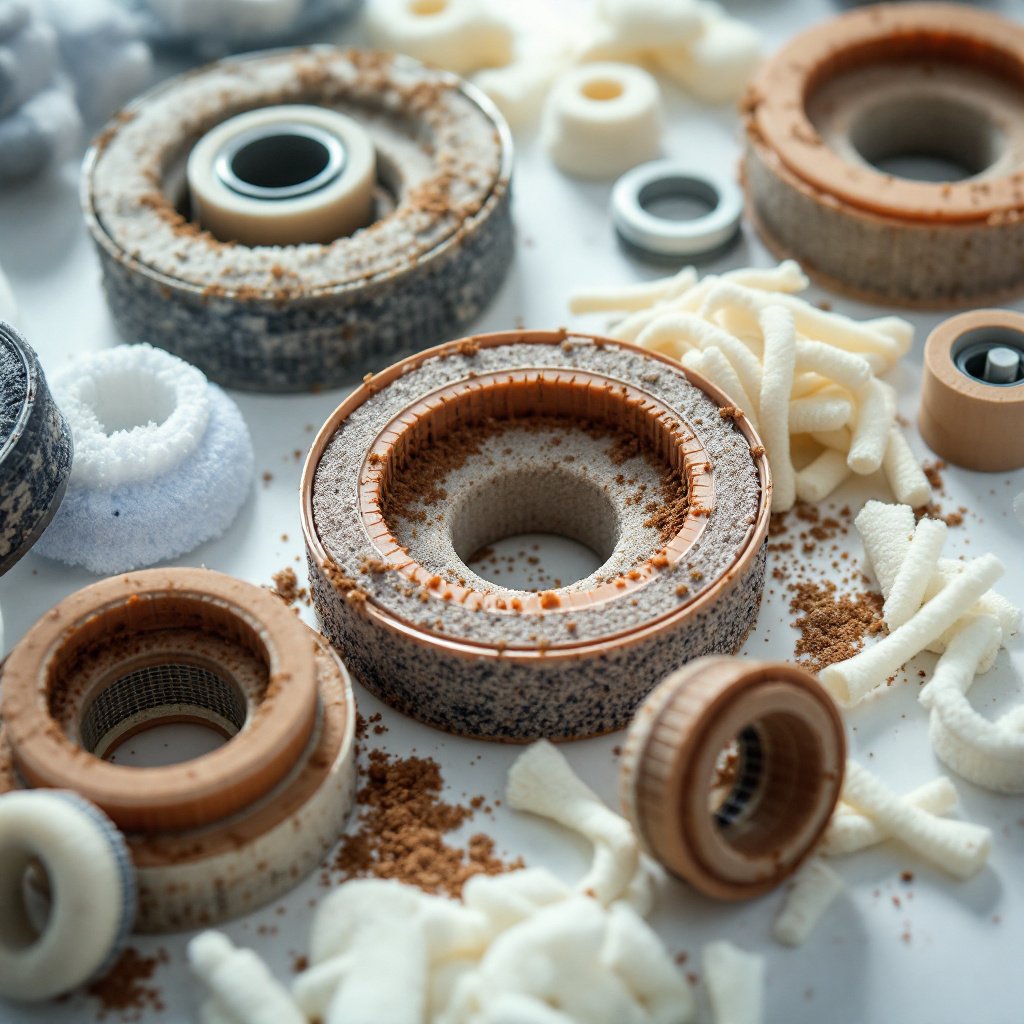
Downside: It takes up a good chunk of cabinet space, so measure before you get excited.
Fluval FX6
Rated huge and obviously oversized on paper for a 75-gallon tank, but it’s a dream if you’re overstocking or running heavy plants with CO2. Great if you want the best canister filter for 75-gallon planted tank CO2 setups that need circulation for gas distribution. Runs cooler and smoother under load than smaller canisters.
Downside: Total overkill for lightly stocked community tanks. Expensive too.
Eheim Classic 600
This thing is a legend for a reason. Very steady flow, very few parts to break, and cheaper long term. My pick for anyone who wants the quietest canister filter for large aquarium spaces.
Downside: No baskets. That means you’re stuffing media into a single chamber and digging through it on cleaning day.
Who Wins?
In a straight Fluval FX4 vs. FX6 for 75-gallon tank match, the FX4 wins for most people. The FX6 wins if you love power or run something demanding. Eheim wins for simplicity and low noise.
Planted Tank vs. Reef Tank vs. Community: Matching Filter to Setup Type
One mistake I made early on was buying filters based on tank size, not tank style. Turns out those two things aren’t the same at all.
For Planted Tanks
You want flow, but not a tsunami. Too much current uproots carpeting plants and blasts CO2 bubbles into a chaotic froth. When people ask how to size a canister filter for 75-gallon planted tank layouts, I tell them to stick to filters in the FX4 range or the Oase BioMaster 600. Enough flow, no tornado.
For Reef Tanks
Yes, you can run a canister filter on a reef, but it must be cleaned more often because trapped organics spike nitrates. If you want to try it, learn how to set up a canister filter for a 75-gallon reef tank with floss you replace weekly and heavy biological media.
For Community Freshwater Tanks
These setups are forgiving. Most mainstream filters marketed as canister filters for 75-gallon freshwater aquarium use will work fine. Just avoid underpowered units that stall out after a few months.
The 6-Month Reality Check: Maintenance, Media Costs, and What Breaks First
Every filter looks great on day one. But the honeymoon ends later.
What actually fails or gets annoying by month six?
FX Series
The impeller gets noisy if you never clean the shafts. Hoses stiffen and need trimming. But those media baskets stay easy to access, which saves your sanity on cleaning day.
Eheim Classic
Hose clips feel flimsy. No baskets means your hands smell like swamp after every deep clean. But nothing actually breaks, which is charming in its own way.
Oase BioMaster Series
That prefilter saves time. Seals need lubrication often. Replacement sponges get expensive if you buy official packs.
Hate maintenance? The BioMaster wins. Hate buying replacement parts? Eheim wins. Want brute force and long gaps between cleanings? FX series wins.
My Recommendations After Running All of These Under Real Conditions
Best Overall for Most 75-Gallon Tanks
Fluval FX4
Strong, quiet, reliable, and the best mix of flow and ease of use.
Best Budget-Friendly
Eheim Classic 600
Slow to clean but rock solid.
Best for Heavy Plants or CO2
Fluval FX6
Lots of flow, great headroom for future upgrades.
Best for Quiet Bedrooms or Offices
Eheim Classic 600
Soft hum that fades into the background.
Before you buy anything, ask yourself how much noise you can tolerate, how often you’re willing to clean it, and what you’re keeping in the tank. Your perfect filter is the one that keeps the water clear without making you curse during maintenance days.
Last week I walked past my tank at midnight, and the only sound was the gentle trickle of water hitting the surface. After all those failed filters and late-night frustration, that silence felt like a small victory. Took me three filters and probably too much money to get there, but I finally figured it out.