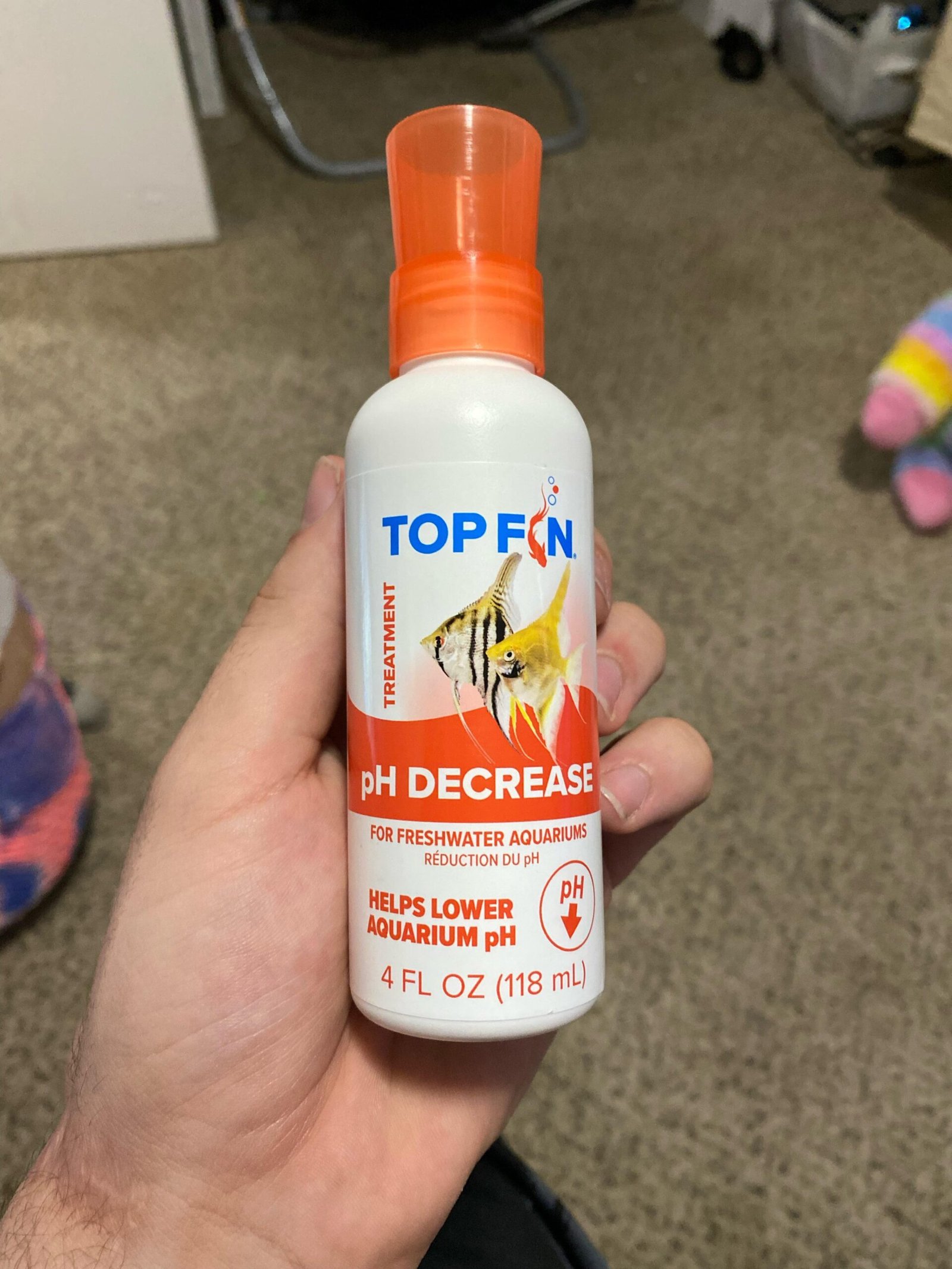
The pH level in aquariums can drop due to factors like excess CO2, organic waste, or insufficient buffering capacity.
Creating the perfect aquatic environment requires a keen understanding of water chemistry. If you've noticed your aquarium's pH dropping, you’re not alone. This issue can be both puzzling and concerning. To maintain the health of your fish, plants, and overall ecosystem, it's essential to understand why this happens and how to address it. This comprehensive guide explores the reasons behind the pH fluctuations in your aquarium and provides actionable solutions to stabilize these changes. Dive into this article to uncover expert insights that can help you maintain a harmonious underwater world.
Common Reasons for pH Drops in Aquariums
Understanding why your aquarium's pH is dropping requires diving into a combination of biological and chemical elements. Here are the most common reasons:
Excess Carbon Dioxide (CO2)
- Respiration: Fish and plant respiration increases CO2 levels, which can lower pH.
- Inadequate Aeration: Lack of proper air circulation can trap CO2, causing acidic buildup.
Organic Waste Accumulation
- Decomposing Matter: Fish waste, uneaten food, and dead plants create acid-forming organic acids as they decompose.
- Overfeeding: Exceeding feeding limits leads to more waste and higher organic load.
Insufficient Buffering Capacity
- Low Alkalinity: Lack of bicarbonates reduces water's ability to neutralize acids.
- Water Changes: Frequent changes with low-mineral water can strip essential buffering agents.
Introduction of New Elements
- New Substrates: Certain gravels or rocks can affect pH balance.
- Tap Water: Using untreated water that contains chemicals or lacks buffering minerals.
Practical Solutions to Stabilize pH
Maintaining a stable pH requires understanding and managing water chemistry effectively.
Test Regularly
- Use Testing Kits: Regular pH testing can identify fluctuations early.
- Monitor Alkalinity: Ensure proper bicarbonate levels for effective buffering.
Improve Circulation
- Enhance Aeration: Use air stones or water pumps to increase oxygen levels.
- Reduce CO2: Efficiently remove excess carbon dioxide with aeration and surface agitation.
Manage Organic Load
- Regular Maintenance: Clean the tank regularly to remove decomposing materials.
- Control Feeding: Avoid overfeeding to minimize waste production.
Adjust Water Chemistry
- Buffering Agents: Add baking soda or commercial buffers to stabilize pH.
- Change Water Source: Consider using distilled or reverse osmosis water with controlled mineral additions.
Frequently Asked Questions About Aquarium pH Drops
Why is pH stability important in aquariums?
Stable pH levels ensure a healthy environment for fish and plants, preventing stress and disease.
How often should I test my aquarium's pH?
Test your aquarium's pH at least once a week or after any major changes in the tank.
Can plants affect aquarium pH?
Yes, plants consume CO2 during photosynthesis, which can stabilize pH but may also cause fluctuations if CO2 levels vary.
What is the ideal pH level for most aquariums?
The ideal pH level varies based on species but generally ranges from 6.5 to 7.5 for freshwater aquariums.
How can I naturally increase my aquarium's pH?
Adding crushed coral or limestone can naturally raise and maintain a stable pH by increasing alkalinity.
Conclusion
Understanding why your aquarium’s pH is dropping is crucial for maintaining a healthy aquatic ecosystem. By identifying the causes—be it excess CO2, accumulated organic waste, or insufficient buffering—you can take proper steps to stabilize and maintain an ideal pH level. Regular testing, effective aeration, and mindful water management are key strategies you can implement. Take charge of your aquarium’s health today, and remember that a balanced pH is integral to thriving marine life. Consider subscribing for more insights and share your experiences in the comments to help others on their aquascaping journey.