
Overfeeding, bacteria blooms, and filter troubles are the most common causes of cloudy water.
I have kept and maintained many aquariums over the years, and I know how frustrating it is to ask, why is my established aquarium cloudy. This guide draws on hands-on experience and technical know-how to help you identify the cause, fix the problem, and prevent it from coming back. Read on for clear, step-by-step advice you can use today to restore crystal-clear water and a healthy tank.
:strip_icc()/cloudy-aquarium-water-1378803-3736ff0eb5b34aa0907ae9df2882a86e.png)
Common causes of cloudy water in an established aquarium
Cloudy water in an established aquarium usually stems from a few repeatable problems. Knowing the common causes speeds diagnosis and treatment.
- Bacterial bloom. New growth of harmless bacteria can make the water white or gray and milky. This often happens after a big water change, cleaning, or increased organic load.
- Algae bloom. Green or greenish water usually means free-floating algae. It grows fast with excess light and nutrients.
- Fine particulate matter. Sand, detritus, or very fine waste can make water look hazy brown or gray.
- Chemical reactions and tannins. Certain decorations, driftwood, or activated carbon changes can tint water brown or yellow.
- Filter problems. A clogged or undersized filter or lost bacteria colony can reduce clarity.
- Overfeeding and poor maintenance. Leftover food and fish waste raise nutrients and fuel bacteria and algae.
- New equipment or substrate disturbances. Stirring up substrate or adding media can temporarily cloud an established aquarium.
If you are asking, why is my established aquarium cloudy, start by checking these common triggers. They explain most cases.
How to diagnose the type of cloudiness
Pinpointing the type of cloudiness helps pick the right fix. Use simple checks and tests.
- Visual check. White or gray milky water points to bacteria. Bright green water means suspended algae. Brown tint suggests tannins or stirred-up debris.
- Smell. Strong foul smells can indicate decaying organic matter and high ammonia. A clean tank usually has little odor.
- Test water. Use test kits for ammonia, nitrite, nitrate, and phosphate. High ammonia or nitrite often follows cloudy water and needs fast action.
- Check filter flow. Reduced flow or noisy media suggests clogging or lost biological surface.
- Recent changes. Note recent water changes, new fish, heavy feeding, medication, or substrate work. These events often precipitate a bloom.
A clear diagnosis answers why is my established aquarium cloudy and guides the next steps.
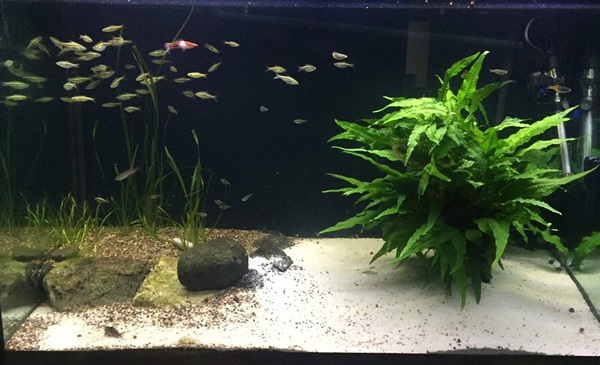
Step-by-step fixes for an established cloudy aquarium
Here are practical, safe steps to fix most cloudy water problems. Follow them in order and avoid quick chemical fixes unless necessary.
- Test water immediately
- Check ammonia, nitrite, nitrate, and phosphate.
- If ammonia or nitrite is above zero, act fast to protect fish.
- Do a partial water change (20–40%)
- Use a siphon to remove surface and substrate waste.
- Replace with dechlorinated water at the correct temperature.
- Improve mechanical filtration
- Clean or replace clogged pre-filter sponges.
- Rinse filter media in tank water, never tap water, to protect bacteria.
- Reduce feeding and stock stress
- Feed less for several days and remove uneaten food promptly.
- Remove sick or overly stressed fish if needed.
- Vacuum the substrate and remove debris
- Clean gravel or sand gently to avoid stirring up more cloudiness.
- Remove excess plant debris and detritus.
- Add or upgrade media wisely
- Use activated carbon to remove tannins and odors.
- Consider a fine mechanical pad or polishing floss for particulate removal.
- Consider a UV sterilizer for persistent green water
- UV sterilizers clear free-floating algae and bacteria over days.
- Use as a targeted tool, not a substitute for good husbandry.
- Avoid flocculants unless as a last resort
- Flocculants clump fine particles so filters can trap them.
- They can stress biofilters or fish if overused.
These steps help answer why is my established aquarium cloudy by addressing root causes, not just symptoms.

Preventing future cloudiness
Prevention is simpler than repeated fixes. Build a routine and habits that stop trouble before it starts.
- Regular testing. Check ammonia and nitrite weekly, nitrate and phosphate biweekly.
- Consistent water changes. Do 10–25% weekly or 25–50% biweekly depending on stocking levels.
- Feed wisely. Offer only what fish eat in two minutes, once or twice daily.
- Maintain filters. Rinse sponges in tank water monthly and change chemical media per manufacturer.
- Avoid overstocking. Keep fish numbers in balance with filter capacity and plants.
- Quarantine new fish. Prevent disease and bacterial spikes from new additions.
- Add live plants. Fast-growing plants consume nutrients that fuel algae.
- Control light. Limit aquarium light to 6–8 hours daily to reduce algae blooms.
Follow these steps and the question why is my established aquarium cloudy will become rare.

Equipment and water parameters that matter
The right equipment and stable water values keep water clear and fish healthy.
- Filter capacity. Aim for a filter rated at least 4x tank volume per hour. Higher flow helps mechanical removal.
- Biological media. Provide plenty of surface area for beneficial bacteria with ceramic rings or bio-balls.
- Heater and circulation. Keep temperature steady. Good circulation prevents dead zones where waste builds up.
- Test kits. Reliable test kits are essential. Replace expired test reagents.
- UV sterilizer. Useful for persistent free-floating algae or bacteria in large tanks.
- Water chemistry targets. Keep ammonia and nitrite at zero. Keep nitrate under 20–40 ppm for most tanks. Phosphate under 0.5–1 ppm helps limit algae.
If you wonder why is my established aquarium cloudy, check these items first. Many clarity issues trace back to poor equipment match or neglected parameters.

Mistakes I've made and real-life tips
I learned the hard way what not to do. These honest lessons will save you time and fish.
- I once cleaned every filter pad with tap water. That wiped out beneficial bacteria and caused a big bacterial bloom. Rinse media in tank water from then on.
- I overfed when introducing new fish. Food piled up and clouded the tank within 48 hours. Feed less and feed slowly.
- I trusted a single big water change to fix everything. That shocked plants and fish and disrupted stability. Smaller, more frequent changes are safer.
- I used flocculant as a quick fix and then lost filter efficiency. Now I use it only as a last resort and follow with careful filter maintenance.
- I added a lot of live plants and saw a dramatic drop in algae and clearer water in weeks. Plants are often the best preventative investment.
These real tips answer why is my established aquarium cloudy with tried-and-true fixes you can use today.
When to seek professional help or consider a reset
Some problems need expert attention or a full restart.
- Persistent high ammonia or nitrite after corrective steps needs pro help. Fish can decline fast.
- Repeated unexplained cloudiness after cleaning and water changes may mean a deeper bacterial or substrate issue.
- Widespread fish disease or sudden deaths mean get a vet or experienced aquarist involved.
- If set-up is unstable and poorly matched to stock, consider a controlled reset using healthy media transfers to keep beneficial bacteria.
If you keep asking why is my established aquarium cloudy and nothing works, reach out for help or plan a careful system reset.
Frequently Asked Questions of why is my established aquarium cloudy
Why is my established aquarium cloudy after a water change?
Cloudy water after a water change often means a bacterial bloom or stirred-up debris. Make sure new water matches temperature and that you did not clean all filter media at once.
Can overfeeding cause cloudiness in an established aquarium?
Yes. Overfeeding leaves uneaten food that breaks down and fuels bacteria and algae. Reduce feedings and remove leftovers to clear the tank.
How long will a bacterial bloom last in an established aquarium?
A bacterial bloom usually clears in a few days with reduced feeding and partial water changes. If ammonia or nitrite rises, take immediate action to protect fish.
Will adding activated carbon clear cloudy water?
Activated carbon helps remove tannins, odors, and some dissolved organics, but it does not remove bacteria or algae. Use it for discoloration, not as the first step for bacterial or algae blooms.
Is green water dangerous to fish in an established aquarium?
Green water is usually caused by free-floating algae and is not immediately toxic, but it reduces oxygen at night and stresses fish. Improve filtration, reduce light, and consider a UV sterilizer.
Conclusion
Cloudy water in an established aquarium is common and solvable. Start by testing water, checking filters, and reducing feeding. Diagnose whether the cloudiness is bacterial, algal, or particulate and apply the right fix: partial water changes, improved mechanical and biological filtration, careful substrate cleaning, and better husbandry. Use plants, proper stocking, and consistent maintenance to prevent trouble. Take action now: test your water, make one practical change this week, and track results. Leave a comment with your tank size and symptoms if you want tailored advice or subscribe for more aquarium care tips.