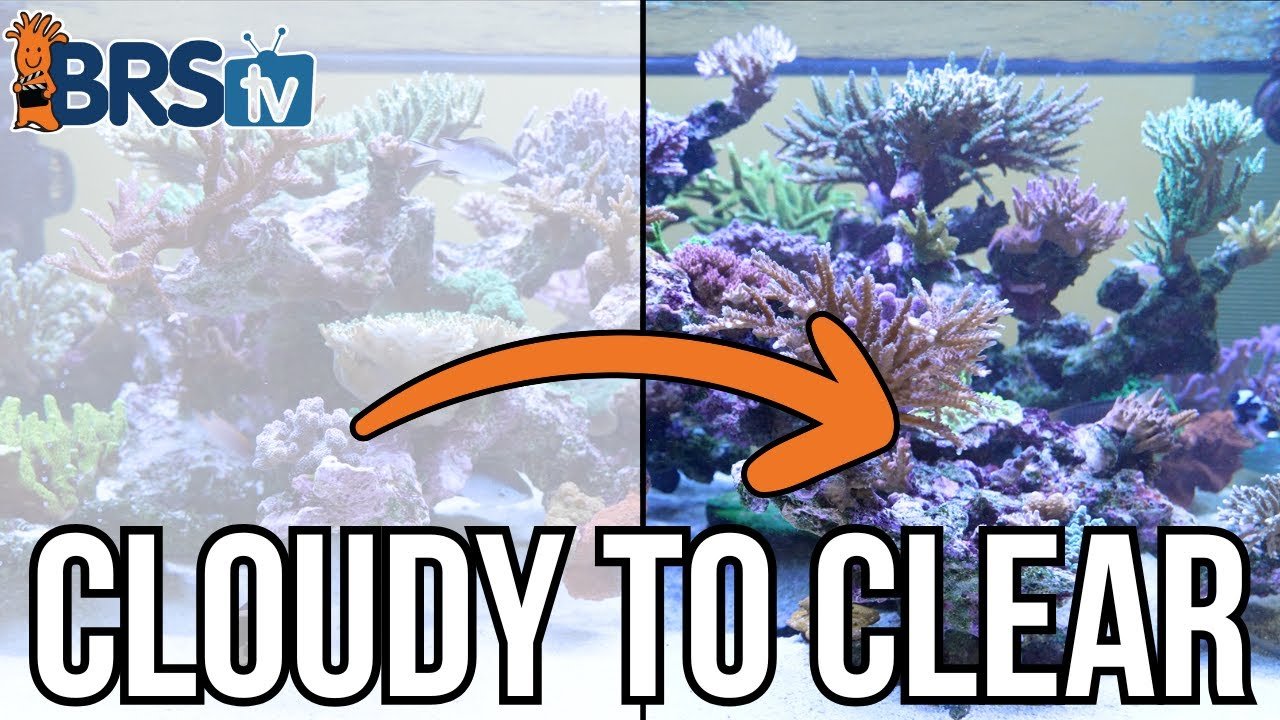
Cloudy saltwater aquariums often result from bacterial blooms, algae, detritus, or chemical imbalance.
I have kept marine tanks and worked with hobbyists for years, so I know how frustrating cloudy water can be. This article explains why is my salt water aquarium cloudy, how to diagnose the cause, and clear, practical fixes you can apply today. Read on to get step-by-step checks, simple fixes, and prevention tips that save time and protect your fish and corals.

Common causes of cloudy water in saltwater tanks
Cloudiness has several common roots. Knowing them helps you act fast.
- Bacterial bloom. A surge of free-floating bacteria makes water look milky. This often follows new tank setups, big water changes, or sudden nutrient loads.
- Algal bloom. Tiny phytoplankton or turf algae can tint water green or brown. Light and excess nutrients feed these blooms.
- Suspended detritus. Finely ground waste, sand dust, or crushed coral will stay suspended for days. Mechanical filtration may miss these particles.
- Dissolved organics and colloids. Proteins and organic molecules can create a hazy film that resists simple filtration.
- Chemical precipitates. Quick changes in calcium, carbonate, or phosphate chemistry can form tiny solids that cloud water.
- Filtration failures. Clogged filters or skimmer issues reduce water clarity quickly.
- Overfeeding and livestock die-off. Extra food or decaying animals spike nutrients and microbes.
If you ask "why is my salt water aquarium cloudy" start by checking these causes in order. I’ve seen bacterial blooms clear in a week, and mechanical debris settle in a day with the right steps.
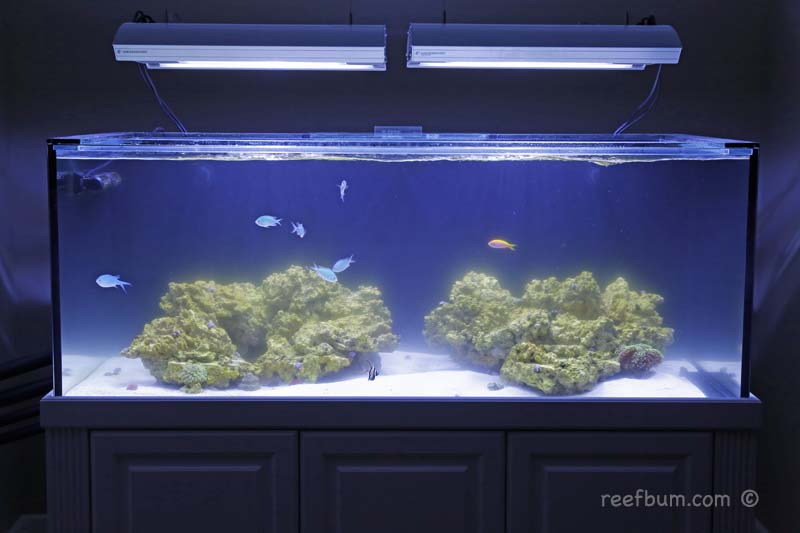
Types of cloudiness and what they look like
Clouds in saltwater tanks are not all the same. Identifying the look narrows the cause fast.
- Milky white haze. Classic bacterial bloom. Looks like diluted milk. Often appears after disturbance or in new tanks.
- Green or brown tint. Algal or phytoplankton bloom. Sunlight or strong bulbs plus nutrients cause this.
- Fine dust or gray haze. Sand or crushed coral suspended after work in the tank. Mechanical filtration helps.
- Film or rainbow sheen. Oil-like film from organics or surface protein. Skimming and surface agitation help.
- Crystalline sparkle. Chemical precipitate from dosing or sudden parameter swings.
When you wonder "why is my salt water aquarium cloudy," match the visual type first. Visual clues speed diagnosis and treatment.

How to diagnose the cause step by step
Follow a short checklist. Each step gives clues and helps avoid wasted fixes.
- Test water parameters.
- Check ammonia, nitrite, nitrate, phosphate, pH, salinity, calcium, and alkalinity.
- High ammonia or nitrite suggests a bacterial or biological imbalance.
- Inspect lighting and algae growth.
- Excess light or sudden changes indicate algal bloom risks.
- Look at recent changes.
- New sand, new livestock, recent dosing, or large feedings often trigger cloudiness.
- Examine filtration.
- Check skimmer foam, filter socks, and mechanical media for clogs or bypass.
- Do a simple jar test.
- Scoop tank water into a clear jar. Watch for settling over 24 hours to tell particulate vs. bacterial cloud.
- Note odors and behavior.
- Rotten smells or stressed fish point to decay and urgent water changes.
As you work, keep asking "why is my salt water aquarium cloudy" and check each clue. This logical approach saves time and money.
:strip_icc()/cloudy-aquarium-water-1378803-3736ff0eb5b34aa0907ae9df2882a86e.png)
Quick fixes and proven long-term solutions
Fixes depend on cause. Use the right tool for the job.
- For bacterial bloom
- Reduce feeding and lights. Do 10–20% water change daily until clearer.
- Add mechanical filtration like a clean filter sock and polish with fine floss.
- Consider a UV sterilizer for persistent blooms.
- For algal/phytoplankton blooms
- Cut lighting by 50% and limit photoperiod to reduce growth.
- Perform water changes and use phosphate-absorbing media.
- Run activated carbon to clear dissolved organics and tints.
- For suspended sand or detritus
- Use a turkey baster or siphon to remove debris.
- Replace filter media and polish water with a micron filter pad.
- For chemical precipitates
- Stop dosing and test calcium/alkalinity. Adjust slowly back to target.
- Use fine mechanical filtration to remove particles.
- For filtration problems
- Clean or replace clogged media. Re-prime canisters and pumps.
- Inspect return lines and protein skimmer operation.
From my tanks, the best immediate move is a modest water change plus improved mechanical filtration. That often clears cloudiness while you diagnose the deeper issue.

Preventing future cloudiness
Prevention saves you long-term headaches. Build a simple routine.
- Keep a regular maintenance schedule.
- Weekly 10–20% water changes and monthly deep filter cleaning cut risks.
- Test water regularly.
- Weekly tests for ammonia, nitrite, nitrate, and phosphate help catch problems early.
- Feed conservatively.
- Feed small amounts that fish eat in 2 minutes to reduce waste.
- Quarantine new additions.
- New fish or corals can carry pests and boost nutrients. Quarantine for 2–4 weeks.
- Use proper filtration.
- Protein skimmers, mechanical polish, and biological media balanced for tank size prevent cloudiness.
If you ask "why is my salt water aquarium cloudy" after good maintenance, the answer is often rare or specific. Good routine makes cloudiness uncommon.
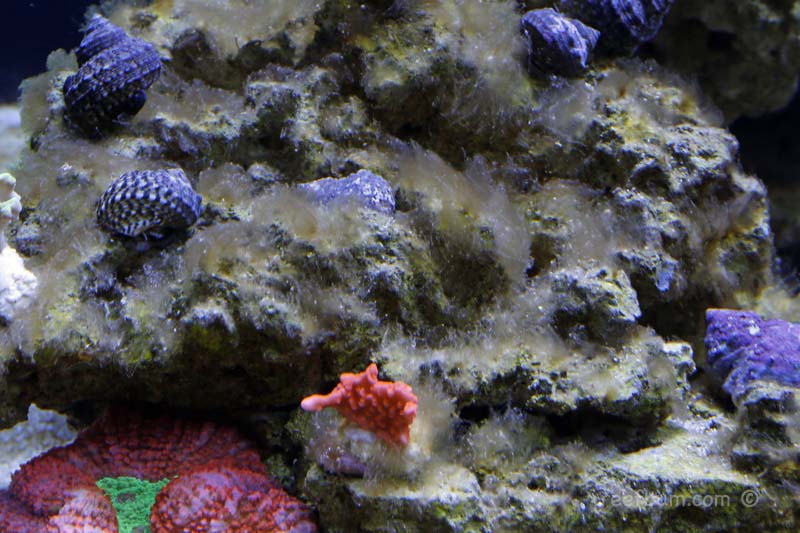
Common mistakes to avoid
Small errors make big messes. Avoid these traps.
- Overreacting with lots of chemicals. Sudden fixes can cause more imbalance.
- Excessive water changes. Too-large changes stress livestock and shift chemistry.
- Skipping filter maintenance. Dirty media leads to bypass and poor clarity.
- Ignoring test results. Guessing the cause wastes time and money.
- Rushing new tank startups. New tanks need time for biology to settle.
I once added many additives to clear cloudiness and made the problem worse. Slow, measured steps are the best path.

When to seek professional help
Some problems need expert attention. Call a pro if you see:
- Persistent cloudiness beyond two weeks despite correct steps.
- Rapid fish deaths or mass coral decline.
- Wild swings in pH, salinity, or ammonia you cannot control.
- Complex chemistry issues after dosing or supplements.
A trained aquatic specialist can run advanced tests and advise targeted treatments. If you ask "why is my salt water aquarium cloudy" and simple fixes fail, professional help is the right move.
Frequently Asked Questions of why is my salt water aquarium cloudy
Why is my salt water aquarium cloudy after a water change?
Cloudiness after a water change often comes from silicone, sand dust, or a bacterial bloom triggered by shifting chemistry. Use pre-mixed saltwater of the same salinity and add it slowly to reduce shock.
Can cloudy water harm my fish or corals?
Short-term cloudiness is usually not fatal, but long-term issues like low oxygen or high ammonia can harm livestock. Monitor behavior and water tests, and act quickly if parameters drift.
Will a UV sterilizer clear the cloudiness?
A UV sterilizer kills free-floating microbes and can clear bacterial or algal blooms over days. It is not a cure for detritus, chemical precipitates, or underlying nutrient problems.
How long does it take for cloudy saltwater to clear?
Time varies by cause: mechanical debris clears in hours to days, bacterial blooms usually clear in 3–10 days, and algal blooms can take several weeks with proper control. Timely action speeds recovery.
Is overfeeding the main reason for cloudy water?
Overfeeding is a common cause because excess food breaks down into ammonia and feed microbes. Controlling portions and removing uneaten food stops many clarity problems.
Should I stop dosing supplements if my aquarium gets cloudy?
Pause non-essential dosing until tests are stable to avoid worsened precipitation or imbalance. Resume slow, small doses based on accurate test results.
Conclusion
Cloudy water in a saltwater tank has clear causes: bacteria, algae, suspended particles, chemistry shifts, or filtration issues. Diagnose with tests, visual checks, and a jar test. Fix with targeted steps like water changes, improved mechanical filtration, light control, or UV sterilization. Keep a steady maintenance routine to prevent repeat problems. Act now, follow a calm plan, and you will restore clarity and health to your tank. If you found this helpful, subscribe for more tank-care guides, or leave a comment with your cloudiness problem and I’ll help troubleshoot.