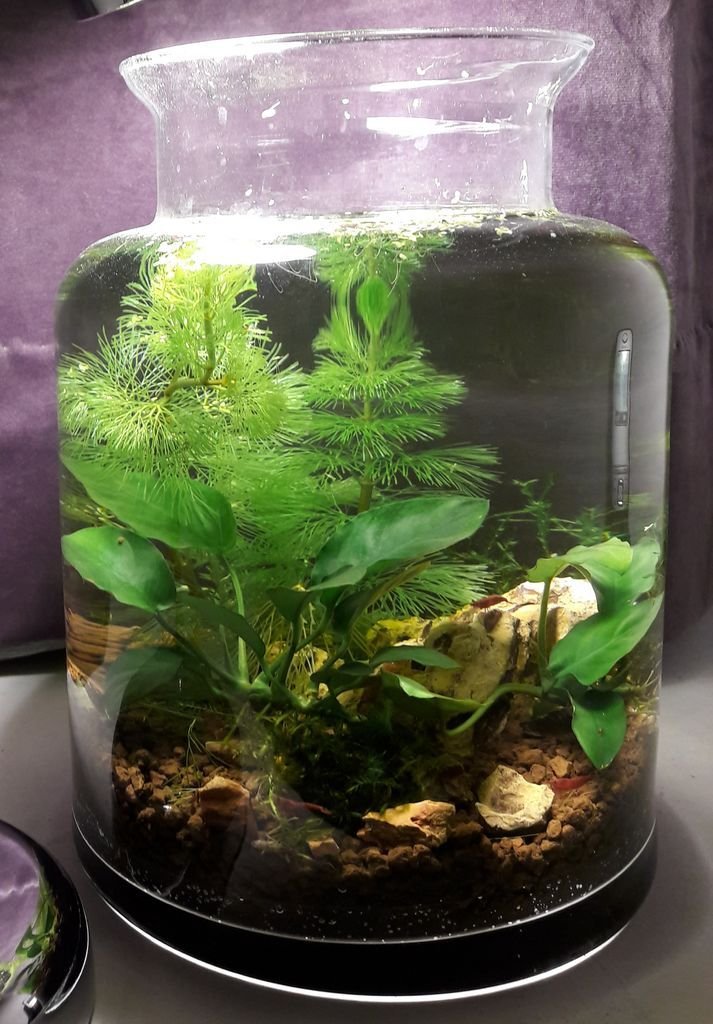
Most aquariums close for safety, animal health, maintenance, staffing, or regulatory reasons.
As an aquarium operations manager with over a decade of hands-on experience, I can explain why is the aquarium closed, what it means for visitors and animals, and how institutions prevent prolonged shutdowns. This article breaks down the common causes, practical examples, and steps you can take if a planned visit is disrupted. Read on for clear, expert-backed insights that make the reasons behind closures simple and actionable.
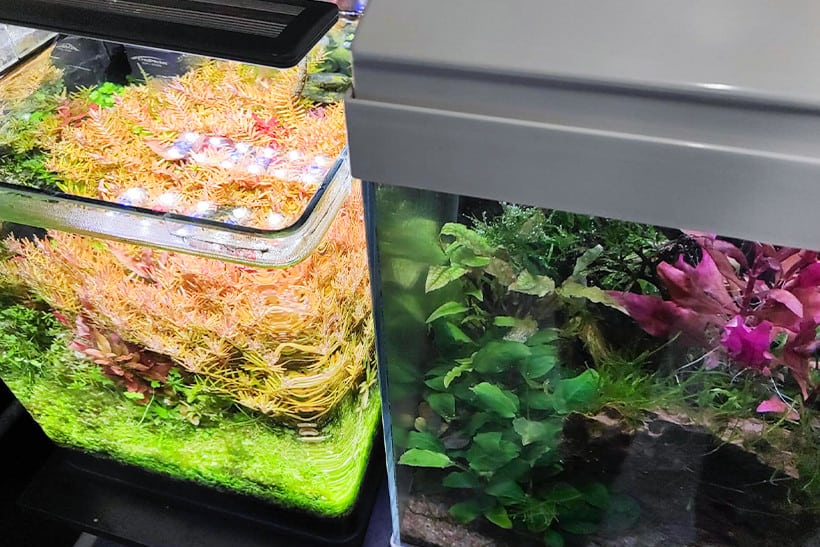
Top reasons why is the aquarium closed
Aquariums close for clear, practical reasons. These include safety for visitors, urgent animal health issues, scheduled maintenance, and external hazards. Each closure type has different triggers and timelines.
Safety closures happen when a risk could harm people. That might be structural damage, chemical leaks, or severe weather.
Animal health closures occur to protect vulnerable species. Quarantine, disease control, or mass animal care needs can force temporary shutdowns.
Maintenance and upgrades require empty or low-traffic periods. Big life-support repairs need time and space to work safely.
External factors include power outages, public health orders, and regulatory actions. These can close an aquarium with little notice.
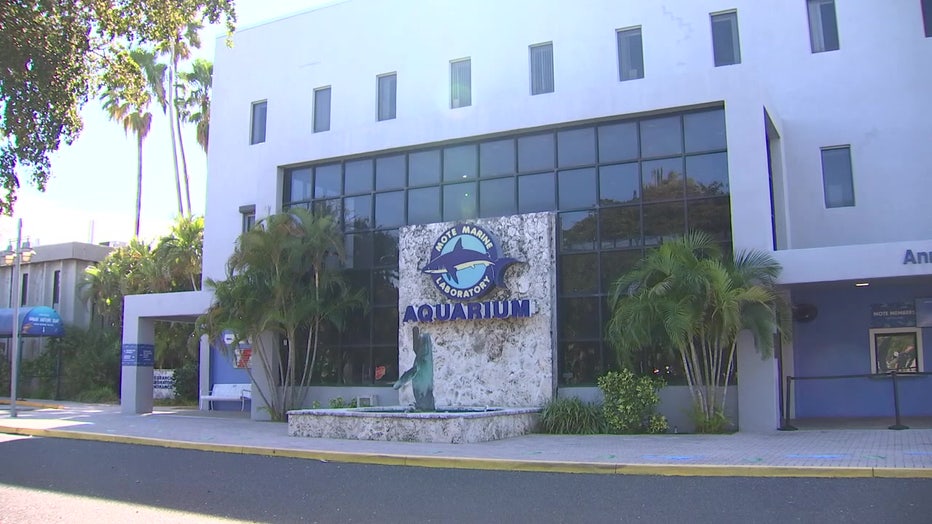
Public safety and emergency reasons
Visitor safety is one of the top reasons an aquarium closes. Management must protect people from hazards that include contamination, structural risk, or dangerous weather.
Common public-safety triggers:
- Severe storms and flooding that create access hazards or damage infrastructure.
- Chemical spills or contamination in water systems.
- Structural problems, like a weakened roof or cracked exhibit glass.
- Power failures that affect lighting, HVAC, or evacuation systems.
When these issues arise, closing is often the fastest way to keep people safe while staff address the problem.

Animal welfare and health-related closures
Animal health is central to an aquarium’s mission. Protecting animals sometimes means closing to the public to reduce stress or prevent disease spread.
Typical animal-focused triggers:
- Disease outbreaks among fish, birds, or mammals.
- Quarantine after new animal arrivals.
- Mass medical treatments or surgeries.
- Water quality failures that put animals at risk.
I’ve handled closures where limited light and reduced visitor noise sped recovery for delicate species. Temporary closure gave staff space to stabilize water chemistry and perform vital procedures.
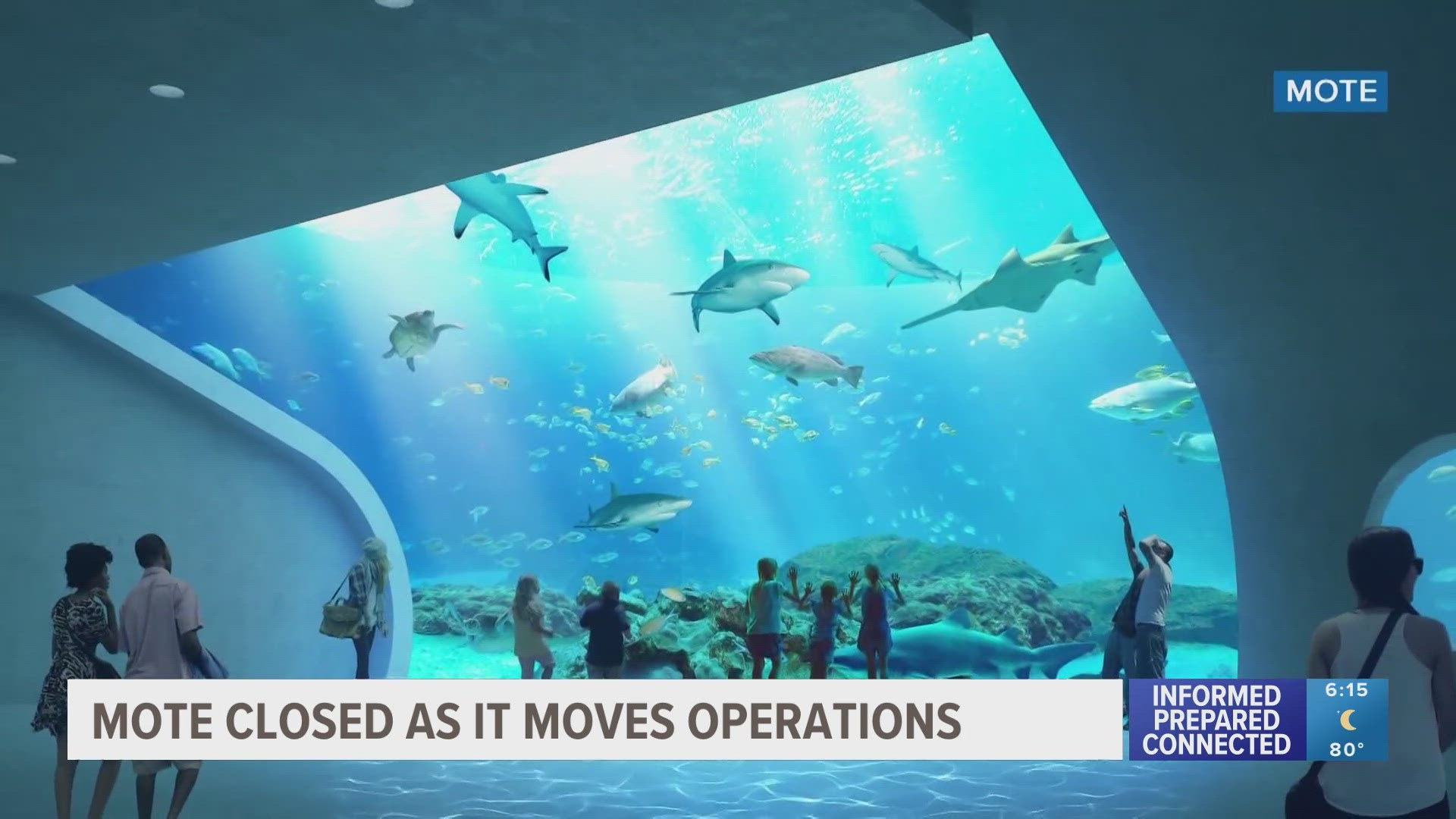
Maintenance, renovations, and technical upgrades
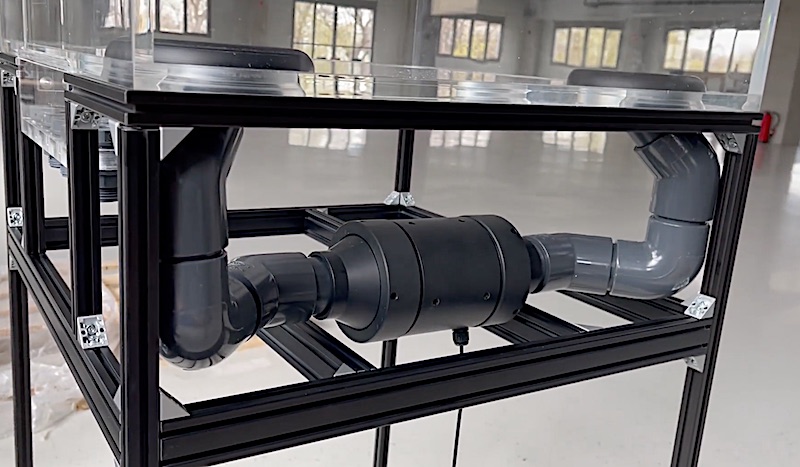
Major mechanical systems need time to repair. Life-support systems, filtration, pumps, and HVAC often require scheduled shutdown windows.
Reasons for maintenance closures:
- Replacement of main filtration or pump systems.
- Major tank repairs or exhibit renovations.
- Installation of new life-support technology.
- Deep cleaning to remove harmful algae or biofilm.
These closures are planned and announced in advance. They let teams do complex work without endangering animals or visitors.

Operational, staffing, and financial causes
Sometimes closures come from behind-the-scenes constraints. Staffing shortages or budget shortfalls can force limited hours or temporary shutdowns.
Operational triggers include:
- Insufficient trained staff for animal care or guest safety.
- Unexpected mass staff illness.
- Labor disputes or emergencies.
- Temporary budgetary cuts that limit operations.
When staff levels dip below safe thresholds, closing is the responsible choice until reliable coverage returns.
Regulatory, legal, and inspection-related closures
Regulatory compliance is strict for institutions that keep wildlife. Inspections can lead to immediate closures if laws or welfare standards aren’t met.
Common regulatory reasons:
- Failing a health or safety inspection.
- Emergency orders from public health or wildlife authorities.
- Permit or licensing issues that force a halt in operations.
- Legal disputes that require temporary closure.
These closures tend to be formal and documented. Reopening often follows corrective action and reinspection.
Environmental and external events
Large-scale events can close aquariums without warning. Natural disasters, pandemics, and major infrastructure failures all qualify.
External events include:
- Hurricanes, wildfires, floods, or earthquakes affecting access and safety.
- Regional disease outbreaks leading to public health mandates.
- Citywide power grid failures or prolonged utility outages.
- Transportation strikes or extreme weather that cut staff or guests.
These causes show how an aquarium is linked to its community and environment.
How management decides to close and reopen
Decision-making follows a chain of command and clear protocols. The process balances safety, animal welfare, legal obligations, and finances.
Typical steps:
- Initial assessment by senior staff and veterinarians.
- Immediate safety measures taken for visitors and animals.
- Communication with local authorities and utility providers.
- Public announcements with clear reopening criteria.
- Post-closure inspections and staged reopening.
Clear criteria reduce confusion and speed recovery. I’ve used checklists and drills to make these decisions faster and more reliable.
What to do if you planned a visit: tickets, refunds, and alternatives
If you arrive and find the aquarium closed, stay calm. Staff usually offer solutions quickly.
Steps to follow:
- Check the aquarium’s official website and social channels for updates.
- Hold on to tickets; most institutions offer refunds or easy rescheduling.
- Contact customer service for detailed options.
- Consider nearby attractions or return later in the week.
Pro tip from experience: buy tickets that allow a flexible reschedule if possible. That avoids disappointment from sudden closures.
Personal experience and lessons learned
I once managed an aquarium closure after a filtration failure. We closed for two days while fixing pumps and stabilizing water. The quick closure prevented fish loss and avoided a much longer shutdown.
Lessons learned:
- Fast, honest communication keeps public trust.
- Cross-training staff reduces closure risk from sickness.
- Scheduled maintenance during low season minimizes disruption.
- Build an emergency fund for urgent repairs.
These practical steps helped reduce downtime and repair costs in later years.
Preventing closures: best practices for aquariums
Prevention is the best approach. Small, steady actions reduce the chance of sudden closures.
Best practices include:
- Regular preventative maintenance and equipment audits.
- Robust water-quality monitoring and backup systems.
- Strong staff training on emergency protocols.
- Clear visitor safety plans and signage.
- Transparent communication with authorities and the public.
Implementing these gives institutions resilience and builds visitor confidence.
Frequently Asked Questions of why is the aquarium closed
Why is the aquarium closed today?
Most closures are due to safety, animal care, maintenance, or weather. Check the aquarium’s official channels for the exact reason.
How long will the aquarium be closed?
Closure length varies from a few hours to several weeks. It depends on the problem’s severity and the time needed for repairs or care.
Will I get a refund if the aquarium is closed?
Yes. Most aquariums offer refunds or rescheduling for closed days. Contact customer service and keep your ticket confirmation.
Are animals harmed when an aquarium is closed?
Closures are meant to protect animals. Short closures usually help animals recover or receive care without visitor stress.
How can I find out before visiting if the aquarium will be closed?
Check the aquarium’s website, social media, or email alerts. Many institutions update status pages and send notifications to ticket holders.
Final thoughts
Understanding why is the aquarium closed helps you respond calmly and plan better visits. Closures protect people and animals, allow vital repairs, and keep institutions compliant with safety and welfare standards. Takeaway: check official updates before your visit, choose flexible tickets, and support aquariums by respecting closures that safeguard wildlife. If you found this useful, sign up for updates from your local aquarium, leave a comment with your experience, or share this article to help others plan smarter visits.