
The Texas State Aquarium is expensive due to high animal care, infrastructure, staffing, and education costs.
I’ve studied and visited many aquariums and worked on museum operations projects, so I know what drives ticket prices. This article explains why is the texas state aquarium so expensive in clear, practical terms. I break down the costs, compare value, share real-life tips, and offer a frontline view of running and visiting a major aquarium.

Why the Texas State Aquarium appears costly: a clear snapshot
Visitors often ask why is the texas state aquarium so expensive when they see ticket prices. The short answer is simple: running a modern aquarium takes large, steady funding for animals, staff, safety, and public programs.
The Texas State Aquarium invests in rescue, rehabilitation, and education programs. It also maintains complex life support systems and regulated habitats that cost a lot to build and run. Understanding these lines helps you see why price reflects real-world expenses and public value.

Major cost drivers explained
Below are the main categories that explain why is the texas state aquarium so expensive. I break them down so you can see where money goes.
- Animal care and veterinary services. Caring for diverse species means daily specialized diets, medical care, quarantine facilities, and veterinarian teams. Many species need expensive medications and long-term monitoring.
- Life support and water systems. Tanks need pumps, filters, heaters, chillers, and constant monitoring. These systems run 24/7 and require expert maintenance.
- Exhibit design and construction. Building realistic habitats uses custom acrylic, steel, and life-like landscaping. These are one-time and ongoing investments.
- Staff salaries and training. Educators, aquarists, curators, maintenance crews, and guest services require skilled pay. Ongoing training keeps staff current with best practices and safety.
- Energy and utilities. Pumps, lights, HVAC, and dehumidification consume large amounts of power. Energy bills for large aquariums are substantial year-round.
- Insurance, permits, and compliance. Aquariums carry specialized insurance and must meet strict regulations for animal welfare and public safety.
- Conservation and education programs. Outreach, school programs, and rescue operations need funding beyond visitor services.
- Operations and capital reserves. Ongoing maintenance, emergency funds, and future upgrades require savings and planned capital.
Each category adds up quickly. When you combine them, you see why ticket costs must be higher than at many other attractions.

Behind-the-scenes: daily and hidden expenses
Here are daily and less-visible costs that explain why is the texas state aquarium so expensive.
- Food and feed preparation. Many animals need fresh, frozen, or specially formulated diets. Preparation and storage costs matter.
- Water quality testing and chemistry. Staff run daily tests and adjust salinity, pH, and minerals to recreate natural habitats.
- Animal enrichment and welfare. Behavioral enrichment, habitat rotation, and social grouping are ongoing work that improves animal welfare.
- Repairs and replacement parts. Pumps and control systems break down and need rapid replacement to avoid animal risk.
- Transportation and rescues. Bringing in rescued animals or transporting species for care involves permits, specialized vehicles, and trained staff.
These line items show that expenses are constant and not limited to admission-day costs.
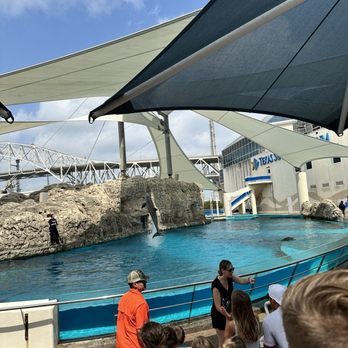 compares to other attractions”
style=”max-width: 100%; height: auto; border: 2px solid black; border-radius: 10px; display: block; margin: 0 auto;”
loading=”lazy”
/>
How pricing compares to other attractions
If you’re wondering how the aquarium stacks up, consider these points about why is the texas state aquarium so expensive relative to other attractions.
- Aquariums vs. theme parks. Theme parks offset costs with rides, retail, and corporate sponsorship. Aquariums focus more on staff-intensive care and less on high-margin retail.
- Museums and zoos. Similar institutions also have high animal or artifact care costs, but scale and revenue streams differ by location and size.
- Regional factors. Local wages, utility rates, and construction costs in Corpus Christi affect operating budgets and ticket pricing.
This context helps explain why aquarium prices may be higher than a simple park visit.

The value you get for the price
Understanding what your ticket buys helps reframe why is the texas state aquarium so expensive. Here’s what you get.
- High-quality habitats that simulate real ecosystems and support species health.
- Educational programs for children and adults, including hands-on learning and conservation messages.
- Rescue and rehabilitation services that protect regional marine life.
- Safe, climate-controlled spaces that make long visits comfortable.
- Staff expertise available for interpretation, tours, and behind-the-scenes learning.
When you view admission as supporting conservation and education, price becomes an investment in public good.

Ways to save and get more from your visit
I use these practical tips to reduce cost while keeping the experience rich. They also explain practical choices behind pricing.
- Buy memberships if you plan multiple visits. Memberships usually pay off after just two visits.
- Visit during off-peak days or hours for lower crowds and better educational access.
- Check for bundled tickets with local attractions or seasonal discounts to reduce per-visit cost.
- Bring a student or educator ID for cheaper rates if offered.
- Look for free community days or sponsored admission events.
These steps help balance affordability with supporting the aquarium’s mission.

Personal experience: lessons from working with public attractions
I’ve worked on exhibits and operations plans for cultural sites. From that view, why is the texas state aquarium so expensive becomes clear. Construction bids routinely doubled initial estimates due to specialized materials. Day-to-day operations demanded more staff hours than projected, especially for animal care. I learned to plan budgets with a wide contingency and to communicate value to the public clearly.
Mistakes to avoid
- Underestimating long-term maintenance costs can force higher admission later.
- Cutting staff for short-term savings harms animal welfare and guest experience.
- Overpromising new exhibits without solid funding creates trust issues.
These lessons show practical causes behind pricing decisions and why steady funding matters.

Frequently Asked Questions of why is the texas state aquarium so expensive
Why does it cost more than a regular zoo?
Aquariums use complex water systems, saltwater chemistry, and life support for fragile species. Those systems and the specialized care for marine life drive higher costs than many terrestrial zoos.
Are ticket prices the main revenue source?
Tickets are a major source, but not the only one. Memberships, grants, donations, and events all help fund daily operations and conservation work.
Do the fees support rescue and rehabilitation?
Yes. A portion of revenue often funds rescue, rehabilitation, and release programs, plus partnerships with conservation groups.
Can I get discounts or cheaper days?
Most aquariums offer discounts, membership benefits, and seasonal promotions. Checking the aquarium’s official calendar or local tourism partners helps find deals.
Is the aquarium government-run and subsidized?
The Texas State Aquarium is a nonprofit with mixed revenue streams. It may receive some public grants, but it largely relies on earned income and private support to cover costs.
Why does energy usage affect ticket prices?
Energy powers water pumps, life support, lighting, and climate control. High and steady energy bills add significantly to operating costs.
How does staffing impact prices?
Trained aquarists, veterinarians, and educators are essential and costly. Competitive wages ensure high-quality animal care and guest experiences.
Conclusion
Understanding why is the texas state aquarium so expensive comes down to recognizing real costs: animal welfare, complex systems, skilled staff, conservation work, and ongoing maintenance. If you value education and wildlife protection, your visit helps sustain those efforts. Plan smart—use memberships, discounts, and off-peak visits—to get the most value, and consider the visit as both recreation and support for vital regional conservation.
Take action today: check current offers, consider a membership, or plan a visit with friends to spread the cost and make the most of the experience.