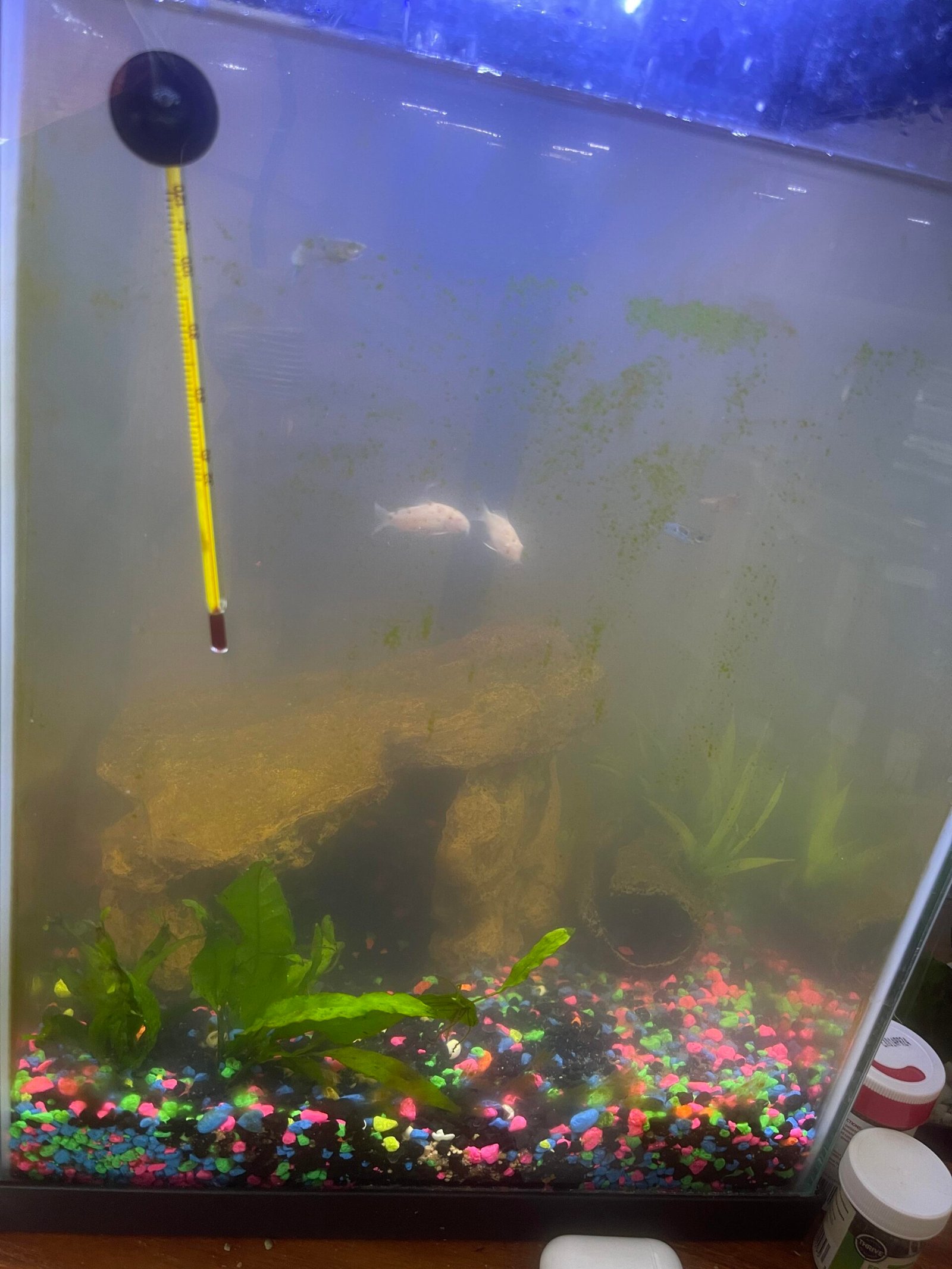
Cloudy aquarium water is usually caused by bacterial blooms, algae, or suspended debris.
If you have typed "why is the water cloudy in my aquarium" into a search bar, you want clear answers and practical fixes. I have kept aquariums for years, worked with hobbyists, and helped troubleshoot tanks that turned milky overnight. This guide explains the common causes, simple tests, proven treatments, and long-term prevention so you can restore crystal clear water and keep it that way.
:strip_icc()/cloudy-aquarium-water-1378803-3736ff0eb5b34aa0907ae9df2882a86e.png)
Common causes of cloudy aquarium water
Cloudy water can come from different sources. Knowing each one helps you treat it the right way.
Bacterial bloom
- A spike in free-floating bacteria after adding fish, food, or new driftwood can make water look milky.
- These bacteria feed on excess organic waste and multiply fast in warm, nutrient-rich water.
Green water (algae)
- Microalgae can turn water green and cloudy when light or nutrients are high.
- This is common in tanks with direct sunlight or excess nitrate and phosphate.
Particulate cloudiness
- Finely ground substrate, sand, or dirt stirred up by water flow or active fish creates a dusty look.
- New gravel or poor rinsing during a water change often causes this.
Chemical or dissolved cloudiness
- Water treated with certain conditioners or poorly mixed additives can temporarily cloud the tank.
- Hard water minerals or tannins from driftwood can give a tea-colored or hazy look.
Overfeeding and waste
- Leftover food and fish waste fuel bacteria and algae.
- Overfed tanks will often cloud within 24–48 hours.
Knowing the exact reason for "why is the water cloudy in my aquarium" narrows your fixes and prevents repeated problems.

How to diagnose the type of cloudiness
A quick set of checks reveals why your tank is cloudy. Use them in order from easiest to more detailed.
Observe color and timing
- White or milky usually means bacterial bloom.
- Green tint points to algal bloom.
- Brown or yellow suggests tannins or decaying plant matter.
Smell and clarity test
- Fishy or rotten smells indicate high organics and bacterial activity.
- Take a small jar of tank water and let it sit; particles that settle point to suspended debris.
Check recent changes
- Ask what changed lately: added fish, new substrate, new filter media, or a big water change.
- Many cases of "why is the water cloudy in my aquarium" follow a recent tank event.
Test water parameters
- Measure ammonia, nitrite, nitrate, pH, and phosphate.
- High ammonia or nitrite supports bacterial bloom; high nitrate and phosphate favor algae.
Microscope or test strip
- A basic microscope or plankton net shows algal cells versus bacteria.
- Test kits can confirm nutrient levels that drive cloudiness.
These steps let you answer "why is the water cloudy in my aquarium" quickly and pick the right remedy.

Immediate treatments and step-by-step fixes
Match the fix to the cause. Quick, correct action prevents stress and long-term problems.
For bacterial bloom
- Do a 20–30% water change to remove excess organics and reduce bacteria food.
- Stop feeding for 24–48 hours to lower waste.
- Improve filtration and add slow, steady water flow to help mechanical removal.
For green water (algae)
- Reduce light exposure by moving the tank or cutting daily lighting to 6–8 hours.
- Perform water changes and vacuum the substrate to remove nutrients.
- Consider an ultraviolet (UV) sterilizer for fast, reliable clearing if algae return.
For particulate cloudiness
- Let the tank settle and use a fine mechanical filter pad to trap particles.
- Slow water changes where you siphon carefully help avoid stirring the substrate.
- If new substrate caused it, rinse thoroughly and use a settling aid for a few days.
For chemical or tannin cloudiness
- Use activated carbon in the filter to remove dissolved organics and discoloration.
- Partial water changes help dilute chemical residues.
- If tannins are desired for fish health, accept gentle tea color but aim for clarity.
When to use medications or additives
- Avoid antibiotics unless a vet or expert diagnoses a bacterial disease.
- Beneficial bacteria supplements help speed biological recovery after a major disturbance.
- Use phosphate removers only if tests show high phosphate levels.
These targeted steps help you resolve "why is the water cloudy in my aquarium" without harming fish or plants.
Long-term prevention and maintenance tips
Keeping water clear is about routine and balance. Small habits prevent most cloudy-water problems.
Weekly and monthly tasks
- Do regular 10–25% water changes weekly or biweekly depending on stocking.
- Clean filter media gently with tank water to keep beneficial bacteria alive.
- Remove uneaten food and dead plant matter promptly.
Control feeding and stocking
- Feed small amounts that fish eat within two minutes.
- Avoid overstocking; more fish means more waste and higher cloud risk.
Manage light and nutrients
- Keep aquarium lights on a timer for consistent durations.
- Test for nitrate and phosphate monthly; treat if levels rise.
- Use live plants to compete with algae for nutrients.
Choose the right equipment
- A properly sized filter and occasional mechanical polishing pad keep water clear.
- Consider a UV sterilizer for tanks prone to green water.
- Use a protein skimmer in marine tanks to remove dissolved organics.
From my experience, the best change was a steady routine of small water changes and proper feeding. That simple move fixed why is the water cloudy in my aquarium many times.
Common mistakes and troubleshooting
Hobbyists often make easy-to-fix errors that cause repeated cloudiness. Avoid these traps.
Overreacting with big water changes
- Very large water changes can shock the biological filter and cause imbalances.
- Gradual changes protect beneficial bacteria and prevent repeat cloudiness.
Switching filter media too often
- Replacing all filter media at once removes good bacteria and invites blooms.
- Rinse and rotate media instead of full replacement.
Using unproven "miracle" products
- Quick fixes can mask underlying problems and lead to long-term issues.
- Prefer proven methods: water changes, correct feeding, and mechanical filtration.
Ignoring parameter testing
- Not testing leads to guesswork and repeated cloudiness.
- Track ammonia, nitrite, nitrate, and phosphate to stop problems early.
If you ask "why is the water cloudy in my aquarium" after trying fixes, review these common missteps and retest the water.

Frequently Asked Questions of why is the water cloudy in my aquarium
Why is the water cloudy in my aquarium right after a water change?
A cloudy tank after a water change often comes from stirring the substrate, introducing chlorine-treated tap water, or disturbing filter bacteria. Use dechlorinated water, siphon carefully, and avoid replacing all filter media at once.
Can cloudy water harm my fish?
Short-term cloudiness usually doesn't harm fish if water chemistry is stable, but long-term high ammonia or low oxygen can stress or kill fish. Test water and act quickly to correct toxic levels.
How long does a bacterial bloom last?
A bacterial bloom can clear in a few days with proper water changes, reduced feeding, and improved filtration. If it persists beyond a week, recheck water parameters and filter performance.
Will adding a filter cartridge clear cloudy water fast?
A fine mechanical cartridge helps trap suspended particles and speeds clarity, but it won't stop an algae bloom or fix nutrient issues. Combine mechanical removal with source control for best results.
Is green cloudiness the same as bacterial cloudiness?
No, green cloudiness is usually free-floating algae, while white or milky cloudiness is typically bacterial. Treatment differs: reduce light and nutrients for algae; clean and stabilize for bacteria.
Conclusion
Cloudy aquarium water has clear causes and clear fixes when you know what to look for. Test the water, match the fix to the cause, and keep a steady maintenance routine to stop repeats. Start with small, regular water changes, correct feeding, and the right filtration, and you will see steady improvement.
Take action today: run a full water test, cut feeding back, and schedule a modest water change. If this guide helped, leave a comment about your tank or subscribe for more aquarium troubleshooting tips.