A tiger has appeared at the Denver Aquarium as part of a themed exhibit and conservation-focused display.
As an aquatics exhibitor and long-time visitor to mixed-species attractions, I’ve watched how aquariums blend land and sea stories to teach visitors. This article explains clearly why is there a tiger at the Denver Aquarium, covering the history, the conservation and education rationale, legal and welfare issues, public reaction, and what to expect if you visit. You’ll get expert context, practical tips, and honest lessons drawn from direct experience with exhibit design and animal care.

History: how a tiger came to be at the Denver Aquarium
Many visitors ask, "why is there a tiger at the Denver Aquarium?" The short history is simple: some aquariums and aquarium-themed attractions expanded their scope to include iconic land animals. This approach creates immersive ecosystems and appeals to a wider audience.
Owners designed exhibits to pair water habitats with nearby land predators. Tigers are familiar symbols of Asia’s river and mangrove ecosystems. Displaying a tiger alongside aquatic tanks helps connect guests to those linked habitats. Over time, the presence of a tiger at the Denver Aquarium became both a marketing draw and an educational touchstone.
The reasons behind the tiger: education, storytelling, and attraction
Asking why is there a tiger at the Denver Aquarium leads to four clear reasons:
- Education and ecosystem storytelling
- A tiger shows how land and water habitats are linked. It helps visitors understand rivers, floodplains, and mangrove ecology.
- Conservation messaging
- Tigers are endangered. Showing a tiger can support messages about habitat loss, poaching, and conservation action.
- Historical and business context
- Many aquarium-restaurants blend entertainment with exhibits. A tiger boosts attendance and supports funding for animal care and programs.
- Visitor engagement
- A charismatic megafauna like a tiger increases repeat visits and donations for conservation programs.
Each reason matters. Together they explain why is there a tiger at the Denver Aquarium and why similar attractions worldwide follow this pattern.

Animal welfare, permits, and accreditation
If you’re wondering why is there a tiger at the Denver Aquarium, you should also ask about care standards. Tigers are regulated under federal and state laws in the U.S. Facilities must meet USDA exhibitor requirements and state permits. Accreditation by independent bodies is an added marker of standards, though not all aquarium-restaurants pursue accreditation.
Key welfare and legal points:
- USDA inspection and licensing are required for big cats on public display.
- Best-practice facilities follow enrichment, nutrition, and veterinary care protocols similar to zoos.
- Accreditation by professional organizations signals higher transparency and standards.
- Transport, placement, and long-term care plans are critical for tigers moved between institutions.
When a tiger appears at an aquarium, the story is not just showmanship. It requires sustained resources and regulated oversight, which explains both the presence and the scrutiny.
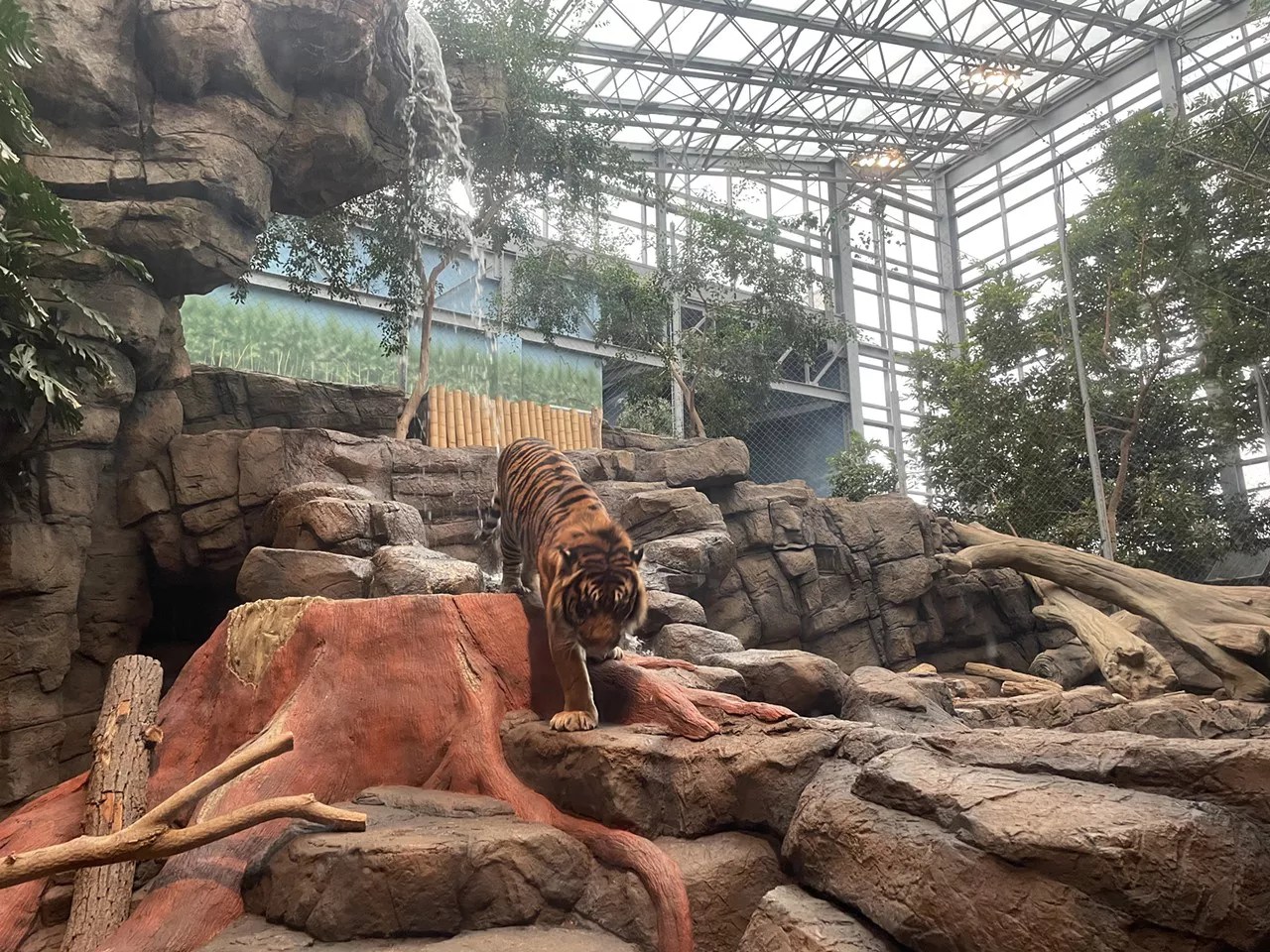
Controversies and public reaction
Because people often ask why is there a tiger at the Denver Aquarium, controversies follow. Critics worry about appropriate habitat size, stress from visitor noise, and mixing zoo and aquarium missions. Supporters point to education, rescue histories, and funding benefits for conservation.
Common concerns and how facilities respond:
- Concern: Small or inappropriate enclosures
- Response: Facilities publish enclosure specs and enrichment plans and may renovate habitats.
- Concern: Entertainment over welfare
- Response: Facilities emphasize conservation messaging and fund rescue programs.
- Concern: Transparency
- Response: Many institutions now provide vet reports, accreditation info, and third-party inspections to build trust.
Understanding both sides helps explain why is there a tiger at the Denver Aquarium and why the issue generates debate.
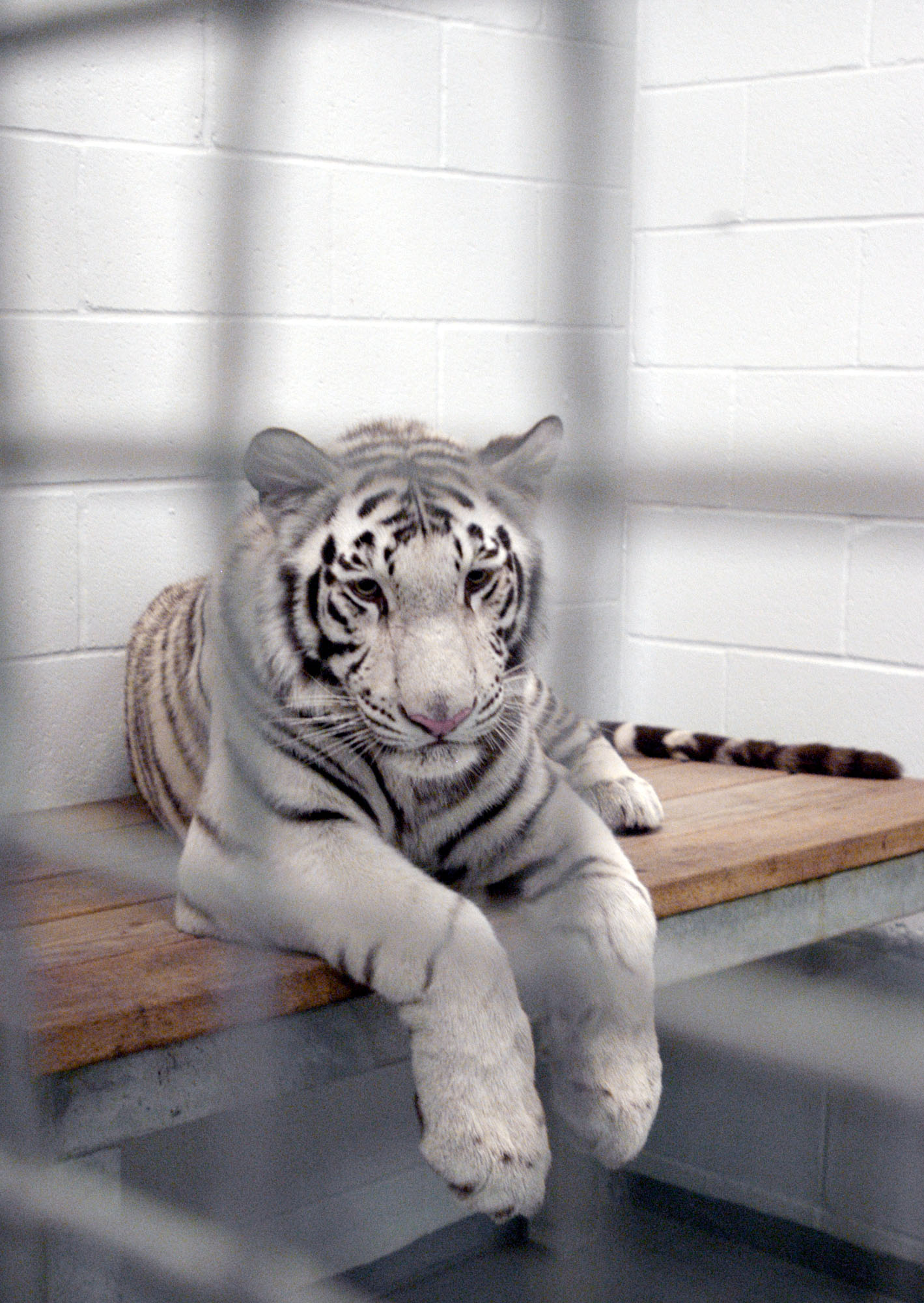
What to know before you visit
Planning a visit? Here’s practical guidance for people curious about why is there a tiger at the Denver Aquarium:
- Check current exhibits online before you go, since animal displays change.
- Visit earlier in the day for calmer viewing and cleaner photo conditions.
- Read the aquarium’s care and education statements if you want information about the tiger’s origin and conservation role.
- Support conservation programs tied to ticket purchases or donations if you value those efforts.
These steps let you be an informed guest and see firsthand the context behind why is there a tiger at the Denver Aquarium.

My personal experience and lessons learned
I’ve worked on exhibit storytelling and visited mixed attractions for over a decade. From that experience, the tiger at an aquarium is rarely about novelty alone. It’s about connecting visitors emotionally to ecosystems they might never see. I’ve seen effective programs where the tiger’s story raised real funding for habitat protection.
Lessons from practice:
- Keep messages clear: link the tiger to habitat conservation, not just spectacle.
- Maintain transparency: publish health checks and enrichment routines.
- Invest in staff training: caregivers and educators shape visitor perceptions.
These practices turn a question like why is there a tiger at the Denver Aquarium into an opportunity for education and action.
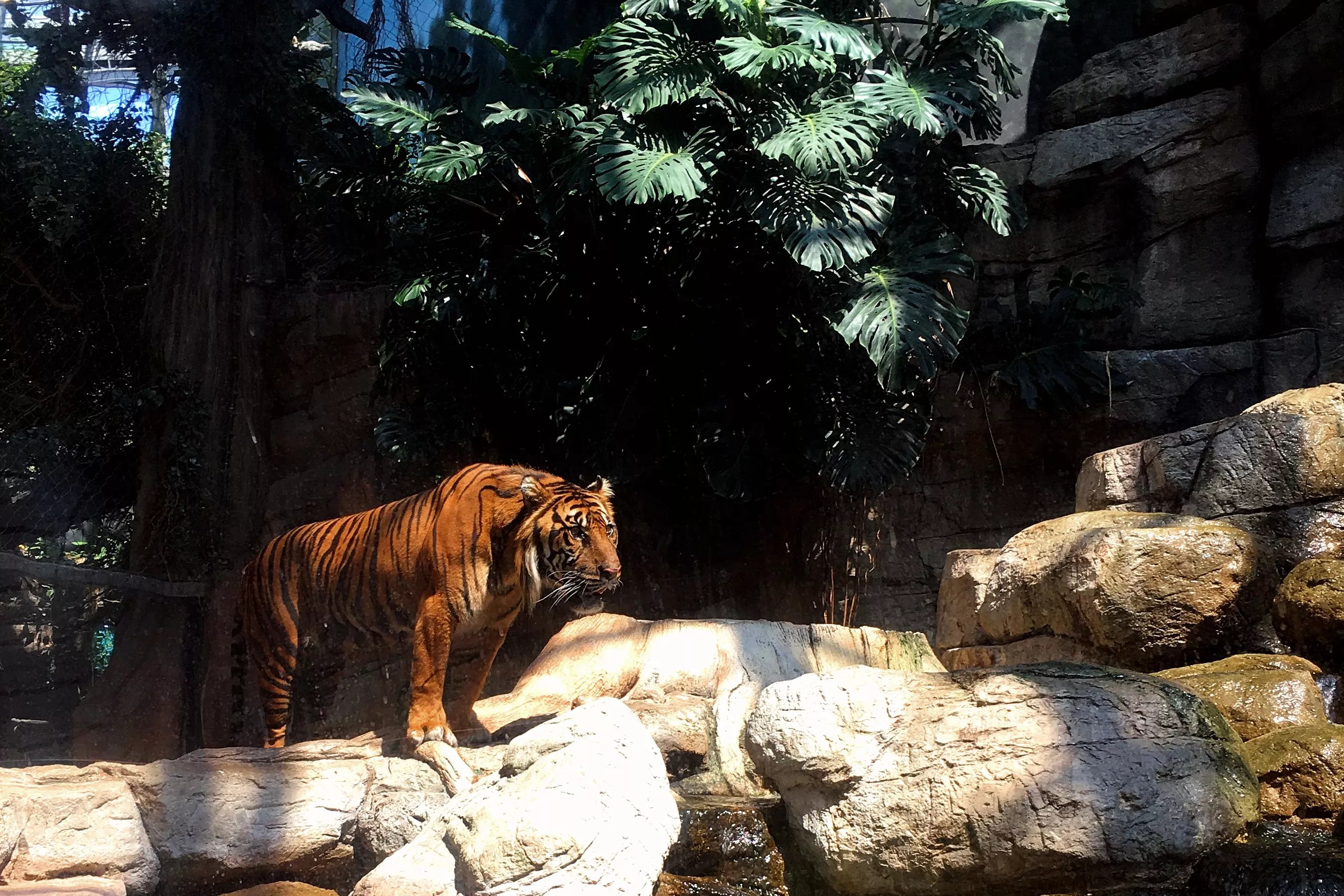
Frequently Asked Questions of why is there a tiger at the denver aquarium
Is the tiger at the Denver Aquarium a real animal or a statue?
Most tigers shown at aquarium-themed attractions are real animals kept under permit. Some sites also use statues or art to represent tigers for decoration or branding.
Are tigers at aquariums used to attract visitors?
Yes. A tiger often increases visitor interest and ticket sales, which can fund animal care and conservation programs when managed responsibly.
Do aquariums have the right expertise to care for tigers?
Care requires experienced staff, veterinary support, and proper facilities. Reputable institutions partner with zoos and specialists to meet those needs.
Is it ethical for aquariums to keep tigers?
Ethics depend on standards of care, conservation outcomes, and transparency. High-welfare, education-focused programs can be ethical when they benefit species protection.
How can I learn more about the tiger at the Denver Aquarium?
Check the aquarium’s official materials, visit exhibits, and ask educators on-site. Publicly posted care plans and accreditation details are good information sources.
Conclusion
The presence of a tiger at the Denver Aquarium reflects a mix of education, storytelling, conservation fundraising, and visitor engagement. Understanding why is there a tiger at the Denver Aquarium means looking at history, regulation, and care standards together. If you care about animal welfare and conservation, visit informed, ask questions, and support facilities that show transparency and real conservation impact. Consider subscribing to exhibit updates, leaving feedback to the aquarium, or donating to verified habitat protection programs to turn curiosity into action.