The short answer
Feed less so leftover food stops fueling them, then keep removing snails: pick them off, siphon small ones out while you gravel-vacuum and bait an overnight trap. Repeat for weeks, since Aquarium Co-Op says eggs can take 1-4 weeks to hatch. Leave snail killers out of tanks with shrimp or snails you want, and never release removed snails into waterways.
Interpet, a UK aquarium-products maker, says: “In small numbers, snails are no more than an extra life form in your aquarium.” Our guide to why snails appear in an aquarium covers how they get in. These steps are for freshwater tanks; more are in our Water Problems section.
Warning
If your fish look unwell, test the water and contact an aquatic veterinarian. This guide covers snails, water and equipment, not fish health.
What you need
- A gravel vacuum, a bucket and a water conditioner (our water conditioner roundup compares them).
- Planting tweezers, and a snail trap or a lettuce leaf.
- An ammonia and nitrite test. The two API kits below are picks from our freshwater test kit roundup. The full freshwater kit covers both; the ammonia-only kit reads ammonia only, so you would also need a nitrite test.
- A sealable plastic bag for debris.
| # | Preview | Product | Price | Link |
|---|---|---|---|---|
| 1 |  | API Freshwater Master Test Kit 800-Test Freshwater Aquarium…Full freshwater kit | Check on Amazon | |
| 2 | 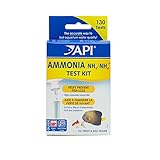 | API Ammonia 130-Test Freshwater and Saltwater Aquarium…Ammonia-only kit | $15.48 Prime | Check on Amazon |
Match the method to your tank
| If your tank has | Leave out |
|---|---|
| Shrimp | Snail killers and some snail-eating fish (Aquarium Breeder) |
| Dwarf shrimp | Assassin snails, or add them with caution (Aquatic Arts, a seller of them: “a slight risk”, “from time to time”) |
| Snails you want | Assassin snails: Co-Op and Aquatic Arts differ on larger snails (step 9) |
The removal plan, step by step
Cut the food first
Aquarium Co-Op, an aquarium retailer, says snails “can only create new babies if they have enough sustenance”. Aqueon, an aquarium equipment and food maker, says to feed only what fish “can consume in 2 minutes or less, once or twice daily” and to “Remove any food that remains after 5 minutes with a siphon or fine mesh fish net.” It adds: “Overfeeding is not a matter of how many times you feed each day, but rather the amount of food per feeding.” Our tropical fish food roundup compares foods.
Unplug the filter and heater, and wait if your heater’s maker says to
Fluval, a filter maker, says in its AquaClear manual: “CAUTION – Always unplug or disconnect all appliances in the aquarium from electricity supply before placing hands in water, before putting on or taking off parts and while the equipment is being installed, maintained or handled.” Hydor, a heater maker, says to unplug its heater “at least 30 minutes before any waterchange”, so before step 5. Follow your own equipment’s manuals.
Pick off the snails you can see
, by hand or with tweezers, with everything still unplugged (step 2). Co-Op says this “may not work as well” for Malaysian trumpet snails, which are “nocturnal and like to burrow in the substrate”.
Scrape off egg clutches
, still unplugged. Aquarium Breeder, a shrimp-keeping hobby blog, says eggs on glass “can easily be scraped or scooped out before they hatch. Use a razor blade for glass.” Co-Op, on algae: “Try using a razor blade (for glass tanks) or gift card (for acrylic tanks) to remove the algae from aquarium walls.” A blade is sharp (our caution); our algae scraper roundup sorts tools by glass and acrylic. Interpet: “Regularly turn over objects such as wood, and (once removed from the aquarium) use boiling water to kill attached eggs”. Boiling water scalds, so handle it with care (our caution).
Vacuum the substrate, still unplugged
Co-Op suggests gravel-vacuuming mulm, and notes that “If the snails are small enough”, some people siphon them into a bucket during water changes. It also says to prune plants and scrub off algae; our guide to getting rid of algae in a fish tank covers that clean.
Refill with treated water at tank temperature, still unplugged
Aqueon: “Always treat tap water with a water conditioner to neutralize chlorine and ammonia before adding it to the aquarium.” and “Replacement water should be the same temperature as the aquarium water.”
Plug the filter and heater back in
Aqueon’s cleaning checklist: “Plug the filter and heater back in.” Hydor says its heater “can ONLY then be turned back on when the Aquarium is full and the heater is completely submerged.” Fluval’s manual: “Do not allow filter pump to run dry.”
Bait a trap overnight
Co-Op, which sells the Easy Snail Collector, says to put food in its chamber and “wait overnight”, then lift it out; setting it flat with the substrate “makes it easier to collect Malaysian trumpet snails”. Its caution: “Some fish like bristlenose plecos may go in to use it as a cave. Make sure to check on the collector daily.” Without a trap, Buce Plant, a plant retailer, suggests romaine lettuce traps, then “simply lift the lettuce right out of the tank once they have gathered”. Unplug the filter and heater before your hands go in to set the trap or lettuce, and plug them back in (step 7) once it is set. Unplug again before you lift it out in the morning, then plug them back in.
Add a snail eater only if it suits the tank
Co-Op names almost all freshwater pufferfish, several loaches (clown, zebra, yoyo, dwarf chain) and the assassin snail. Buce Plant ties the choice to “the size of the tank and its inhabitants”. Aquarium Breeder: “Be careful—some snail-eating fish may also eat shrimp.” Aquatic Arts, which sells assassin snails: “There is a slight risk of an assassin snail eating a dwarf shrimp from time to time. They would much prefer to eat snails, but if given the opportunity there is a chance they could get a shrimp.” The sources differ on larger snails. Co-Op says assassins take snails “even those that are much larger in size”. Aquatic Arts says they eat snails “that are their size or smaller, but they will not harm snails that are larger (such as Mystery Snails, Giant Sulawesi Snails, and larger Nerite Snails)”, but also that “large groups of Assassin Snails have been known to gang up on a larger snail and take it down, so caution should be exercised when keeping these, even with larger snails.” Interpet: “It’s best to discuss this with your aquatic retailer before splashing out on new additions to your aquarium.”
Dispose of removed snails; never release them
Co-Op suggests feeding them to snail-eating fish, giving them to hobbyists who keep snail eaters, or crushing them “for a quick death”. Illinois-Indiana Sea Grant, a university research and outreach program, says: “Never release aquatic plants or animals into waterways!” For animals it says to ask a veterinarian or pet retailer about humane disposal; for debris and unwanted plants, a “sealed plastic bag in the trash. If possible, freeze the bag before disposal.”
Repeat, and test the water
Co-Op says eggs “can take 1-4 weeks to hatch, depending on the species and water temperature”, and Interpet advises: “Try a combination of methods from the list”. Interpet also warns: “Decaying snails can also create water quality issues which will affect the health of your fish.” Test ammonia and nitrite; Practical Fishkeeping, a fishkeeping magazine, says “A mature tank should have zero readings for ammonia and nitrite”. Above zero, see our guide to what causes ammonia in a fish tank; keep testing until both read zero.
Snail-killing chemicals
Warning
This guide gives no chemical treatments or doses. Interpet: “There are chemical treatments on the market, however they must be used with care and can be extremely harsh on the aquarium’s environment.” Aquarium Breeder: “Use them as a last resort, and only in tanks without shrimp or other invertebrates you want to protect.” The University of Florida’s IFAS Extension, in a guide to copper in fish farms and ponds, says “Copper is also toxic to invertebrates, such as snails” and that “the toxicity of copper to fish increases as the total alkalinity decreases”. For any product, read its own label and follow the maker’s warnings.
If snails die off unexpectedly, our guide to why snails die in an aquarium covers water quality and copper.
Keeping new snails out
- Watch for plant hitchhikers. Co-Op says snails arrive “by hitchhiking on live aquatic plants”, and that some people quarantine plants “for 4 weeks to ensure that all the eggs have hatched”; it calls its plan “not bulletproof”.
- Plant dips. That Pet Place, an aquarium retailer, publishes plant dips; we give none. That Pet Place’s page carries its own handling cautions; for bleach it says “it is a good idea to protect your work area and to wear gloves to protect your skin when using this method”. Co-Op prefers quarantine, since a strength that kills snails “but won’t harm more sensitive plants” is hard to find. That Pet Place’s dips go “in a separate bucket, tub or sink – NOT in the aquarium!”
- Bag water and outdoor items. Co-Op says snails can ride in “at the bottom of a fish bag from the pet store”, and Aqueon says: “Don’t allow store water to enter your aquarium when adding new fish.” Interpet: “Never use plants or objects from outdoor sources, such as ponds, in the aquarium”. Our guide to adding new fish covers the steps.
Mistakes and troubleshooting
- Numbers drop, then bounce back. They can, because eggs hatch weeks later (Co-Op: 1-4 weeks) or because feeding crept up (Interpet: an infestation “can often be caused by excess food in your aquarium”). Repeat from step 1.
- A fish is in the trap. Check it daily, as Co-Op says, and let the fish out (unplug first, step 2) (our reading); Co-Op says a pleco using it “may be a sign your pleco wants more caves and/or food”.
Ready to buy?
Our freshwater test kit roundup compares kits for the ammonia and nitrite checks, and our Water Care & Testing section gathers test kits and conditioners.
Frequently Asked Questions
Q. What will kill snails but not fish?
None of these sources names a snail killer that is safe for every tank. Interpet’s chemical-free ways are predators, a trap and a net; predators come with the cautions in step 9.
Q. How do I get rid of snails with cucumber?
A Fishlore forum member ties a cucumber slice to fishing line, wedges it into the substrate overnight, then pulls it up and rinses off the snails, noting “It won’t get 100% of them” (disposal: step 10).
Q. What kills snails fast or instantly?
No source here gives a fast method that is safe for the tank. Eggs can take 1-4 weeks to hatch (Co-Op), so plan on weeks of repeat removal (our reading).
Q. What kills aquarium snails naturally?
Snail eaters: Co-Op names pufferfish, several loaches and assassin snails, each with the cautions in step 9.
Sources (18)
- Aquarium Co-Op (retailer blog), 5 Easy Ways to Get Rid of Pest Snails
- Aquarium Co-Op (retailer blog), aquarium algae
- Aquarium Co-Op (retailer), snail FAQ
- Aquarium Co-Op (retailer), Easy Snail Collector
- Interpet (maker), Unwanted aquarium snails
- That Pet Place (retailer blog), Dipping Plants to Eliminate Snails
- Aqueon (maker), The Dangers of Uneaten Fish Food
- Aqueon (maker), Aquarium Do’s and Don’ts
- Aqueon (maker), Aquarium Cleaning Checklist
- Hydor (maker), heater support page
- Fluval (maker), AquaClear filter manual
- Aquarium Breeder (hobby blog), Freshwater Snail Eggs
- Buce Plant (retailer blog), All About Pest Snails
- Aquatic Arts (livestock seller), Assassin Snails
- UF IFAS Extension (university), Copper in Freshwater Aquaculture and Farm Ponds (FA008)
- Illinois-Indiana Sea Grant (university program), mollusk brochure
- Practical Fishkeeping (magazine), cloudy water answer
- Fishlore (forum thread), Snails have appeared in my tank!
Product prices and availability are accurate as of the date/time indicated and are subject to change. Any price and availability information displayed on Amazon.com at the time of purchase will apply to the purchase of this product.