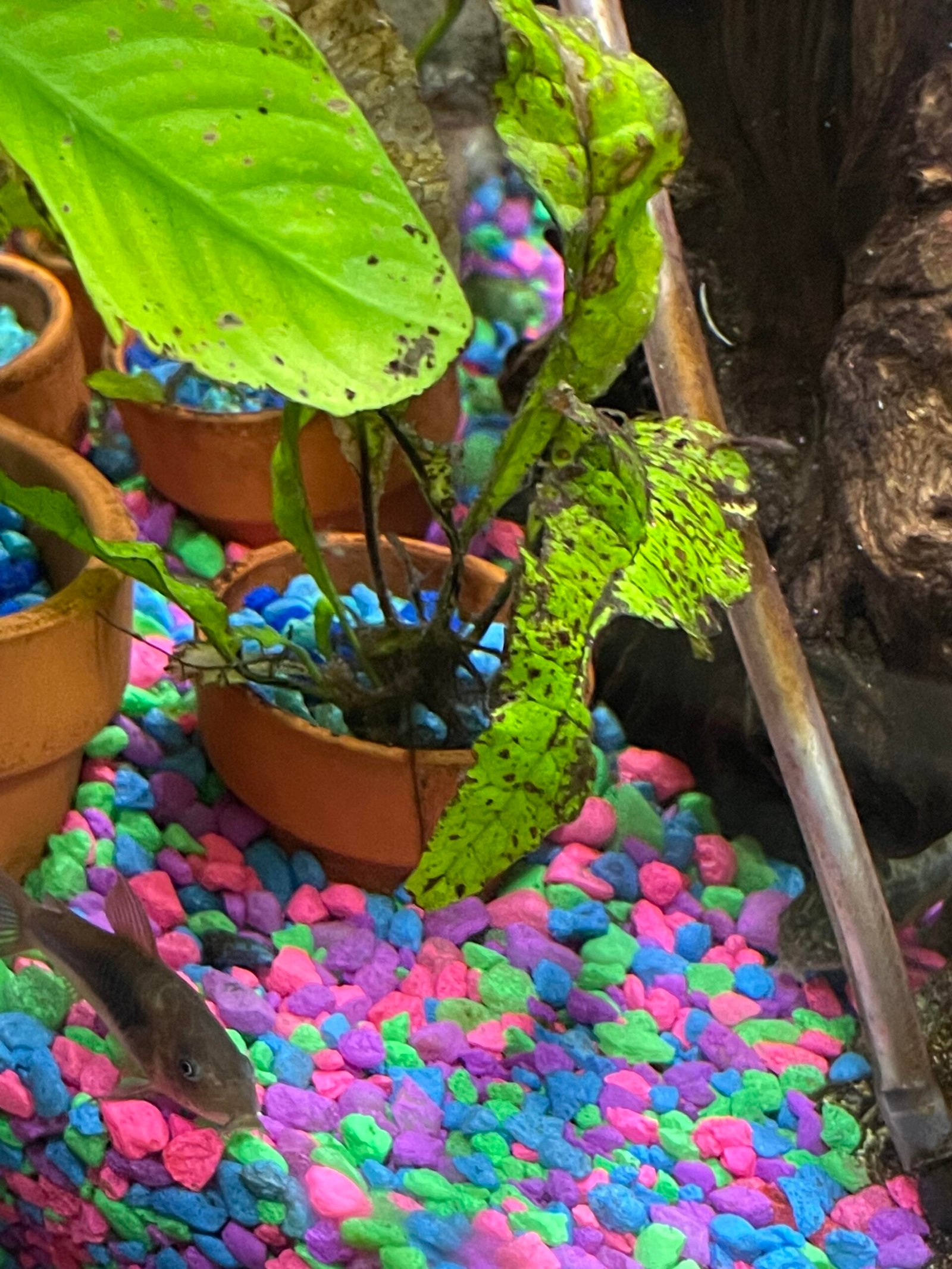
Your aquarium plants are likely turning brown due to poor lighting, nutrient deficiencies, or adjusting to their new underwater environment.
It’s a sight that makes any aquarium enthusiast’s heart sink: those once vibrant green leaves are now covered in brown spots, looking sad and wilted. You’ve pictured a lush, green underwater paradise, but instead, you’re wondering, "why my aquarium plants turning brown?" As someone who has faced this exact problem more times than I can count, I can tell you it's one of the most common hurdles in the hobby. Don't worry, this isn't a sign of failure. It's simply your tank telling you that something is out of balance. In this guide, we'll walk through the common culprits together and find the simple solutions to bring the green back to your aquascape.

The Initial Shock: Acclimation and Plant "Melting"
Have you ever brought home a beautiful new plant, only to watch it turn into a brown, mushy mess within a week? This process is often called "melting," and it’s incredibly common. Most aquatic plants sold in stores are grown emersed, meaning their leaves are in the open air while their roots are in water. This method is faster and more efficient for nurseries.
When you place this plant fully submersed in your aquarium, it has to completely reconfigure itself for underwater life. The old, air-breathing leaves aren’t adapted to absorb nutrients from the water column and will die off, turning brown and translucent. I remember my first Amazon Sword plant; it looked perfect at the store, but a week later, it was a skeleton of its former self. I almost threw it out, but I’m glad I didn’t. Beneath the dying foliage, the plant was already sprouting new, slender leaves perfectly suited for its new underwater home. So, if your new plants are browning, be patient. Trim away the decaying leaves to prevent them from fouling the water, and give the plant a chance to regrow.
Lighting Issues: Too Much or Too Little?
Lighting is the engine that drives plant growth through photosynthesis. Getting it just right is like a balancing act. Both too much and too little light can be a direct answer to the question of why my aquarium plants turning brown.
Not Enough Light
If your plants aren't getting enough light, they simply can't produce the energy they need to survive. The lower, older leaves will often be the first to turn yellow, then brown, as the plant sacrifices them to support new growth closer to the light source. You might also notice your plants growing tall and spindly, a process called etiolation, as they stretch desperately towards the light. The solution here is straightforward: ensure your light is appropriate for the types of plants you have and run it for a consistent 8-10 hours per day. Using an automatic timer is one of the best investments you can make for a stable planted tank.
Too Much Light
It sounds counterintuitive, but excessive light can be just as problematic. While it rarely burns the plants directly, intense light without a balance of nutrients and CO2 can trigger a massive algae bloom. One of the most common culprits is brown diatom algae, which forms a dusty brown film over every surface, including your plant leaves. This algae smothers the plant, blocking it from receiving light and making it appear brown and unhealthy. If you see a brown coating that you can easily wipe off with your finger, you’re likely dealing with diatoms, not a dying plant.

Nutrient Deficiencies: Are Your Plants Starving?
Just like us, plants need a balanced diet to thrive. In an aquarium, they pull these nutrients from the water and the substrate. When a key nutrient is missing, their health declines, often resulting in browning leaves. This is another major reason why my aquarium plants turning brown is such a common question among new hobbyists.
The main nutrients to consider are:
- Nitrogen (N): A nitrogen deficiency usually causes older, lower leaves to turn yellow and eventually disintegrate into a brown mush. This is because nitrogen is mobile, and the plant will move it from old growth to new growth.
- Potassium (K): A classic sign of potassium deficiency is the appearance of tiny pinholes in the leaves, which then become surrounded by yellow or brown patches.
- Iron (Fe): Unlike the others, iron is immobile. This means a deficiency will appear in the newest leaves first, causing them to grow in pale, yellow, or even white before the edges turn brown and decay.
To solve this, you need to provide food. For plants that feed heavily from their roots, like Amazon Swords and Cryptocorynes, inserting root tabs into the substrate near their base works wonders. For plants that feed from the water, like Java Fern and Anubias, a good all-in-one liquid fertilizer is the way to go. I always recommend starting with a half-dose and slowly increasing it to find what your tank needs without fueling algae.

The CO2 Conundrum: Is It Necessary?
Think of light, nutrients, and carbon dioxide (CO2) as the three legs of a stool. If one is too short or too long, the whole system becomes unstable. Carbon is the single most important building block for plant mass, and in many aquariums, it’s the primary limiting factor for growth.
In a low-light setup, the small amount of CO2 produced by your fish might be enough. But if you have a powerful light and are adding fertilizers, your plants will demand much more CO2 to keep up. When they don't get it, their growth stalls. They can't use the light and nutrients available, which allows algae to take over, and the plants themselves may start to fail, with leaves turning brown and melting away. This imbalance is a hidden cause behind the frustrating issue of why my aquarium plants turning brown, especially in high-tech setups. You can supplement CO2 with a pressurized injection system for amazing results or start with a simpler liquid carbon supplement to give your plants a boost.
Brown Algae (Diatoms): The Brown Impostor
Sometimes, the answer to "why my aquarium plants turning brown" is that they aren't! Instead, they are covered in something brown. Diatom algae is extremely common, especially in tanks that have been set up in the last few months. It appears as a dusty or slimy brown coating on glass, substrate, and, of course, your plant leaves.
This type of algae thrives on silicates, which are often present in new aquarium sand and tap water. The good news is that diatoms are usually just a phase. As your tank matures and the silicates are consumed, the algae often vanishes on its own. In the meantime, you can easily wipe it off plant leaves during water changes. Better yet, introduce a cleanup crew! Nerite snails and Otocinclus catfish are fantastic diatom eaters and will keep your plants looking clean and green. In my first planted tank, a small school of "otos" cleared up a stubborn diatom problem in under a week.

Frequently Asked Questions of why my aquarium plants turning brown
Why are my new aquarium plants turning brown?
New plants often "melt" as they adapt from being grown in the air (emersed) to being fully underwater (submersed). The old leaves die off and turn brown, while the plant grows new leaves suited for its aquatic environment.
Can brown aquarium plants recover?
Yes, in many cases they can. If the browning is from nutrient deficiency, lighting issues, or acclimation, correcting the problem will allow the plant to grow healthy new leaves.
Is brown algae harmful to my aquarium plants?
Brown algae, or diatoms, isn't directly harmful, but it can smother plants by blocking light. This prevents photosynthesis and can eventually lead to the plant's decline if not addressed.
How long should my aquarium lights be on to prevent browning?
A consistent photoperiod of 8-10 hours per day is a good starting point for most planted aquariums. Using a timer helps maintain this consistency, which prevents stress on the plants.
Do I need fertilizer if my aquarium plants are turning brown?
If the browning is caused by a nutrient deficiency, then yes, fertilizer is the solution. Look for signs like yellowing leaves, pinholes, or pale new growth to determine if you need an all-in-one liquid fertilizer or root tabs.
Conclusion
Seeing your aquatic plants struggle can be disheartening, but it's a valuable learning experience. The mystery of why my aquarium plants turning brown almost always comes down to a simple imbalance in light, nutrients, or CO2, or it's just a temporary phase like melting or a diatom bloom. The key is to observe your tank, identify the specific symptoms, and make one change at a time. Don't get discouraged; every successful aquascaper has faced these same brown leaves.
Your lush, green underwater garden is within reach. Start by checking your lighting schedule, consider adding a simple fertilizer, and be patient with your new additions. We’d love to hear about your journey—what was causing your plants to turn brown? Share your experiences and successes in the comments below