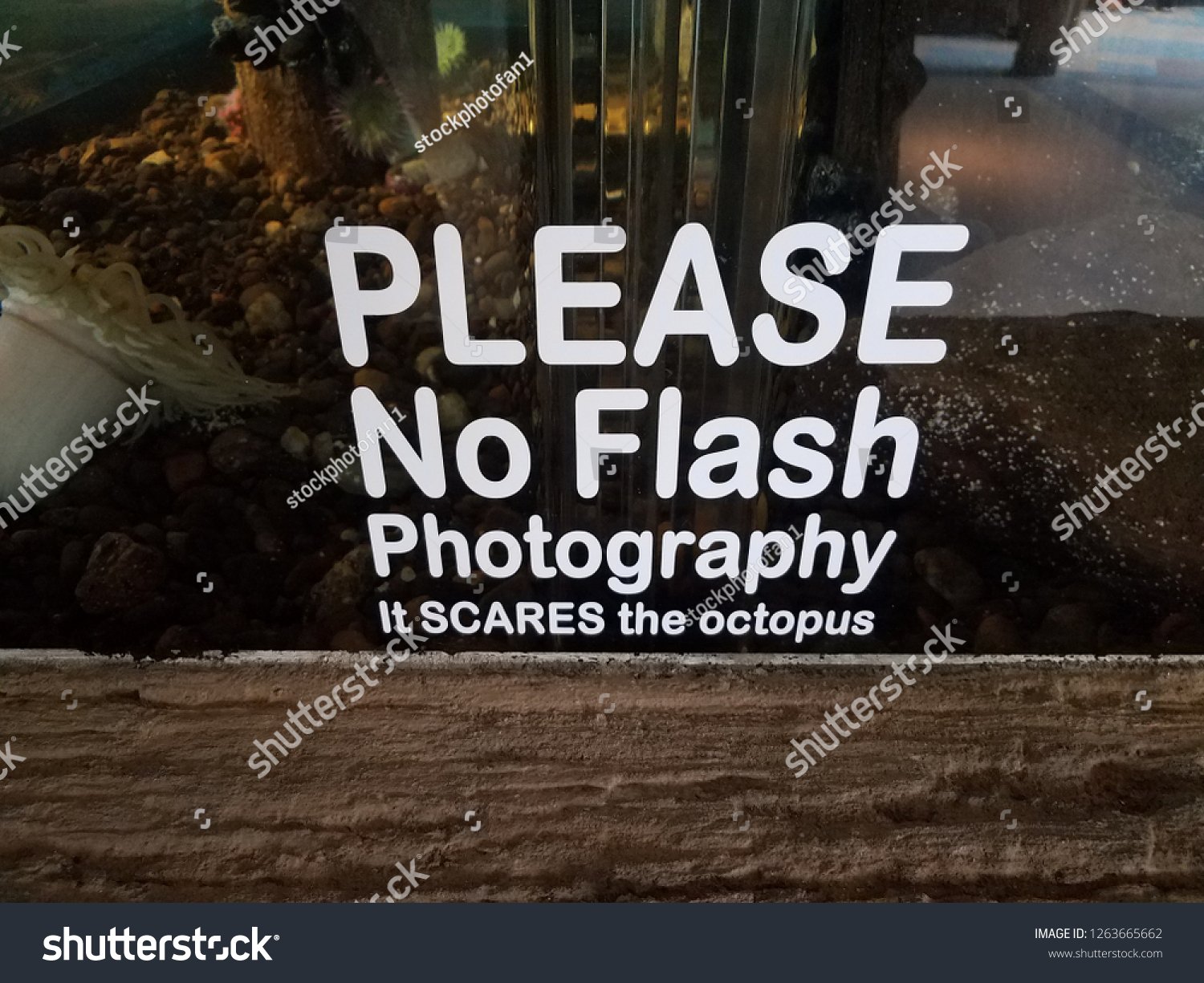
Flash photography is banned because the sudden, bright light stresses, disorients, and can even harm aquatic animals' sensitive eyes.
Have you ever walked into a dark room and had someone unexpectedly turn on a bright light? It’s jarring, isn't it? As a long-time aquarium enthusiast and photographer, I've seen countless visitors get frustrated by the "no flash" rule. But I've also seen firsthand what a sudden burst of light does to the tank's inhabitants. This guide will dive deep into the real reasons why no flash photography in an aquarium is not just a suggestion, but a crucial rule for the well-being of the animals and the quality of your photos. Let's explore the science behind the signs and learn how you can still capture those magical underwater moments.

The Startling Impact of a Sudden Flash on Aquatic Life
Imagine living your entire life in a dimly lit, calm environment. Suddenly, a blinding flash of light, brighter than anything you’ve ever experienced, erupts right in front of you. This is what a camera flash feels like to a fish. Unlike us, most fish cannot simply close their eyelids to protect themselves because they don't have any. Their eyes are specifically adapted to absorb the maximum amount of light in their low-light underwater world.
This sudden, intense burst of light can cause acute stress. You’ll often see fish dart away erratically, hide in crevices, or freeze completely. This isn't just a simple scare; it's a physiological stress response that can elevate their heart rate and disrupt their natural behaviors like feeding or resting. Understanding why no flash photography in an aquarium is so important begins with having empathy for these delicate creatures.
The shock isn't just behavioral. The pupils of a fish's eye adjust to light levels much slower than a human's. A camera flash is so fast and intense that their eyes have no time to adapt. This leaves them temporarily blinded and disoriented, making them vulnerable and agitated long after the flash has faded. It's a jarring experience that turns their peaceful home into a source of fear.

Beyond Stress: Can Camera Flashes Actually Harm Fish?
The conversation about why no flash photography in an aquarium goes beyond just temporary stress. There is a real concern among marine biologists and aquarists about the potential for physical harm. The intense, focused light from a flash can cause damage to the sensitive retinal cells in a fish's eye, a condition sometimes referred to as photo-oxidative retinal damage.
Think about nocturnal creatures or those from the deep sea, whose eyes are even more sensitive to light. For them, a camera flash is like a lightning strike in a dark forest. Repeated exposure from dozens of visitors every day can lead to cumulative damage, potentially causing long-term vision problems or even permanent blindness. This is a primary reason why no flash photography in an aquarium is a strictly enforced rule.
From my own experience, I’ve seen how sensitive even common fish are. While trying to photograph a shy clownfish, even the reflection of my phone's screen off the glass was enough to send it retreating into its anemone. This small observation highlights just how much a powerful, direct flash can overwhelm them. The well-being of the animals must always come first, and a simple flash can have consequences we don't immediately see.

Why Your Flash Photo Wouldn't Look Good Anyway
Here’s a secret that will save you a lot of frustration: even if it were allowed, using a flash for aquarium photography would give you terrible pictures. The main problem is the glass or acrylic barrier between you and the fish. When you fire a flash directly at the tank, most of that light bounces right back at your camera lens.
This creates a massive, ugly glare and bright hotspots that ruin the image. You'll also see every single fingerprint, smudge, and scratch on the glass magnified in your photo. Instead of a clear shot of a beautiful fish, you end up with a picture of a reflection and a washed-out, ghostly-looking subject. The natural, ambient lighting of the aquarium is designed to show off the animals' true colors, and a flash completely overpowers it.
Furthermore, the flash can create harsh shadows and flatten the image, removing the sense of depth and dimension. It also illuminates all the tiny particles and debris floating in the water, a phenomenon called backscatter, making your photo look like it was taken in a snowstorm. So, the rule about why no flash photography in an aquarium isn't just for the animals' safety; it's also a fundamental principle of good photography in this environment.

How to Take Amazing Aquarium Photos Without Flash
Now for the fun part! You don't need a flash to take breathtaking photos. With a few simple adjustments, you can work with the aquarium's lighting to capture stunning images. As someone who has spent hours practicing, I can tell you these techniques make all the difference.
Here are some practical tips to try on your next visit:
- Get Close to the Glass: Press your lens (or phone) right up against the glass. This simple trick stabilizes your shot and dramatically reduces reflections from the room around you.
- Turn Off Your Flash: This is the first and most important step. Go into your camera or phone settings and make sure the flash is completely disabled, not just on "auto."
- Increase Your ISO: The ISO setting controls your camera's sensitivity to light. Gently increase it to brighten your photos in the low-light environment. Be careful not to raise it too high, as it can make your photos look grainy.
- Use a Wide Aperture: If your camera allows, use a wide aperture (a low f-stop number like f/1.8 or f/2.8). This lets more light into your lens, allowing you to use a faster shutter speed to freeze the motion of swimming fish.
- Be Patient: The best shots rarely happen in an instant. Wait for a fish to swim into a well-lit area of the tank. A little patience will reward you with a much better photo than a rushed, blurry one.
Following these tips not only respects the rule of why no flash photography in an aquarium but also empowers you to become a better photographer.

Frequently Asked Questions of why no flash photography in aquarium
Does the flash on a phone camera also harm fish?
Yes, absolutely. The LED flash on a smartphone is still an intensely bright, sudden burst of light that can stress and harm fish just as much as a traditional camera flash. The rule applies to all devices.
What about the lights already inside the aquarium tank?
The lighting inside a tank is carefully controlled. It's consistent, often on a timer to mimic a natural day-night cycle, and is diffused across the entire habitat. This allows the animals to adjust, unlike the sudden, direct shock of a camera flash.
Can I use a red light for focusing?
While red light is less disturbing to some animals, many aquariums prohibit any external light source. This includes the red or orange autofocus-assist beams on some cameras, as they can still be a source of stress and distraction for certain species.
Will one flash photo really cause a problem?
While a single flash might not cause permanent damage, imagine hundreds of visitors doing it every day. The cumulative effect of constant flashes creates a highly stressful and harmful environment for the animals. Following the rule is about collective responsibility.
Is it okay to use flash in outdoor ponds or large ocean exhibits?
The rule generally applies to all enclosed habitats. Even in larger exhibits, a flash can startle animals and cause unpredictable behavior. It's always best to default to no flash unless a sign or staff member explicitly states otherwise.
Conclusion
The rule against flash photography in aquariums is far more than an arbitrary guideline. It's a critical measure to protect the health and well-being of the aquatic residents by preventing stress, disorientation, and potential eye damage. Beyond the welfare of the animals, using a flash simply results in poor-quality photos filled with glare and washed-out colors.
The next time you visit an aquarium, see the "no flash" sign as an invitation to challenge your photography skills. Embrace the beautiful, ambient lighting of the exhibits. Get close to the glass, be patient, and use the tips we've discussed to capture the serene magic of the underwater world in a way that is respectful and beautiful.
What are your best tips for taking great flash-free aquarium photos? Share your experiences and questions in the comments below