An aquarium air pump is vital for oxygenating the water, improving circulation, and powering essential filters for healthier fish.
As someone who has spent years captivated by the vibrant, underwater worlds we create in our homes, I've learned that the quiet hum of an air pump is often the sound of a healthy, thriving aquarium. Many new hobbyists see the bubbling airstones and wonder if they are just for decoration. The truth is, understanding why use an air pump in aquarium is one of the foundational pieces of knowledge that separates a good fishkeeper from a great one. It’s about more than just pretty bubbles; it's about creating a stable, oxygen-rich environment where your aquatic pets can truly flourish. Let's dive into the essential roles these simple devices play.
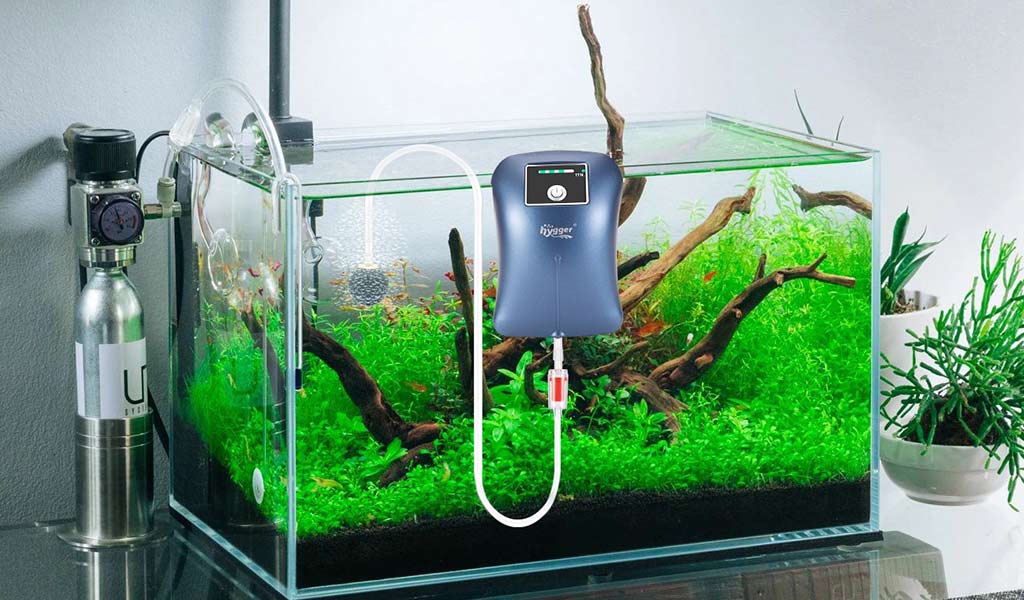
The Core Function: Boosting Oxygen in Your Tank
One of the biggest misconceptions in the aquarium hobby is that the bubbles rising from an airstone are directly putting oxygen into the water. While a tiny amount of gas exchange happens on the bubble's surface, that’s not the main event. The real magic happens at the very top of your tank.
The primary reason to use an air pump in an aquarium is to create surface agitation. As the bubbles rise and break the surface, they create ripples and waves. This constant movement dramatically increases the surface area where water is exposed to the air. Think of it like opening a window in a stuffy room; it allows for a crucial process called gas exchange. Harmful carbon dioxide (CO2) from fish respiration is released into the atmosphere, and life-giving oxygen (O2) is absorbed into the water. Without enough surface movement, this exchange slows down, and oxygen levels can drop to dangerous lows, especially in a heavily stocked tank.

Improving Water Circulation and Quality
A stagnant aquarium is an unhealthy aquarium. Water that doesn't move can develop "dead spots," which are areas with low oxygen and a buildup of waste like fish poop and uneaten food. These spots can become breeding grounds for harmful bacteria and can lead to dangerous ammonia spikes.
This is another key reason why you use an air pump in your aquarium. The column of rising bubbles creates a gentle but effective current. This current pulls water from the bottom of the tank up to the top, ensuring that water circulates throughout the entire environment. This helps in a few ways:
- It distributes heat more evenly from your heater, preventing hot and cold spots.
- It keeps waste particles suspended in the water longer, giving your filter a better chance to pick them up.
- It ensures that oxygenated water from the surface is mixed down to the lower levels of the tank.
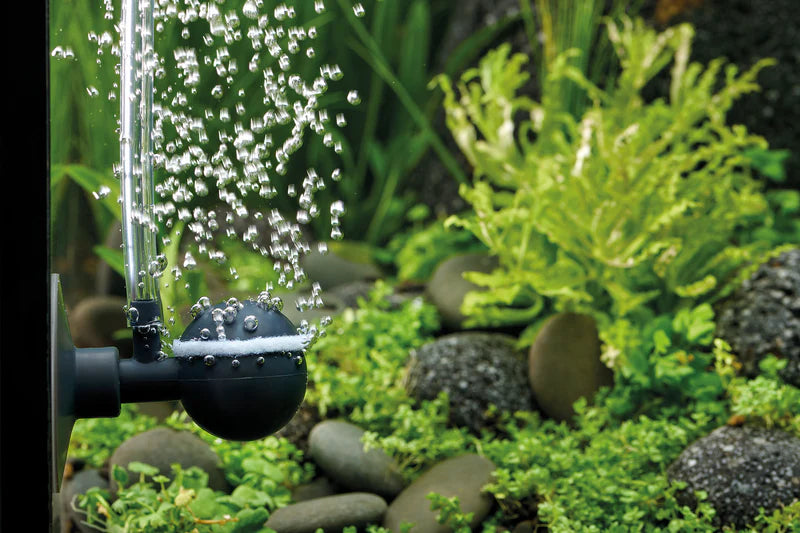
Powering Essential Aquarium Equipment
Beyond just adding bubbles, air pumps are the engines that drive some of the most reliable and beneficial pieces of aquarium equipment. For many aquarists, including myself, this is a non-negotiable reason to have one running. If you've ever wondered how certain simple filters work without a motor, the answer is air power.
Here are a few key pieces of gear powered by an air pump:
- Sponge Filters: These are my absolute favorite for betta tanks, shrimp tanks, and hospital or quarantine setups. An air pump pushes air through the sponge, which draws water in. This provides excellent mechanical and biological filtration without creating a current that's too strong for delicate fish.
- Undergravel Filters: Though less common today, these filters use an air pump to pull water down through the gravel, turning your entire substrate bed into a massive biological filter.
- Decorative Ornaments: Many fun "action" ornaments, like bubbling treasure chests or moving divers, require an air pump to operate.
- Protein Skimmers: In the saltwater world, air pumps can be used to power certain types of protein skimmers that are crucial for removing organic waste.
Understanding why to use an air pump in an aquarium often comes down to powering this simple, effective, and often inexpensive equipment.

Aesthetic Appeal: The Beauty of Bubbles
Let's be honest, the visual effect of a stream of bubbles is a big part of the appeal. While we've focused on the functional benefits, we shouldn't dismiss the beauty it adds to your underwater landscape. The gentle cascade of bubbles can bring a sense of life and movement to an otherwise still scene.
A well-placed airstone can create a shimmering curtain of bubbles as a backdrop, drawing the eye and highlighting your fish. From simple, round airstones to long bubble wands that create a full "wall of bubbles," there are plenty of options to enhance your tank's appearance. This visual element makes the aquarium more dynamic and enjoyable to watch, which is, after all, one of the main reasons we keep them.
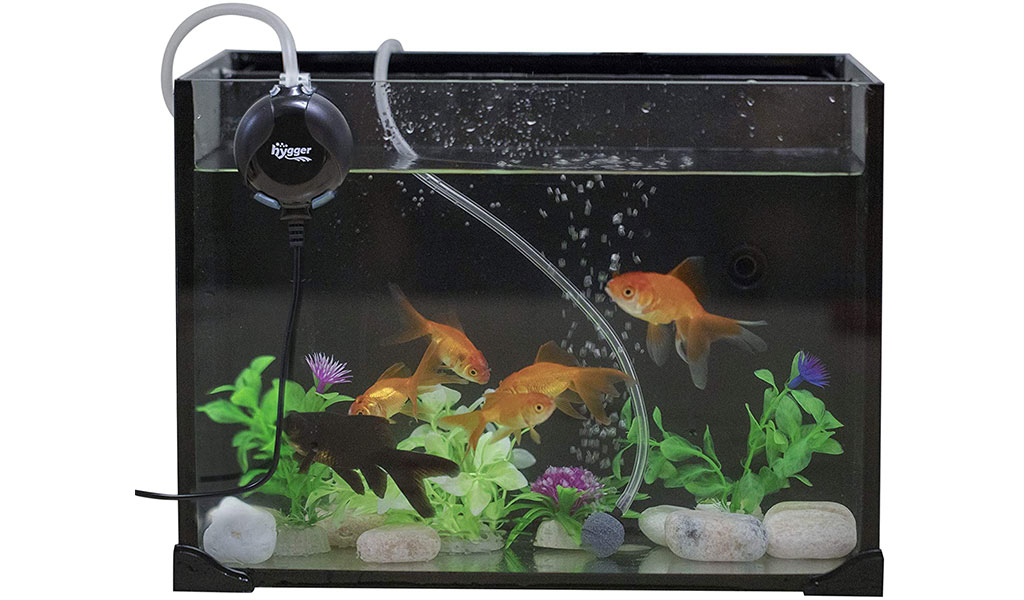
Do You Always Need an Air Pump?
This is where experience and observation come into play. The honest answer is no, not every single aquarium setup absolutely requires a separate air pump. Many modern filters, especially hang-on-back (HOB) and canister filters, are designed to create significant surface agitation on their own as the filtered water cascades back into the tank.
However, even with a good filter, there are times an air pump is a great idea. I once had a power outage during a hot summer day. My main filter was dead, but a small, battery-operated air pump kept the water moving and oxygenated, saving my fish. It’s also a good idea to add an air pump if your tank is heavily stocked, if you keep fish that require high oxygen levels, or if you are treating the tank with medication, as some medicines can reduce oxygen levels in the water. Ultimately, knowing why you use an air pump in an aquarium helps you decide if your specific setup can benefit from one.

Frequently Asked Questions of why use an air pump in aquarium
h3 Can an air pump be too strong for an aquarium?
Yes, a very strong air pump in a small tank can create too much current, stressing fish like bettas or guppies. You can easily solve this by adding a small, inexpensive control valve to the airline tubing to reduce the airflow.
h3 Do fish sleep with an air pump on?
Absolutely. The air pump should run 24/7 because your fish need a constant supply of oxygen, day and night. The gentle bubbling sound and current will not disturb them once they are used to it.
h3 How do I know if my fish need more oxygen?
A classic sign of low oxygen is fish gasping for air at the water's surface. They may also become lethargic or breathe rapidly. Adding an air pump can quickly resolve this issue.
h3 Does an air pump clean the water?
An air pump itself does not clean the water, but it greatly helps the cleaning process. It improves circulation so your filter can remove waste more effectively, and it powers sponge filters which provide excellent biological and mechanical filtration.
h3 How long should I run my aquarium air pump?
You should run your air pump continuously, 24 hours a day, 7 days a week. Oxygen levels can drop quickly if it's turned off, especially at night when plants are not producing oxygen. Consistency is key for a stable environment.
Conclusion
From providing essential oxygen and improving water circulation to powering vital filtration systems, the humble air pump is a true workhorse in the aquarium hobby. It’s a small investment that pays huge dividends in the health and stability of your aquatic ecosystem. While not every tank requires one, understanding its functions allows you to make the best decision for your specific setup.
Now that you know the reasons why to use an air pump in an aquarium, take a look at your tank. Could it benefit from a little more surface agitation or a reliable sponge filter? Providing that extra support can make all the difference for your finned friends. We'd love to hear about your experiences—leave a comment below and share how an air pump has helped your aquarium thrive