Your aquarium cycle stalls because of insufficient ammonia, incorrect pH, or over-cleaning your filter media.
Staring at a water test vial day after day, only to see the same unchanged results, is one of the most frustrating experiences in the aquarium hobby. I've been there, feeling that mix of confusion and impatience, wondering what I was doing wrong. If you're constantly asking yourself, "why won't my aquarium cycle?", you've come to the right place. We're going to dive deep into the common roadblocks and uncover exactly what's holding your tank back from becoming a healthy, thriving ecosystem.
Not Providing a Consistent Ammonia Source
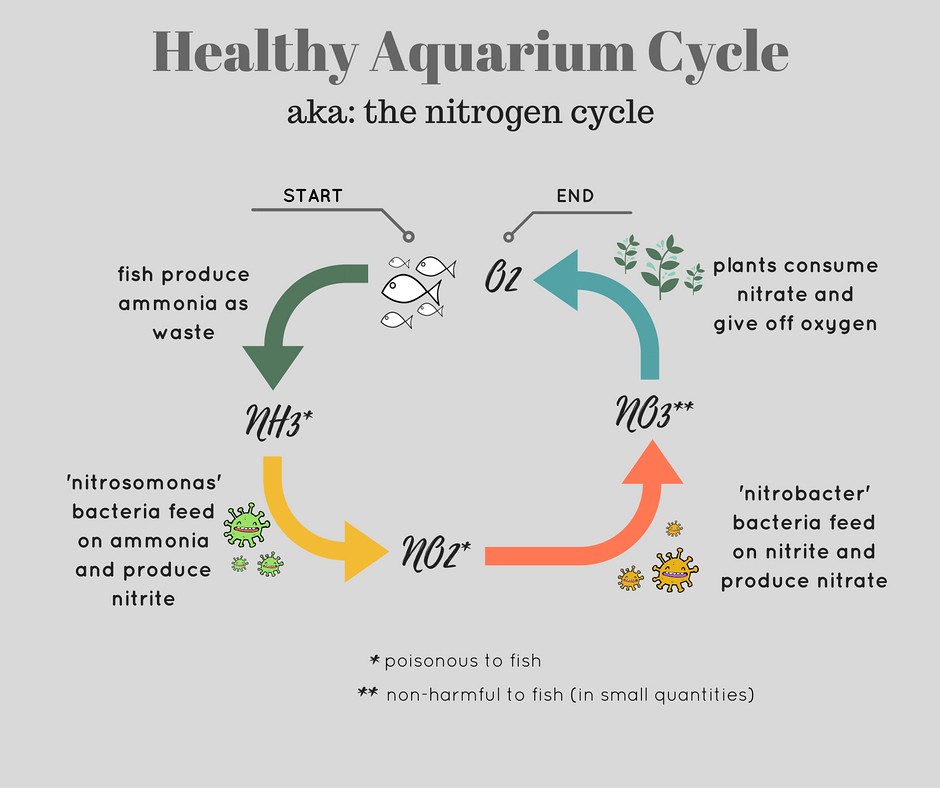
The nitrogen cycle is a process driven by beneficial bacteria. Think of these bacteria as tiny workers who need food to survive and multiply. Their food is ammonia. Without a steady supply of ammonia, the bacterial colony that converts it to nitrite will never grow.
A common mistake I see new hobbyists make is adding a pinch of fish food on day one and then waiting. That single dose of ammonia gets consumed, and then the bacteria starve. To keep the cycle going, you need to provide a constant source.
Here are the best ways to do this:
- Ghost Feeding: Add a small pinch of fish food to the tank every day. As it decays, it will release a steady stream of ammonia.
- Pure Ammonia: You can dose the tank with pure liquid ammonia. This method is precise but requires careful measurement to reach a target of 2-4 ppm (parts per million).
- A Raw Shrimp: Placing a small piece of raw shrimp in a media bag and leaving it in the tank will also provide a slow, steady release of ammonia as it decomposes.
I remember my very first tank; I was so afraid of making the water "dirty" that I barely added any food. Weeks went by with no change, leaving me wondering why won't my aquarium cycle. It wasn't until I started feeding the empty tank daily that I finally saw that beautiful nitrite spike.

Your Water Parameters Are Working Against You
Beneficial bacteria are living organisms, and like any organism, they have preferred environmental conditions. If your water parameters are out of whack, your bacterial colony will struggle to grow, or their activity will grind to a halt. It's a key reason behind the frustrating question of why won't my aquarium cycle.
Here are the key parameters to check:
- pH Level: This is the most common culprit. The bacteria that perform the nitrogen cycle thrive in a pH range of 6.8 to 8.0. If your pH drops too low, especially below 6.5, the bacteria can become dormant. Their work effectively stops until the pH rises again.
- Temperature: These bacteria prefer warmer temperatures. Keeping your aquarium between 75-82°F (24-28°C) will help speed up their metabolic rate and encourage faster growth. A cold tank will cycle much more slowly.
- KH (Carbonate Hardness): KH acts as a buffer for your pH, preventing it from crashing. The nitrification process consumes carbonates, so if your KH is too low, the pH can drop suddenly and stall your cycle.
Think of your bacteria as construction workers. If the job site is too acidic or too cold, they're going to stop working. You need to provide them with a comfortable environment to get the job done.

You Might Be Over-Cleaning Your Filter
Your filter is not just a trash collector; it's the prime real estate for beneficial bacteria. The filter media, whether it's a sponge, ceramic rings, or a cartridge, provides a massive surface area for these bacteria to colonize. The biggest mistake you can make during a cycle is cleaning this media improperly.
When you replace a filter cartridge or rinse a sponge under tap water, you are essentially wiping out your entire bacterial workforce. The chlorine and chloramine in tap water are specifically designed to kill bacteria, and they don't discriminate between the good and the bad. This is a very common answer to why won't my aquarium cycle.
A friend of mine was stuck in a cycle loop for two months. He was frustrated, asking me why won't my aquarium cycle, and it turned out he was replacing his "dirty" filter cartridge every week, thinking he was keeping the tank clean. In reality, he was resetting the cycle every single time. Once he started just swishing the sponge in old tank water during a water change, his tank cycled in two weeks.

The Hidden Cycle-Killer: Chlorinated Water
This ties directly into filter maintenance but also applies to your water changes. Every time you add untreated tap water to your aquarium, you are introducing chlorine and chloramine. These disinfectants are a death sentence for your delicate, developing bacterial colony.
Even a small water change with untreated water can be enough to severely set back or completely stall your cycle. This is why a high-quality water conditioner is non-negotiable in this hobby. It instantly neutralizes chlorine and chloramine, making the water safe for your bacteria and, eventually, your fish.
Always treat your water before it goes into the tank. It’s a simple, crucial step that many people overlook when they can't figure out why won't my aquarium cycle. Don't let this easy mistake be the reason your progress stalls.

A Test of Patience (and Your Test Kit)
Sometimes, the answer to "why won't my aquarium cycle" is simply that it hasn't been long enough. A healthy aquarium cycle takes time, typically anywhere from 4 to 8 weeks. It’s a natural process that can’t be rushed. Watching your water parameters daily can feel like watching paint dry.
Another factor is the accuracy of your testing method. While test strips are convenient, they are often inaccurate and can be difficult to read. They might not show the subtle changes happening in your water, leading you to believe nothing is happening.
Investing in a liquid test kit, like the API Freshwater Master Test Kit, is one of the best things you can do. It provides much more precise and reliable readings for ammonia, nitrite, and nitrate. Seeing those numbers change accurately gives you the confidence that the process is working, even if it's slow. Patience, combined with accurate testing, will see you through to a successfully cycled tank.

Frequently Asked Questions
How long should an aquarium cycle take?
A typical aquarium cycle takes between 4 to 8 weeks to complete. The exact time can vary based on factors like ammonia source, water temperature, and pH levels.
Can I add fish to speed up the cycle?
This method, known as a fish-in cycle, is not recommended for beginners. It is stressful and potentially harmful to the fish as they are exposed to toxic ammonia and nitrite.
Why are my nitrites so high and not going down?
High, stalled nitrites are very common and often represent the longest part of the cycle. This just means the bacteria that consume nitrite are still growing, so be patient and they will eventually convert it to nitrate.
Is it normal to have 0 nitrates at the end of a cycle?
If you have live plants, it's possible for them to consume all the nitrates, resulting in a zero reading. However, you should still see a clear ammonia and nitrite spike and fall before considering the cycle complete.
What should I do if my cycle stalls for over a week?
If your readings haven't changed in over a week, review the common issues. Check your pH to ensure it's not too low, confirm you have a steady ammonia source, and make sure you haven't cleaned your filter with tap water.
Conclusion
The journey of cycling an aquarium is often a test of patience and diligence. When you find yourself asking why won't my aquarium cycle, take a step back and review the fundamentals. Ensure you have a consistent ammonia source, stable and appropriate water parameters, and that you are protecting your precious filter media from chlorine. These are the pillars of a successful nitrogen cycle.
Think of this process not as a hurdle, but as the foundation of your aquarium's long-term health. By understanding the needs of your beneficial bacteria, you are setting the stage for a stable, safe, and beautiful environment for your future fish. You can do this!
What was the one thing that finally kicked your cycle into gear? Share your story in the comments below to help others on their journey