
I Lost My First Fish Because of Test Strips. Here’s What I Learned.
Let me tell you about Gerald. Gerald was a gorgeous halfmoon betta I brought home during my first week of fishkeeping. He died three weeks later because my test strips told me everything was fine when (spoiler alert) everything was absolutely not fine. That $4 pack of strips cost me a fish I genuinely cared about. Honestly? I still think about it.
Fast forward three years and seven nano tanks later. I decided it was time to settle this debate once and for all. Does the question of API Master Test Kit vs. test strips have a clear answer, or is there nuance here? I spent 30 days testing both methods side by side across multiple tanks, sent samples to an actual lab for verification, and tracked every single data point. Here’s what I found.
The Methodology: Setting Up a Fair Fight
Look, I wasn’t going to half-commit to this experiment. When comparing API vs. Tetra ammonia and nitrite test accuracy, you need controls. You need consistency. My graphic design brain demanded a proper system.
Here’s what I did:
The Products Tested:
– API Freshwater Master Test Kit (the full kit with pH, high-range pH, ammonia, nitrite, and nitrate)
– Tetra EasyStrips 6-in-1 plus their separate ammonia strips
The Tanks:
– My 20-gallon planted community tank (established, stable parameters)
– A 5-gallon shrimp tank mid-cycle
– A newly set up 10-gallon experiencing a mini-cycle after adding fish
The Protocol:
Each tank got tested daily at the same time: 7 AM before feeding. I used both the API liquid kit and Tetra strips on the same water sample, recorded results immediately, and photographed every single test. Twice during the 30 days, I sent water samples to a local aquatic lab for professional analysis.
Why the lab tests? Because I wanted to know which method actually matched reality. No assumptions. Just data.
Accuracy Showdown: Where the Numbers Actually Diverge
Here’s the thing about accuracy. It doesn’t matter much when your tank is stable and healthy. Both testing methods told me my established 20-gallon was fine. Great. But that’s not when you desperately need accurate readings.
My cycling 5-gallon and the 10-gallon experiencing a mini-cycle revealed the real differences. And oh boy, the divergence was stark.
Ammonia Readings:
API consistently showed ammonia levels that matched the lab results within 0.25 ppm. My cycling tank showed 2.0 ppm on the API kit, and the lab confirmed 1.8 ppm. Close enough to make the same fishkeeping decisions.
Those Tetra ammonia strips? They read that same sample as “safe” with barely a color change. According to the strips, I could’ve added fish. According to reality, those fish would’ve suffered.
Nitrite Detection:
This is where I got genuinely frustrated with the strips. My 10-gallon showed a clear 0.5 ppm nitrite reading on the API kit during its mini-cycle. Lab confirmed 0.4 ppm. And the test strips showed… nothing. Zero. Nada.
I tested the strips again with a fresh sample. Still nothing. Either I got a bad batch, or strip sensitivity just isn’t there for low-but-dangerous levels.
Nitrate Readings:
API earns the title of most accurate fish tank water testing kit here too, though the gap was smaller. Strips read my planted tank at 20 ppm when both the API kit and lab showed closer to 35–40 ppm. Not a crisis, but definitely a difference in how I’d approach water changes.

When asking whether Tetra test strips are as good as liquid test kits, my 30-day data says no. Not for the parameters that actually kill fish.
The Hidden Cost Math: What You’re Actually Paying Per Test
Everyone says liquid kits are cheaper long-term. But I wanted real numbers, not vibes.
API Freshwater Master Test Kit:
– Purchase price: approximately $35
– Number of tests included: roughly 800 tests total across all parameters
– Cost per full parameter test: varies depending on current retail pricing and how you calculate tests per parameter
Tetra EasyStrips 6-in-1 (100 count) plus Ammonia Strips (25 count):
– Combined purchase price: typically $25–40 or more depending on retailer and current pricing
– You need both for complete testing
– Cost per full parameter test: varies based on purchase price
Over 6 Months (testing twice weekly):
– API: generally lower cost per test over time
– Tetra: generally higher cumulative cost
Over 12 Months (testing twice weekly):
– API: still typically more economical long-term
– Tetra: higher overall spend, plus you’ll need to rebuy the ammonia strips
Pretty clear math for any API test kit accuracy review in 2024 or beyond. You spend less and get more reliable results. But here’s the catch: you’re spending more upfront, which matters when you’re a college student or just starting out.
I get it. I was there. budget aquarium setup guide But that $35 upfront saves you money within six months. So if you can swing it, swing it.
When Accuracy Actually Matters: The Moments That Save Fish
Not every test needs laboratory precision. Let me be specific about when you absolutely need the liquid kit.
During Cycling:
Whether you’re doing a fishless cycle or (heaven forbid) a fish-in cycle cycling a new aquarium, you need to detect ammonia and nitrite at low levels. My strips failed to show nitrite at 0.5 ppm. That level stresses fish. That level can kill sensitive species. You simply can’t rely on Tetra test strip reliability in freshwater aquarium scenarios when cycling.
After Adding New Fish:
Your biofilter needs time to catch up to increased bioload. Mini-cycles happen. I’ve seen it. My 10-gallon proved it. You need to know immediately if ammonia is spiking.
When Fish Act Weird:
Gasping at the surface? Clamped fins? Hiding when they’re usually active? You need accurate readings right now. Not a vague color that might mean “safe” or might mean “0.5 ppm ammonia.”
Breeding Projects:
Trying to breed anything, especially sensitive species? Parameter precision matters. Don’t trust strips for this.
For the best test kit for accurate ammonia and nitrite readings, liquid wins every time.
When Strips Actually Make Sense
I’m not going to pretend strips have zero use cases. That would be dishonest.
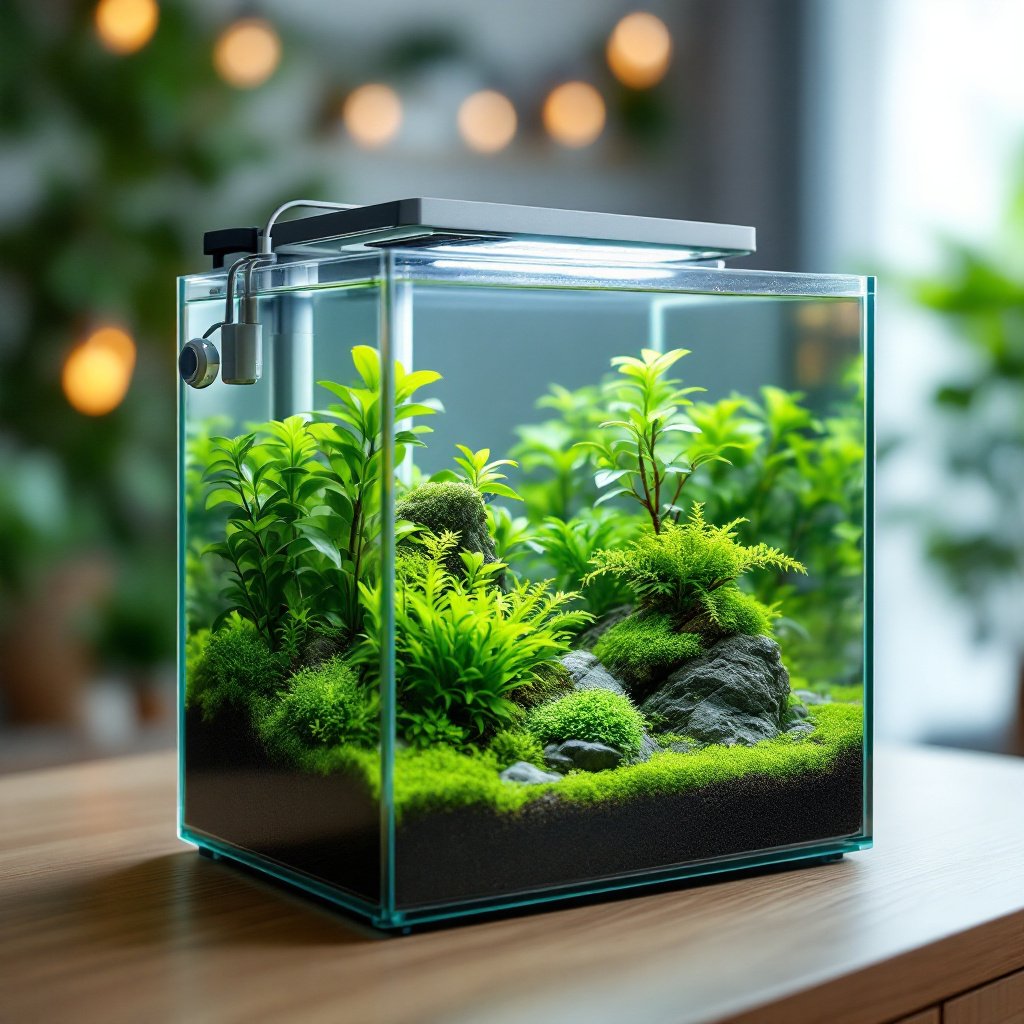
Got a super stable, heavily planted tank that’s been running for years and you just want a quick sanity check? Fine. Strips work for that “everything still fine?” glance.
Traveling and need someone to check your tank who has zero fishkeeping experience? Strips are idiot-proof. Dip, wait, compare. No counting drops, no shaking for 30 seconds, no timing.
Testing multiple tanks quickly when you already know they’re stable? Strips save time.
But these are all scenarios where accuracy matters less. That’s the pattern.
The Practical Verdict: A Hybrid Approach That Actually Works
Here’s what I actually do now across my seven tanks. It’s the best aquarium water test kit comparison strategy I’ve landed on:
For established, stable tanks:
Weekly strip tests for a quick visual confirmation. Anything looks off? I break out the API kit.
For any cycling tank:
API kit only. Daily or every other day. No exceptions. I learned this lesson with Gerald.
For any tank showing problems:
API kit immediately, possibly followed by a lab test if I’m seeing something confusing.
For verifying new test kit batches:
Test the same water with both methods. Do your strips consistently match your API readings? That’s a good batch. Significant divergence? Don’t trust the strips.
This hybrid testing strategy keeps costs reasonable while ensuring I catch problems before they become fish funerals.
My Final Recommendation Based on Your Situation
So, API Master Test Kit vs. test strips: which is better? It depends on you.
Beginners: Buy the API kit. Don’t argue. Don’t try to save $10. Your fish will thank you when you actually detect that ammonia spike during your first cycle. How accurate are aquarium liquid test kits compared to strips? Accurate enough to save lives. That’s your answer.
Budget tight? I hear you. I was a broke graphic design student once too. Start with the API kit even if it means waiting an extra week before buying fish. The kit lasts a long time. A dead fish isn’t replaceable.
Experienced with stable tanks? You can probably get away with strips for routine monitoring, but keep an API kit on hand. Parameters don’t care about your experience level when something goes wrong.
Wondering why liquid test kits show different readings than strips? It comes down to chemistry sensitivity. Liquid reagents can detect lower concentrations than the reagent pads on strips. Simple as that.
Would Gerald still be alive if I’d spent an extra $10 on the API kit that first week? I don’t know. But I know I would’ve seen the ammonia building in his uncycled tank. I would’ve done water changes. I would’ve had a chance.
For me, that possibility is worth the upfront cost. And honestly, for anyone who cares about their fish? I think it’s worth it for you too.