
Refraction, water resistance, and awkward tank angles make reaching in and grabbing bottom items surprisingly hard.
I’ve spent years keeping tanks and helping others with fishroom tasks, so I know exactly why it feels awkward to reach into an aquarium and pick up something on the bottom. This article explains the science, the physical limits, the risks to fish and gear, and practical fixes you can use right away. If you’ve ever missed a pebble or knocked over decor while trying to grab a fumbled feeder, read on—I’ll walk you through clear reasons and simple solutions for why is it difficult to reach into an aquarium and pick up something on the bottom.

Why your hand and your eyes disagree: refraction and optical tricks
Light bends when it moves from water to air. This bending, or refraction, changes where things look. A pebble at the bottom appears closer to the surface than it really is. When you reach for that pebble, your hand aims where your eyes say the pebble is. The mismatch causes misses and awkward grasps. This explains a core reason why is it difficult to reach into an aquarium and pick up something on the bottom.

Physical resistance: why water slows and resists your hand
Water pushes back. Your hand meets drag as it moves deeper. That drag slows fine movement and reduces fingertip feel. Small, fast motions become clumsy. This physical resistance is a big part of why is it difficult to reach into an aquarium and pick up something on the bottom.
Tank shape, glass thickness, and rim geometry
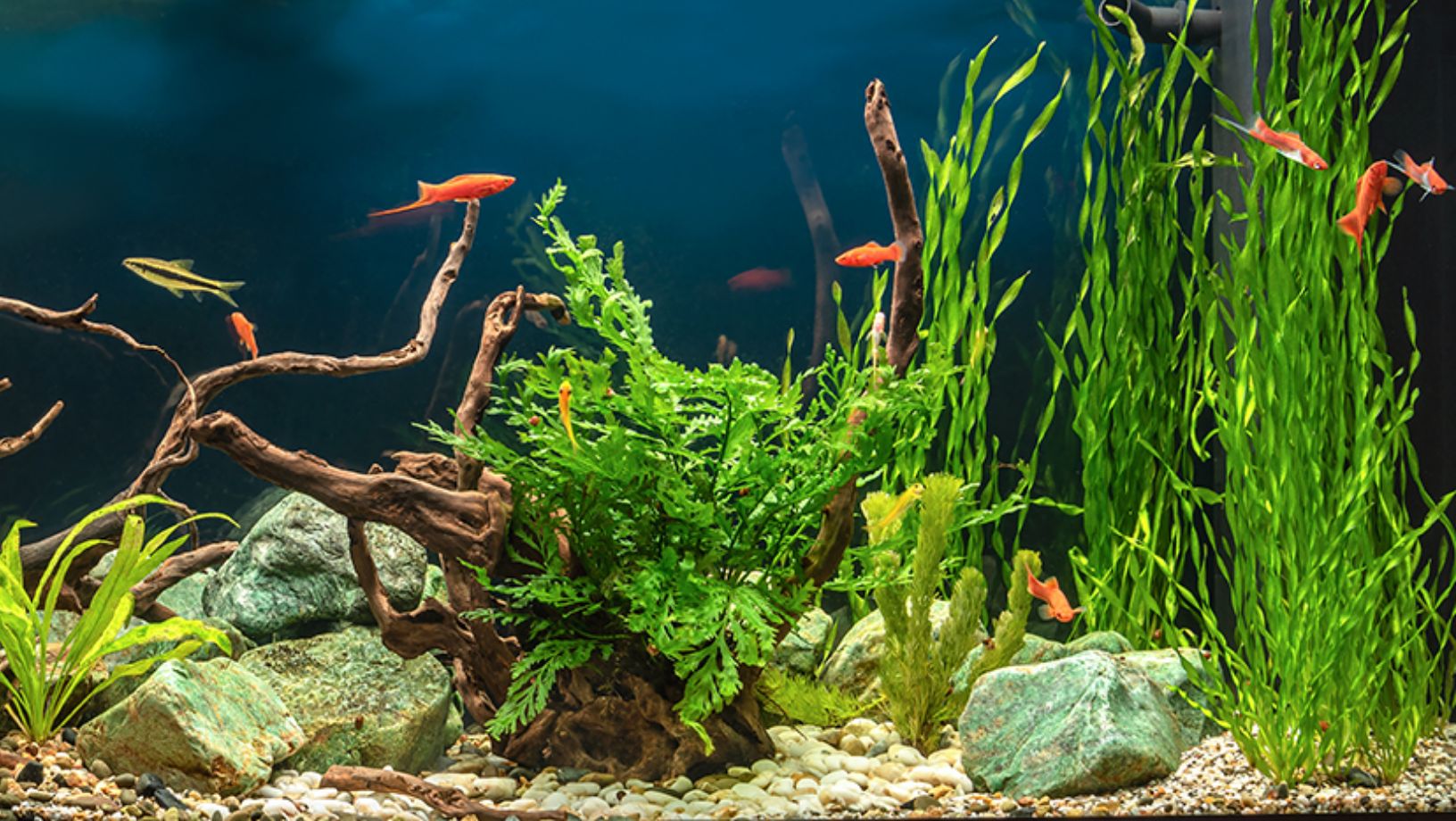
Tank walls and lip shape change how you can move. Thick glass or awkward rims limit wrist angle. Narrow tank tops force a shallow reach that reduces leverage. Curved glass also distorts sight lines more. These design factors add to why is it difficult to reach into an aquarium and pick up something on the bottom.
:strip_icc()/GettyImages-993654368-e1cf7ab63ccd4c26a882a596ac7bb5c5.jpg)
Substrate, suction, and slipping objects
Sand and fine gravel can create suction or let items sink slightly into the bed. Sticky algae, biofilm, or plant roots can hold small items. Smooth stones or wet décor slip from fingertips when you try to lift them. These surface interactions make it harder than expected to pick up items from the tank bottom. This is another practical reason why is it difficult to reach into an aquarium and pick up something on the bottom.

Fish behavior and equipment hazards
Fish react to sudden hands. They may dart and hide. Filters, heaters, and plants block direct access. Reaching in without care can scare fish or damage equipment. For safety and stress reasons, this behavioral factor explains part of why is it difficult to reach into an aquarium and pick up something on the bottom.
Practical tips and tools to make it easier
Here are clear, safe fixes you can use right away:
- Use long-handled net or tweezers. These let you reach without deep hand insertion and reduce drag.
- Angle your approach. Move slowly and line up your wrist so motion is straight down.
- Lower a container or cup around the item first to offset refraction. This helps correct the apparent shift.
- Wear a soft cloth or latex glove for better grip and to protect fish from oils on skin.
- Turn off strong flow near the spot or temporarily move the filter output to reduce turbulence.
- Use aquarium tongs or siphon gravel vacuum for buried items to avoid stirring substrate.
I learned the cup trick after missing three times and scaring my angelfish. Tweezers and slow moves saved the day. These methods directly address why is it difficult to reach into an aquarium and pick up something on the bottom and make the task far easier.
Safety, sanitation, and what to avoid
Keep hands clean and dry of lotions. Warm hands can shock fish if temperatures differ. Avoid soap or scented products. Never force gear or yank decor; use tools instead. These safety steps protect fish and help prevent damage that contributes to why is it difficult to reach into an aquarium and pick up something on the bottom.

Troubleshooting: If you still can’t pick it up
Try these steps in order:
- Stop and observe. Note refraction, flow, and fish position.
- Reduce flow and dim lights. Fish calm, and drag drops.
- Use a long tool or cup to isolate the object.
- If buried, use a siphon or gentle water jet to lift substrate.
- If the object is fragile, consider partial water lowering before removal.
These simple steps address the mix of optical, physical, and design causes that explain why is it difficult to reach into an aquarium and pick up something on the bottom.

Frequently Asked Questions about why is it difficult to reach into an aquarium and pick up something on the bottom
Why does the bottom item appear higher than it really is?
Light bends at the water surface. This refraction makes items look closer to the top. Your hand aims at the apparent position and misses the real spot.
Can water temperature affect how easy it is to grab something?
Yes. Temperature affects fish behavior and your comfort. Cold hands can be jerky, and hot or cold water shocks fish, so use a tool or gloves when needed.
Is it safe to put my whole hand in an aquarium?
It can be safe if your hands are clean and you move slowly. But deep, quick reaches risk stressing fish or knocking gear. Tools are usually safer for both you and the tank.
Will thick glass make the problem worse?
Thick or curved glass increases distortion. It also limits angles for your wrist, making precise grabs tougher. Clear flat glass gives the least visual distortion.
What tool is best for picking up small items?
Long aquarium tweezers or slim nets work well. A cup or container can correct refraction and enclose the object safely. Use the tool that suits the item size and substrate type.
Conclusion
Reaching into an aquarium and picking up something on the bottom can feel harder than it looks because vision tricks, water drag, tank design, substrate, and fish behavior all work together. Use slow, deliberate moves, the right tools, and simple fixes like the cup trick or long tweezers to turn a frustrating task into a quick one. Try one tip the next time you need to retrieve an item, and share what worked in the comments or subscribe for more hands-on aquarium advice.