
Moss balls are used in aquariums because they filter water, provide oxygen, and are incredibly easy to care for.
As an aquarium hobbyist for over a decade, I've seen countless trends come and go. But one constant delight in my tanks has been the humble moss ball. They might look like simple green pom-poms, but they are powerhouses of benefits for any freshwater setup. This guide will explore exactly why to use a moss ball in your aquarium, moving beyond their cute appearance to uncover their surprisingly practical advantages for your fish and your tank's ecosystem.
What Exactly is a Moss Ball?
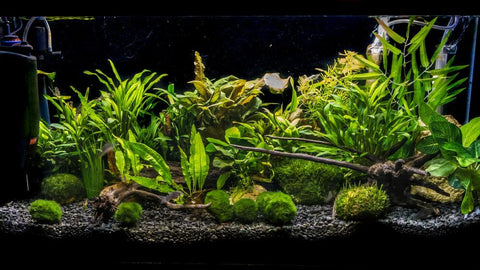
First, let's clear up a common misunderstanding. A Marimo moss ball is not actually a type of moss. It is a rare and unique form of filamentous green algae called Aegagropila linnaei. In the wild, these algae grow in a few specific freshwater lakes in places like Japan and Iceland.
The gentle currents on the lake floor slowly roll the algae filaments, gradually forming them into their distinct, velvety, spherical shape. This natural process is what makes them so special. Bringing one into your aquarium is like adding a tiny, living piece of a distant, pristine lake. Their slow growth and unique biology are central to understanding why to use a moss ball in your aquarium.
The Top Benefits of Using a Moss Ball in Your Aquarium
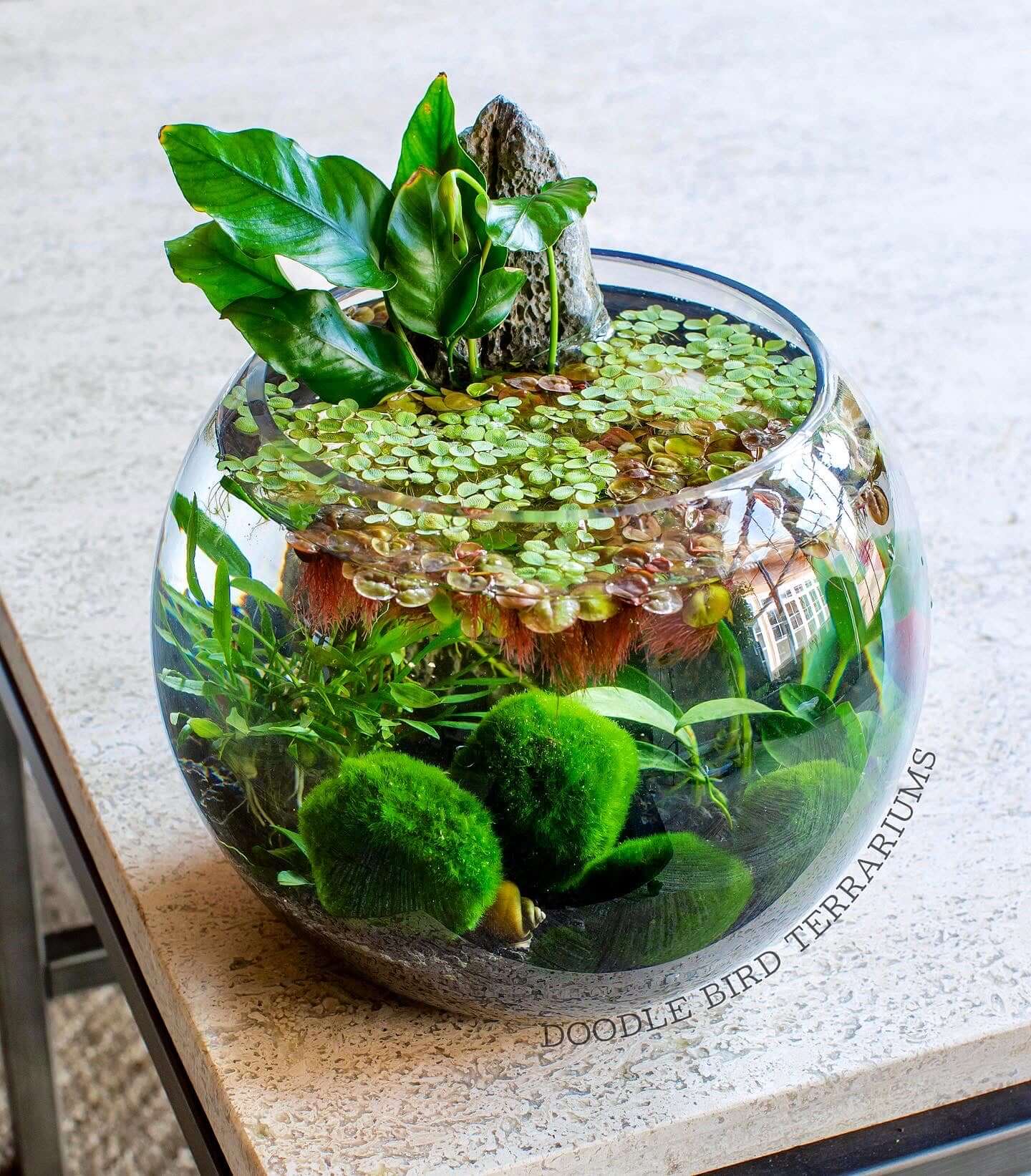
Beyond their charming look, moss balls are functional workhorses. They offer a range of benefits that contribute to a healthier, more stable, and more beautiful aquatic environment. From water quality to shrimp happiness, the reasons to add one are compelling.
A Natural, Living Filter
Think of a moss ball as a tiny, living sponge for pollutants. Its dense surface area is perfect for housing beneficial bacteria. These bacteria are essential for the nitrogen cycle, breaking down harmful ammonia and nitrites into less toxic nitrates.
The moss ball itself also absorbs nitrates and phosphates directly from the water as food. I noticed a visible reduction in algae growth on my tank glass after adding a few moss balls to my betta tank. This natural filtration is a primary reason why to use a moss ball in your aquarium, as it helps keep the water cleaner for your fish.
Oxygenating Your Tank
Like any plant or algae, moss balls perform photosynthesis. During the day, they take in carbon dioxide and release small amounts of oxygen into the water. You might even see tiny oxygen bubbles pearling on their surface.
While they won't replace a mechanical aerator in a heavily stocked tank, they do contribute to a more oxygen-rich environment. This is especially helpful in smaller tanks, bowls, or setups for species like betta fish that may not have strong water circulation. This gentle oxygenation is another key benefit.
A Safe Haven for Shrimp and Fry
If you keep dwarf shrimp or have breeding fish, moss balls are a must-have. Shrimp absolutely love grazing on the surface of moss balls. They spend hours picking at the biofilm and tiny microorganisms that grow there. It's like an all-you-can-eat buffet for them.
For tiny baby fish, or fry, a moss ball provides excellent cover from larger, predatory tank mates. They can hide within its dense structure and find microscopic food particles to eat. In my own breeding tank, the survival rate of my guppy fry increased noticeably once I added a few moss balls for them to hide in.
Incredibly Low Maintenance
One of the best reasons why to use a moss ball in your aquarium is that they are almost foolproof. They are perfect for beginners because they demand so little. They thrive in low to moderate light, so you don't need a special high-tech lighting system.
They also do not require any fertilizers or special water parameters, adapting well to most typical freshwater tank conditions. Their only care requirement is an occasional gentle squeeze and roll in some old tank water every few weeks. This simplicity makes them an easy and rewarding addition.
Controlling Algae Growth
This might sound counterintuitive since moss balls are a type of algae themselves. However, they are great at preventing the growth of less desirable algae, like the kind that covers your glass and decorations. They do this by competing for the same nutrients in the water column.
By consuming nitrates and phosphates, moss balls effectively starve out nuisance algae. This natural form of algae control helps maintain a cleaner and more aesthetically pleasing tank without the use of chemical algaecides. It is a huge advantage for any aquarist.
Adding Natural Beauty
Finally, moss balls just look great. Their deep green color and unique spherical shape add a touch of tranquility and natural beauty to any aquascape. They provide a soft, organic element that contrasts nicely with rocks, driftwood, and other plants.
You can use a single moss ball as a simple focal point in a small nano tank or group several together to create a lush, rolling green carpet effect. Their versatility in aquascaping is another wonderful reason why to use a moss ball in your aquarium.

How to Care for Your Moss Ball
Caring for a moss ball is incredibly simple. They are one of the most low-maintenance living things you can add to an aquarium. Following these few easy steps will ensure your moss ball stays healthy and green for years to come.
- Lighting: Provide low to moderate indirect light. Direct, intense sunlight can cause them to develop brown spots, so avoid placing them in a spot that gets too bright.
- Water Conditions: They are very adaptable and will do well in most freshwater aquarium temperatures (68-82°F or 20-28°C) and pH ranges.
- Cleaning: Every one or two weeks, take the moss ball out of the tank. Gently squeeze it a few times in a bowl of old tank water to remove any trapped debris. Avoid using tap water, as the chlorine can be harmful.
- Rolling: After cleaning, gently roll the moss ball between your palms. This helps it maintain its round shape, just as the lake currents would in its natural habitat.
- Sinking: A new moss ball may float due to trapped air. A gentle squeeze underwater will help it release the air and sink to the bottom.
Common Moss Ball Problems and Solutions
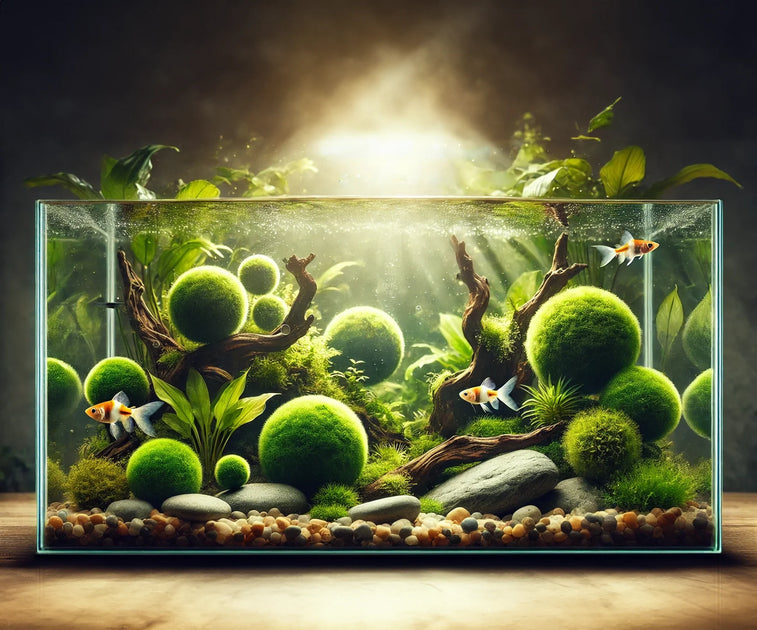
Even these hardy spheres can run into occasional trouble. Luckily, most problems are easy to identify and fix. Knowing what to look for helps you understand the complete picture of why to use a moss ball in an aquarium and how to keep it healthy.
Turning Brown
If your moss ball starts to develop brown or grayish patches, it is usually a sign of too much direct light or poor water quality. The solution is simple. Move it to a shadier part of your aquarium. If that doesn't work, give it a gentle cleaning and ensure your tank's water parameters are stable. Often, it will regain its green color over time.
Falling Apart
A moss ball that starts to break apart might be under stress or it could be a natural form of propagation. You can gently try to roll the pieces into new, smaller moss balls. Alternatively, you can use a bit of cotton thread to tie the original ball back together until it reforms its shape.
Bad Smell
A healthy moss ball should have a mild, earthy, or lake-like smell. If you take it out of the water and it has a strong, foul odor like rotting vegetation, it is likely dead or dying from the inside out. Unfortunately, there is no saving it at this point, and it should be removed from your tank to prevent it from fouling the water.

Frequently Asked Questions of why use moss ball in aquarium
Do moss balls clean fish poop?
Moss balls do not physically eat or remove fish poop. They do, however, absorb the nitrates that are produced when fish waste and other organic matter break down, which helps improve overall water quality.
How many moss balls should I put in my aquarium?
There is no strict rule, as it depends on your tank size and aesthetic preference. A good starting point is one or two small moss balls for every five gallons of water to gain some of the filtration benefits without overcrowding the tank.
Are moss balls good for betta fish?
Yes, moss balls are excellent for betta fish. Bettas are often seen resting or playing with them, and the moss balls help maintain stable water conditions, which is crucial in the smaller tanks bettas often live in.
Do moss balls float?
They sometimes float when they are first added to an aquarium because of air trapped inside their fibers. To make them sink, just give them a gentle squeeze while holding them underwater to release the air bubbles.
How long do moss balls live?
With proper care, Marimo moss balls can live for an incredibly long time, often for many years or even decades. They grow very slowly, typically only about 5 millimeters per year, making them a long-term companion in your aquarium.
Conclusion
The humble moss ball is far more than just a cute decoration. It is a low-maintenance, functional, and beautiful addition that actively improves the health of your aquarium's ecosystem. From filtering water and providing oxygen to offering a safe space for shrimp and fry, the reasons why to use a moss ball in your aquarium are numerous and compelling for hobbyists of all levels.
Next time you are looking for a simple way to enhance your aquatic world, consider picking up one of these charming green spheres. Your tank and its inhabitants will thank you for it. We would love to hear about your own experiences, so feel free to share your moss ball stories in the comments below