
An aquarium chiller is essential to prevent deadly overheating, keeping sensitive fish and corals thriving in warm climates or high-tech setups. As a long-time aquarist, I've seen firsthand how quickly a summer heatwave or powerful equipment can turn a vibrant aquarium into a disaster. Understanding why use a chiller in an aquarium isn't just about advanced hobbyism; it's about providing a stable, safe environment for the aquatic life you care for. This guide will walk you through everything you need to know, from the critical role of temperature stability to choosing the right unit for your precious underwater ecosystem.
What Exactly is an Aquarium Chiller?
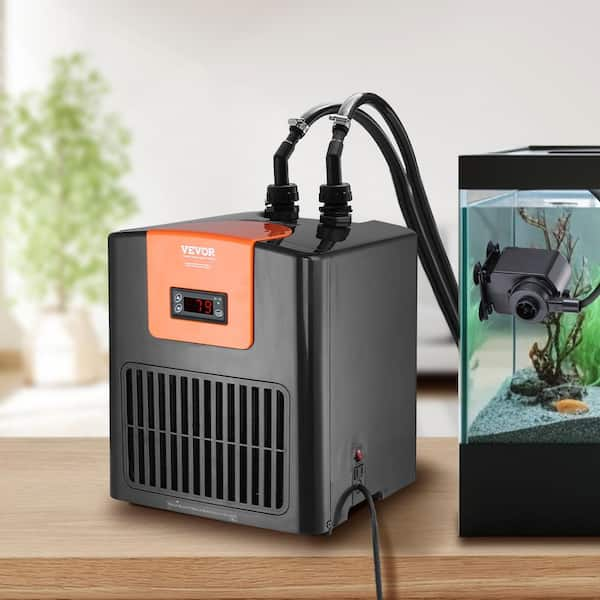
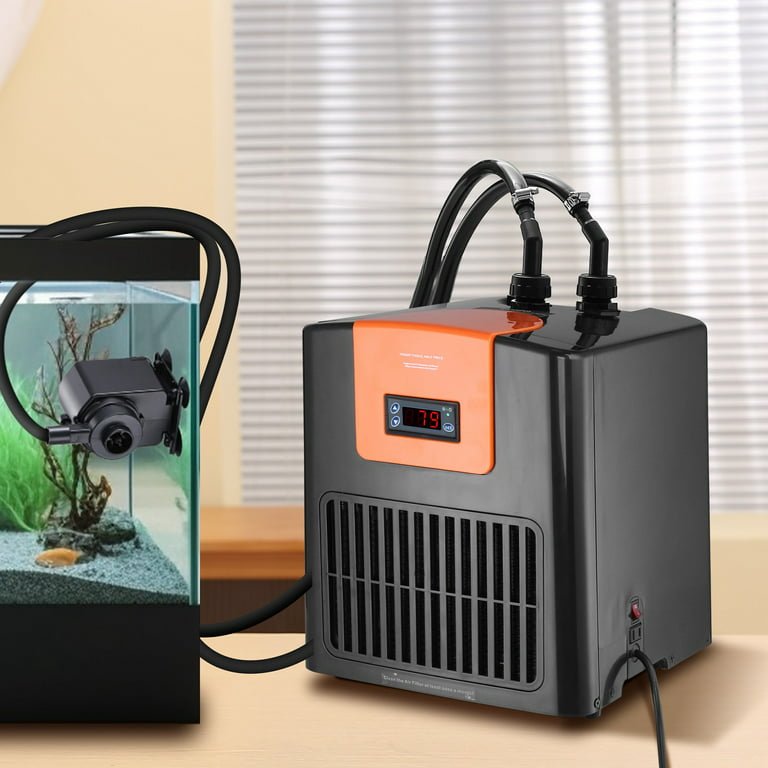
Think of an aquarium chiller as a small refrigerator for your fish tank. Its job is simple but vital: it actively cools your aquarium water to a precise, preset temperature. The process is straightforward—water is pumped from your tank or sump, flows through the chiller's cooling unit, and is then returned to the aquarium, nice and cool. This creates a continuous cycle that prevents the water from ever getting dangerously warm.
I learned this the hard way with my first reef tank. I had invested in powerful LED lights, not realizing how much heat they would generate, even without directly touching the water. One hot July afternoon, I came home to find my corals stressed and my fish gasping at the surface. The tank temperature had soared to 85°F (29°C). That panic-inducing experience is exactly why I believe understanding the need for a chiller is crucial for any serious aquarist. It’s the ultimate insurance policy for your tank.
The Critical Role of Stable Water Temperature
Aquatic animals are ectothermic, meaning their body temperature is regulated by their environment. Unlike us, they can't sweat or shiver to stay comfortable. When water gets too warm, their metabolism speeds up uncontrollably, leading to stress, increased oxygen demand, and a weakened immune system. Stable water temperature isn't a luxury; it's a biological necessity.
Warm water also holds less dissolved oxygen, which is a double-whammy for your fish. Their bodies demand more oxygen due to a faster metabolism, but the water has less to give. This can lead to suffocation, even in a well-aerated tank. For reef keepers, the stakes are even higher. A temperature spike of just a few degrees can trigger coral bleaching, where corals expel their life-sustaining algae, turn white, and often die. This is a primary reason why use a chiller in an aquarium is standard practice for successful reef tanks.

When Do You Absolutely Need an Aquarium Chiller?
Not every tank needs a chiller, but for some, it's non-negotiable. If you find yourself in any of these situations, it's time to seriously consider one. It's the most reliable way to maintain the cool, stable environment your aquatic pets need to flourish. Here are the key scenarios where a chiller becomes an essential piece of equipment.
- You live in a warm climate. If your home's ambient temperature regularly sits above 78°F (25.5°C), your tank water will inevitably be even warmer. Air conditioning helps, but power outages during a heatwave can be catastrophic without a chiller.
- You run powerful equipment. High-output T5s, metal halides, or even large banks of LED lights generate a surprising amount of heat. The same goes for powerful return pumps or multiple powerheads running in your sump. This equipment can easily raise your tank’s temperature by several degrees.
- You keep temperature-sensitive species. This is a major factor in determining why use a chiller in an aquarium. Species like axolotls require cold water (below 68°F / 20°C) to thrive. Many stunning corals, particularly SPS corals, are intolerant of heat spikes.
- Your aquarium is in a small, enclosed space. A tank set up in a small room, a tight cabinet, or an area with poor air circulation will trap heat, making temperature control a constant battle.

Alternatives to a Chiller (And Why They Might Not Be Enough)
Before investing in a chiller, many hobbyists try DIY cooling methods. While these can offer temporary relief, they often fall short of providing the consistent, automated control that sensitive aquatic life requires. It's important to understand their limitations so you can make an informed decision for the well-being of your tank.
The most common alternative is using clip-on fans to blow across the water's surface. This promotes evaporative cooling and can lower the temperature by a few degrees. However, it also rapidly increases water evaporation, requiring more frequent top-offs with fresh water and potentially causing salinity swings in a saltwater tank. Another emergency method is floating frozen water bottles, but this causes rapid, stressful temperature fluctuations that can be just as harmful as high heat. While these tricks can help in a pinch, they require constant monitoring and are not a reliable long-term solution.
Choosing the Right Chiller for Your Aquarium
Selecting the right chiller can feel daunting, but it boils down to a few key factors. Getting this right ensures your unit runs efficiently without being overworked, saving you energy and giving you peace of mind. It’s an investment, but it’s one that protects the much larger investment you have in your fish and corals.
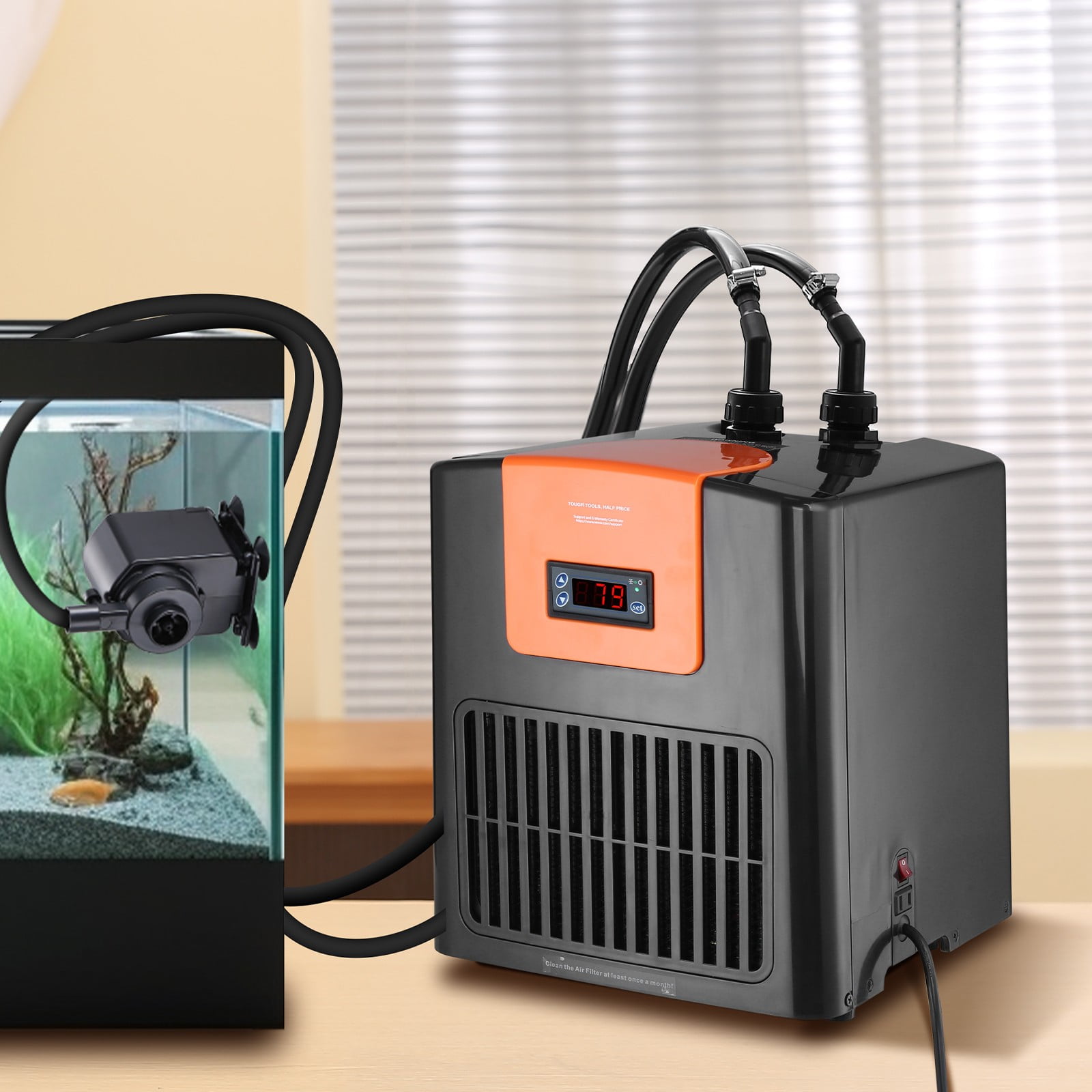
First, you need to size the chiller correctly. Chillers are rated in horsepower (HP), such as 1/10 HP or 1/4 HP. To choose, you need to consider your tank's total water volume (including the sump), the difference between your average room temperature and your desired tank temperature, and the heat added by your equipment. It's always better to slightly oversize your chiller; an overworked unit is inefficient and will have a shorter lifespan. Next, ensure you have a pump with the correct flow rate, measured in gallons per hour (GPH), as recommended by the chiller's manufacturer. Too little flow won't cool effectively, while too much can reduce efficiency. Finally, consider placement. Chillers need good ventilation to dissipate heat, so don't cram them into a sealed cabinet.

Frequently Asked Questions
How much will an aquarium chiller lower the temperature?
A properly sized chiller can typically lower your aquarium's temperature by 5 to 15 degrees Fahrenheit (or more) below the ambient room temperature. The exact amount depends on the chiller's horsepower, the tank volume, and the heat load from your equipment.
Do aquarium chillers use a lot of electricity?
Modern aquarium chillers are becoming more energy-efficient, but they do consume a notable amount of electricity when they are running. The cost depends on how often it kicks on, which is influenced by your room temperature and the heat generated by your lights and pumps.
Can I use a chiller for a freshwater tank?
Absolutely. While most commonly associated with reef tanks, a chiller is essential for any freshwater setup with coldwater species like axolotls or certain types of trout and shrimp. It's also beneficial for sensitive fish like discus if your home gets very warm.
Is an aquarium chiller hard to install?
Most in-line chillers are relatively easy to install. They simply require a water pump to feed water into the chiller's inlet and tubing to return the cooled water from the outlet back to your tank or sump.
How often do I need to clean my aquarium chiller?
You should clean the air vents and fan monthly to ensure proper airflow and prevent dust buildup, which can cause overheating. A more thorough internal cleaning every 6-12 months is also recommended to maintain peak efficiency.
Does a chiller replace my aquarium heater?
No, a chiller and a heater work together to provide complete temperature stability. The heater prevents the water from getting too cold, while the chiller prevents it from getting too hot. Most aquarists use a temperature controller to manage both devices.
Conclusion
The decision to use a chiller in an aquarium moves beyond simple hobbyism and into the realm of responsible animal husbandry. It is the single most effective tool for creating a stable, cool environment, protecting your delicate fish and corals from the deadly stress of overheating. By counteracting heat from powerful equipment and warm ambient temperatures, a chiller provides the peace of mind that your underwater world is safe, no matter how hot it gets outside.
Don't wait for a heatwave to find out your tank is vulnerable. Assess your aquarium's specific needs today and see if this crucial piece of equipment is the right investment for you. Your aquatic inhabitants will thank you for it.
Do you have experience with aquarium chillers or questions we didn't cover? Share your thoughts and stories in the comments below