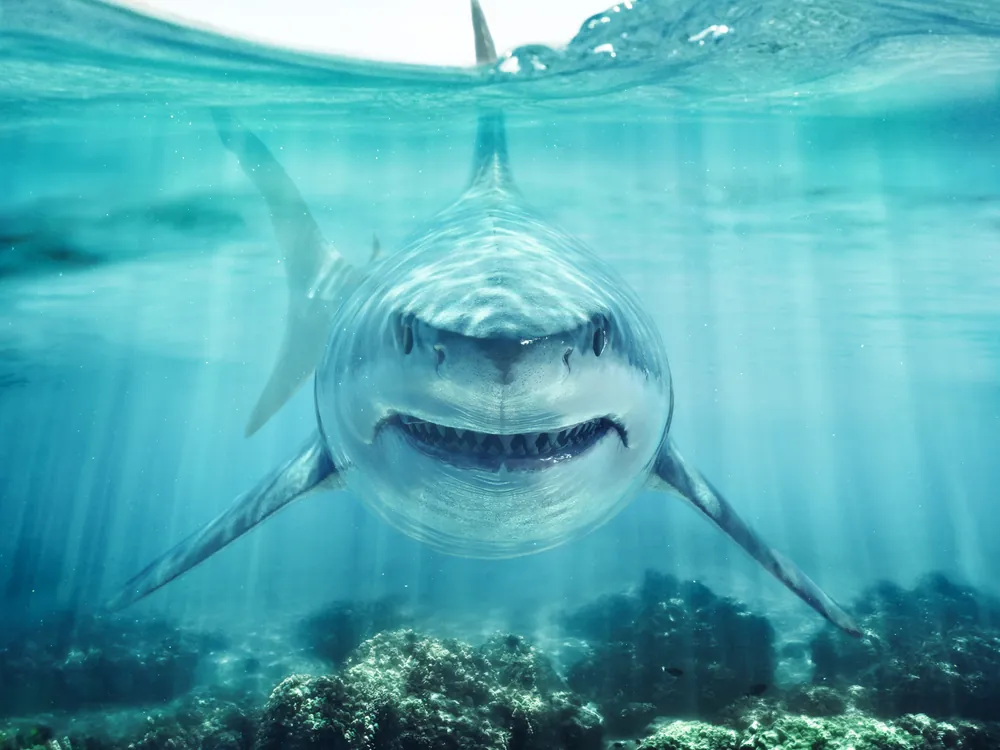
Great white sharks cannot survive in captivity due to their immense size, complex migratory needs, and extreme stress.
Have you ever stood before a massive aquarium tank, mesmerized by the graceful sharks, and wondered where the king of the ocean is? It's a question I've pondered many times. As someone who has spent years fascinated by marine life, the absence of this apex predator is striking. The truth is, the answer to why there is no great white shark in aquarium displays is a complex and heartbreaking story of biology, behavior, and failed attempts. Let's dive deep into the specific reasons these magnificent creatures belong only in the wild.
The Unsolvable Puzzle of Space
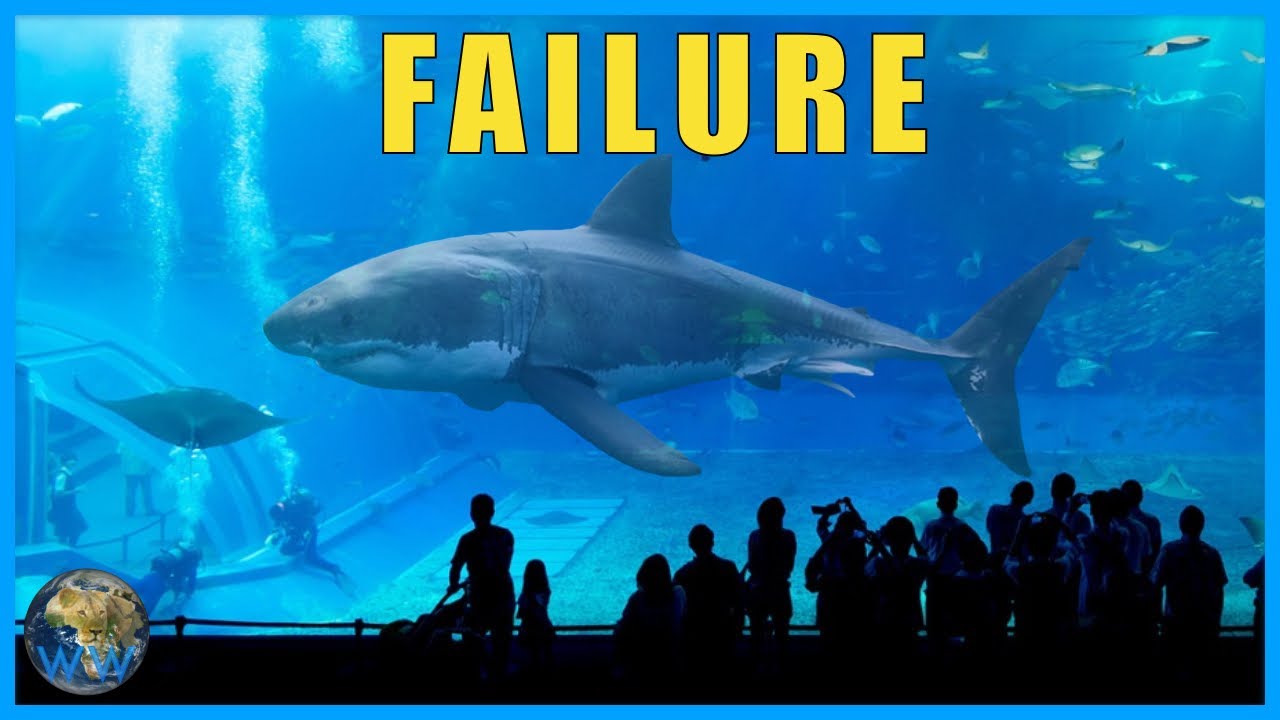
Great white sharks are built for the open ocean. They are massive animals, growing up to 20 feet long and weighing over 4,000 pounds. More importantly, they are marathon swimmers, often migrating thousands of miles across entire ocean basins. Their life is one of constant, forward motion across a boundless territory.
Even the largest aquarium tank in the world is like a small fishbowl to a great white. A confined space is completely unnatural for an animal that roams freely. This lack of room to swim long distances is a primary reason why there is no great white shark in aquarium exhibits. They are simply too big and too active for any man-made enclosure to be suitable.

A Specialized and Demanding Diet
In the wild, a great white shark's diet consists of large, fatty prey like seals and sea lions. They are powerful hunters that rely on ambushing their meals. Replicating this in a captive environment is nearly impossible. Aquariums can offer fish or other shark meat, but it often doesn't meet their specific nutritional needs.
Many great whites that have been held in captivity have refused to eat altogether. They go on hunger strikes, rapidly losing weight and condition. This feeding issue is another critical piece of the puzzle explaining why there is no great white shark in aquarium collections. Their instinct to hunt live, high-fat prey is something that just cannot be simulated behind glass.

The Stress Factor: Why Captivity is Deadly
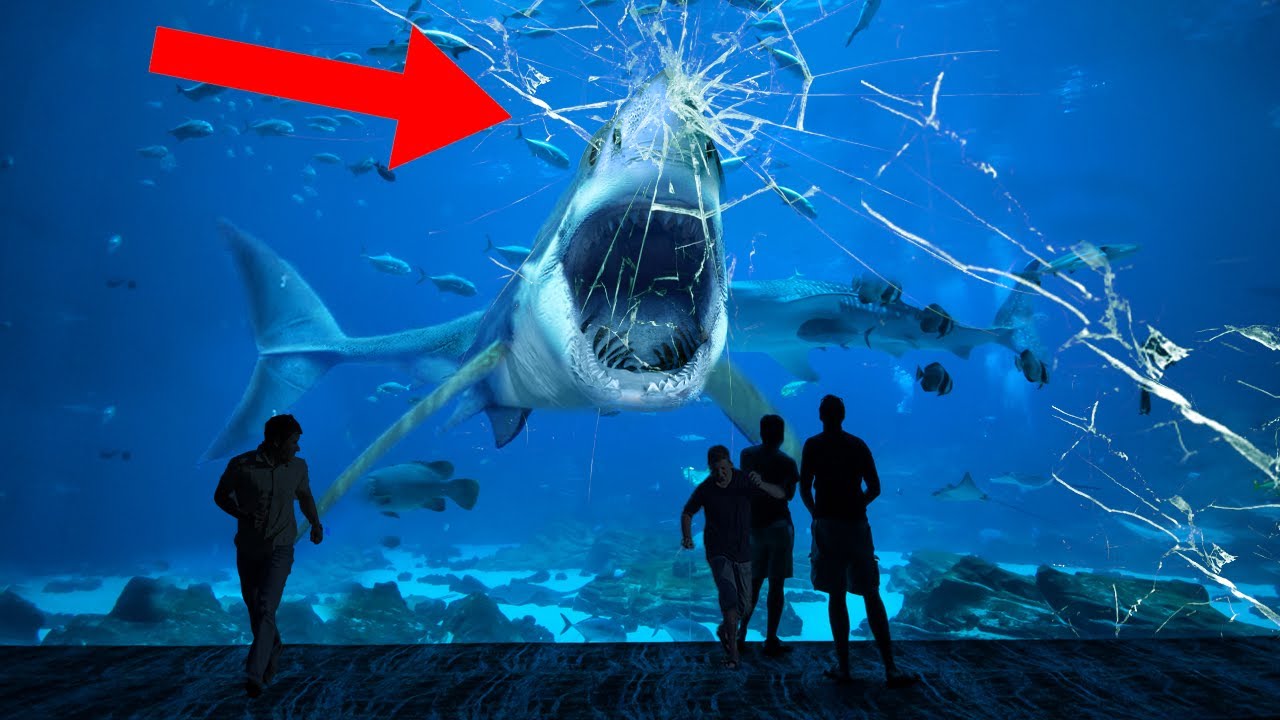
Imagine being placed in a room with invisible walls you constantly bump into. For a great white shark, this is the reality of an aquarium tank. They are not accustomed to solid barriers and often injure themselves by repeatedly colliding with the glass or walls. These injuries can lead to serious infections.
Beyond physical harm, the psychological stress is immense. The constant presence of people, unnatural lighting, and the sounds of pumps and filters are overwhelming. This chronic stress weakens their immune system, making them susceptible to illness. Ultimately, the stress of confinement is a major contributor to why there is no great white shark in aquarium settings today. They simply cannot cope with the artificial environment.

A History of Failed Attempts
Over the years, several well-funded and highly respected aquariums have tried to house great white sharks. The Monterey Bay Aquarium had the most success, temporarily holding several young great whites for periods ranging from a few days to just over six months. However, each attempt ended the same way: the shark had to be released.
In every case, the sharks either stopped eating, became lethargic, or started injuring themselves on the tank walls. The experts realized that for the animal's own survival, it had to be returned to the ocean. These repeated failures across different facilities provide a clear and definitive answer to the question of why there is no great white shark in aquarium exhibits. Experience has shown it cannot be done humanely or successfully.
The Unique Biology of a Great White
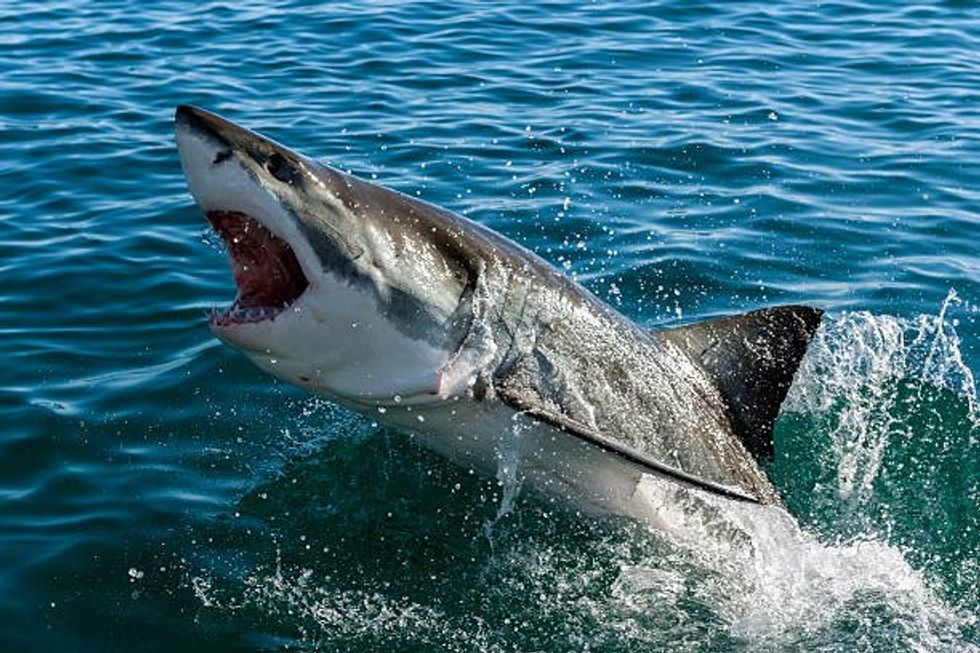
The great white shark has a unique biology that makes it poorly suited for captivity. First, they must constantly swim forward to force water over their gills to breathe, a process called ram ventilation. If they stop, they can suffocate. In a tank, this constant movement is restricted and can lead to exhaustion.
Furthermore, great whites possess a highly sensitive sensory organ called the Ampullae of Lorenzini. These jelly-filled pores in their snout detect the faint electrical fields of prey. In an aquarium, the electrical equipment, pumps, and even the metal in the concrete can overwhelm this delicate sense, causing disorientation and stress. This biological sensitivity is another key reason why there is no great white shark in aquarium displays.
Frequently Asked Questions of why there is no great white shark in aquarium
Has any aquarium ever successfully kept a great white shark?
No aquarium has successfully kept a great white shark for a long period. The few that were held for a short time ultimately had to be released back into the ocean due to declining health.
Why can other large sharks live in aquariums but not great whites?
Other large sharks, like tiger sharks or sand tiger sharks, are generally less migratory and more adaptable to confined spaces. They also have different dietary and sensory needs that are easier to manage in a captive environment.
How long have great white sharks survived in captivity?
The longest a great white shark has survived in an aquarium is around 198 days. Most attempts have lasted only a few weeks or even days before the shark's health deteriorated.
What happens to great white sharks in aquariums?
In aquariums, great white sharks often refuse to eat, injure their snouts by bumping into walls, and suffer from extreme stress. This leads to a rapid decline in their health and well-being.
Are there any ethical reasons for not keeping them?
Yes, the primary ethical reason is that it is impossible to provide a humane environment that meets their complex biological and behavioral needs. The consistent failure to keep them alive and healthy shows that it is cruel to attempt it.
Conclusion
The absence of the ocean's most iconic predator from public aquariums is not an oversight. It's a testament to the animal's wild nature. The reasons why there is no great white shark in aquarium displays are clear: they need immense space, a specific diet, and an environment free from the stresses of confinement. Their unique biology and history of failed captive attempts have taught us a valuable lesson.
Some animals are simply meant to be wild. Instead of hoping to see a great white behind glass, we can support their conservation in the wild. Watch documentaries, support organizations dedicated to protecting our oceans, and appreciate these magnificent creatures from a respectful distance. This is the best way to ensure they continue to roam the seas for generations to come.