
Shrimp often die from sudden changes in water parameters, poor acclimation, or hidden toxins like copper in the tank.
It is a heartbreaking moment every aquarium hobbyist dreads: finding a beloved shrimp lifeless in the tank. I have been there more times than I care to admit, especially in my early days. You do everything you think is right, yet you still face losses. This guide is born from those experiences and years of research. We will dive deep into the common and not-so-common reasons why shrimp die in aquarium setups, transforming that feeling of helplessness into confident, proactive care. Let us explore the silent culprits together so you can build a thriving shrimp colony.

The Shock of a New Home: Acclimation Issues
One of the biggest hurdles for new shrimp is simply moving in. Imagine being plucked from your home and dropped into a completely different environment. The water temperature, pH, and hardness are all different. This shock can be enough to kill sensitive invertebrates. This is a common reason why shrimp die in aquarium tanks within the first few days.
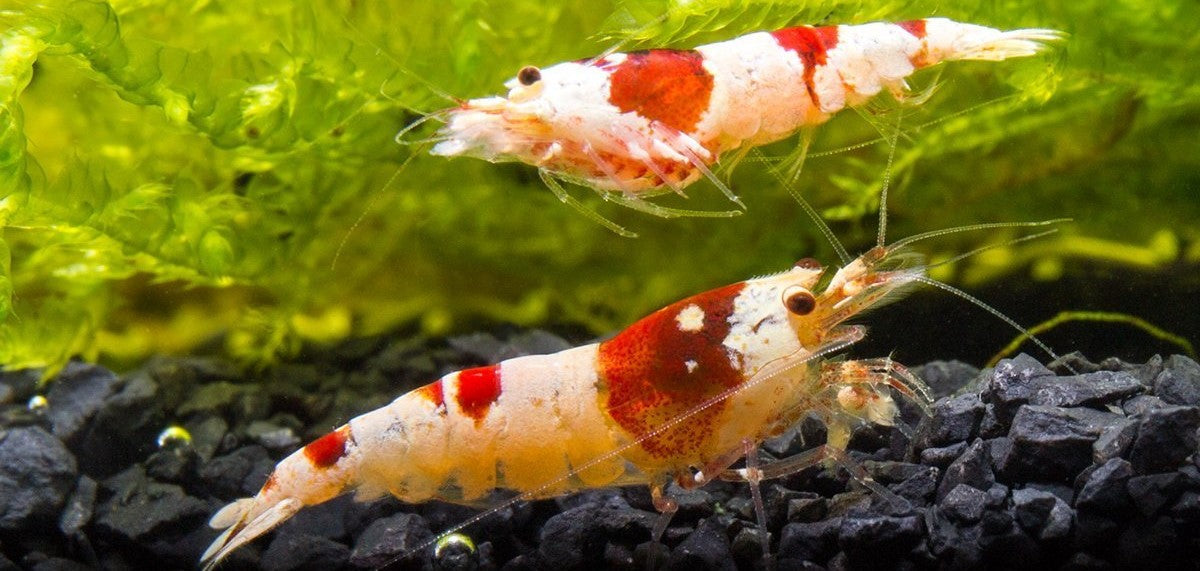
I learned this the hard way. I once bought a beautiful batch of Crystal Red Shrimp, got them home, and floated the bag for 15 minutes before releasing them. The next morning, I had lost half of them. I was devastated. I had not understood that shrimp are far more sensitive than most fish to sudden shifts in their environment. The key is slow, gradual acclimation. The best method by far is drip acclimation, which allows them to adjust over an hour or two.
Here is a simple way to do it:
- Place the new shrimp and their bag water into a small, clean container.
- Use a piece of airline tubing to start a siphon from your main tank into the container.
- Tie a knot in the tubing or use a valve to slow the flow to a steady drip, about 2-3 drips per second.
- Let this continue for at least an hour, allowing the water volume in the container to double.
- Once acclimated, gently net the shrimp and release them into their new home. Do not add the water from the container to your tank.

Water Parameters: The Silent Killers
If your shrimp have been in the tank for a while and suddenly start dying, your water is the first place to look. Shrimp are like tiny canaries in a coal mine; they are highly sensitive to water quality. Unstable or poor water parameters are the leading cause of why shrimp die in aquarium environments.
Ammonia, Nitrite, and Nitrate: The Usual Suspects
You have probably heard about the nitrogen cycle. Ammonia and nitrite are extremely toxic to shrimp, even in tiny amounts that a fish might tolerate. A reading of anything above 0 ppm for ammonia or nitrite is an emergency. These spikes can happen in a new, uncycled tank or an established tank if you overfeed, add too many new animals at once, or if your filter fails.
Nitrate is less toxic but can still cause stress and death at high levels. A good rule of thumb is to keep nitrates below 20 ppm through regular water changes. If you are consistently seeing shrimp die off one by one, test your water for these three compounds immediately.
GH, KH, and pH: The Trio of Stability
These three parameters are critically important for shrimp health, especially for their molting process.
- GH (General Hardness): This measures the amount of calcium and magnesium in the water. Shrimp need these minerals to build strong, healthy exoskeletons. If GH is too low, they will have trouble molting and may die during the process.
- KH (Carbonate Hardness): This acts as a buffer for your pH, keeping it stable. Wild swings in pH are very stressful for shrimp. If your KH is too low (below 1-2 dKH), your pH can crash, which is often fatal.
- pH: This measures how acidic or alkaline your water is. Different shrimp have different needs. For example, Neocaridina shrimp (like Cherry Shrimp) prefer a pH between 6.5 and 8.0, while Caridina shrimp (like Crystal Reds) need more acidic water, typically between 5.8 and 7.0. Knowing your shrimp's specific needs is crucial.
TDS: The Hidden Stressor
TDS stands for Total Dissolved Solids. It is a measurement of everything dissolved in your water, including minerals and waste. While not a direct indicator of any one thing, it gives you a good overall picture of your water's consistency. Shrimp thrive in stable conditions, and a sudden swing in TDS, often caused by a large water change with different water, can cause osmotic shock and death. Using a TDS pen is a cheap and effective way to monitor this.

The Danger of a Bad Molt: The White Ring of Death
As shrimp grow, they must shed their old exoskeleton, a process called molting. This is a very vulnerable time for them. A failed molt is a frequent and frustrating reason why shrimp die in aquarium tanks. You might find a dead shrimp with a distinctive white ring around its midsection where the old shell failed to separate properly. This is often called the "white ring of death."
Failed molts are almost always linked to incorrect water parameters, particularly GH. If the GH is too low, the shrimp does not have enough minerals to form a new shell. If it is too high, the old shell can become too hard to break out of. A poor diet lacking in calcium can also contribute to this problem. Ensuring your GH and KH are stable and within the ideal range for your specific shrimp species is the best prevention.

Hidden Toxins in Your Tank
Sometimes, the cause of death is something you cannot see or test for with standard kits. Shrimp are incredibly sensitive to chemicals and heavy metals, which can be introduced into the tank accidentally. If you experience a sudden, mass die-off, a hidden toxin is a likely culprit.
Copper: The Shrimp's Kryptonite
Copper is lethal to all invertebrates, including shrimp. It can get into your tank from several sources. Old copper pipes in your home can leach copper into your tap water. Some fish foods, medications, and even plant fertilizers contain trace amounts of copper. Always read the labels on any product you add to your tank and use a water conditioner that neutralizes heavy metals.
Pesticides and Household Sprays
Never underestimate the danger of airborne contaminants. If you spray air freshener, bug spray, or any cleaning product in the same room as your aquarium, those chemicals can settle on the water's surface and poison your shrimp. Be mindful of your surroundings. Even lotion or soap on your hands can introduce harmful substances when you do tank maintenance. This is an easily overlooked reason why shrimp die in aquarium setups.
Overfeeding and Poor Diet
It is easy to love your shrimp too much by giving them too much food. Overfeeding is a very common mistake. Uneaten food quickly rots, creating ammonia and fouling the water. This pollution can easily become the primary reason why shrimp die in aquarium communities.
A shrimp's stomach is about the size of its brain, which is tiny. A small group of shrimp only needs a tiny pellet or a few flakes every day or two. It is better to underfeed than to overfeed. A balanced diet is also essential. Providing a mix of high-quality shrimp pellets, blanched vegetables like zucchini or spinach, and natural food sources like biofilm and algae will give them the nutrients they need for healthy growth and successful molting.

Disease and Parasites
While less common than water quality issues, diseases and parasites can certainly cause shrimp deaths. New shrimp can introduce problems like Vorticella or Scutariella into an established colony. These often look like fuzzy or white growths on the shrimp's head or body. Fungal and bacterial infections can also occur, especially if shrimp are stressed by poor conditions.
The best defense is a good offense. Always quarantine new shrimp in a separate tank for at least four weeks before adding them to your main display. This gives you time to observe them for any signs of illness and treat them if necessary without risking your entire colony. A quarantine tank is a small investment that can save you a lot of heartache and prevent you from wondering why shrimp die in aquarium after adding new tank mates.

Frequently Asked Questions
Why did my shrimp die after a water change?
Shrimp often die after a water change due to a sudden shift in water parameters like temperature, pH, or TDS. Always make sure the new water is the same temperature and treat it with a quality water conditioner before slowly adding it back to the tank.
Can shrimp die from stress?
Yes, absolutely. Stress from shipping, improper acclimation, harassment from aggressive tank mates, or unstable water conditions weakens a shrimp's immune system. This makes them more susceptible to disease and molting problems.
How can I tell if a shrimp is dead or just molting?
A molted shell will be perfectly clear or translucent and will often be seen drifting around the tank. A dead shrimp will be opaque, often turning a pinkish or whitish color, and will typically be lying on its side without any movement from its legs or antennae.
Why are my baby shrimp dying?
Baby shrimp are even more sensitive than adults to poor water quality, especially ammonia and nitrite. They also need access to tiny food particles like biofilm and powdered foods. A mature, stable tank with plenty of surfaces like moss for biofilm to grow on is essential for their survival.
Is it normal for a few shrimp to die when you first get them?
While it is not ideal, it is unfortunately common to lose one or two shrimp in the first week, often due to the stress of shipping and acclimation. However, if you are losing more than that, it points to a more serious issue with your acclimation process or water parameters.
Conclusion
Understanding why shrimp die in aquarium settings often comes down to mastering the basics of stability. From careful acclimation to diligent monitoring of water parameters like GH, KH, and ammonia, every step matters. By avoiding common pitfalls like overfeeding, using copper-based products, and ignoring the molting process, you create a safe haven for these fascinating creatures. Remember that a stable environment is a healthy environment.
Your journey to becoming a successful shrimp keeper is a process of learning and observation. Do not be discouraged by setbacks. Use them as an opportunity to understand your aquarium's unique ecosystem better. Go test your water, observe your shrimp's behavior, and create a thriving, vibrant colony you can be proud of. We'd love to hear about your shrimp-keeping journey in the comments below