Almond leaves are used in aquariums to release beneficial tannins, lower pH, and create a natural, healthy environment for fish.
If you've ever walked through a dedicated fish store or scrolled through online aquarium forums, you've likely seen those dried, brown leaves and wondered what they're all about. As someone who's spent years tending to everything from vibrant Betta splendens to delicate shrimp colonies, I can tell you that these humble leaves are one of the best-kept secrets in the hobby. They're more than just decoration; they are a simple, natural way to transform your aquarium's water into a healthier, more comfortable home for your aquatic pets. This guide will explore exactly why to put almond leaves in aquarium water, breaking down the science and the incredible benefits you'll see firsthand.
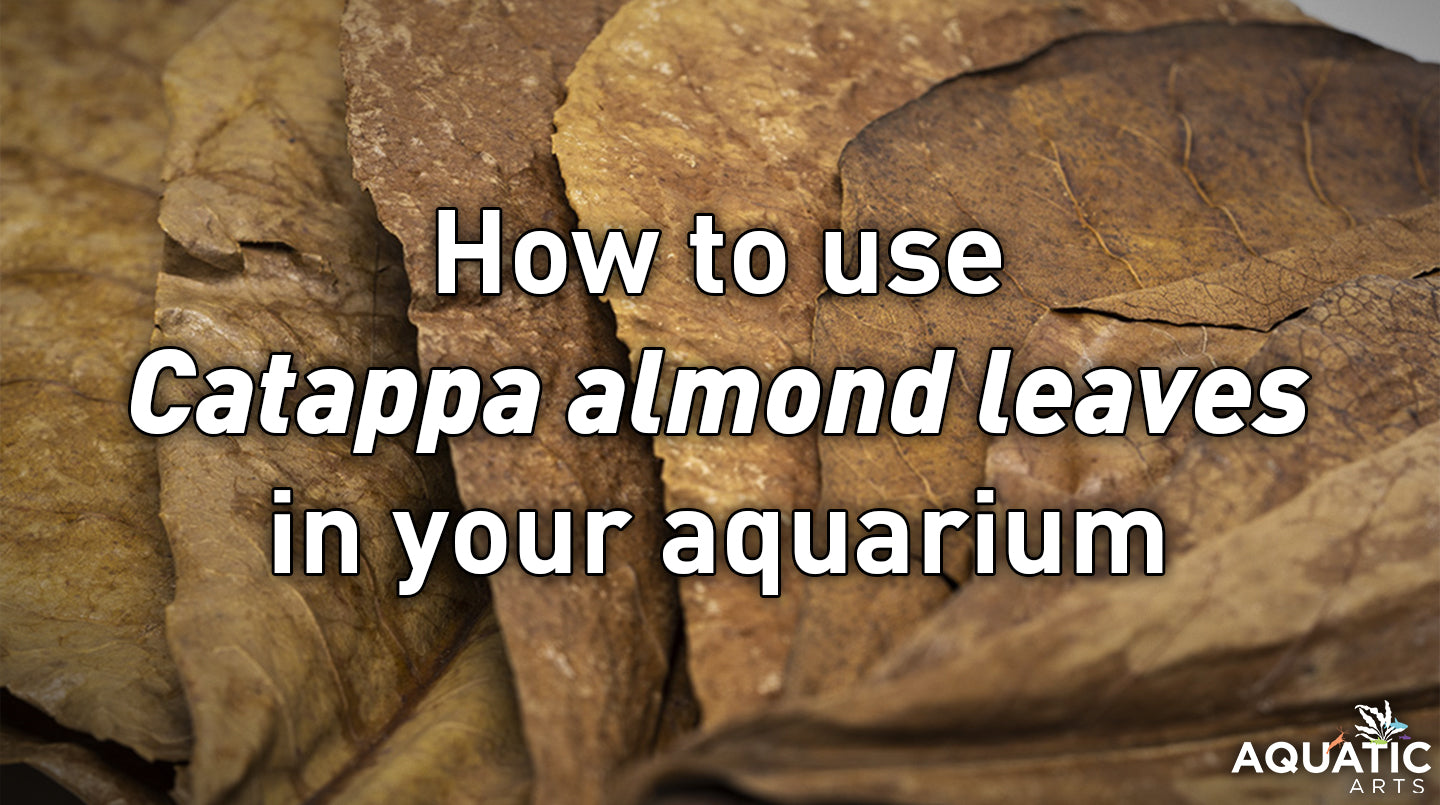
What Exactly Are Aquarium Almond Leaves?
First, let's clear up a common misconception. The leaves we use in aquariums don't come from the same almond trees that produce the nuts we eat. They are actually the leaves of the Indian Almond tree, scientifically known as Terminalia catappa. In the aquarium hobby, you'll often hear them called Catappa leaves.
These trees grow in tropical regions of Asia, Africa, and Australia, often right along the coastlines and riverbanks. When their leaves fall into the water, they begin to break down, releasing a cocktail of beneficial compounds that profoundly influence the aquatic environment. By adding these dried leaves to our tanks, we are simply mimicking the natural processes that occur in the native habitats of many of our favorite fish.

The Science Behind the Magic: How Almond Leaves Work
The real reason hobbyists seek out these leaves lies in what they release as they decompose: tannins. When you add an almond leaf to your tank, you'll notice the water slowly takes on a transparent, tea-like yellow or brown tint. This is the visual evidence of tannins and other humic substances leaching into the water column.
But what do tannins do? They are a type of acidic organic compound that works wonders for your aquarium's water chemistry. They gently lower the pH and reduce the water's hardness (KH), making the conditions more suitable for fish that originate from soft, acidic blackwater environments like the Amazon River basin. Think of it as creating a custom-brewed tea that makes the water feel just like home for your fish. Understanding this process is key to knowing why to put almond leaves in aquarium setups.
Top Benefits of Using Almond Leaves in Your Aquarium
The simple act of dropping a leaf into your tank unlocks a surprising number of advantages. From health benefits to behavioral enrichment, here’s a breakdown of what makes these leaves so special.
Replicates a Natural Blackwater Habitat
For many fish like Bettas, Discus, Rasboras, and certain Tetras, their natural home is a slow-moving stream littered with decaying leaves and wood. This organic material stains the water brown and creates a soft, acidic environment. Adding almond leaves is the easiest way to replicate this blackwater biome, making your fish feel secure and right at home. The tinted water also diffuses harsh aquarium lighting, which can be stressful for many shy species.
Provides Natural Antibacterial and Antifungal Properties
One of the most celebrated reasons why to put almond leaves in aquarium tanks is for their medicinal qualities. The tannins released have mild antibacterial and antifungal properties. I've personally used them for years as a preventative measure in my Betta tanks and quarantine setups. They can help prevent common ailments like fin rot and fungal infections, especially for fish with long, delicate fins or those recovering from stress or injury. It’s like giving your fish a constant, low-dose immune system boost.
Encourages Natural Spawning Behavior
If you're interested in breeding fish, almond leaves can be your secret weapon. Many species are triggered to spawn by environmental cues that signal the rainy season in their native habitats, which often involves a drop in pH and an increase in organic matter. The conditions created by Catappa leaves can be the perfect catalyst to encourage natural breeding behavior in fish like Bettas, Gouramis, and many Killifish.
Offers a Natural Food Source
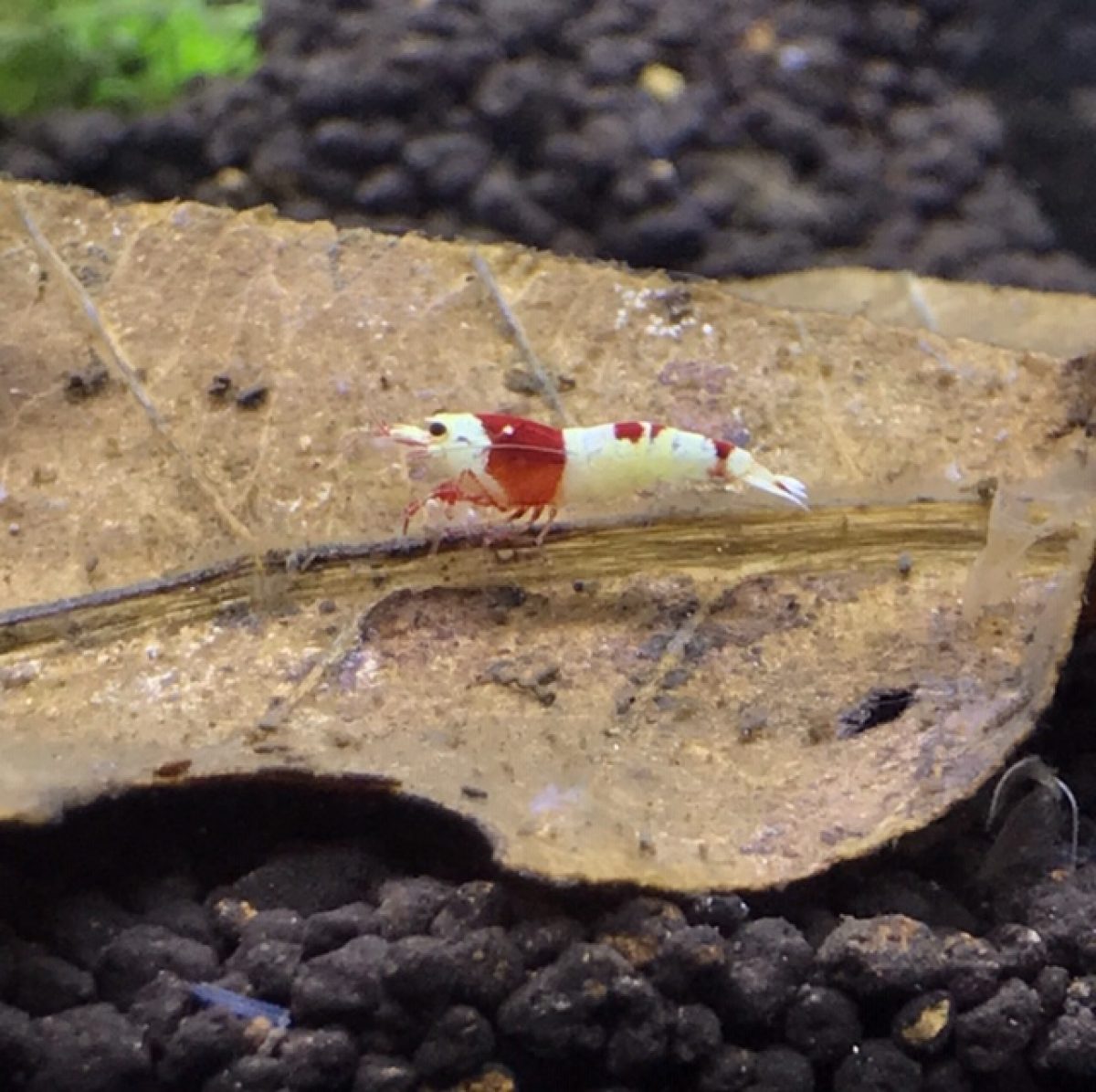
Almond leaves don't just benefit your fish; they are a cornerstone of a healthy invertebrate population. As the leaves break down, they develop a coating of biofilm, which is a slimy layer of microorganisms like bacteria and fungi. This biofilm is a primary food source for shrimp and snails. I love watching my Amano and Cherry shrimp graze on a decaying leaf for days on end. It provides a constant, natural food supply that is essential for baby shrimp (shrimplets) to thrive.
Reduces Stress in Fish and Shrimp
Fish can become stressed for many reasons: a new environment, aggressive tank mates, or suboptimal water conditions. The tannins and humic substances released by almond leaves create a calming, natural environment that helps reduce stress. The tinted water provides a sense of security, and the improved water quality makes the fish more comfortable. A less stressed fish is a healthier fish with a stronger immune system and more vibrant colors. This stress-reduction factor is a major reason why to put almond leaves in aquarium setups, especially for sensitive species.

Which Fish and Shrimp Benefit Most from Almond Leaves?
While nearly any freshwater aquarium can benefit from the addition of almond leaves, certain species will show the most improvement. These are typically animals that come from blackwater rivers, swamps, or jungle streams.
- Betta Fish: Perhaps the number one beneficiary. Almond leaves create the perfect soft, acidic water that Bettas love, enhancing their color and overall health.
- Discus and Angelfish: These South American cichlids thrive in the soft, tinted water that Catappa leaves help create.
- Gouramis: Like their cousins the Bettas, these fish appreciate the calming effects and water conditioning.
- Shrimp: Species like Crystal Red, Bee, and Cherry shrimp adore grazing on the biofilm that grows on the leaves.
- Tetras and Rasboras: Many small schooling fish, such as Neon Tetras and Harlequin Rasboras, come from blackwater habitats and will display more vibrant colors.
- Apistogramma and other Dwarf Cichlids: These fish often spawn and feel more secure in tanks with leaf litter.

How to Prepare and Use Almond Leaves in Your Aquarium
Using almond leaves is incredibly simple. You don't need any special equipment, but a little preparation goes a long way. Here’s my go-to method:
- Rinse the Leaf: Start by rinsing the dried leaf under tap water to remove any dust or debris from storage and transport.
- Optional Boil or Steep: Some aquarists prefer to boil the leaf for a few minutes or steep it in hot water. This does two things: it helps the leaf sink faster and releases some of the initial heavy concentration of tannins. I sometimes do this if I want a less dramatic change in water color, but often I just drop it in after a rinse.
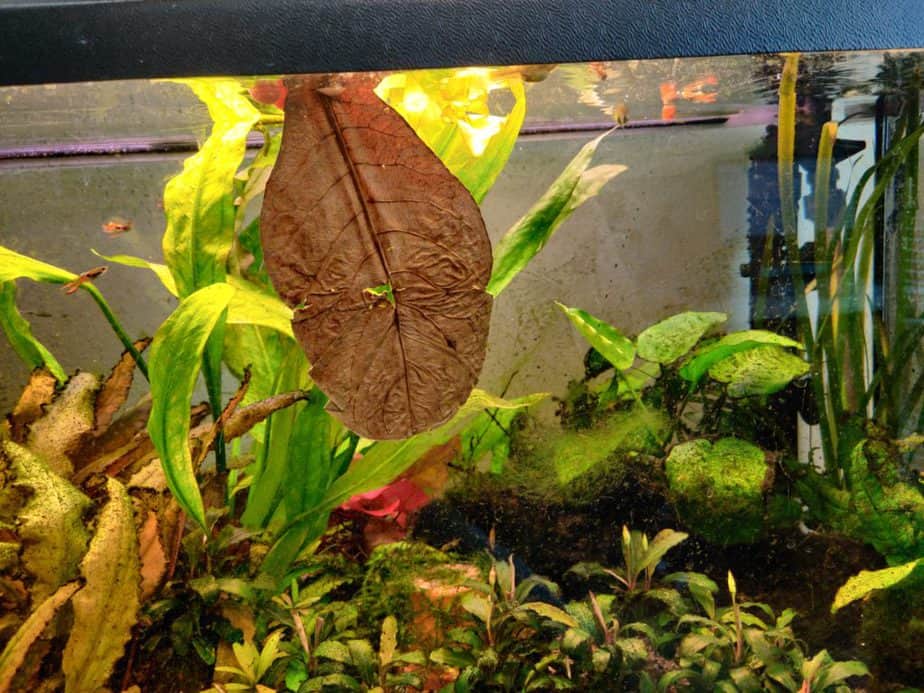
- Add it to the Tank: Simply place the leaf in your aquarium. It will float for a day or two before becoming waterlogged and sinking to the bottom.
- Let it Be: That's it! The leaf will slowly break down over the next several weeks, releasing its beneficial compounds. Shrimp and snails will begin to munch on it as it softens.
- Replace as Needed: After 3-6 weeks, the leaf will start to look like a skeleton as all the soft material is eaten away. At this point, you can remove what's left and add a new one. I often just leave the skeletal remains in, as they continue to contribute to the natural look of the tank. A good rule of thumb is to use one medium-sized leaf per 10 gallons of water.

Potential Downsides and Things to Watch Out For
While the benefits are numerous, there are a couple of things to keep in mind. Understanding these helps you decide if and why to put almond leaves in aquarium tanks you own.
- The Tinted Water: The "blackwater" look isn't for everyone. If you love a crystal-clear, colorless tank, the tea-like stain from tannins might not be your favorite aesthetic.
- pH Changes: The pH drop from almond leaves is usually gentle and gradual. However, in water that is already very soft with low buffering capacity (low KH), the change can be more significant. Always add leaves slowly and monitor your pH if you have sensitive fish or very soft water.
- Not for All Fish: Fish that prefer hard, alkaline water, like African Cichlids from Lake Malawi or Tanganyika, should not be kept with almond leaves, as the acidic conditions are the opposite of what they need to thrive.
Frequently Asked Questions about why put almond leaves in aquarium
How long do almond leaves last in an aquarium?
An almond leaf will typically last for about 3 to 6 weeks. It will continue to release tannins for the first couple of weeks and then will serve primarily as a food source for shrimp and snails as it decomposes.
Will almond leaves make my water turn brown?
Yes, they will tint your water a light yellow to a darker brown, similar to the color of tea. The intensity of the color depends on how many leaves you use and the volume of your tank.
Can I use too many almond leaves?
It is possible to use too many, which could cause a significant and rapid drop in pH, stressing your fish. A safe starting point is one medium leaf per 10 gallons, and then you can adjust based on your desired water color and parameters.
Are almond leaves safe for all fish?
They are safe for most tropical freshwater fish, especially those from soft, acidic environments. However, they should not be used in aquariums for fish that require hard, alkaline water, such as African Cichlids.
Do I need to boil almond leaves before use?
Boiling is optional but recommended by many. It helps sterilize the leaf, makes it sink faster, and releases some of the initial tannins if you want a lighter tint in your water. A simple rinse is often sufficient.
Conclusion
Bringing a piece of a fish's natural habitat into your aquarium is one of the most rewarding things you can do as a hobbyist. Almond leaves are an easy, inexpensive, and effective way to do just that. They offer a wealth of benefits, from improving water quality and fish health to encouraging natural behaviors and providing a food source. The reasons why to put almond leaves in aquarium setups are clear—they help create a healthier, more stable, and more naturalistic home for your aquatic companions.
So next time you're looking for a simple way to upgrade your tank, give Catappa leaves a try. Add one to your aquarium and watch how your fish and shrimp respond. You might be surprised by the positive changes you see.
Have you used almond leaves in your tanks? Share your experiences or ask any questions in the comments below