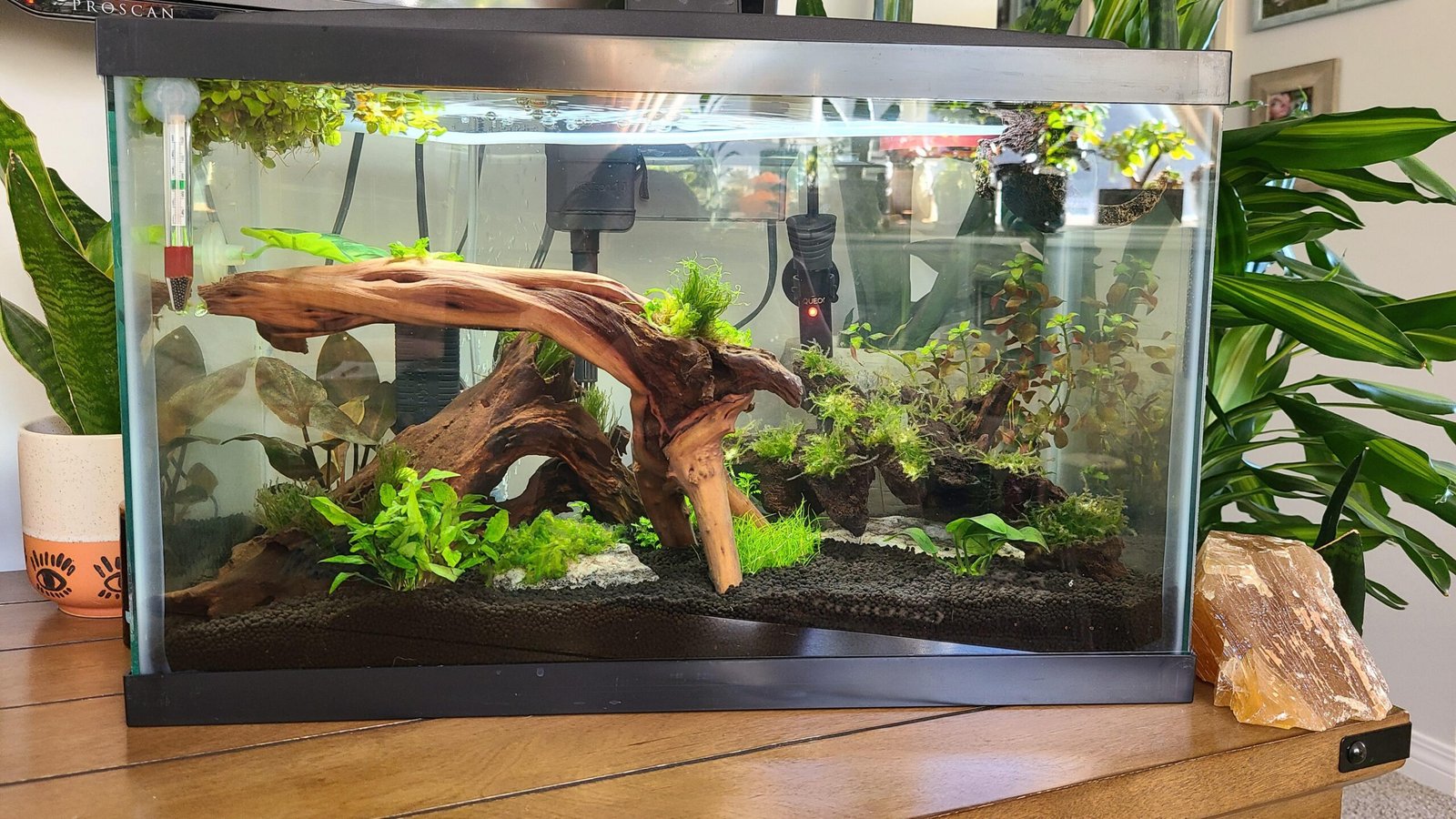
Low buffering, excess organic waste, and CO2 buildup usually drive aquarium pH down fast.
I’ve managed dozens of tanks and helped hobbyists troubleshoot persistent pH drops. This guide explains why is the ph in my aquarium so low with clear causes, simple tests, safe fixes, and lasting prevention. Read on to learn practical steps I use in my tanks and those I recommend to hobbyists to stop pH swings and keep fish healthy.

Common causes — why is the ph in my aquarium so low
Low pH happens for a few repeatable reasons. Knowing the cause helps you pick the right fix.
- High biological waste loads
- Uneaten food, fish waste, and decaying plants produce acids. Over time, acids push the pH down.
- Weak buffering capacity (low KH)
- Carbonate hardness (KH) stabilizes pH. Low KH means even small acid additions lower pH.
- Excess CO2
- High CO2 from poor gas exchange or injection systems acidifies water quickly.
- Acidic source water
- Tap water or well water can be naturally soft and acidic. Using that water lowers aquarium pH.
- Driftwood, peat, and certain soils
- These release tannins and humic acids. They tint water and lower pH gently over days to weeks.
- Bacterial blooms or denitrification
- Some biological processes in filters or substrate create acids as byproducts.
I’ve seen tanks with stable fish die-offs traced to low KH and slow acid buildup. Tests tell the story. Knowing exactly why is the ph in my aquarium so low makes the solution direct and safe.

How to test and diagnose why is the ph in my aquarium so low
A simple diagnosis separates real problems from false alarms. Test these first.
- Test pH accurately
- Use a fresh liquid test kit or a calibrated electronic meter. Test at the same time of day.
- Measure KH and GH
- KH shows buffering. GH shows mineral content. Low KH often equals unstable pH.
- Check CO2 levels
- Rapid pH drops in planted tanks often point to CO2 spikes. A drop checker helps.
- Test ammonia, nitrite, and nitrate
- High ammonia or nitrite indicates a cycle problem. Bacterial activity can affect pH.
- Inspect source water
- Test your tap or well water pH and KH. Compare it to aquarium water.
Step-by-step diagnosis I use in my tanks:
- Measure tank pH and KH.
- Test source water pH/KH.
- Check for excess waste, dead plants, or new decor.
- Look for CO2 injection overdosage or gaps in aeration.
- Re-test after a small water change.
A clear diagnosis narrows the question of why is the ph in my aquarium so low to one or two causes you can fix.

Immediate fixes when why is the ph in my aquarium so low
When fish are stressed, raise pH safely and slowly. Rapid swings harm fish more than a steady low pH.
- Do partial water changes
- Replace 20 to 30 percent with properly treated source water. Repeat over days if needed.
- Add baking soda cautiously
- Use sodium bicarbonate to raise KH and pH. Add small doses and test between doses.
- Improve aeration and surface agitation
- Increase gas exchange to reduce dissolved CO2 fast.
- Remove decaying matter
- Vacuum the substrate and remove uneaten food and dead plants immediately.
- Pause CO2 injection
- Turn off or reduce CO2 systems if pH drops in planted tanks.
From experience, small repeated water changes and modest baking soda doses fix most acute pH drops. Never jump pH more than 0.2–0.3 units in a few hours for sensitive species.

Long-term solutions to prevent why is the ph in my aquarium so low
Fixes that last focus on buffering, stability, and regular maintenance.
- Raise and stabilize KH
- Use commercial KH buffers or add measured sodium bicarbonate. Aim for a KH suitable to your fish type.
- Adjust source water
- Use reverse osmosis (RO) water mixed with tap water to control pH and hardness when needed.
- Improve filtration and maintenance
- Regular filter cleanings and media changes limit organic acids from buildup.
- Use stable decor choices
- Avoid or pre-treat driftwood and peat if you want neutral pH.
- Manage stocking and feeding
- Avoid overstocking. Feed only what fish eat in two minutes.
- Monitor CO2 carefully
- Use a drop checker and steady dosing for planted tanks.
I once stabilized a community tank by raising KH from 2 to 4 dKH. The pH stopped drifting, and the fish recovered. Stable buffers are the most reliable prevention for why is the ph in my aquarium so low.

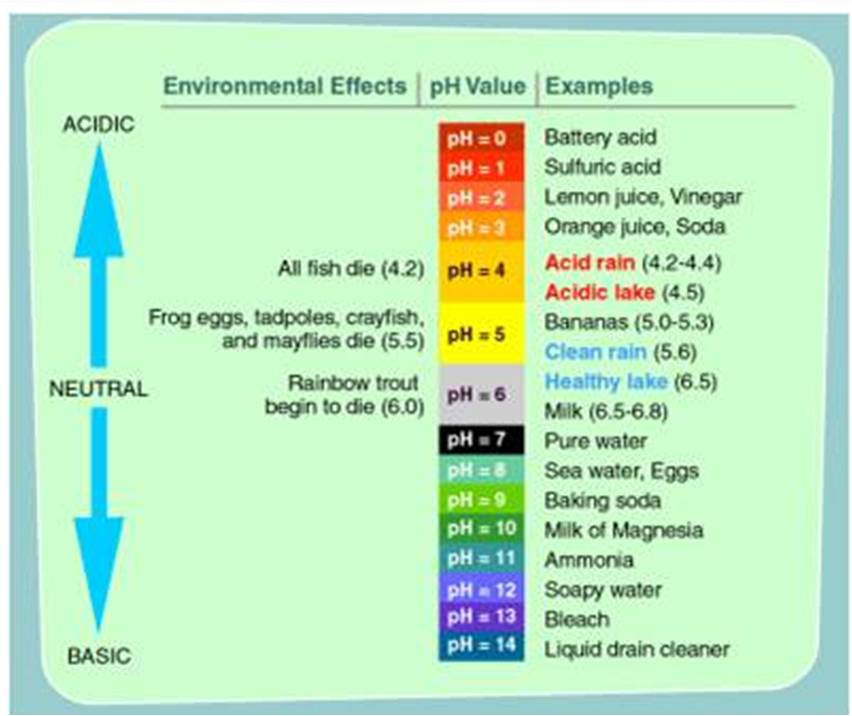
What low pH does to fish and plants
Low pH affects species differently. Know your stock’s needs before changing parameters.
- Fish stress and lowered immunity
- Acidic water can damage gill tissue and make fish vulnerable to disease.
- Increased metal toxicity
- Heavy metals like copper become more toxic at low pH.
- Reproduction issues
- Spawning and fry survival often drop in unsuitable pH.
- Plant health varies
- Some plants tolerate low pH; others show nutrient lockout or poor growth.
If you’re wondering why is the ph in my aquarium so low and why fish are acting odd, low pH is a likely cause. Watch behavior and breathing rate for early signs.
Monitoring and maintenance plan for steady pH
A simple routine prevents surprises and helps you answer why is the ph in my aquarium so low before it becomes a crisis.
- Weekly checks
- Test pH and KH at the same time each week.
- Monthly tasks
- Partial water changes, filter media inspection, and substrate vacuuming.
- After changes
- Test water after adding new fish, decor, or changing source water.
- Record keeping
- Keep a log of tests and maintenance. Trends reveal slow pH decline causes.
I keep a small notebook and test every Sunday. That habit solved recurring low pH issues in two tanks I inherited.

Frequently Asked Questions of why is the ph in my aquarium so low
What immediate steps should I take if my aquarium pH is suddenly low?
Do a 20–30 percent water change with treated source water. Remove any dead plant matter and increase aeration to reduce CO2.
Can driftwood cause the pH in my aquarium to stay low?
Yes. Driftwood releases tannins and humic acids that lower pH slowly. Boiling or soaking new wood reduces its initial impact.
How quickly should I raise pH to avoid stressing my fish?
Raise pH slowly. Aim for no more than a 0.2–0.3 unit change in a few hours. Monitor fish closely during adjustments.
Will adding gravel or substrate change the pH?
Some soils and substrates are acidic or buffered. Check product specs and rinse new substrate well before use.
Is low KH the same as low pH?
No. KH is buffering capacity and affects pH stability. Low KH allows pH to drift downward but does not always mean pH is low right now.
Conclusion
Low aquarium pH is usually caused by acid buildup, weak buffering, or CO2 issues. Diagnose with pH and KH tests, then use gradual, safe fixes like partial water changes, buffering, and improved aeration. Stabilize your tank with steady maintenance, correct stocking, and careful water sourcing. Take action now: test your water, make small corrections, and track results. If you found this helpful, leave a comment with your tank details or subscribe for weekly aquarium tips.