
Great white sharks cannot survive in captivity due to immense stress, spatial needs, and a refusal to eat.
Have you ever wandered through the mesmerizing halls of a world-class aquarium, marveling at the tiger sharks and hammerheads, only to notice a glaring omission? The ocean's most iconic apex predator, the great white shark, is never there. As someone who has spent years studying marine biology and the complexities of captive animal care, I've seen firsthand the challenges aquariums face. The question of why no great white shark in aquarium is one of the most common I hear, and the answer is a fascinating and tragic tale of biology, behavior, and the untamable spirit of a magnificent creature. Let's dive deep into the real reasons why you'll never see a great white shark thriving behind glass.
The Immense Challenge of Space and Freedom
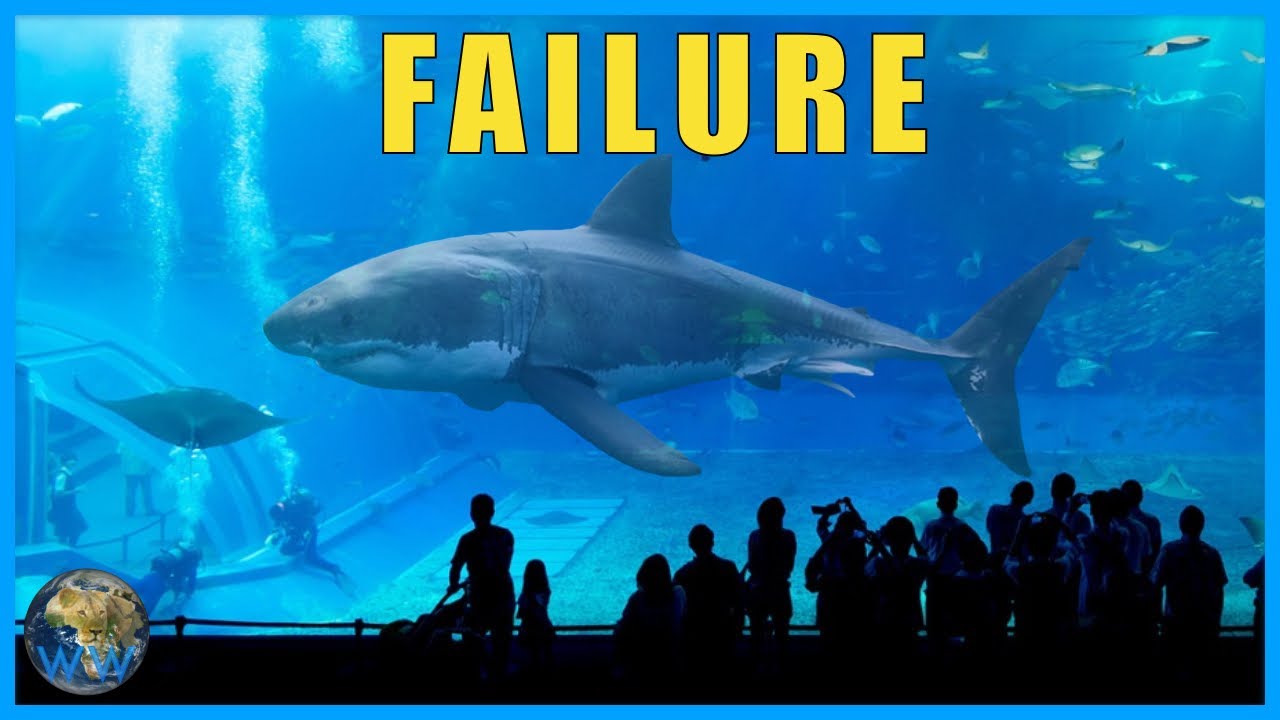
The most immediate and obvious reason explaining why no great white shark in aquarium is a reality is their sheer size and need for space. Great whites are not coastal lurkers; they are marathon swimmers of the open ocean, migrating thousands of miles every year. They can grow up to 20 feet long and weigh over 4,000 pounds, making them one of the largest predatory fish on the planet.
Even the largest aquarium tanks, which can hold millions of gallons of water, are like a small bathtub for these animals. In the wild, they experience a boundless, three-dimensional world with no walls. Confining them to a tank, no matter how large, removes this fundamental aspect of their existence. This lack of endless swimming space is a primary stressor and a core part of the puzzle of why no great white shark in aquarium displays are successful.

Constant Motion is a Matter of Life and Death
Great white sharks are obligate ram ventilators. This sounds complicated, but it simply means they must constantly swim forward with their mouths open to force oxygen-rich water over their gills. If they stop swimming, they stop breathing. In the vastness of the ocean, this is a perfectly efficient system.
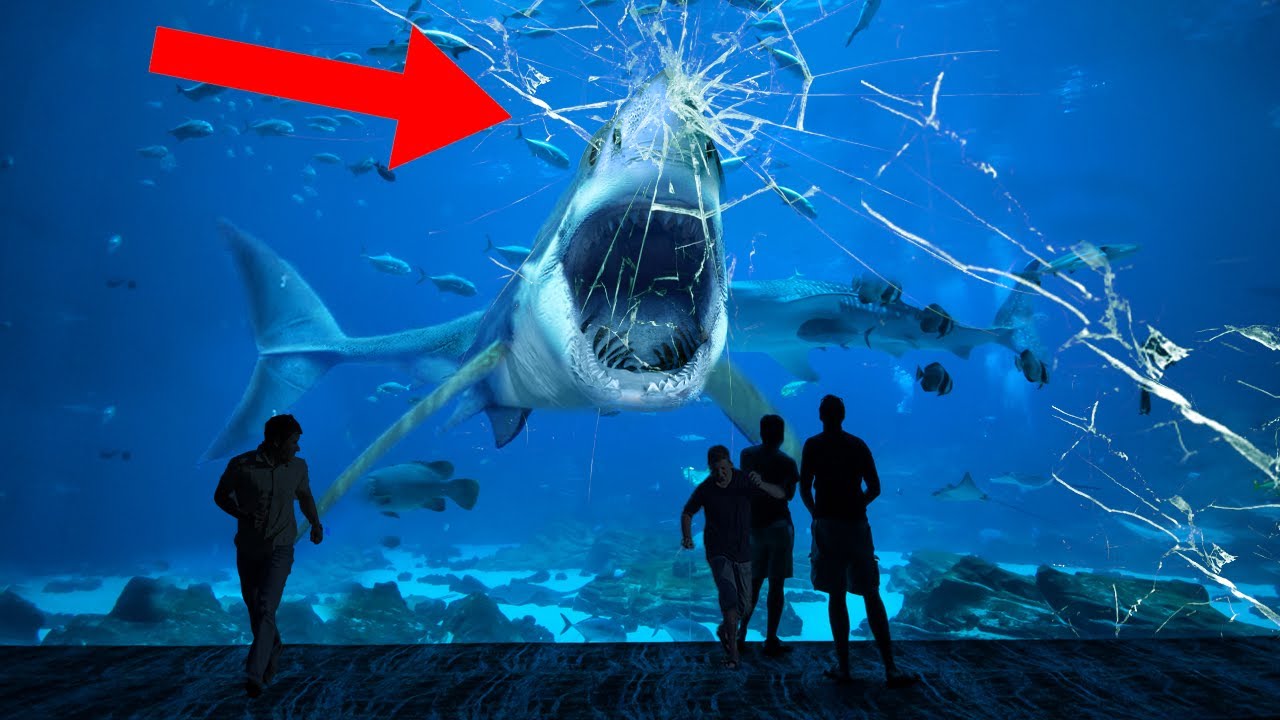
In an aquarium, it becomes a deadly problem. The sharks are forced to swim in endless, unnatural circles. The glass walls and corners of a tank are obstacles they cannot comprehend, leading to constant collisions. These impacts cause severe injuries to their sensitive snouts, which are packed with electroreceptors called ampullae of Lorenzini. This constant, stressful navigation is a key factor in why no great white shark in aquarium has ever been a long-term success story.
A Hunter's Diet That Cannot Be Replicated
Another significant hurdle is their diet. In the wild, adult great white sharks are highly specialized hunters, preying on large, fatty marine mammals like seals and sea lions. This is not a meal you can easily replicate in an aquarium setting. Providing live prey of that size is ethically and logistically impossible.
Aquarists have tried to feed them large fish and other substitutes, but captive great whites often refuse to eat entirely. They will starve themselves, sometimes for months, leading to a rapid decline in health. This self-imposed starvation is a stress response to their unnatural environment. A refusal to feed is a common theme in the failed attempts and a powerful reason for why no great white shark in aquarium can be found.

The Unseen Stress of a Captive World
Great white sharks are highly sensitive and intelligent creatures. Their world is dictated by subtle electrical fields, currents, and sounds that we can barely comprehend. An aquarium is a sensory nightmare for them. The glass walls can interfere with their electroreception, and the constant noise from pumps, equipment, and crowds creates a chaotic environment.
This relentless sensory overload leads to extreme psychological distress. The shark's immune system weakens, making it susceptible to diseases it would easily fight off in the wild. This invisible stress is perhaps the most powerful and heartbreaking piece of the answer to why no great white shark in aquarium remains a firm rule. They simply cannot cope with the alien world we create for them.

A Tragic History of Failed Attempts
The story of why no great white shark in aquarium is punctuated by a series of well-intentioned but ultimately tragic failures. For decades, some of the world's top aquariums have attempted to house this species, and every single attempt has ended the same way.
- SeaWorld San Diego: In the 1980s, they held several great whites, but none survived for more than about two weeks.
- Monterey Bay Aquarium: Their "Project White Shark" was the most famous attempt. Between 2004 and 2011, they displayed six different young great whites. The longest-surviving individual lasted just over six months before its health deteriorated, and it had to be released. Sadly, one shark died in the tank after just 11 days.
- Okinawa Churaumi Aquarium: In 2016, this Japanese aquarium captured a 11.5-foot male great white. It refused to eat and died after only three days, highlighting the intense trauma of capture and confinement.
This consistent pattern of failure has taught the aquarium community a valuable lesson. The evidence overwhelmingly shows that the complex needs of this species cannot be met in a captive environment. This history is the definitive proof of why no great white shark in aquarium is a policy based on animal welfare.
Frequently Asked Questions of why no great white shark in aquarium
Has any aquarium ever successfully kept a great white shark?
No, there has never been a case of a great white shark thriving in an aquarium long-term. All attempts have ended with the shark being released due to poor health or dying in captivity after a short period.
What is the longest a great white has survived in an aquarium?
The record is held by the Monterey Bay Aquarium, where a young female great white survived for 198 days. She was released back into the ocean after she started becoming aggressive and her health began to decline.
Why can other sharks live in aquariums but not great whites?
Many other shark species, like sand tiger sharks or nurse sharks, are less migratory and more adaptable. They do not require the same vast open space and can adjust to an aquarium diet more easily than great whites.
Do great white sharks get depressed in captivity?
While we can't measure depression in sharks, they show clear signs of extreme stress. This includes refusing to eat, repeatedly bumping into walls, and developing a weakened immune system, all of which suggest a severe negative psychological state.
What are the main dangers for a great white in a tank?
The primary dangers are physical injury from colliding with walls, starvation from refusing to eat, and death from the overwhelming stress of an unnatural environment. Their health deteriorates rapidly once they are confined.
Conclusion
The absence of the great white shark from aquarium exhibits isn't an oversight; it's a testament to our growing understanding of this incredible animal. The combination of their massive size, migratory instincts, unique breathing method, specialized diet, and sensitivity to stress makes them uniquely unsuited for life behind glass. The difficult lessons learned from past failures have shown us that some creatures are simply too wild to be tamed.
Instead of wishing to see one in a tank, we can celebrate this fact. It reminds us that the ocean holds mysteries and marvels that deserve to be respected and protected in their natural home. The best way to appreciate a great white shark is through stunning documentaries or by supporting conservation efforts that protect their ocean habitat.
What are your thoughts on this topic? Share them in the comments below, and let's continue the conversation about how to best protect our planet's magnificent marine life.