
Great white sharks cannot be kept in aquariums because their massive size, constant need to swim, and extreme stress in captivity lead to a rapid decline in health and death.
As a marine life enthusiast, I've spent years studying the incredible complexities of ocean ecosystems. One of the most common questions I hear is about the magnificent great white shark and why we never see one gliding through the massive tanks of our favorite aquariums. The answer isn't simple; it's a compelling story of biology, ethics, and heartbreaking failure. If you've ever wondered why no aquarium has a great white shark, you're about to discover the deep and fascinating reasons that make this apex predator truly untamable.

A Tragic History of Great White Sharks in Captivity
The dream of exhibiting a great white shark has tempted aquariums for decades, but the reality has always been a somber one. The few attempts to house these majestic creatures have ended in failure, providing a clear and consistent lesson. Each case highlights the core reasons why no aquarium has a great white shark today.
In the 1980s, SeaWorld held a great white for just 16 days before it had to be released because it refused to eat and was deteriorating rapidly. The most famous attempt was by the Monterey Bay Aquarium in the mid-2000s. They had temporary success with a few juvenile sharks, one of which stayed for 198 days. However, even this "success" was short-lived. The shark became more aggressive towards other animals in the exhibit and eventually had to be released back into the wild. After several similar experiences, the aquarium concluded that the species was simply not suited for life in an exhibit.
These attempts, while well-intentioned, all pointed to the same outcome. The sharks would become disoriented, injure themselves by bumping into the glass walls, stop eating, and show signs of extreme stress. This history of failure serves as a powerful ethical and practical barrier, reinforcing why no aquarium has a great white shark on permanent display.

The Unique Biology of an Apex Predator
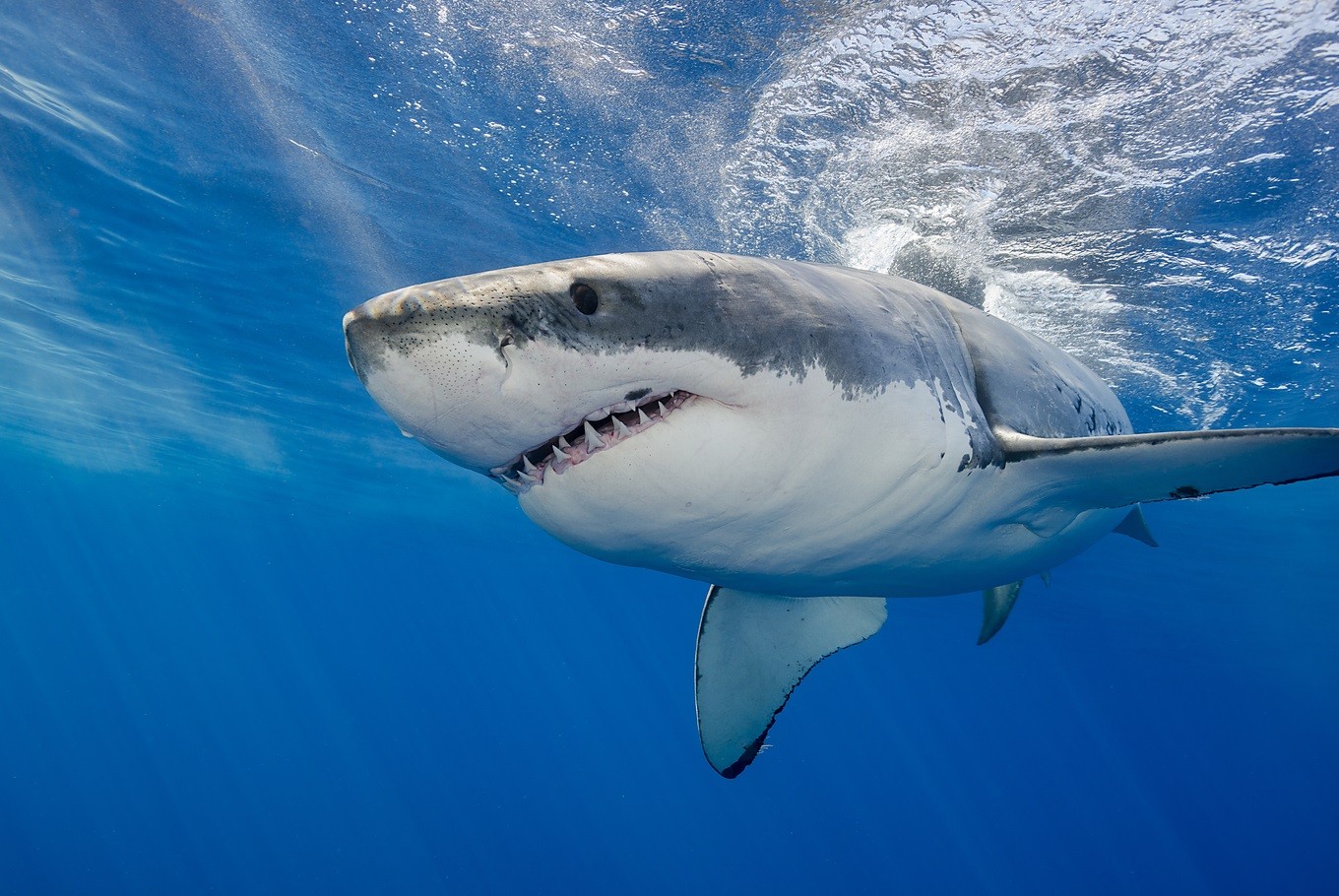
To understand why captivity fails, you have to understand the animal itself. A great white shark is a finely tuned machine built for the open ocean, and its biology is simply incompatible with the confines of an aquarium. It’s like asking a world-class marathon runner to live their entire life in an elevator.
Here are the key biological reasons why keeping a great white shark in captivity is impossible:
- Immense Size and Need for Space: Great whites are not just big; they are perpetual travelers. They can grow up to 20 feet long and are known to migrate thousands of miles across entire ocean basins. No tank on Earth can come close to replicating the vast, open environment they need to thrive. This constant need for space is a primary factor in why no aquarium has a great white shark.
- Constant Motion for Breathing: Like many sharks, great whites are obligate ram ventilators. This means they must constantly swim forward to force oxygen-rich water over their gills to breathe. In the open ocean, this is effortless. In a tank, they are forced to swim in tight circles, and any collision with a wall can be disorienting, injurious, or even fatal.
- A Highly Specialized Diet: These sharks are apex predators that hunt large, high-fat prey like seals and sea lions. Replicating this diet in captivity is incredibly difficult. They often refuse to eat frozen or dead food, and providing live prey is both logistically challenging and ethically controversial for public aquariums. Their refusal to eat is a common cause of their rapid decline in captivity.
- Incredibly Sensitive Senses: Great whites have a highly developed array of senses that are overwhelmed in a captive environment. Their famous ampullae of Lorenzini, which detects faint electrical fields from prey, goes into overdrive from all the electronic equipment, pumps, and metal in an aquarium. This constant sensory bombardment creates a state of chronic stress that wears them down.
The Unsurmountable Challenge of an Aquarium Environment
Even with the best technology and the largest tanks ever built, an aquarium is a fundamentally alien and hostile place for a great white shark. The environment itself presents obstacles that marine biologists and engineers have never been able to overcome.
The biggest challenge is stress. For a great white, the confinement of a tank is a source of unending psychological and physiological distress. This chronic stress weakens their immune system, making them susceptible to diseases they would normally fight off. It also leads to damaging behaviors, most notably rubbing their snouts raw against the walls of the tank as they try to navigate the unnatural boundaries.
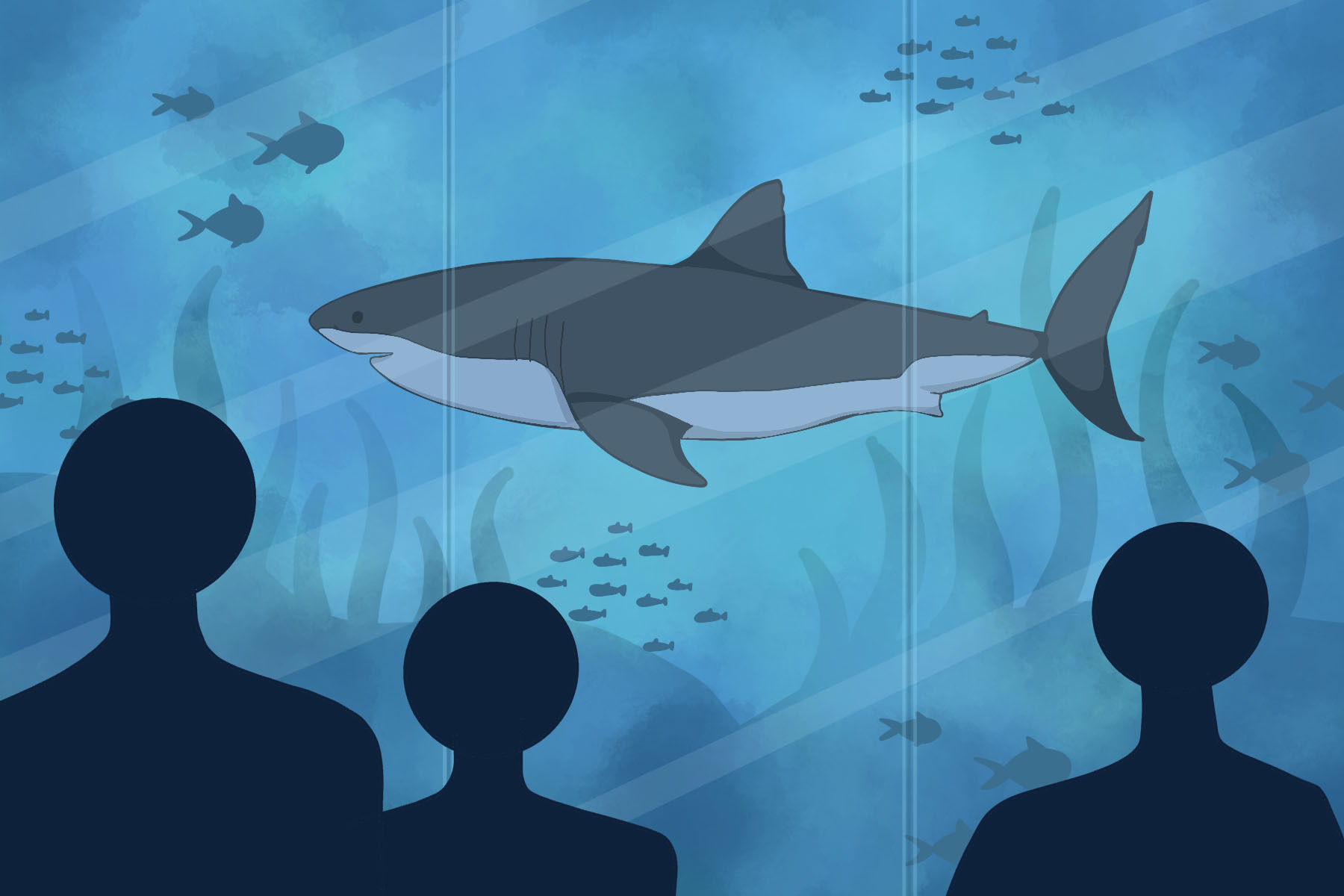
Furthermore, the very design of an aquarium is a problem. The glass walls and contained space are a constant source of confusion. Imagine spending your life in a world with no walls, and then suddenly being placed in a glass box. It's disorienting. This is why great white sharks in captivity often suffer injuries, and it’s a key part of why no aquarium has a great white shark today. The sheer logistics of capturing and transporting an animal of this size and power without causing it immense stress is another monumental hurdle that most institutions are unwilling to attempt.

Ethical Considerations and a Shift Towards Conservation
Beyond the biological and logistical impossibilities, there is a growing ethical consensus that we shouldn't even be trying. In an era where conservation is at the forefront of marine science, the idea of capturing a vulnerable species for public display seems increasingly outdated and irresponsible.
Great white sharks are listed as a vulnerable species, facing threats from overfishing and habitat loss. Removing even one individual from the wild population for an exhibit that will likely end in its death is a poor conservation choice. Modern aquariums have shifted their focus from pure entertainment to education and conservation. They play a vital role in rescue, rehabilitation, and research, and they have come to understand that their mission is better served by protecting great whites in their natural habitat.
This ethical shift is perhaps the most important reason why no aquarium has a great white shark. The scientific community and the public have recognized that the well-being of the animal must come first. The "wow" factor of seeing one up close simply isn't worth the cost to the animal's life.
What are the Alternatives to Seeing a Great White in an Aquarium?
Just because you can't see a great white shark in an aquarium doesn't mean you can't experience their majesty. In fact, seeing them in their natural environment is a far more powerful and rewarding experience. It's a way to appreciate the animal on its own terms.
Here are some fantastic and responsible ways to see and learn about great whites:
- Responsible Eco-Tourism: Consider a professionally guided cage-diving trip in places like South Africa, Australia, or Guadalupe Island. These tours are regulated to ensure the safety of both humans and sharks, allowing you to see them in their natural habitat without harming them.
- Incredible Documentaries: Thanks to modern technology, we have breathtaking footage of great white sharks. Documentaries like "Planet Earth" or "Blue Planet" offer stunning, intimate views of their lives that you could never get in an aquarium setting.
- Support Conservation Efforts: The best way to "see" a great white is to ensure they continue to thrive in our oceans. You can support organizations dedicated to shark research, conservation, and ocean protection. By helping protect their home, you're helping the sharks themselves.

Frequently Asked Questions
Has any aquarium ever successfully kept a great white shark?
No aquarium has ever successfully kept a great white shark for a long-term period. The most notable attempt by the Monterey Bay Aquarium lasted 198 days with a juvenile, but it ultimately had to be released due to health and behavioral issues.
What is the longest a great white has survived in an aquarium?
The record for the longest time a great white shark has survived in captivity is 198 days. This was a young shark at the Monterey Bay Aquarium, which was part of a special program that has since been discontinued.
Why can other sharks live in aquariums but not great whites?
Many other shark species, like sand tiger sharks or nurse sharks, are less migratory, have different dietary needs, and are better adapted to smaller spaces. Great whites are uniquely built for the open ocean, making their needs far more complex and impossible for an aquarium to meet.
Is it even legal to capture a great white shark for an aquarium?
In many parts of the world, great white sharks are a protected species, making it illegal to capture them without special permits for scientific research. These protections are in place due to their vulnerable conservation status, which is another reason why no aquarium has a great white shark.
What is the biggest challenge for keeping great whites in captivity?
The single biggest challenge is the immense stress caused by confinement. This stress leads to a refusal to eat, a weakened immune system, and self-inflicted injuries, which ultimately proves fatal for the shark.
Conclusion
The story of why no aquarium has a great white shark is a powerful lesson in respecting the wild nature of our planet's most incredible animals. Their biology, designed for the endless expanse of the ocean, simply cannot be contained within glass walls. The repeated failures have taught us that some creatures are meant to be wild, and our admiration for them is best expressed through conservation, not captivity.
Instead of wishing to see a great white behind glass, let's channel that fascination into protecting them. Support organizations that work to preserve our oceans, and choose to learn about these magnificent predators through responsible eco-tourism and stunning documentaries. By doing so, you ensure that great white sharks continue to rule the oceans for generations to come.