
New aquarium water is cloudy because of a beneficial bacterial bloom, which is a normal part of the cycling process.
You’ve just set up your beautiful new aquarium. You’ve arranged the decor, filled it with water, and turned on the filter, only to wake up the next day to a tank that looks like someone poured a glass of milk into it. I’ve been there, and I remember that sinking feeling, wondering if I’d already messed something up. Don’t panic! This is one of the most common experiences in the fishkeeping hobby. Understanding why new aquarium water is cloudy is the first step from being a worried newcomer to a confident aquarist. This guide will walk you through exactly what’s happening in your tank, why it’s usually a good sign, and what you can do to ensure you get that crystal-clear water you’ve been dreaming of.
The Main Culprit: The Bacterial Bloom
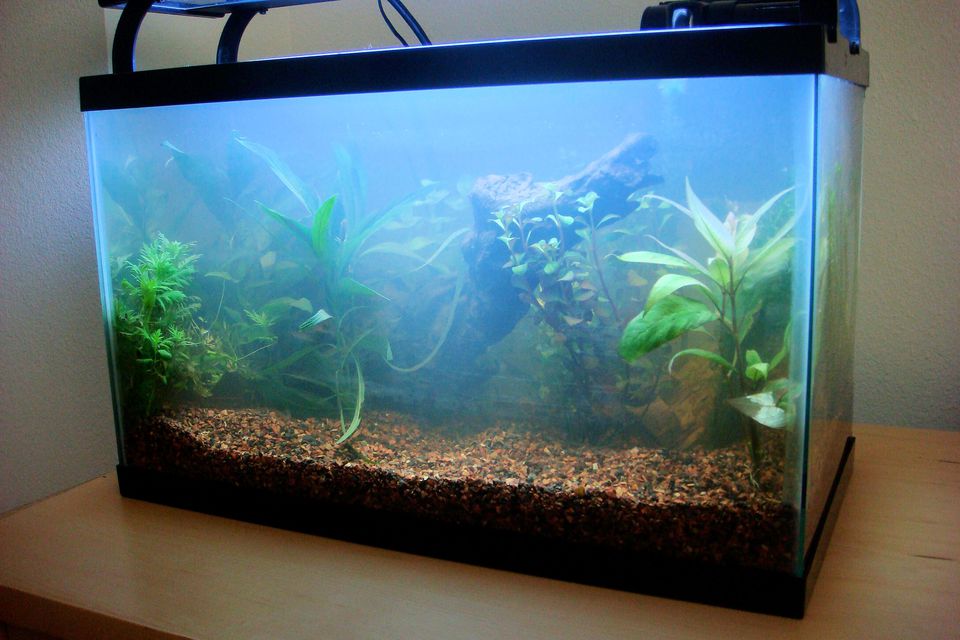
The most common reason why new aquarium water is cloudy is a phenomenon known as a "bacterial bloom." While it looks alarming, this milky, hazy water is actually a sign that your aquarium's ecosystem is coming to life. Think of it as the growing pains of a new tank. This cloudiness is caused by a massive, free-floating population of heterotrophic bacteria. These are the "cleanup crew" bacteria that feed on organic waste, like leftover fish food, decaying plant matter, or even just dust and other organics present in a new setup.
When you first set up a tank, there's a small amount of this organic "food" available, and these bacteria multiply rapidly to consume it. Since there isn't enough surface area yet for them to colonize (on your filter media, gravel, and decorations), they float freely in the water column, causing that hazy appearance. This bloom is a crucial first step in establishing your tank's nitrogen cycle. Soon, another type of beneficial bacteria (autotrophic bacteria) will begin to grow on surfaces, consume the waste products from the first bacteria, and eventually outcompete the free-floating ones, clearing the water. My first 20-gallon tank went through this, and for about a week, I was convinced it would never clear up. But with patience, it did, and the result was a stable, healthy environment for my fish.

Other Reasons Why Your New Aquarium Water is Cloudy
While a bacterial bloom is the prime suspect, a few other things can cause that frustrating haze. Identifying the right cause is key to finding the right solution. Let's look at some other potential culprits for why new aquarium water is cloudy.
Unwashed Substrate
Did you rinse your sand or gravel before adding it to the tank? I learned this lesson the hard way. Many substrates, especially sand and fine gravel, are covered in fine dust and silt from the manufacturing and shipping process. When you add water, this dust kicks up and creates a cloudy mess that can take a long time to settle. The water might look gray or brownish instead of milky white. The good news is this is purely a mechanical issue. The fine particles will eventually get trapped by your filter or settle on the bottom. To avoid this, always rinse your substrate thoroughly in a bucket with clean water until the water runs clear before adding it to your aquarium.
Dissolved Minerals and Silicates
Sometimes, the cloudiness appears almost instantly after you fill the tank and can be traced back to your tap water. High concentrations of dissolved minerals, phosphates, or silicates in your source water can cause a temporary haze. This type of cloudiness is often very light and tends to clear up on its own within a few hours to a day as the gases dissipate and the minerals settle. It's generally harmless and is less of a long-term issue than a bacterial bloom. Using a water conditioner is always a good practice, as it neutralizes chlorine and chloramine, but it won't typically affect this type of cloudiness.
Algae Blooms (Green Water)
If your cloudy water has a distinct green tint, you're likely dealing with an algae bloom, not a bacterial one. This is caused by microscopic, free-floating algae. While less common in a brand-new, uncycled tank with no fish, it can happen, especially if the tank is placed in direct sunlight or the lights are left on for too long. Algae feed on light and nutrients (like ammonia and nitrates). If your new tank has a nutrient source and excessive light, an algae bloom can take hold. Differentiating between the milky white of bacteria and the green hue of algae is the first step in tackling the problem.
:strip_icc()/cloudy-aquarium-water-1378803-3736ff0eb5b34aa0907ae9df2882a86e.png)
What to Do (and What Not to Do) About Cloudy Water
Seeing cloudy water can make you want to jump into action, but often the best course of action is inaction. Reacting incorrectly can make the problem worse or prolong it. Here is a simple breakdown of the do's and don'ts when you're figuring out why new aquarium water is cloudy and how to fix it.
Here’s what you should do:
- Be patient. If it’s a bacterial bloom, it’s a natural process. The best thing you can do is let the nitrogen cycle establish itself. The cloudiness will go away on its own as beneficial bacteria colonize the surfaces in your tank.
- Test your water. Use a liquid test kit to monitor ammonia, nitrite, and nitrate levels. This will help you track the progress of your cycle and confirm that the bloom is part of that process.
- Ensure proper filtration. Make sure your filter is running properly and is rated for the size of your tank. The filter provides the primary home for the beneficial bacteria you want to cultivate.
Here’s what you should avoid doing:
- Do not perform large water changes. It might seem logical to change the water to clear it, but this is counterproductive during a bacterial bloom. You are removing the very bacteria that are trying to establish themselves, effectively resetting or stalling the cycle.
- Do not use chemical clarifiers. Water clarifiers work by clumping small particles together so the filter can catch them. While this might offer a temporary fix, it doesn’t solve the underlying biological issue and can sometimes stress the delicate new ecosystem.
- Do not add fish yet. Adding fish to an uncycled, cloudy tank is a recipe for disaster. Fish produce ammonia, which is toxic. The bacterial bloom is a sign that the tank isn't ready to process that waste yet.
How Long Does New Tank Cloudiness Last?
This is the million-dollar question for every new aquarist staring into a milky tank. For a typical bacterial bloom, the cloudiness can last anywhere from a few days to two weeks. The exact duration depends on several factors, including the size of your tank, the efficiency of your filter, and the amount of organic material available for the bacteria to consume.
In my experience, a well-filtered 30-gallon tank might clear up in five to seven days, while a smaller, 10-gallon tank could take a little longer. It's a test of patience, but trust the process. One morning, you'll wake up, and the water will be noticeably clearer. A day or two after that, it will be sparkling. Resisting the urge to "fix" it is the fastest way to let nature run its course and get you to that crystal-clear finish line.
Frequently Asked Questions of why new aquarium water is cloudy
Is cloudy water in a new tank harmful to fish?
The milky water from a bacterial bloom itself is not directly harmful to fish, but it is a sign of an uncycled tank. The high levels of ammonia and nitrite present during this process are extremely toxic and can kill fish.
Should I do a water change if my new tank is cloudy?
It is best to avoid large water changes during a bacterial bloom. Doing so can remove the beneficial bacteria from the water column and slow down the establishment of the nitrogen cycle, prolonging the cloudiness.
Can I add fish to a cloudy new tank?
You should never add fish to a cloudy new tank. The cloudiness indicates the nitrogen cycle is in its early, unstable stages, and the toxic ammonia and nitrite levels will be unsafe for any aquatic life.
Does a water conditioner cause cloudy water?
Some water conditioners can cause temporary cloudiness that usually clears within an hour or two. This is harmless and different from a bacterial bloom, which develops over a day or two and lasts much longer.
How can I speed up the clearing of my cloudy aquarium water?
The best way is patience, but you can help the process by ensuring you have a good quality filter. You can also "seed" the tank with beneficial bacteria by adding filter media from an established, healthy aquarium or using a bottled bacteria starter.
Conclusion
Seeing your new aquarium turn cloudy can be disheartening, but it's a rite of passage for almost every fishkeeper. Remember that in most cases, especially with a milky haze, this is a sign of a healthy, living ecosystem being born. The journey to a stable, crystal-clear tank is a lesson in biology and patience. By understanding the "why" behind cloudy new aquarium water, you can avoid common mistakes and confidently watch as your tank transforms into the beautiful underwater world you imagined.
Embrace this natural process, keep an eye on your water parameters, and get ready for the rewarding moment when the haze finally lifts. What have your experiences been with new tank cloudiness? Share your stories or ask questions in the comments below