Poor water quality, stress, or disease are the most common reasons why your fish died in your aquarium. Finding a beloved pet motionless is heartbreaking, and as a lifelong aquarium enthusiast, I know that feeling all too well. It leaves you with the difficult question: why did my fish die in my aquarium? This guide is here to walk you through the most common culprits, drawing from years of experience to help you understand what happened and prevent it from happening again.

The Silent Killer: Unpacking Water Quality Issues
The single most common answer to "why my fish died in aquarium" is poor water quality. Fish live, eat, and produce waste in a closed environment. Without proper management, this water can quickly become toxic. Think of it like living in a small room where the air is never refreshed. It’s crucial to understand the basics of the nitrogen cycle to keep your fish safe.
The nitrogen cycle is a natural process where beneficial bacteria convert fish waste into less harmful substances. Here’s a simple breakdown:
- Ammonia: Fish release ammonia through their gills and waste. It is highly toxic.
- Nitrite: The first type of bacteria converts ammonia into nitrite. Nitrite is also very toxic.
- Nitrate: A second type of bacteria converts nitrite into nitrate. Nitrate is much less harmful and is removed through water changes.
If this cycle is not established or gets disrupted, ammonia and nitrite levels can spike, leading to sudden fish death. Regular water testing is not a suggestion; it is a necessity for a healthy tank. The mystery of why my fish died in aquarium often ends with a simple water test revealing high levels of these toxins.

Stress: The Invisible Threat to Your Fish
Stress is a major contributing factor to fish death, and it often works hand-in-hand with poor water quality and disease. A stressed fish has a weakened immune system, making it more susceptible to illnesses it might otherwise fight off. Understanding the sources of stress is key to figuring out why my fish died in aquarium.
Common stressors in an aquarium include:
- Poor Water Conditions: As mentioned, this is the number one stressor. Fluctuating temperatures or pH levels are also very stressful.
- Improper Acclimation: Adding a new fish directly to the tank without slowly adjusting it to the new water temperature and chemistry can cause shock and death.
- Overcrowding: Too many fish in a small space leads to competition for resources and constant stress from a lack of personal territory.
- Incompatible Tank Mates: Housing aggressive fish with peaceful ones leads to bullying, fin nipping, and constant fear. I once learned this the hard way when a seemingly peaceful damselfish terrorized my entire saltwater tank.
- Loud Noises or Sudden Movements: Placing a tank in a high-traffic area with loud noises or vibrations can keep fish in a perpetual state of anxiety.

Recognizing and Preventing Common Aquarium Diseases
Sometimes, despite your best efforts with water quality and stress reduction, disease can still strike. A sick fish can go downhill quickly, and often the signs are subtle until it’s too late. Observing your fish daily is the best way to catch problems early.
Look for these common signs of illness:
- Ich (White Spot Disease): This looks like tiny grains of salt sprinkled over the fish’s body and fins. It is a parasite that is highly contagious.
- Fin Rot: The fish’s fins appear ragged, torn, or are literally rotting away. This is usually a bacterial infection often caused by poor water quality.
- Swim Bladder Disease: The fish has trouble controlling its buoyancy, either floating to the top, sinking to the bottom, or swimming upside down. This can be caused by overfeeding or an internal infection.
- Lethargy and Hiding: While some fish are naturally shy, a fish that is suddenly hiding all the time or resting on the bottom may be sick.
When you lose a fish, it’s a good idea to observe the remaining fish closely for any of these symptoms. Promptly identifying an illness can save the rest of your tank and give you a clearer picture of why my fish died in aquarium.

Feeding and Nutrition Mistakes
What you feed your fish, and how much, plays a direct role in their health and the aquarium's stability. Overfeeding is one of the most common mistakes new hobbyists make. It not only harms the fish directly but also pollutes the water.
Excess food that is not eaten sinks to the bottom and decomposes, creating an ammonia spike. This can crash your nitrogen cycle and create a toxic environment, providing another answer to the question of why my fish died in aquarium. A good rule of thumb is to only feed your fish what they can completely consume in one to two minutes, once or twice a day. It’s also important to provide a varied diet that is appropriate for the species to ensure they get all the necessary nutrients.
The Aquarium Environment: Tank Mates and Setup Problems
The physical setup of your tank and the community of fish within it can also be a source of fatal problems. An unsuitable environment is a hidden stressor that can ultimately be the reason why my fish died in aquarium.
Consider these environmental factors:
- Incorrect Tank Size: Keeping large or very active fish in a tank that is too small leads to stunting, stress, and aggression. Always research the adult size of a fish before you buy it.
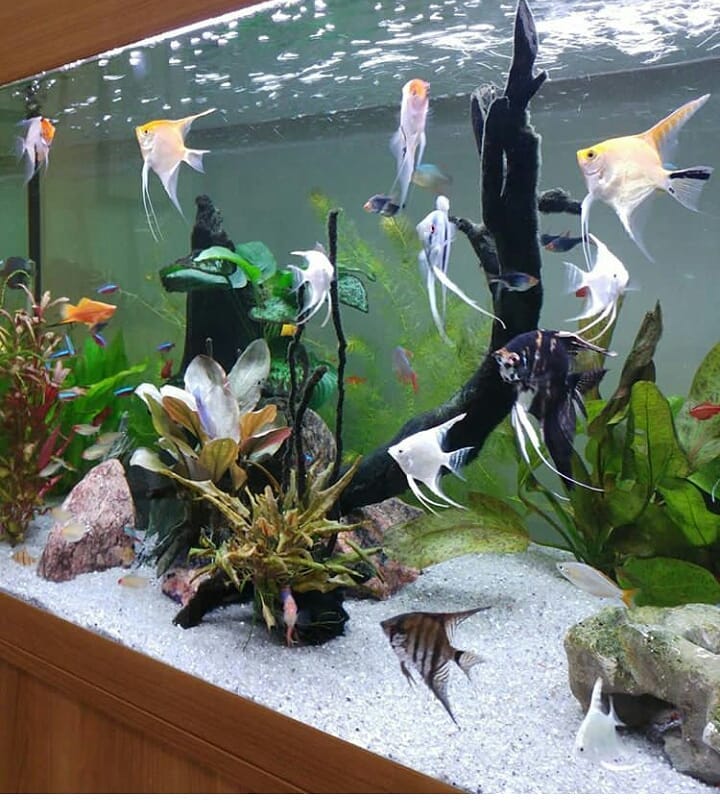
- Lack of Hiding Places: Most fish need places like caves, plants, or driftwood to feel secure. A bare tank can make them feel exposed and anxious.
- Equipment Failure: A faulty heater can either cook your fish or cause a fatal temperature drop. A failed filter will stop water circulation and allow toxins to build up rapidly. Always check your equipment regularly.
Frequently Asked Questions of why my fish died in aquarium
Why did my fish die suddenly overnight?
Sudden death is often caused by a rapid spike in ammonia or nitrite, a significant temperature change from a heater failure, or acute shock from being newly added to the tank. Low oxygen levels can also be a culprit.
Can a fish die from overfeeding?
Yes, a fish can die from overfeeding. It can cause digestive issues and bloating, and the uneaten food decays, which pollutes the water with toxic ammonia and nitrite.
How soon should I remove a dead fish from the tank?
You should remove a dead fish as soon as you discover it. A decomposing body will release a large amount of ammonia, which can foul the water and harm or kill the other fish.
Why did my fish die after a water change?
This is usually due to "shock" from a sudden change in water parameters. This happens if the new water's temperature, pH, or hardness is drastically different from the tank water, or if you forgot to add a water conditioner to remove chlorine.
All my fish died at once, what happened?
When an entire tank perishes, it points to a catastrophic event. This is almost always severe water poisoning from an ammonia or nitrite spike, a chemical contaminant getting into the tank, or a complete equipment failure like a broken heater.
Conclusion
Losing a fish is a tough part of the aquarium hobby, but it is also a learning opportunity. By methodically checking your water quality, evaluating stress factors, observing for disease, and reviewing your feeding and setup, you can often pinpoint the cause. The key is to be proactive, not reactive. A stable, clean, and stress-free environment is the best defense against losing another fish.
Don’t let this setback discourage you. Use what you’ve learned here to create an even better, healthier home for your aquatic pets. We'd love to hear about your experience or answer any more questions in the comments below.