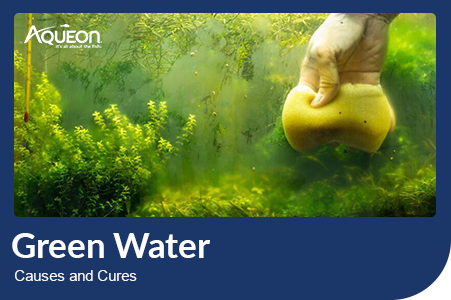
Algae bloom from excess light and nutrients turns aquarium water green within days.
As an aquarist and longtime aquarium technician, I’ve fixed countless tanks where owners asked, "why is the water in my aquarium green." I’ll walk you through the root causes, quick checks, and proven fixes. This guide blends hands-on experience with best practices so you can diagnose and solve green water fast, and keep it from coming back.
:strip_icc()/1378633-v3-5b46307746e0fb0037d0894e.png)
What causes green aquarium water?
Green aquarium water usually comes from a planktonic algae bloom. These microscopic algae float throughout the water column. They multiply fast when conditions favor them.
Common triggers include:
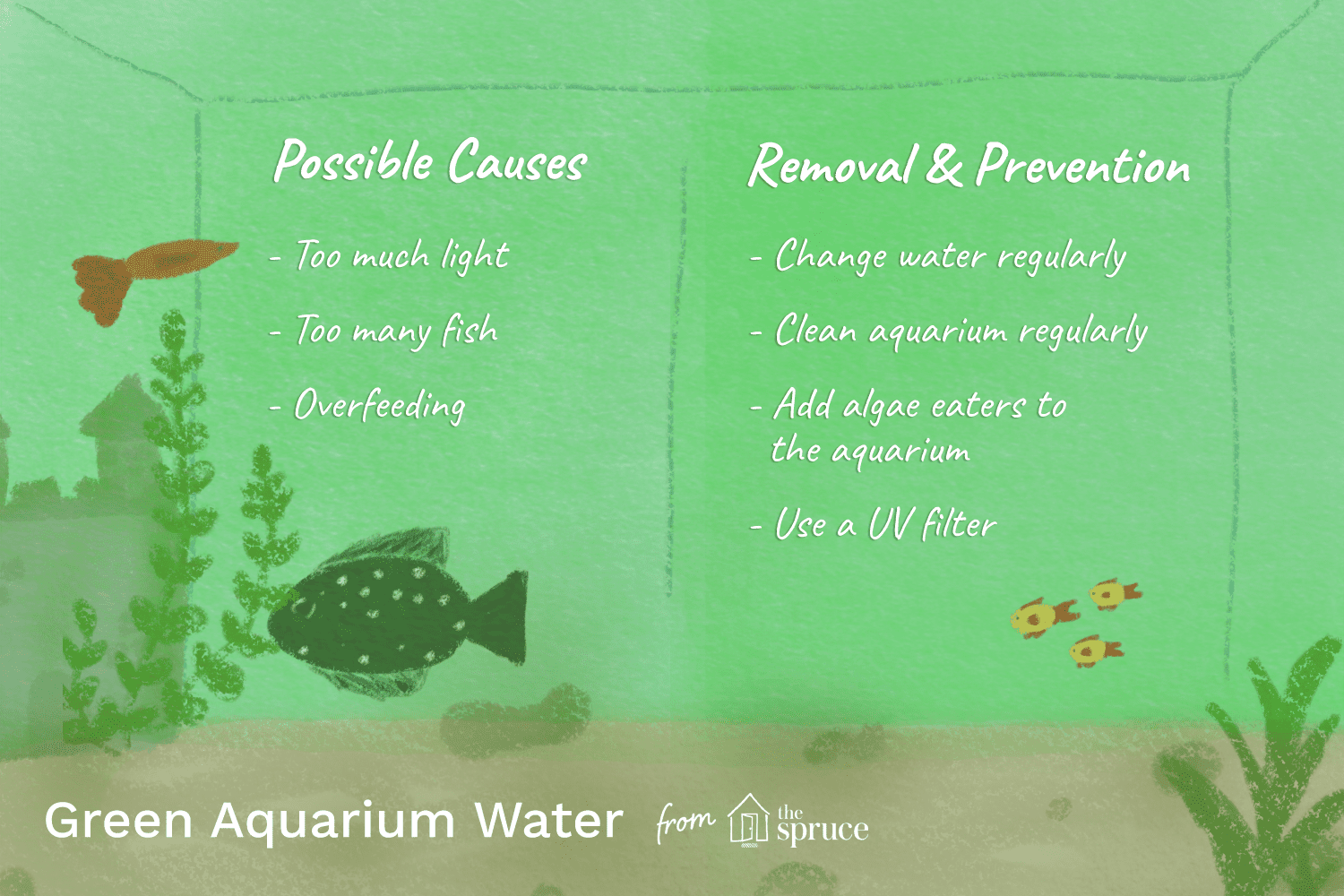
- Excess light from long daylight hours or strong bulbs.
- High nutrient levels, especially nitrate and phosphate.
- Overfeeding and decaying plant or food matter.
- New tank setups without stable beneficial bacteria.
- Weak or undersized filtration that cannot remove particles.
- Disturbing substrate or drastic water chemistry changes.
When you ask "why is the water in my aquarium green," think light plus food. I once had a 20-gallon tank go pea-soup green after a weekend of direct sunlight. Reducing light and doing water changes cleared it within a week.
Types of green water and how to identify them
Not all green-looking issues are the same. Spotting the type helps choose the right fix.
Planktonic algae (true green water)
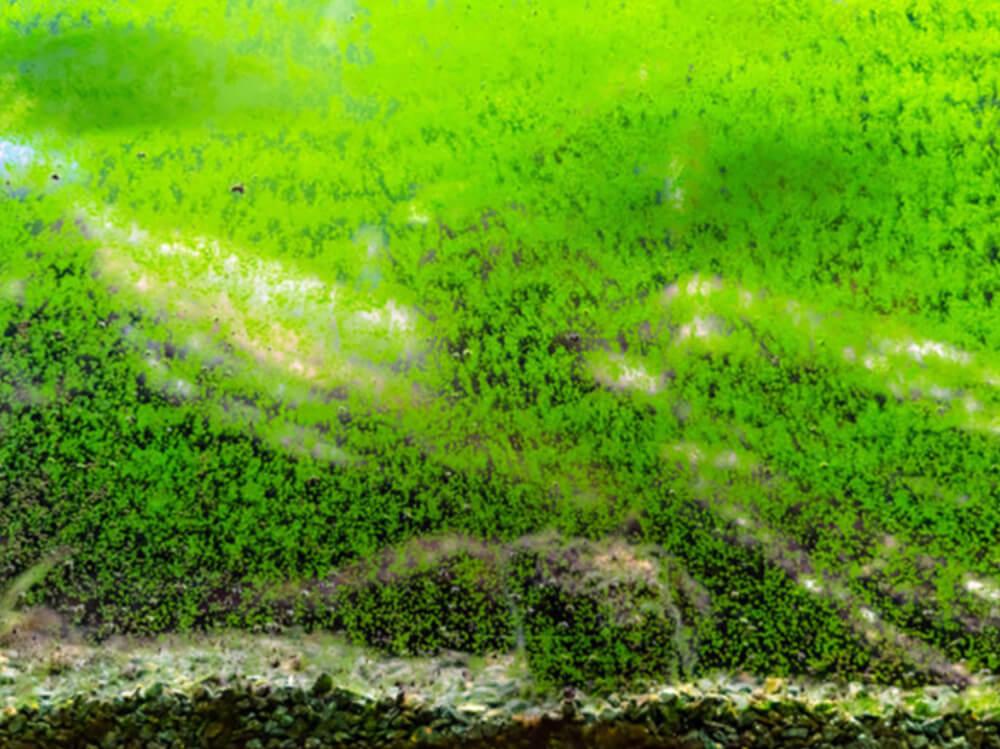
- Cloudy, uniformly green water.
- Looks like green paint mixed in water.
- Particles float and make the water opaque.
Filamentous algae and surface algae
- Strings, mats, or films on glass and plants.
- Water may still be clear with algae patches.
Diatoms (brownish) and cyanobacteria (bluish-green slime)
- Diatoms make brown water, common in new tanks.
- Cyanobacteria form slimy mats and smell bad.
If you want to know "why is the water in my aquarium green," first check if the entire water column is tinted. Uniform tint points to planktonic algae and needs different treatment from string algae.

How to test and diagnose the problem
A clear diagnosis saves time and effort. Use simple tests and observations.
Step-by-step diagnosis:
- Test water for ammonia, nitrite, nitrate, and phosphate using hobby test kits.
- Note lighting hours and bulb age.
- Observe fish and plants for stress or decaying matter.
- Inspect filter media and flow rate.
- Check for recent changes: feed, dosing, medication, or new decor.
High nitrate or phosphate plus bright light often explains "why is the water in my aquarium green." Low ammonia but high nitrate suggests a nutrient buildup rather than a new cycling issue.

How to treat green aquarium water
Treating green water can be fast or gradual depending on the method. Combine immediate steps with long-term fixes.
Immediate actions (first 24–48 hours)
- Perform a 25–50% water change to cut algal cells and nutrients.
- Remove excess food and dead plant matter.
- Reduce lighting to 4–6 hours daily or move the tank away from direct sun.
- Vacuum substrate lightly to remove settled organics.
Short-term treatments (days to a week)
- Add an aquarium-safe carbon or water clarifier to help clear particles.
- Use phosphate remover if phosphate is high.
- Increase filter flow or add mechanical polishing media like fine floss.
Advanced options (fastest results)
- Use a UV sterilizer sized for your tank to kill planktonic algae quickly.
- Apply chemical algicides only as a last resort and follow instructions.
Long-term approach
- Stabilize nutrient input by feeding less and doing regular water changes.
- Add fast-growing live plants to compete with algae.
- Maintain a consistent maintenance schedule and test water weekly.
From my experience, a 30% water change plus reduced light cleared green water in five days. I paired that with a small UV unit to avoid repeat blooms.

Preventing green water long-term
Prevention is easier than cure. Set simple habits to keep your tank clear.
Preventive measures:
- Keep consistent light schedule: 6–8 hours per day for planted tanks.
- Feed only what fish eat in 2 minutes, once or twice daily.
- Do weekly 10–25% water changes depending on stocking and plants.
- Maintain proper filtration and clean filter media monthly.
- Add live plants like hornwort, water sprite, or fast stem plants to absorb nutrients.
- Quarantine new plants and livestock to avoid introducing algae or pests.
If you ask "why is the water in my aquarium green" again later, check whether light or feeding crept back up. Small changes undo months of good maintenance.
Common mistakes and troubleshooting
Many aquarium keepers repeat these mistakes. Avoid them to prevent green water.
Frequent errors and fixes:
- Lighting left on too long: Set a timer and reduce hours.
- Overfeeding: Cut portions and remove leftovers in 5 minutes.
- Skipping water changes: Stick to a schedule based on tank load.
- Relying only on chemical fixes: Use them sparingly and pair with mechanical and biological control.
- Ignoring test results: Test weekly and act on trends, not guesses.
When troubleshooting, track one variable at a time. That helps you learn what truly caused "why is the water in my aquarium green" in your case.

Equipment and treatments compared
Choose tools based on cost, speed, and tank setup.
Options and notes:
- UV sterilizer
- Pros: Fast, reliable for planktonic algae.
- Cons: Cost and flow must be correct for effectiveness.
- Activated carbon
- Pros: Removes organics and some discoloration.
- Cons: Not effective alone for planktonic algae.
- Phosphate removers
- Pros: Targets a key nutrient for algae.
- Cons: Needs monitoring to avoid depleting plant nutrients.
- Chemical flocculants
- Pros: Quickly clear water by clumping particles.
- Cons: Temporary fix; particles settle and raise the nutrient load.
- Live plants
- Pros: Natural, long-term nutrient control.
- Cons: Require care and may not work in fish-only tanks.
I installed a modest UV sterilizer on a heavily planted community tank once. It cleared green water in three days. Then I reduced feeding and phosphate inputs to prevent recurrence.

Frequently Asked Questions of why is the water in my aquarium green
Why is the water in my aquarium green overnight?
A sudden bloom can happen if algae spores find ideal light and nutrients. It often follows a heavy feeding, long lighting, or a sudden temperature shift.
Will green water harm my fish?
Green water itself usually does not harm fish directly, but it reduces light penetration and can stress plants and some sensitive species. Severe blooms can lower oxygen at night.
Can I use algaecides to clear green water?
Algaecides can work short-term but often release nutrients when algae die, which can fuel future blooms. Use them sparingly and combine with water changes.
How long does it take to clear green water?
With strong action—UV sterilizer plus water changes—clear water can return in 2–7 days. Simpler steps like lights reduction and water changes may take 1–3 weeks.
Do live plants prevent green water?
Fast-growing live plants compete for nutrients and often prevent planktonic algae. They help a lot but are not a guaranteed single fix for all setups.
Conclusion
Green aquarium water is almost always a sign of an algae bloom driven by light and excess nutrients. Diagnose with simple tests, reduce the causes, and choose treatments that fit your tank. Start with water changes, cut light, and improve filtration. If you want fast clarity, pair those steps with a UV sterilizer or clarifier, and then keep up a solid maintenance routine.
Take action today: test your water, trim light hours, and schedule one focused water change. Share your results or questions below, and subscribe for more practical aquarium fixes.