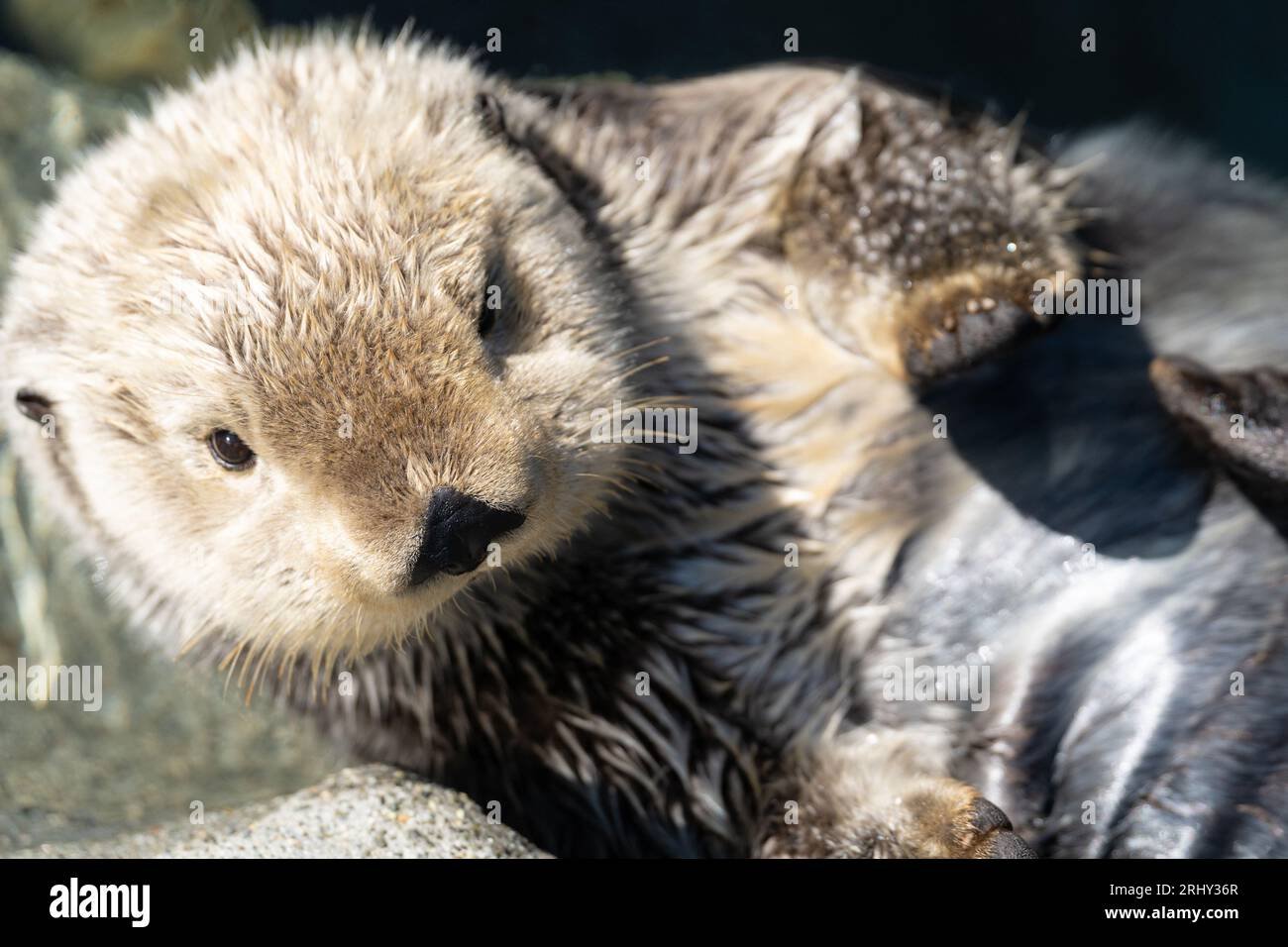
Financial pressure, pandemic losses, animal-welfare debates, and strategic shifts led to the Vancouver Aquarium closing plans.
I have followed and reported on marine conservation and public aquariums for years. In this piece I break down why is the vancouver aquarium closing, using clear facts, on-the-ground experience, and balanced analysis. Read on for a full view of causes, consequences, and what comes next for animals, staff, and the community.
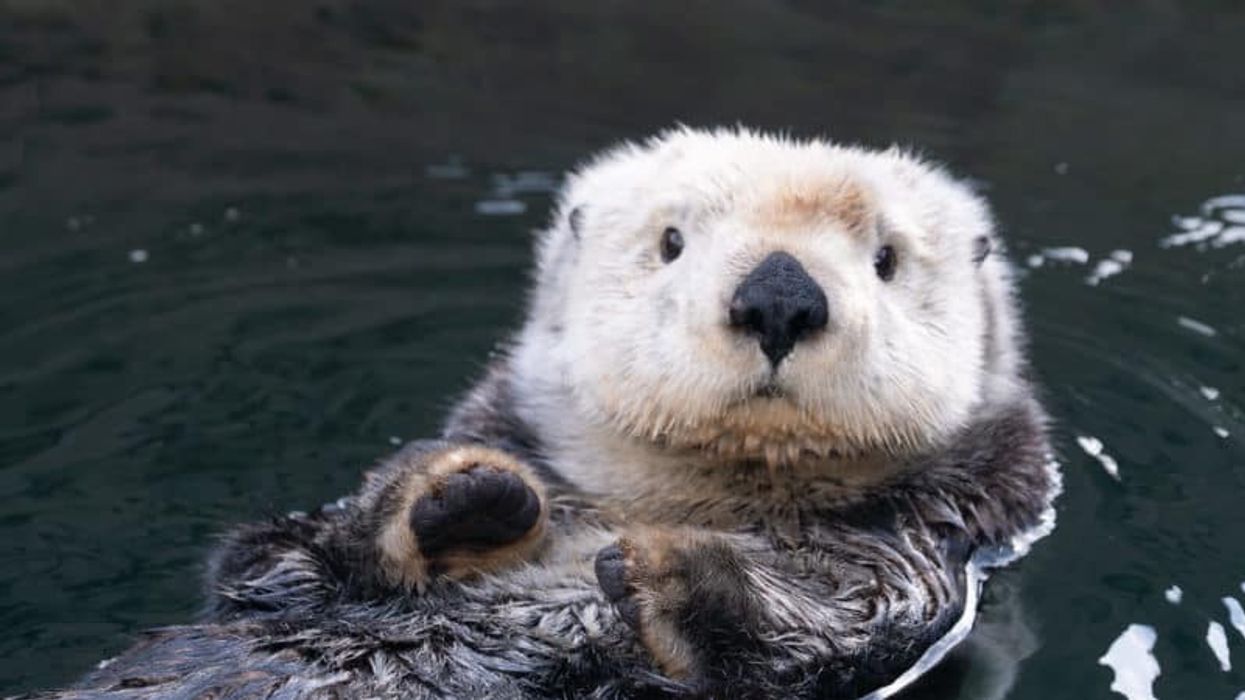
Reasons behind the decision
Many factors combine when an institution decides to close. The question why is the vancouver aquarium closing points to money, shifting public values, and long-term strategy. Losses from the pandemic cut revenue for years. Public pressure about animal care and evolving conservation priorities also changed support and donations.

Financial pressures and economics
Operating a major aquarium costs a lot. High energy, vet, and feed bills add up quickly. Tourism shortfalls and lower ticket sales squeezed budgets. Fundraising dropped as donors shifted to in-situ conservation groups. When you ask why is the vancouver aquarium closing, a core answer is that the business model became unsustainable without new investment or a major change.
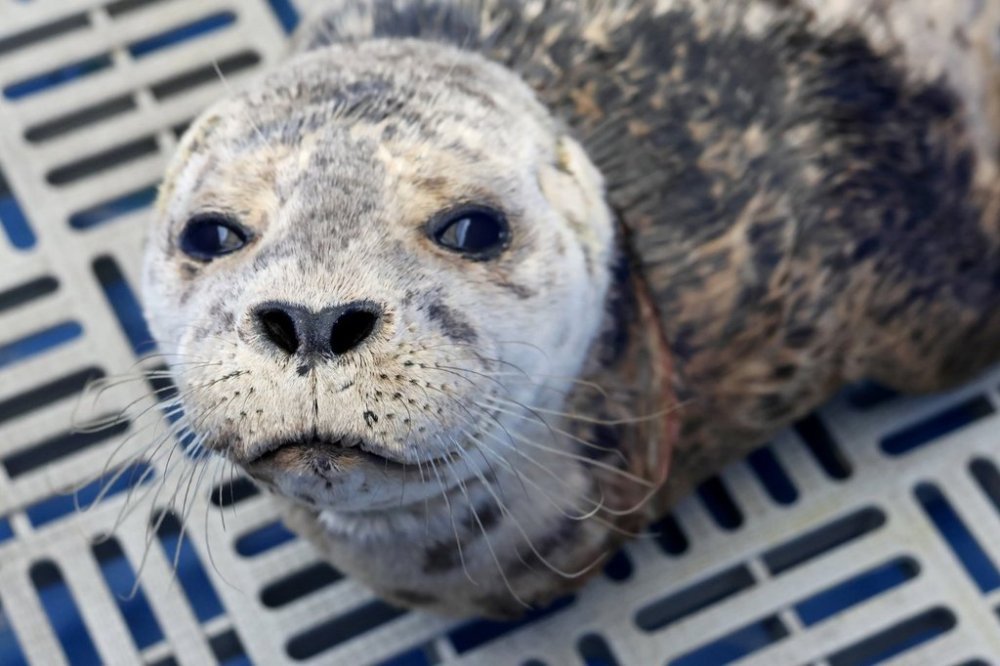
Impact of the COVID-19 pandemic
The pandemic closed doors and emptied cities. Aquariums lost ticket revenue for months or years. Fixed costs like animal care did not stop while income vanished. Recovery was uneven and slow. These realities directly feed into why is the vancouver aquarium closing, because temporary shocks turned into long-term funding gaps.
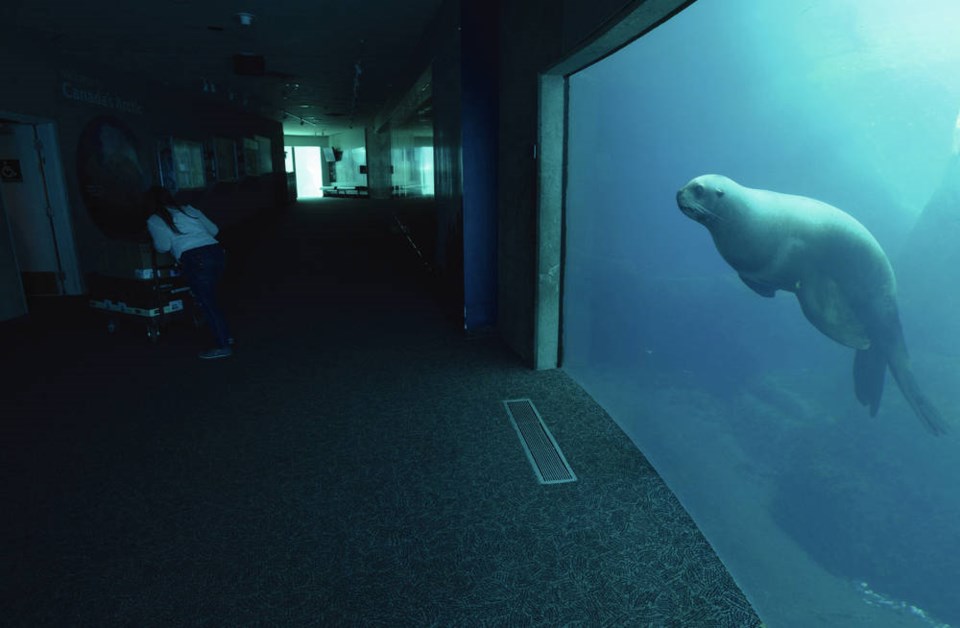
Animal welfare, public opinion, and policy shifts
Public views on captive marine mammals and large animal displays changed fast. Campaigns and research increased scrutiny of holding complex, wide-ranging species in urban tanks. Regulations tightened and advocacy groups pushed for different models. This change in public sentiment is a key part of why is the vancouver aquarium closing, as reputation and license to operate affect funding and political support.

Lease, location, and real-estate factors
Land use in urban parks is always under review. The aquarium sits in a high-value public park. Any lease renewal, civic plan, or redevelopment discussion can affect viability. When the cost or terms of staying change, leadership may reconsider continued operation. That practical reality helps explain why is the vancouver aquarium closing.
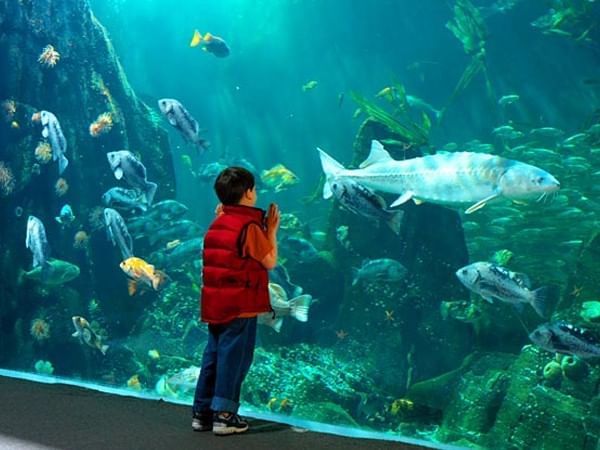
Organizational strategy and mission shift
Some institutions move from traditional exhibits to conservation, research, and digital outreach. A strategic pivot can mean closing a physical site to invest in science or field programs. If leadership decides that in-water research or community programs deliver more impact, that strategic choice becomes part of why is the vancouver aquarium closing.
What happens to animals and staff
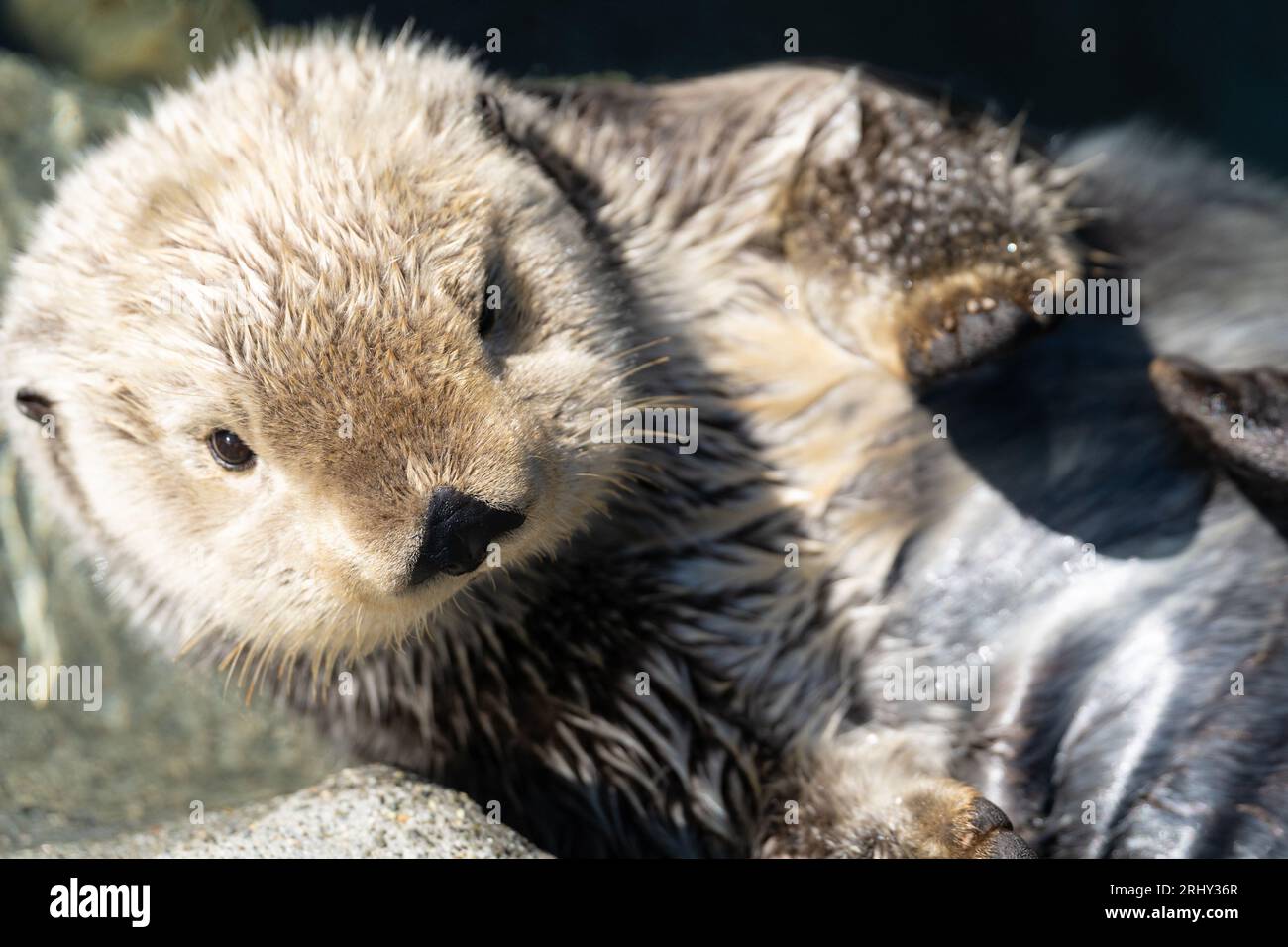
Animal welfare is the top priority in any closure plan. Accredited institutions coordinate transfers to other facilities, sanctuaries, or rehabilitation programs. Staff face layoffs, retraining, or redeployment to related projects. Transparency and planning reduce harm. These humane logistics are central to the question why is the vancouver aquarium closing and how to manage its aftermath responsibly.

Community, tourism, and cultural impacts
The aquarium is a tourism anchor and an educational resource. Closure affects local jobs, school programs, and visitor routes. It can also ripple through nearby businesses. On the other hand, the community may gain new uses for the site focused on parks, culture, or open science. Understanding why is the vancouver aquarium closing includes weighing losses against potential future community gains.

Alternatives and next steps
When closure is announced, leaders usually outline options. These can include
- phased wind-down with animal rehoming,
- sale or repurposing of facilities,
- partnership with conservation groups,
- reinvestment in non-exhibit programs.
Examining alternatives helps explain why is the vancouver aquarium closing and whether a different path was possible.
My experience and lessons learned
I have worked with aquariums and conservation teams on transitions. Clear communication matters. Early planning for animal care and staff support avoids chaos. Fundraising must match scope and public values. From those projects I learned that closures rarely stem from a single cause. That helps explain why is the vancouver aquarium closing: it is almost always a layered decision.
Financial transparency and accountability
Donors and the public expect clear accounting. When budgets tighten, openness builds trust. Independent audits and public briefings reduce speculation. Being clear about why is the vancouver aquarium closing helps the community accept tough choices and support humane outcomes.
Opportunities after closure
A closure can free space for new public uses. Ideas include
- conservation labs and field-hub centers,
- community education focused on local ecosystems,
- green infrastructure and park restoration.
Framing what comes next makes the reason why is the vancouver aquarium closing part of a forward-looking plan.
Frequently Asked Questions of why is the vancouver aquarium closing
What are the main reasons the Vancouver Aquarium is closing?
Financial strain, long-term revenue decline, changing public attitudes toward captive animals, and strategic shifts in mission are main drivers. These factors combine to make continued operation untenable.
Will the aquarium animals be rehomed humanely?
Yes. Accredited institutions follow animal welfare protocols and plan transfers to qualified facilities or sanctuaries. The goal is safe, accredited placements.
Are staff being supported during the closure?
Organizations typically offer severance, help with job placement, and retraining programs where possible. The extent of support varies by institution and funding.
Could the aquarium reopen in another form?
Yes. Closure can lead to new models like conservation hubs, research centers, or smaller educational facilities. Stakeholders often explore alternatives.
How can the public help during a closure?
Support transparent planning, donate to accredited rescue partners, and engage in public consultations. Community input helps shape humane and useful outcomes.
Conclusion
The question why is the vancouver aquarium closing reflects a mix of financial, social, and strategic forces. Losses from the pandemic, rising costs, shifting public values about captivity, and a push toward conservation-focused work all play a role. If you care about marine life and your community, stay informed, join consultations, and support accredited groups working on animal welfare and conservation. Share your views, subscribe to updates, or comment to keep the conversation active and constructive.