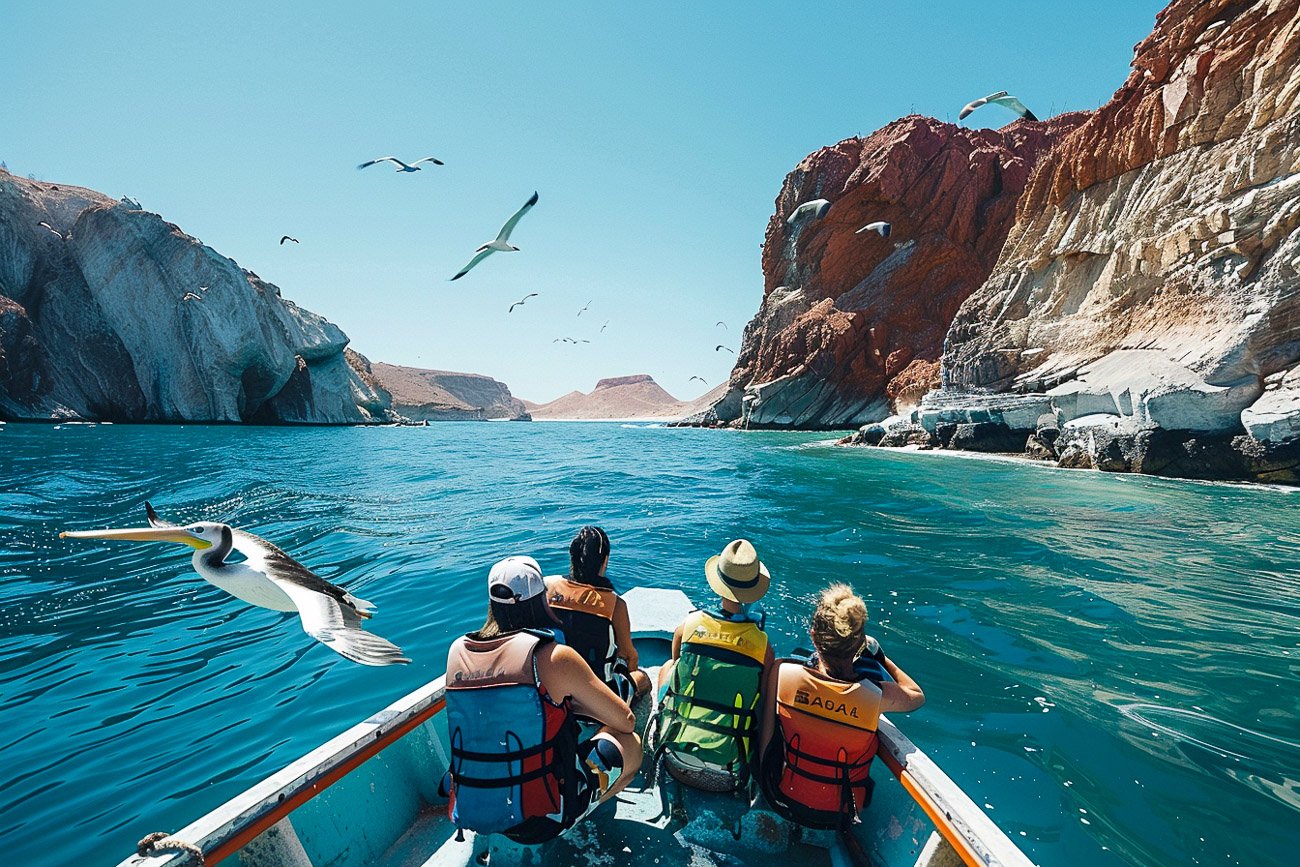
Because its compact seas host huge, visible marine life and diverse habitats all year.
I have spent years studying and guiding trips in this region. In this article I explain why is the sea of cortez called the world's aquarium with clear science, field observations, and practical advice. Read on to learn what makes this sea unique, what you can see, and how to enjoy it responsibly.

Why the Sea of Cortez Is Called the World's Aquarium
The label comes from the sea’s dense mix of life in a small area. Warm currents meet cold upwellings. Islands, bays, and deep channels sit close together. That creates easy places to see big animals and tiny creatures in the same trip, which is why is the sea of cortez called the world's aquarium.
Unmatched Biodiversity and Endemism
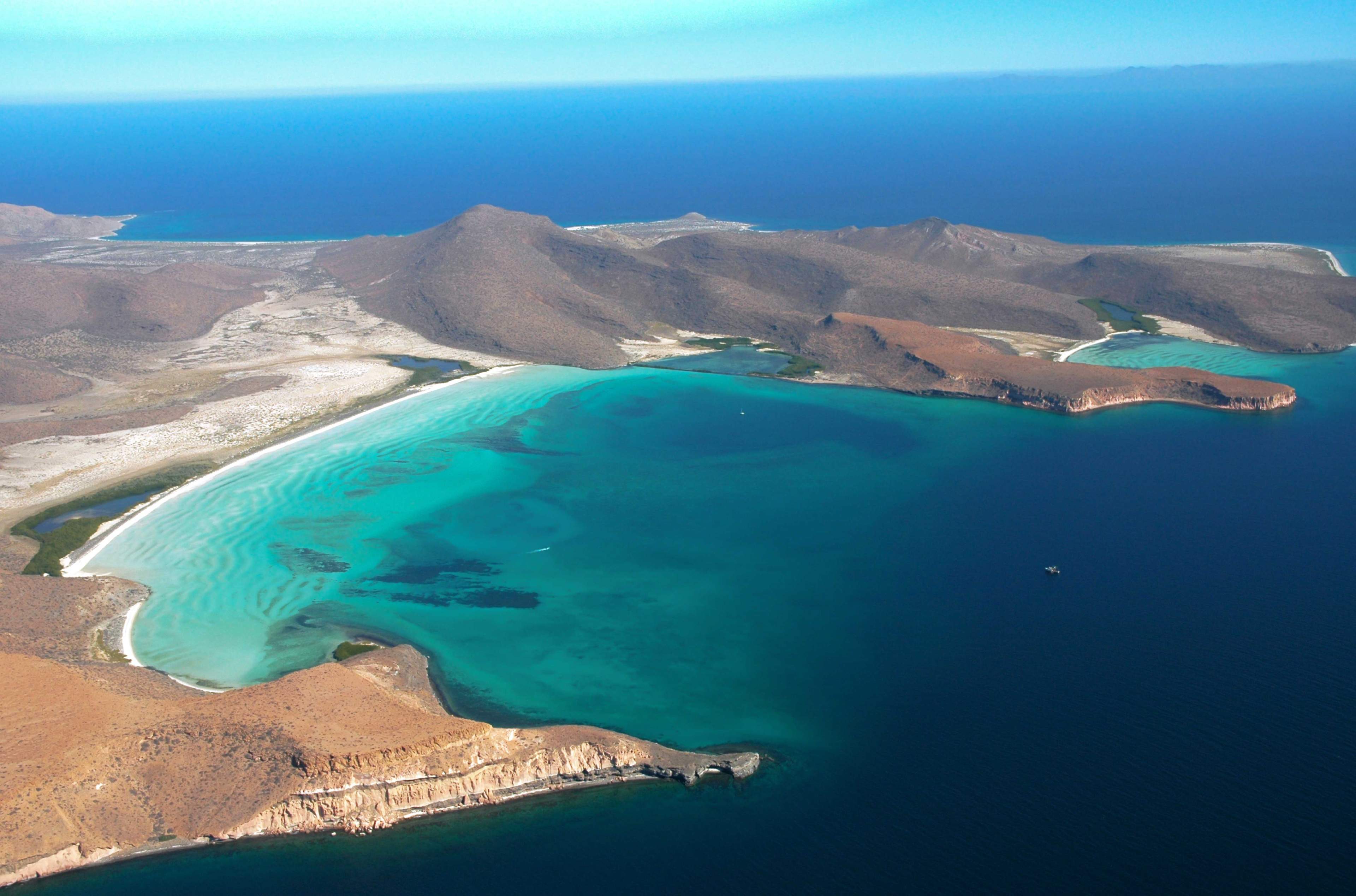
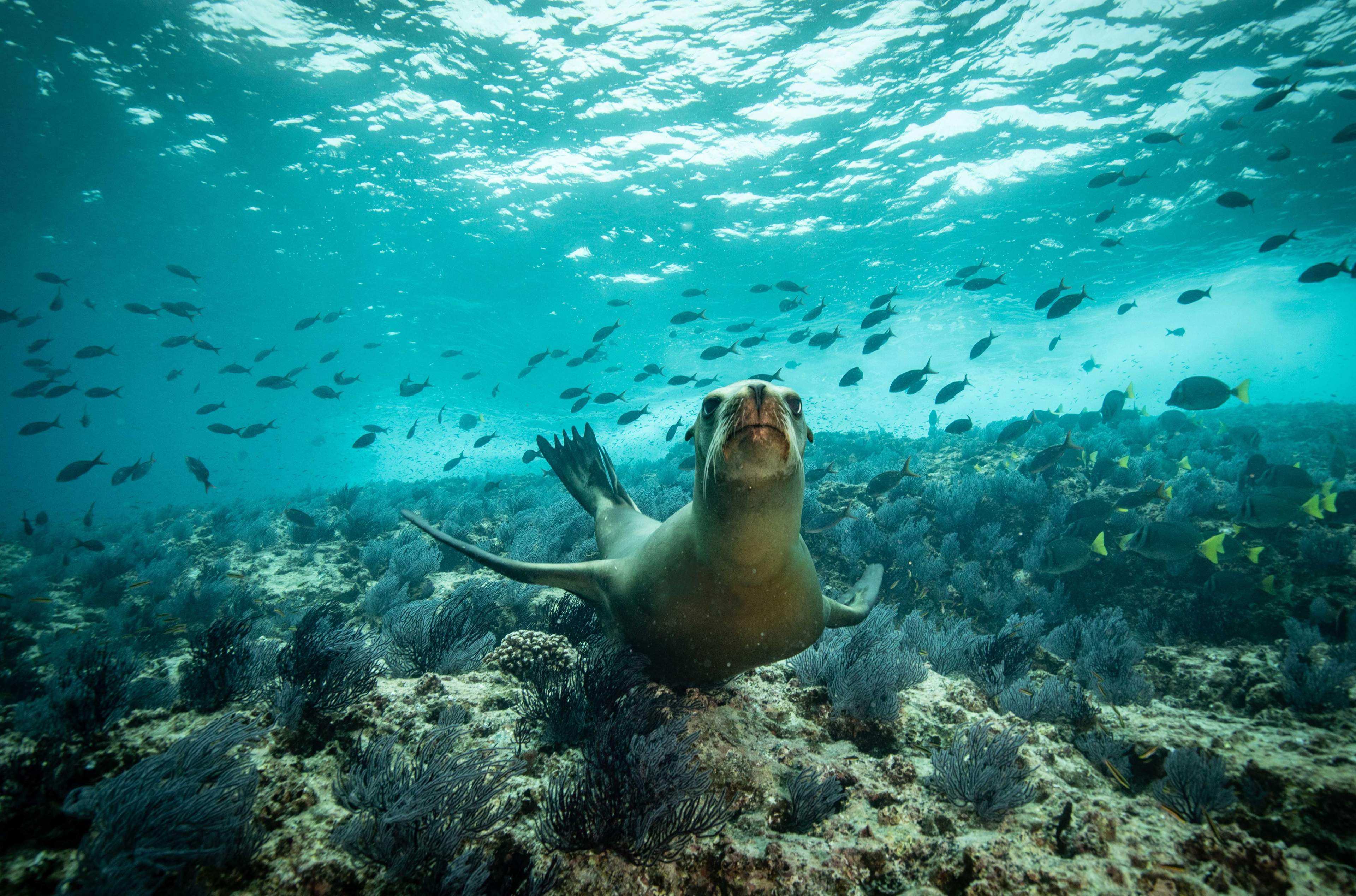
Life in the Sea of Cortez is rich and varied. The sea hosts hundreds of fish species, many marine mammals, and a high number of endemic animals. Cold nutrient-rich waters fuel plankton blooms. Those blooms support large food webs and visible gatherings of animals, reinforcing why is the sea of cortez called the world's aquarium.
- High species counts in a compact region
- Numerous endemic fish and invertebrates
- Regular visits from large migratory species

Unique Habitats That Make It Feel Like an Aquarium
This sea packs many habitats close together. Mangroves, rocky reefs, sandy flats, seamounts, and deep channels all lie within short boat rides. Upwelling zones push nutrients to the surface. That variety makes it simple to move from tide pools to deep-water giants in one day, which helps explain why is the sea of cortez called the world's aquarium.
- Mangroves: nurseries for juvenile fish and crustaceans
- Rocky reefs: colorful invertebrates and reef fish
- Offshore seamounts: attract large pelagics and whales
Iconic Species You Can See
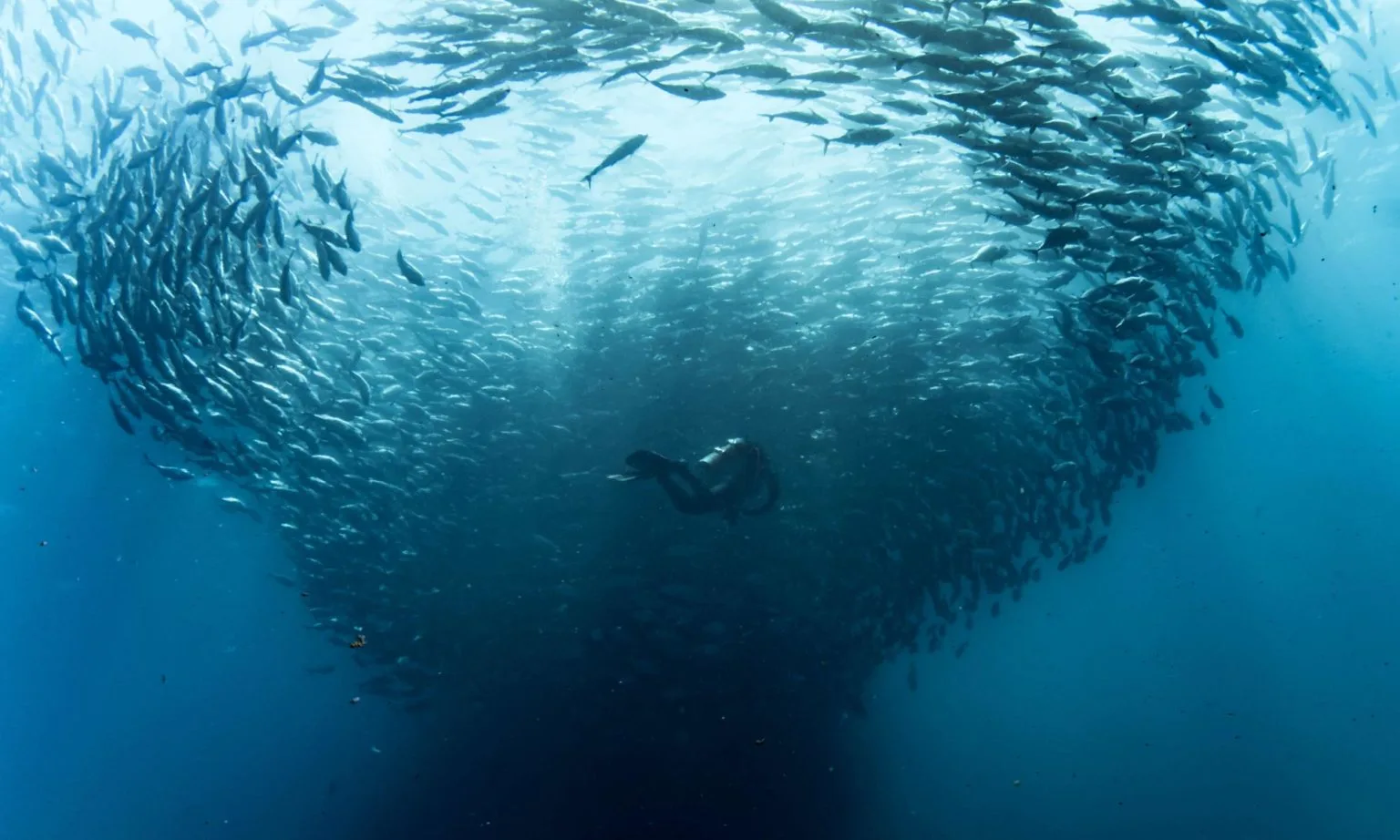
The Sea of Cortez offers both spectacle and subtle life. You can see large animals and tiny species in close range. These examples show the range of sightings.
- Whales and dolphins: frequent and often close to boats.
- Mobula rays: big, graceful schools that leap or glide.
- Sea lions: curious groups that approach divers and snorkelers.
- Whale sharks and pelagics: seasonal visits by giant filter feeders.
- Nudibranchs and reef fish: bright, small life for macro enthusiasts.
These easy encounters explain why is the sea of cortez called the world's aquarium to both scientists and visitors.

Human History, Research, and Ecotourism
Scientists have studied this sea for decades. Long-term surveys show how life changes with climate and human use. Local fishers, guides, and researchers share knowledge across communities. On trips I guided, I learned local seasons, where to watch rays, and how guides protect animals—practical know-how that supports why is the sea of cortez called the world's aquarium.
- Research programs monitor populations and habitats
- Local knowledge improves viewing and protection
- Responsible ecotourism funds conservation and science
Conservation Challenges and What Can Be Done
The sea faces clear threats. Overfishing, warming waters, plastic pollution, and coastal development harm habitats. Good news is that protection works. Marine reserves, smart fisheries, and clean tourism reduce harm. A clear conservation plan can help keep the reasons why is the sea of cortez called the world's aquarium for future generations.
- Threats: fishing pressure, climate change, pollution
- Solutions: marine protected areas, sustainable tours, community rules
- Personal tip: support operators who follow no-touch policies
How to Experience the Sea of Cortez Responsibly
Plan trips that protect the sea while you enjoy it. Book licensed guides who follow best practices. Use reef-safe sunscreen and avoid single-use plastics. Learn the seasons so you see the species you want without stressing wildlife. These steps let you witness why is the sea of cortez called the world's aquarium and help keep it that way.
- Choose small, local operators with clear rules
- Keep a safe distance from wildlife
- Support local conservation projects when you can

Frequently Asked Questions of why is the sea of cortez called the world's aquarium
What makes the Sea of Cortez so biodiverse?
The mix of warm and cold currents creates rich plankton growth. That fuels large food chains and supports many species in a small area.
Can I see whales and whale sharks in the Sea of Cortez?
Yes. Seasonal migrations bring whales and whale sharks close to shore. Timing and location vary, so guided trips improve your chances.
Is the Sea of Cortez safe for snorkeling and diving?
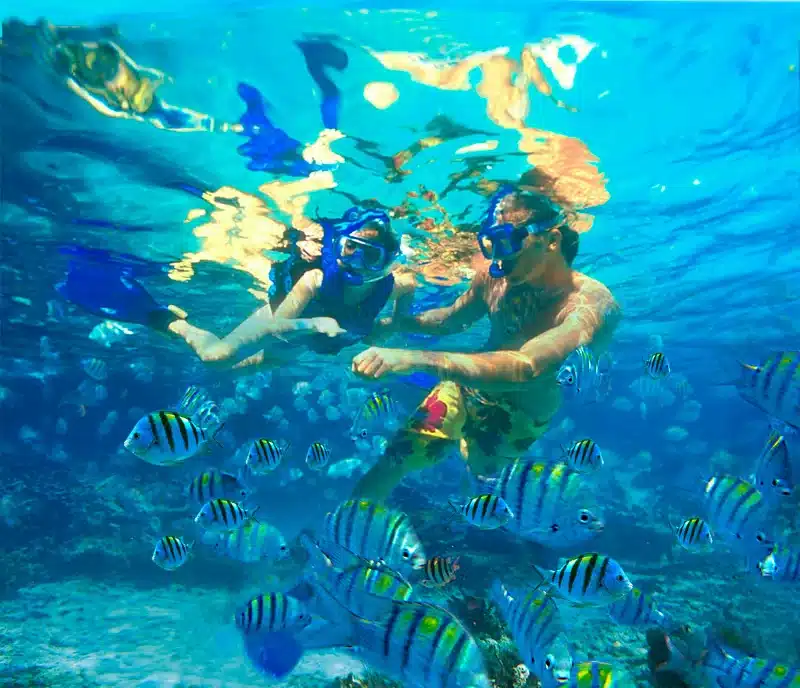
Many areas are safe and ideal for snorkeling and diving. Use a guide and follow local safety rules to protect yourself and the animals.
How does the Sea of Cortez compare to other marine regions?
It is unique because high diversity and large animals are visible near shore. That accessibility is a big reason why is the sea of cortez called the world's aquarium.
Are there protections for the Sea of Cortez?
Yes. There are marine reserves and community rules that limit harmful fishing and development. These efforts help preserve habitats and species.
Conclusion
The Sea of Cortez earns its nickname from close, visible life, varied habitats, and active efforts to study and protect it. Simple actions by travelers, operators, and managers make a big difference. If you plan a visit, choose responsible guides, learn the seasons, and support conservation to keep this living aquarium healthy. Share your experiences, learn more, or join a local project to help preserve what makes the sea special.